In a world increasingly defined by frenetic lifestyles and the clamor of modernity, the quest for tranquility and simplicity has never been more pertinent. Enter the tatami-style bed—a staple of traditional Japanese bedrooms that encapsulates a harmonious blend of elegance, comfort, and mindfulness. Crafted from natural materials and inspired by centuries-old customs,these low-profile beds invite a serene aesthetic into the home while encouraging restful sleep and a deeper connection to nature. As we explore the allure of tatami-style beds, we will uncover not just their aesthetic appeal, but also the philosophy that underpins this timeless design, showcasing the profound impact it can have on our living spaces and overall well-being.Join us on this journey as we delve into the embrace of serenity that a tatami-style bed can bring, reflecting the essence of Japanese culture and its enduring relevance in contemporary life.
serenity Embodied: The minimalist Elegance of Tatami-Style Beds in Japanese Spaces
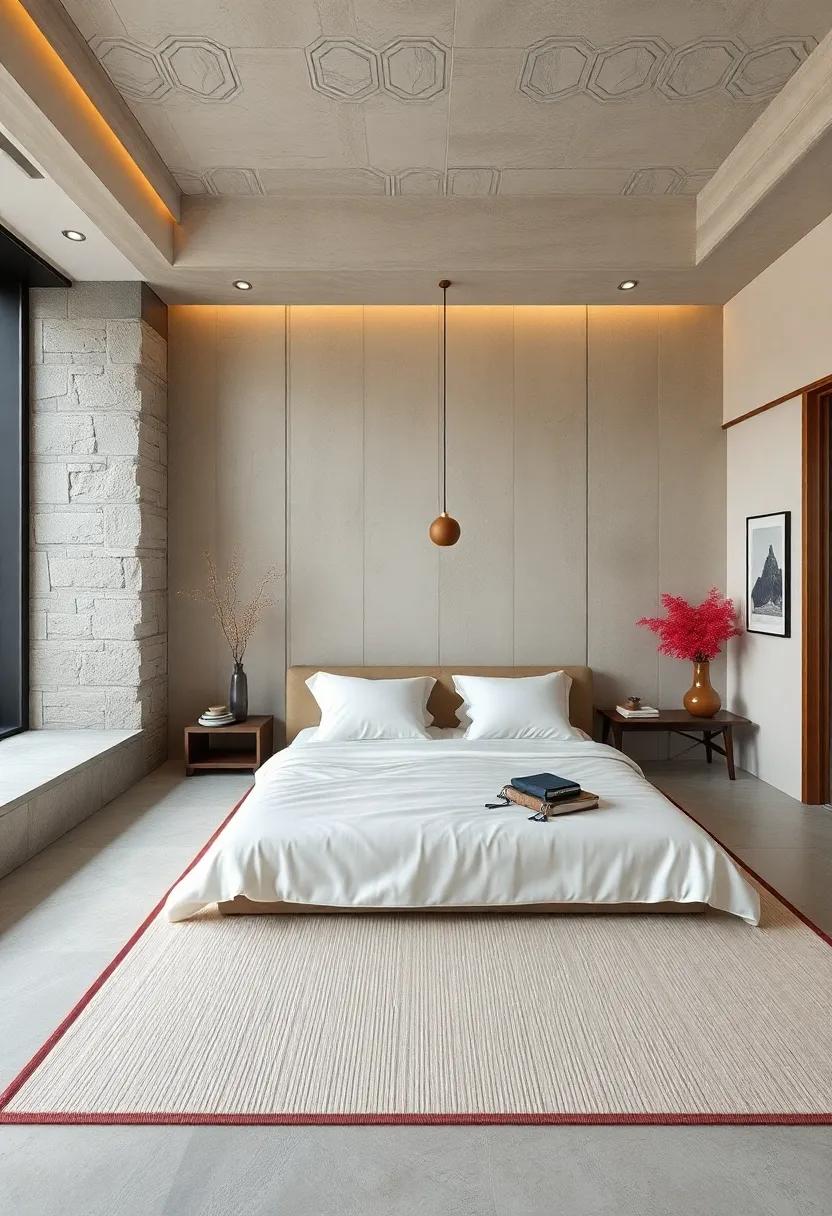
The essence of serenity permeates Japanese interiors, particularly thru the understated charm of tatami-style beds.Crafted from natural materials, these beds evoke a sense of harmony and balance that aligns seamlessly with the principles of Zen. Their low profile enhances the spatial flow of a room, allowing for a greater sense of openness and tranquility. The natural fibers and subtle color palettes frequently enough found in tatami bedding work to create an inviting atmosphere where relaxation is paramount.
Embracing this minimalist aesthetic encourages a deliberate lifestyle, bringing forth the beauty of simplicity. Key features of tatami-style beds include:
- Natural Materials: Bamboo,rice straw,and cotton embody the Japanese connection to nature.
- Space Efficiency: these beds fit comfortably in compact spaces without sacrificing comfort.
- Versatile Design: Easily integrated with other furnishings, allowing for a cohesive look.
in addition to their physical attributes, tatami-style beds foster mindfulness, transforming the sleeping experience into a meditative retreat. The design encourages a slower pace of life, prompting us to appreciate the quiet moments in our daily routines.
A Sanctuary of Calm: How Tatami Beds Transform Bedroom Atmospheres
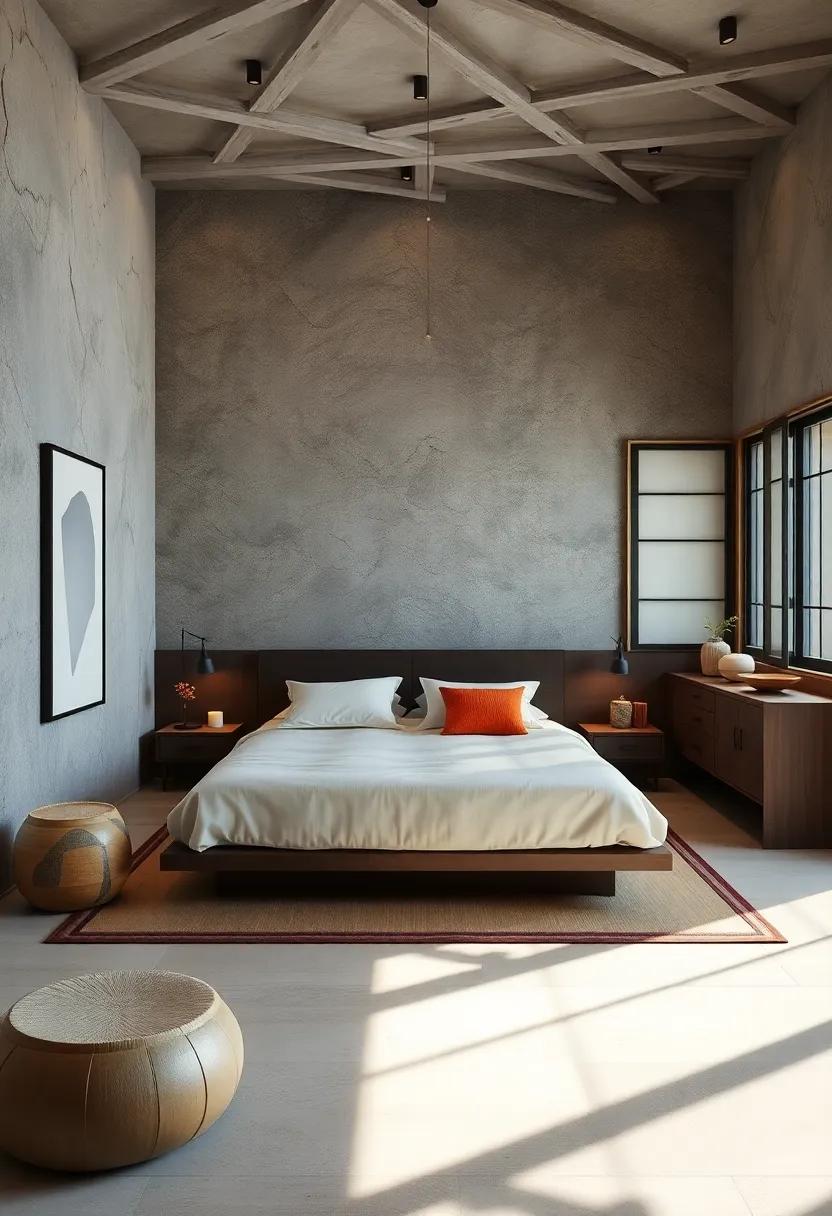
As the sun sets and the world outside begins to quiet, the bedroom transforms into a personal retreat, an oasis of calm.The essence of this tranquility is encapsulated in the design of tatami beds, which are integral to traditional Japanese interiors. Crafted from natural materials like rice straw and covered with woven rush grass, these beds not only exude a warm, earthy vibe but also promote mindfulness and a deeper connection to nature. Their low profile encourages a graceful transition into rest, leading to a more serene atmosphere that is hard to replicate with conventional bedding.
The minimalist aesthetic of tatami beds complements the simplicity of japanese decor,allowing for a harmonious integration of space and tranquility. In contrast to heavily adorned furniture, tatami beds emphasize a clean, unobtrusive style that enhances the overall ambiance. This design encourages decluttering, focusing on essential elements that foster peace. Consider the following benefits of incorporating tatami beds in your bedroom:
- Enhanced Air Quality: Natural materials allow for breathability, promoting a healthier sleep environment.
- Versatile Styling: Easily adaptable to modern or traditional rooms, providing a timeless aesthetic.
- Mindfulness: Encourages a culture of simplicity and meditation, enhancing overall well-being.
Nature’s Touch: Integrating Natural Elements with Tatami-Style Bedding
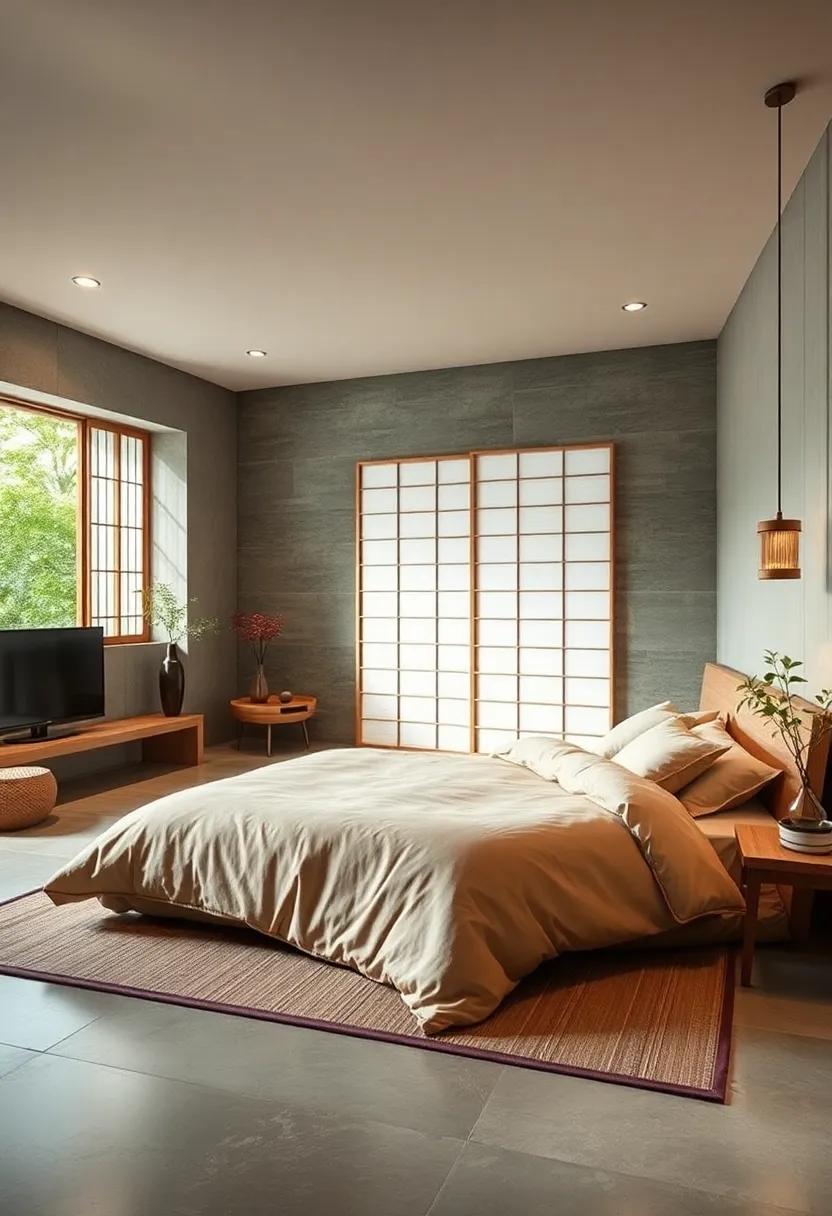
Incorporating natural elements into a bedroom that features tatami-style bedding creates an atmosphere of tranquility that echoes the beauty of nature. Wooden accents, such as bamboo side tables or reclaimed wood headboards, bring warmth and sustainability, enhancing the organic feel of the space. To complement the earthy tones of tatami mats and bedding,consider adding lush indoor plants, such as ferns or peace lilies,which not only purify the air but also contribute to the serene aesthetic. Soft, natural fibers in your decorative pillows and throws can evoke a sense of comfort, while maximizing the harmony between your bedding and the natural world.
The use of natural light plays a critical role in achieving this calming environment. Floor-to-ceiling windows or strategically placed mirrors can reflect light and create an illusion of spaciousness, making the room feel more open and connected to the outside. for those seeking additional layers of serenity, consider creating a small zen garden or using decorative elements like river stones and sand in minimalist designs.A carefully curated setup is key; a mix of textures and shapes can aid in crafting a soothing retreat, enabling the essence of nature to permeate each corner of the room.
Traditional Craftsmanship: The artistry Behind Tatami Mats and Beds
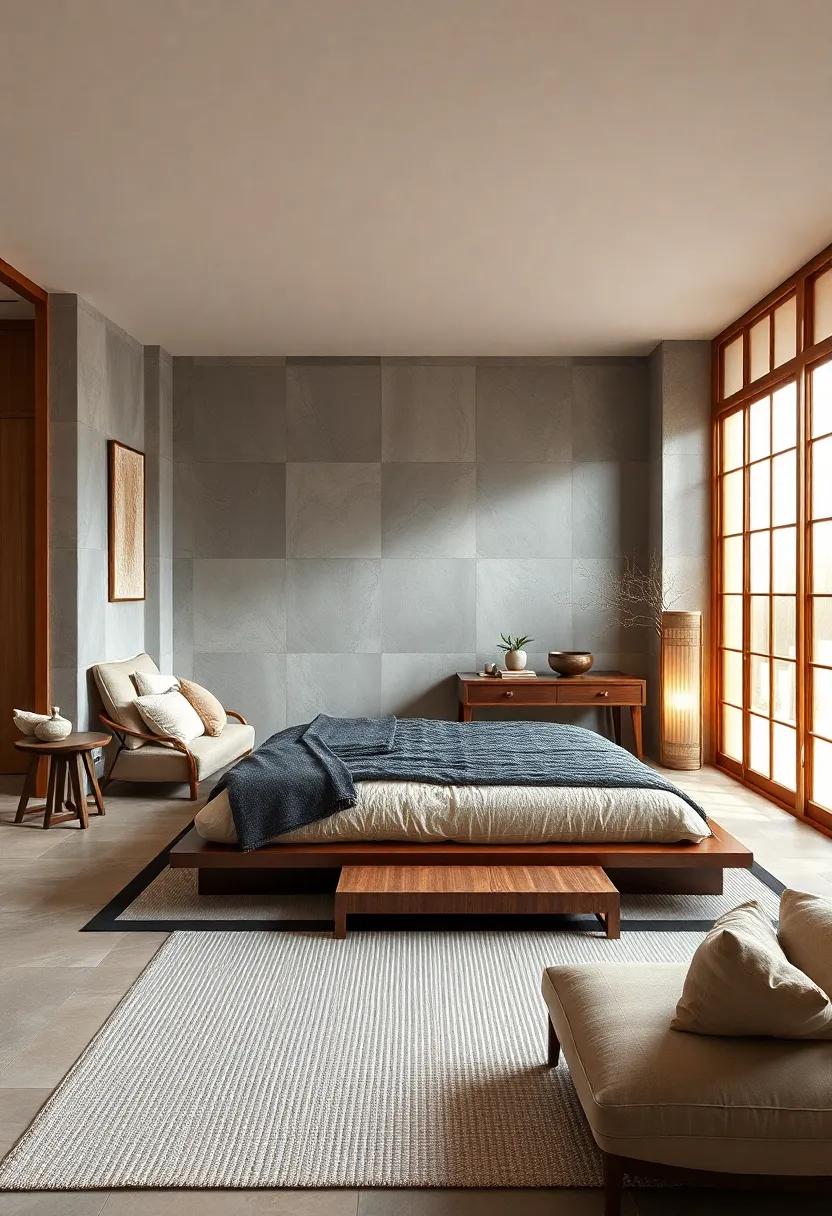
The creation of tatami mats and beds is a meticulous art form steeped in tradition, where every element is infused with cultural meaning. Made from natural materials such as rice straw for the core and woven rush grass (igusa) for the surface, these mats embody a philosophy of sustainability and harmony with nature. The craftsmanship involves skilled artisans who pay close attention to detail, ensuring that each tatami mat is not only functional but also aesthetically pleasing.The textile patterns and colors used in tatami beds reflect the changing seasons and the surrounding environment, making every piece unique. This artistry is further enhanced by the techniques passed down through generations, preserving the integrity and heritage of this centuries-old craft.
Additionally, the benefits of incorporating tatami into bedroom design extend beyond aesthetics. Tatami provides excellent insulation and sound absorption, creating a tranquil space conducive to relaxation and meditation. The natural fibers offer an unparalleled breathability, ensuring agreeable temperatures throughout the year. Below are key qualities that contribute to the allure of tatami-style beds:
| Quality | Description |
|---|---|
| durability | Resilient against wear and tear due to natural materials. |
| Health Benefits | Hypoallergenic and resistant to dust mites. |
| Aesthetic Appeal | offers a rustic and timeless look that complements any decor. |
| Comfort | Provides firm yet comfortable support for restful sleep. |
Harmonizing Design: The Balance of Form and Function in Tatami-Style Bedrooms
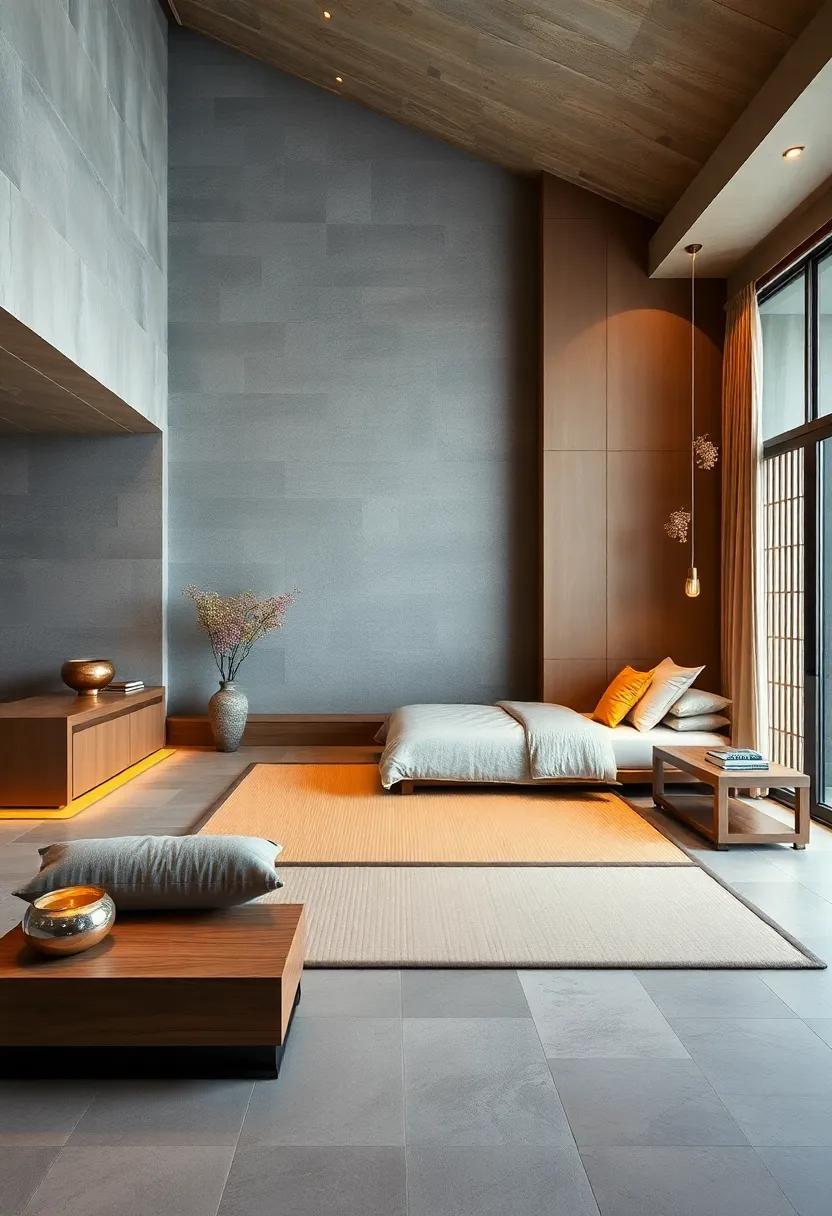
In a tatami-style bedroom, the harmony between design and practicality is evident in every element, encouraging a sense of tranquility. The floor,composed of tightly woven rice straw,is not merely an aesthetic choice but serves as an organic insulator,creating a comfortable environment year-round. With the addition of low-profile furniture, such as a shiki-buton (traditional futon) and minimalist storage options, these spaces exemplify simplicity while maintaining functionality. The careful arrangement promotes an unobtrusive flow, allowing residents to interact seamlessly with their surroundings.
The deliberate use of natural materials, including wood and paper, further enhances the soothing ambiance of tatami bedrooms. A striking balance is achieved through:
- Neutral palettes that reflect nature, fostering a calming atmosphere.
- Low ceilings that provide intimacy and warmth, making the space feel grounding.
- Natural light maximized through shoji screens, creating a dynamic interplay of shadows and illumination.
By integrating these elements, the design transcends mere aesthetics, creating a cocoon where both the mind and body can rejuvenate. The result is a living environment that resonates peace, proving that beauty lies as much in the function as in the form.
Zen Inspirations: Creating a Peaceful Retreat with Tatami Elements
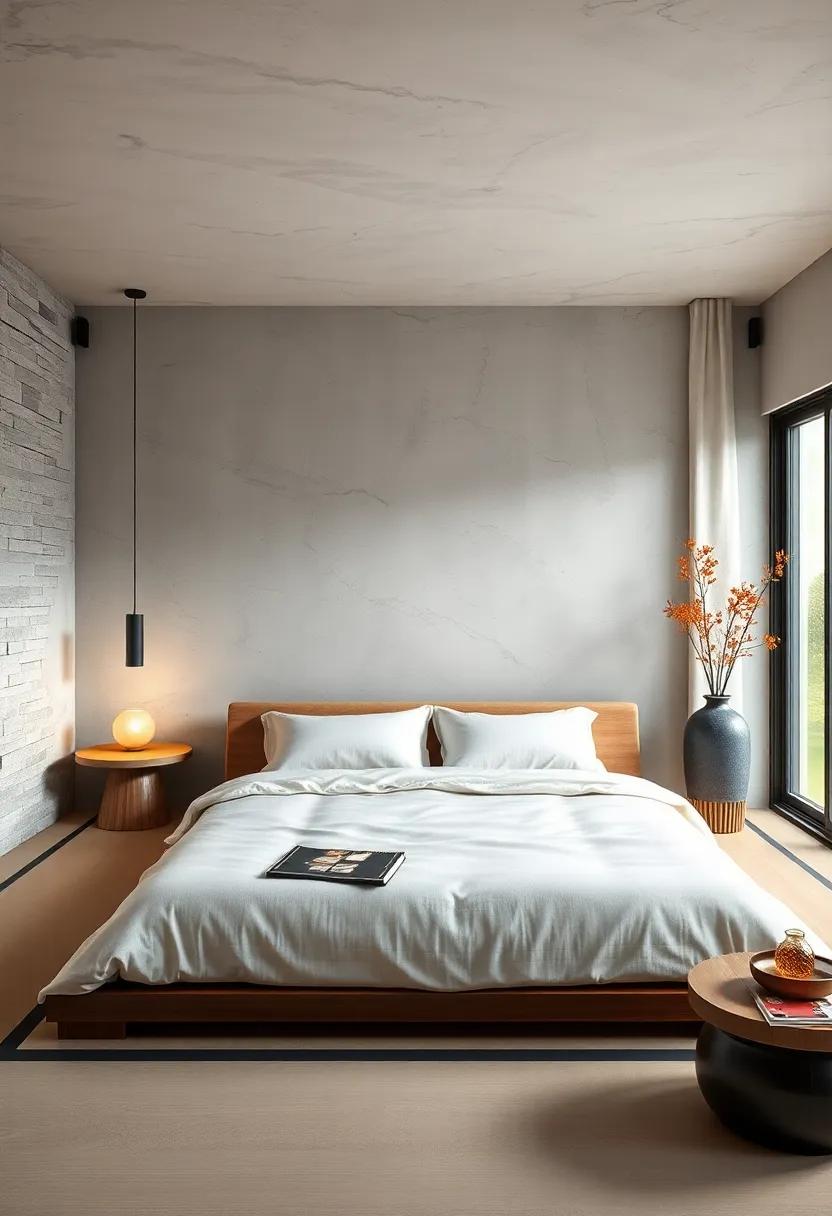
Incorporating tatami elements into your living space creates an atmosphere of tranquility and mindfulness. The natural fibers of tatami mats, traditionally made from rice straw, add a tactile warmth that enhances the overall aesthetic of any room. By utilizing these mats as a foundation, you can effortlessly transform a standard bedroom into a serene oasis. here are some key features to consider when designing your peaceful retreat:
- Natural Materials: Embrace wood, bamboo, and organic textiles to harmonize with tatami’s earthy tones.
- Minimalist Decorations: Opt for simple, uncluttered décor that encourages a sense of calm.
- Soft Lighting: Use warm, soft lighting to create a cozy ambiance during the evening hours.
- Potted Plants: Introduce greenery that purifies the air and connects you with nature.
To enhance relaxation, consider the arrangement of your tatami-style bed within the room. Positioning the bed away from the door and maximizing views of natural light fosters a peaceful vibe. When enhancing the tatami environment, simple accessories such as futons, cushions, and natural-colored linens can create layers and offer comfort without overwhelming the senses. Below is a simple guide for creating an atmosphere of tranquility:
| Element | Purpose |
|---|---|
| Tatami Mats | Foundation for comfort and natural elegance. |
| Low Furniture | Promotes a grounded, spacious feel. |
| Soft Textiles | Encourages comfort and warmth. |
| Earthy Colors | Creates a calming visual palette. |
Space Efficiency: The Smart Design of Tatami Beds in Small Bedrooms
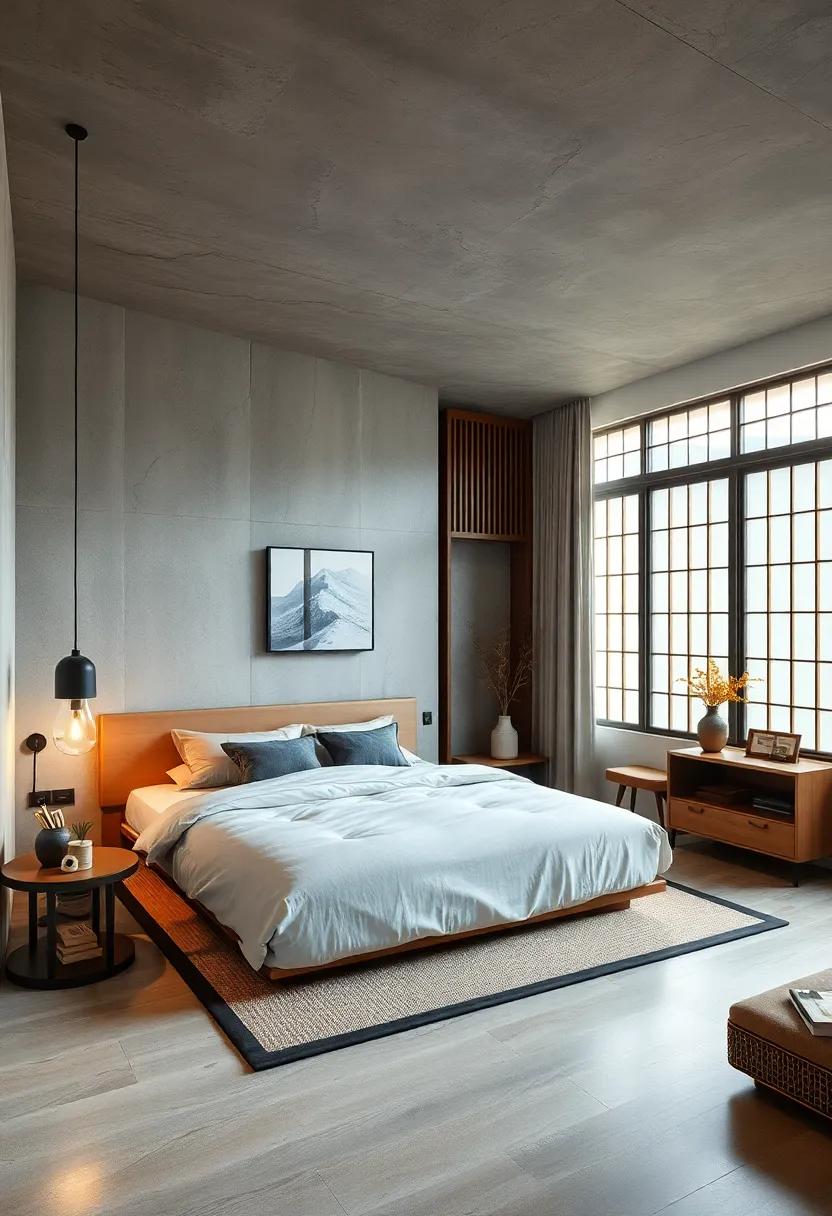
Tatami beds embody the perfect fusion of functionality and aesthetic appeal, especially for those navigating the challenges of compact living spaces. With their low profile, they offer an inviting ambiance while consuming minimal vertical space, a key feature for small bedrooms.Additionally, the integration of storage solutions under the bed allows homeowners to capitalize on every inch of their living area. Features such as foldable components and modular designs enhance their versatility, making them suitable for various room shapes and sizes. This bright use of space promotes a clutter-free environment, which is essential for maintaining the serene atmosphere characteristic of Japanese décor.
The materials commonly used in tatami bed construction further contribute to this space efficiency. Traditional designs often include natural elements, such as wood and tatami mats made from rice straw, which not only uphold a sense of cultural heritage but also promote eco-friendliness and sustainability. Accompanying these beds with multifunctional furniture, such as collapsible side tables or built-in drawers, complements the overall design.This interconnectivity between pieces ensures that each item serves more than one purpose, offering both beauty and practicality, which is the hallmark of effective small-space living.
Cultural Roots: Exploring the Heritage of Tatami-Style Beds in Japan
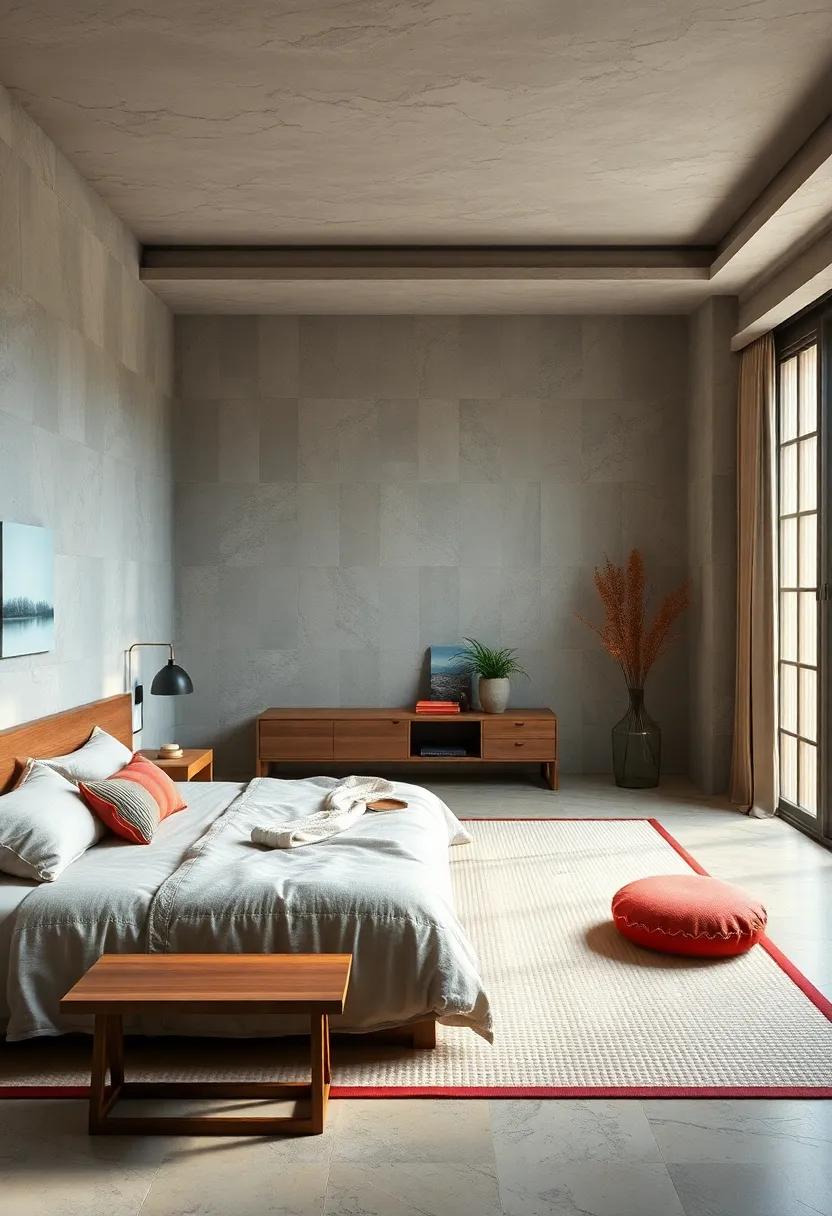
The heritage of tatami-style beds is deeply woven into the fabric of traditional Japanese culture, reflecting a lifestyle that harmonizes with nature and promotes tranquility. Originating from the 8th century, tatami mats were initially a luxury reserved for the elite, crafted from rice straw and covered with woven rush grass.Today, these mats are ubiquitous in Japanese homes, symbolizing the enduring pursuit of simplicity and balance. Tatami-style beds, known as shikibuton, are not just places to sleep but also embody a philosophy of living that encourages a connection with the earth, blending the functionality of the bed with the beauty of natural materials.
- Natural materials: Tatami beds use sustainable resources, promoting an eco-kind lifestyle.
- Space-saving design: Their low profile allows for versatile room arrangements, making them perfect for compact living.
- Comfort and support: Shikibuton offers excellent support, enhancing sleep quality and overall well-being.
- Seasonal adaptability: Easily foldable,shikibuton allows for storage during the day,freeing up space for daily activities.
Benefits of tatami-Style Beds
| Benefit | Description |
|---|---|
| Well-being | Encourages good posture and spinal alignment. |
| Air Quality | Natural materials help to regulate humidity and air flow. |
| Aesthetic Appeal | Brings a warm, minimalist aesthetic to any space. |
| Customization | versatile designs allow for personalization in decor and functionality. |
Aesthetic Versatility: Incorporating Tatami Beds into Modern Interiors
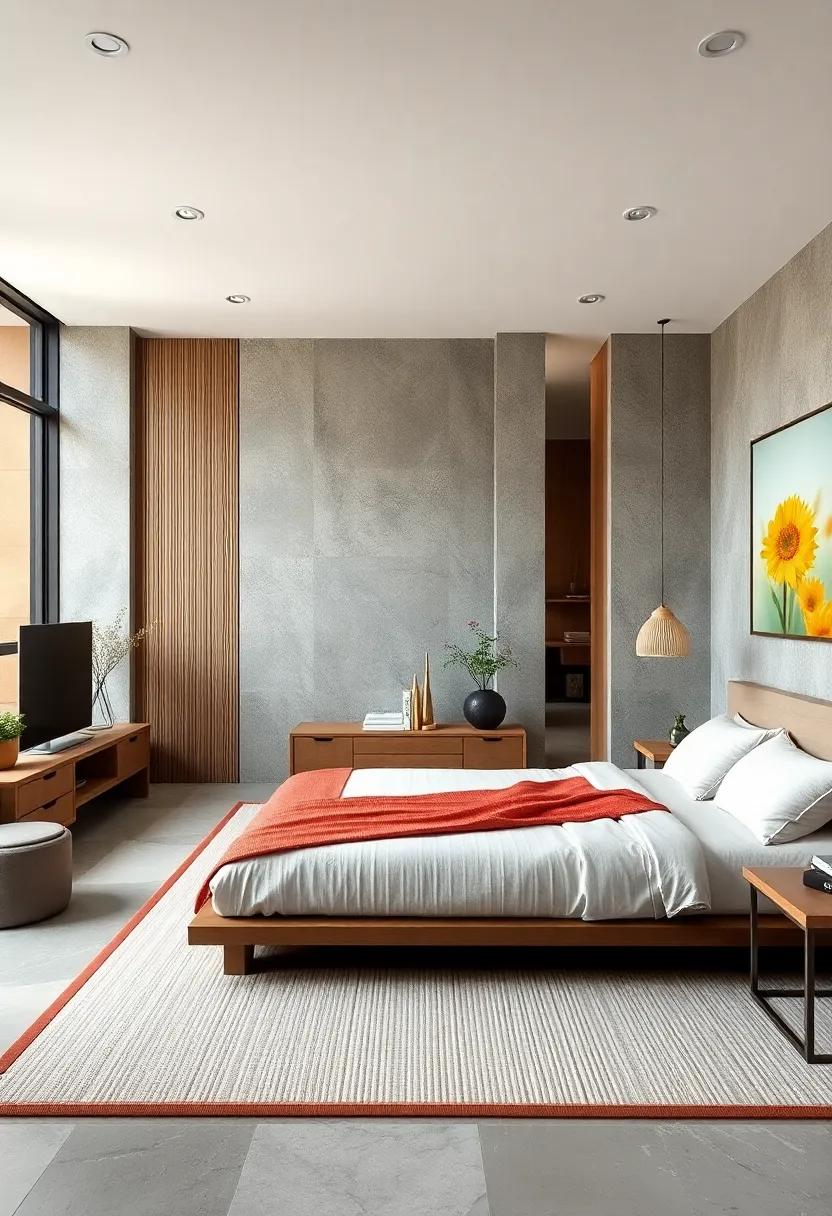
One of the most enchanting aspects of tatami beds is their inherent ability to adapt to various design aesthetics,making them a perfect fit for contemporary interiors. the simplicity of tatami beds, frequently enough structured in low profiles and adorned with natural materials like wood and straw mats, allows them to effortlessly blend into any room. Designers can complement this minimalist aesthetic with a mix of modern furnishings and textures, creating a serene yet stylish environment. Incorporating elements such as geometric decor, soft textiles, and natural light enhances the overall ambiance, encouraging a tranquil atmosphere conducive to relaxation.
The versatility of tatami beds also extends to their placement within a room. Depending on personal style and spatial considerations, these beds can be positioned in various ways:
- Centered against a feature wall: This creates a focal point, inviting harmony into the space.
- In a corner setup: Perfect for maximizing floor space, especially in smaller rooms.
- In combination with storage solutions: Platforms or built-in drawers can enhance functionality while maintaining a clean design.
Moreover, the use of warm neutral tones in bedding and decor not only enhances the tatami bed’s natural elements but also complements modern color palettes, making it a standout piece without overwhelming the space. By integrating these beds thoughtfully, homeowners can cultivate a space that embodies both style and tranquility, marrying tradition with contemporary living.
Comfort Redefined: The Unique Sleep Experience of Tatami-Style Beds
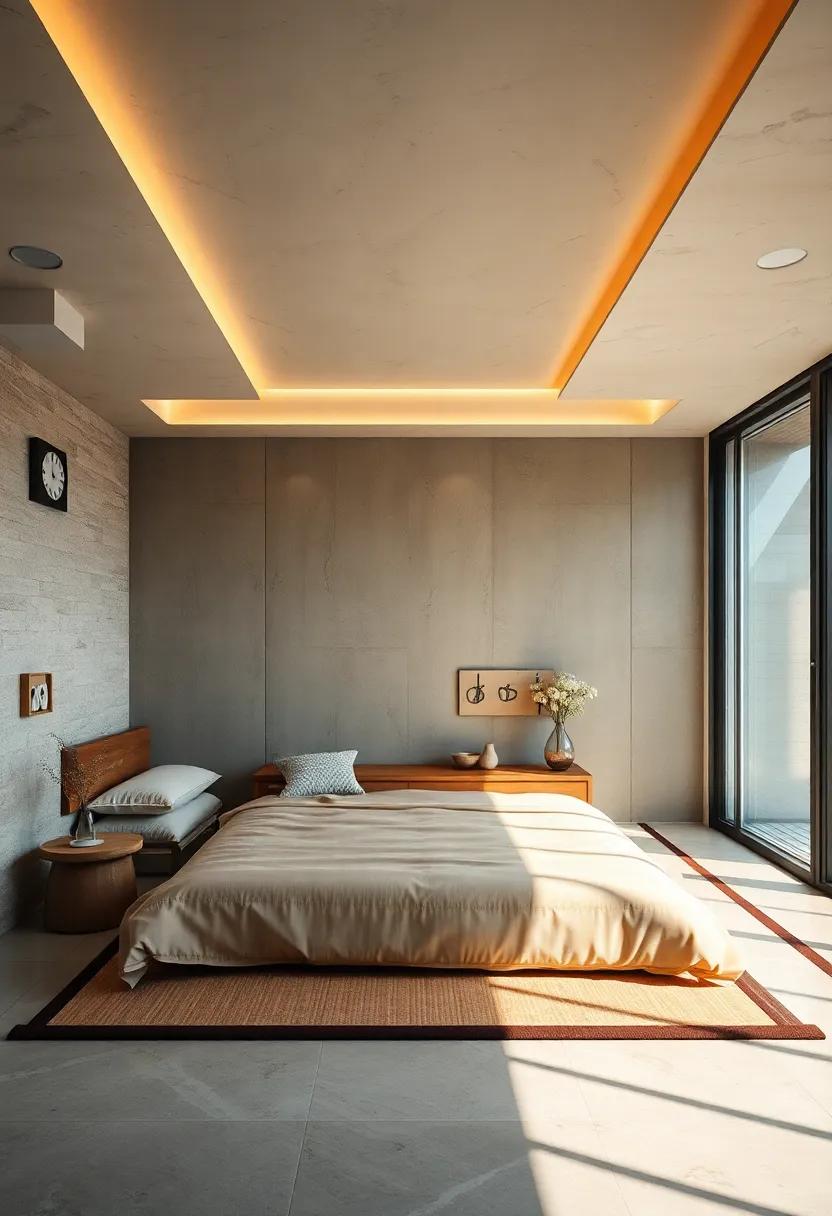
Tatami-style beds offer a remarkable fusion of form and function, creating a unique sleep experience that transcends traditional mattress designs. Made from natural materials such as rice straw and covered with woven rush grass, tatami mats not only provide a firm yet comfortable sleeping surface but also promote proper posture and spinal alignment. This minimalist approach to sleeping helps to enhance relaxation, as the natural fibers allow for better air circulation, ensuring that you remain cool and comfortable throughout the night.
Incorporating a tatami-style bed into your bedroom decor can transform your space into a serene retreat. The bed’s low profile complements the simplicity of japanese aesthetics, while its ability to blend seamlessly with various interior styles makes it a versatile choice. Consider the following benefits of tatami beds:
- Natural Materials: Crafted from biodegradable resources, enhancing sustainability.
- Enhanced Comfort: The firm surface supports a restful sleep, adaptable to your preferences.
- Space-saving: The low height allows for versatile room arrangements without bulky furniture.
To further illustrate the appeal of tatami-style beds, here’s a simple comparison between traditional Western beds and tatami beds:
| Feature | Tatami-Style Beds | Traditional Western Beds |
|---|---|---|
| Material | Natural fibers (rice straw, rush grass) | Variety (foam, springs, etc.) |
| Height | Low profile | Varies significantly |
| Design | Minimalist, versatile | Often bulky and elaborate |
| Support | Firm, promotes health | Varies (soft to hard) |
Color Palette Ideas: Enhancing bedroom Vibes with Tatami Aesthetics

Creating a soothing atmosphere in your bedroom can be beautifully achieved by embracing a careful mix of colors inspired by the essence of tatami aesthetics. To harmonize the natural elements often found in Japanese design, consider integrating a palette that includes soft earth tones, muted greens, and gentle blues. These colors can enhance serenity and promote a tranquil vibe, reminiscent of the peaceful Japanese countryside. You may find that lighter shades like cream and pale beige serve as an excellent backdrop, while accents of soft moss green or sky blue can invigorate the space without overwhelming it.
Incorporating textured fabrics and natural materials within these color schemes further enriches the ambiance. Select furnishings in subdued finishes and utilize organic textiles,such as cotton or linen,which align with the tatami tradition. To provide visual interest, consider layering pieces in complementary shades like rust, slate gray, or warm ochre. Utilize plants or wooden decor in similar tones to add depth, offering an inviting contrast against the softer hues. Below is a suggested color pairing table to inspire your decorating journey:
| Primary Color | Accent Color | Texture |
|---|---|---|
| Cream | Moss Green | Soft cotton |
| Pale Beige | Slate Gray | Woven Linen |
| Light Blue | Rust | Natural Wood |
| Warm Ochre | Charcoal | Textured Wool |
layering Textures: The Comfort of Combining Tatami with Other Materials
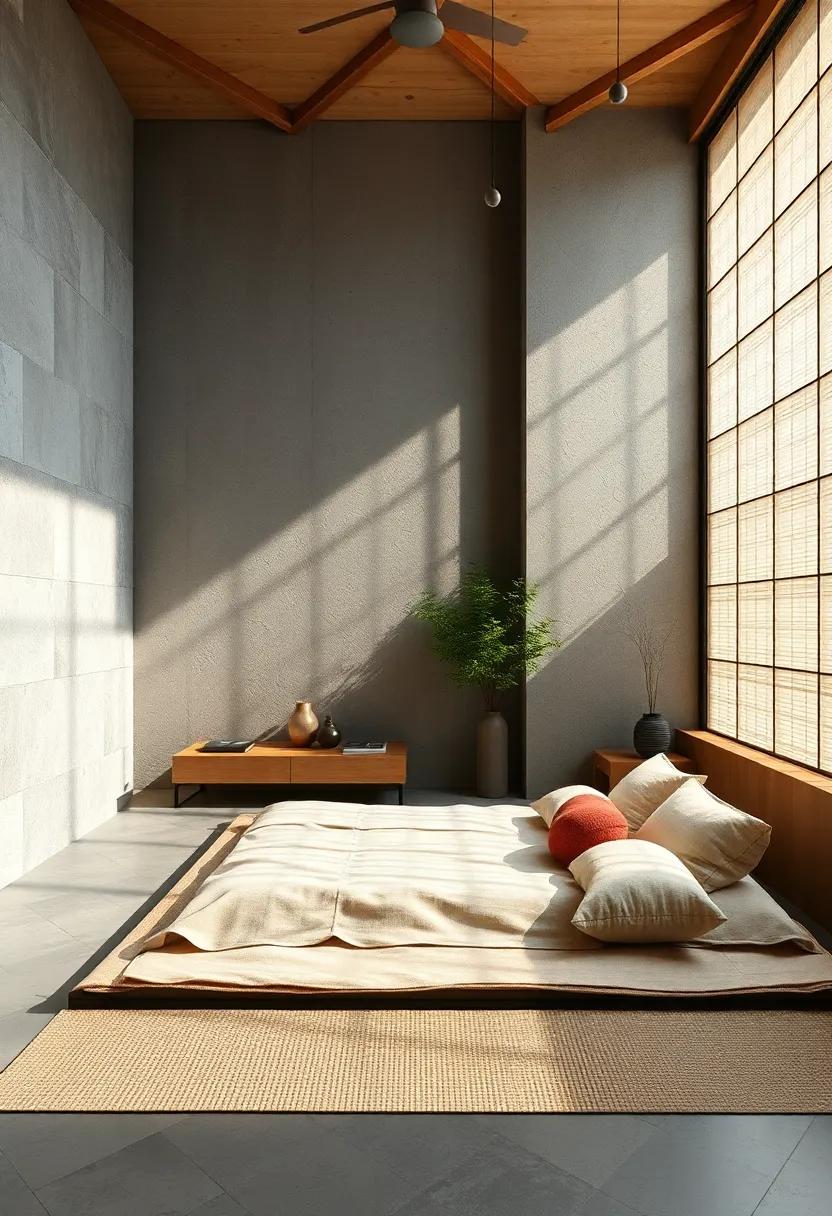
Crafting a harmonious space around your tatami bed invites a sense of tranquility and balance, allowing the unique qualities of tatami to shine. The natural warmth of the rice straw mat pairs beautifully with a variety of materials, enhancing both aesthetic appeal and comfort. Consider incorporating wood elements through furniture like dressers or bookshelves, which provide an organic touch, or introduce soft textiles such as cotton or linen bedding, to soften the overall look. Mixing in materials like ceramics or bamboo can further elevate the serenity,creating a cohesive environment anchored in simplicity.
Layering textures enriches the sensory experience of a room. Here are some delightful combinations to explore:
- Tatami + Timber: The combination of tatami and natural wood creates an inviting,rustic feel that resonates with tranquility.
- Tatami + linen: Soft linen cushions or throws add a layer of comfort and color, enhancing the tactile experience.
- Tatami + Bamboo: Introducing bamboo elements,from furniture to decor,amplifies the natural theme while being eco-friendly.
This thoughtful blending not only highlights the tatami’s rich cultural heritage but also fosters an inviting retreat perfect for relaxation.
Lighting Wonders: How illumination Enhances the Tatami Bedroom Experience
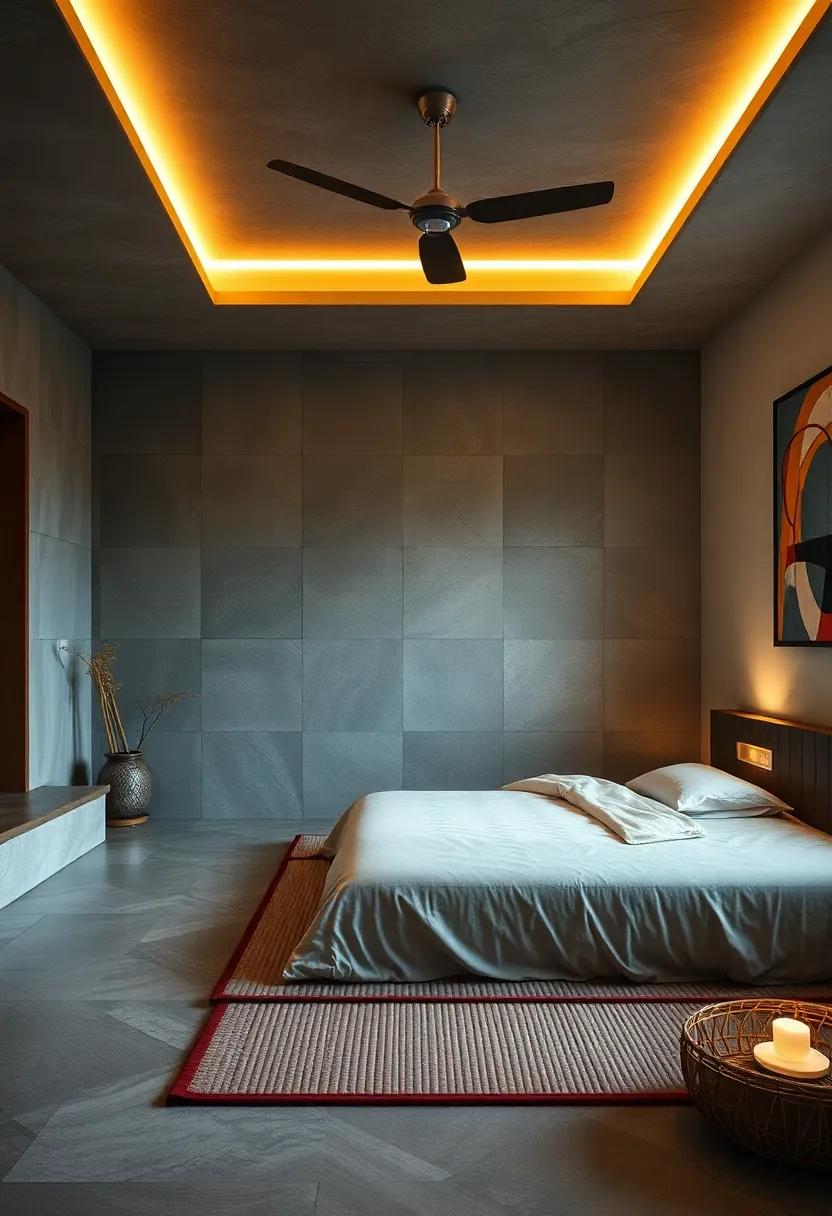
Lighting plays a pivotal role in transforming a tatami bedroom into a serene retreat, where the beauty of simplicity meets the soothing effects of ambiance. In this tranquil space, soft, diffuse lighting mimics natural sunlight, creating a gentle glow that enhances the warm tones of tatami mats and traditional wooden furnishings. Paper lanterns, rice paper shoji screens, and LED strip lights subtly integrated into the room can provide illumination without overpowering the aesthetic. This thoughtful combination not only highlights the textures of the tatami but also cultivates a peaceful atmosphere conducive to relaxation and meditation.
Incorporating various layers of lighting ensures that the space remains functional, allowing for both practicality and mood enhancement. Consider using multiple sources of light, such as:
- Task lighting: Ideal for reading or studying.
- Accent lighting: Draw attention to art or décor.
- Ambient lighting: Set the overall mood of the space.
A well-placed dimmer switch can further elevate the experience,allowing residents to adjust brightness levels based on the time of day or desired activity. by curating a harmonious interplay of light, the tatami bedroom transforms into a sanctuary that not only embodies traditional Japanese aesthetics but also promotes well-being and tranquility.
Integrative Living: Blurring Lines Between Indoor and Outdoor Spaces with Tatami
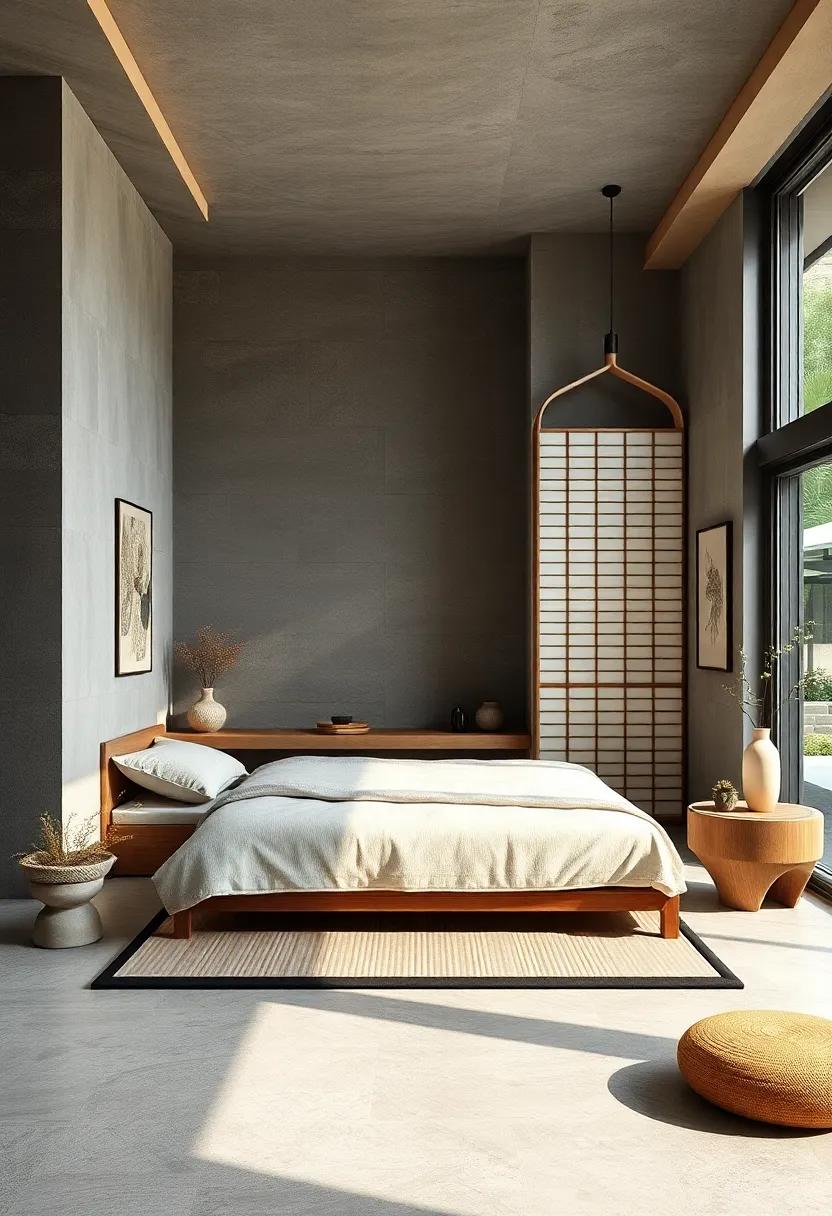
In modern design, the fluid transition between indoor and outdoor spaces has become a hallmark of harmonious living. tatami, with its natural fibers and earthy aesthetics, serves as a bridge that invites the outside in, enhancing the serenity of a peaceful retreat. Incorporating tatami mats into your living space can transform not only your bedroom but also encourage a seamless flow with nature. The rich textures and soothing tones of tatami create a calming backdrop, perfect for relaxation and mindfulness. Whether used as flooring or as part of multi-functional furniture,tatami makes for an ideal choice in environments where tranquility reigns supreme.
Creating a tatami-inspired living space involves more than just aesthetics; it fosters a lifestyle that values simplicity and connection to nature. Consider adding elements that complement the organic feel of tatami, such as:
- sliding shoji screens to replace traditional walls
- Indoor plants that enhance air quality and visual appeal
- Natural wood furnishings to maintain an earthy atmosphere
- Soft, ambient lighting to evoke a sense of calm
If you’re seeking to curate an integrative living environment, embracing tatami’s versatility can pave the way for a more holistic approach. By combining traditional principles with modern functionality, you can create spaces that are not only stylish but also imbued with a sense of peace that echoes the tranquility of Japanese gardens.
Timeless Allure: The Enduring Popularity of Tatami Beds Beyond Japan
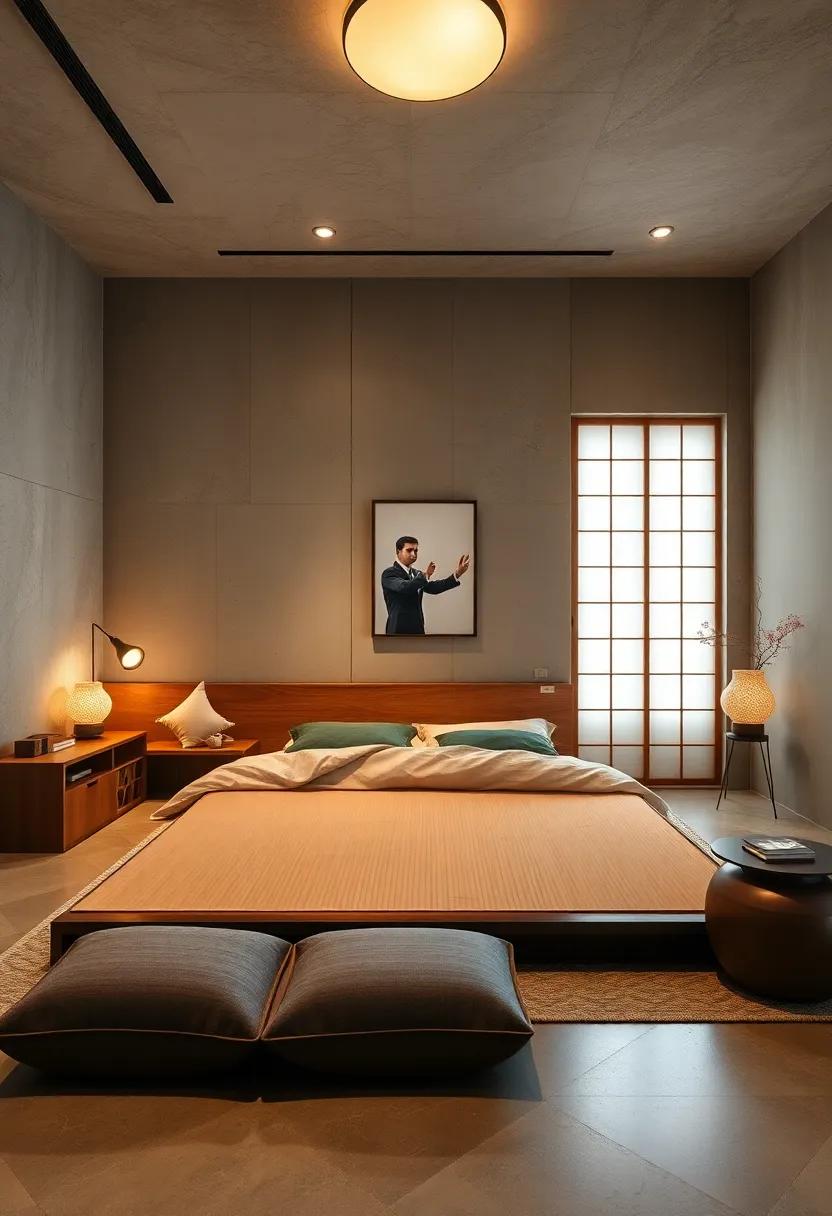
The charm of tatami beds transcends borders, captivating a global audience with their unique blend of aesthetics and functionality. Originating from traditional japanese culture, these beds are crafted from natural materials, most notably rice straw, providing a sustainable and eco-friendly sleeping option. Their low-profile design fosters a sense of grounding and tranquility, making them an appealing choice for modern bedrooms seeking serenity. As more individuals lean towards minimalist lifestyles, the influence of tatami beds has rippled outward, finding homes in various cultures. Properties of tatami beds that contribute to their lasting appeal include:
- Natural Insulation: The straw-filled mats provide warmth in winter and coolness in summer.
- Health Benefits: Tatami promotes a healthier sleep posture due to its firm support.
- Aesthetic Versatility: They can complement multiple interior styles,from contemporary to traditional.
Beyond their practical advantages, tatami beds resonate with people seeking a deeper connection to nature and mindfulness in their living spaces. In an age where stress and fast-paced lifestyles dominate, these beds symbolize a retreat into calmness and reflection. Their ability to harmonize with varied decorative elements—from simple futons to elaborate bedding—underscores the tatami bed’s versatility. Additionally, the cultural significance of simplicity and “wabi-sabi,” the beauty of imperfection, engrains these beds with a philosophical allure that encourages owners to embrace minimalism. This fusion of beauty, simplicity, and cultural heritage is why tatami beds continue to inspire a global audience.
Personalized spaces: Customizing Your Tatami Bedroom to Reflect Your Style
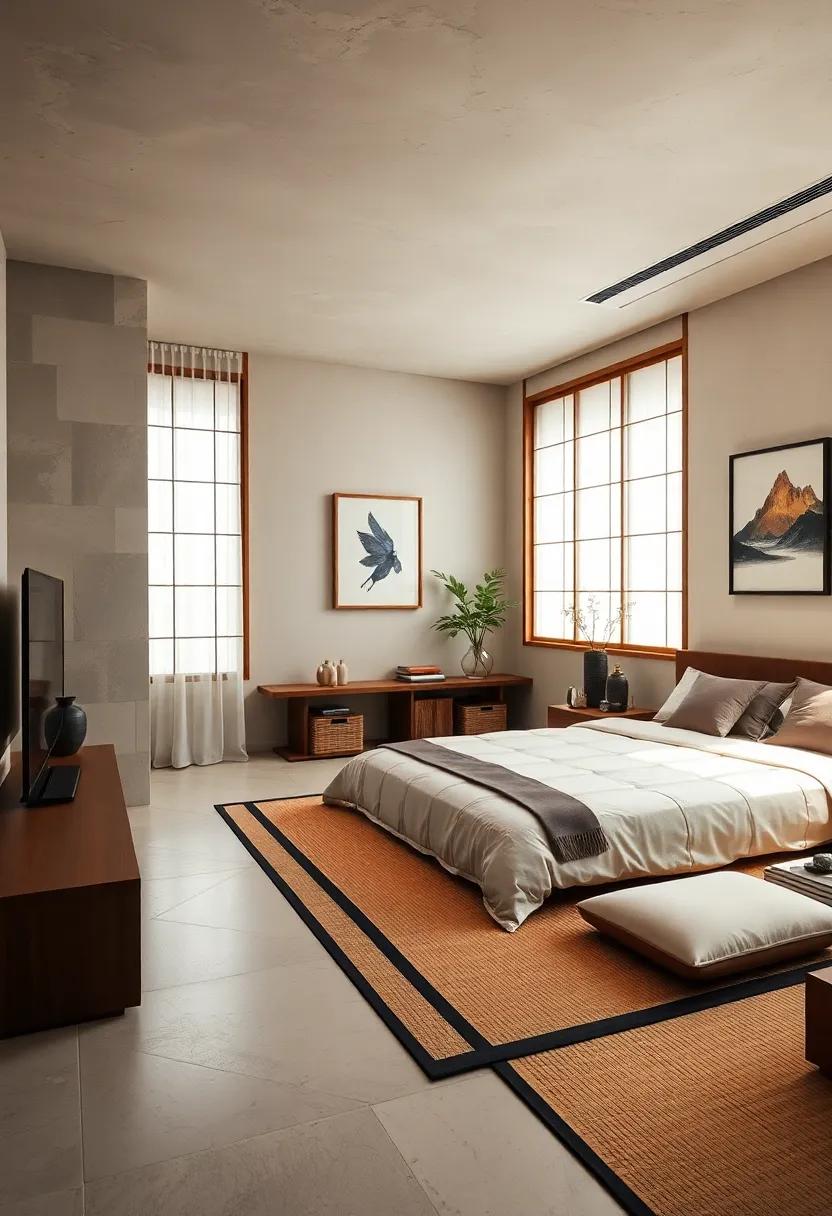
Creating a personalized tatami bedroom involves carefully selecting elements that speak to your unique taste while maintaining the serene essence of traditional design. Begin by choosing a color palette that resonates with you—soft earth tones like beige, green, or muted blues can create a calming atmosphere. Accessories such as textiles are essential; consider layering your space with handwoven cotton blankets or silk cushions that reflect your personality. Incorporating elements from nature, such as potted bonsai or bamboo plants, can enhance the room’s tranquil vibe while adding a personal touch.
Another way to customize your space is through the arrangement of furniture. Opt for minimalistic pieces that complement your tatami bed while allowing for fluid movement around the room. You might include a low wooden table and floor cushions, creating a cozy nook for reading or tea ceremonies. furthermore, consider adding personalized artwork or traditional Japanese calligraphy that resonates with your style. Here’s a simple table to inspire your design choices:
| Element | Style Ideas |
|---|---|
| Color Palette | Soft Earth Tones, Muted Greens, Calming blues |
| Textiles | Handwoven Blankets, Silk Cushions |
| Furniture | Low Wooden Table, Floor Cushions |
| Accessories | Bonsai Trees, Bamboo Plants |
| Artwork | Japanese Calligraphy, Personal Photographs |
Eco-friendly Choices: The Sustainability of Natural Materials in Tatami Beds
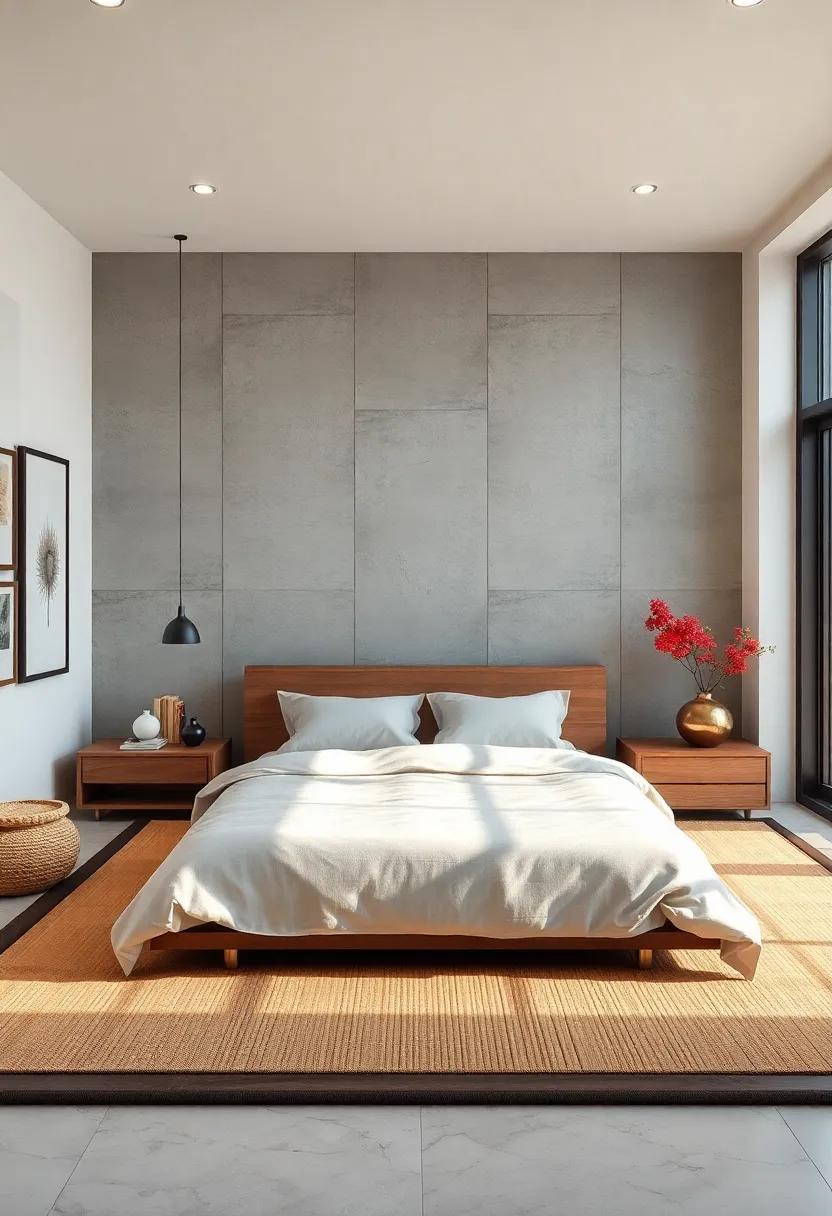
The allure of tatami beds extends beyond their aesthetic appeal; they are deeply rooted in sustainability and eco-consciousness. Crafted primarily from natural materials such as rice straw, rush grass, and wood, tatami beds not only offer comfort but also contribute to a healthier planet.Utilizing these renewable resources minimizes the environmental footprint often associated with mass-produced furniture by promoting biodiversity and reducing reliance on synthetic materials. Moreover, the longevity of properly maintained tatami beds means less waste, emphasizing a commitment to sustainable living that is integral to Japanese culture.
When considering the environmental impact of bedroom furnishings,the choice of materials becomes paramount. Natural fibers utilized in tatami beds possess breathability and moisture-wicking properties,improving indoor air quality and reducing the need for artificial air conditioning or heating.A breakdown of the benefits of these materials includes:
- Biodegradable – End-of-life disposal does not contribute to landfill overflow.
- Low Emission – Natural materials emit fewer volatile organic compounds (VOCs) compared to synthetic counterparts.
- Renewable – Resources like rice straw are abundant and regenerable.
By choosing tatami beds, consumers are not just investing in quality sleep, but also making conscientious decisions that foster ecological balance. Embracing these materials reflects a deeper respect for nature and tradition, seamlessly merging functionality with a responsible lifestyle.
Mindful Living: The Role of Tatami beds in Promoting Wellness and Calm
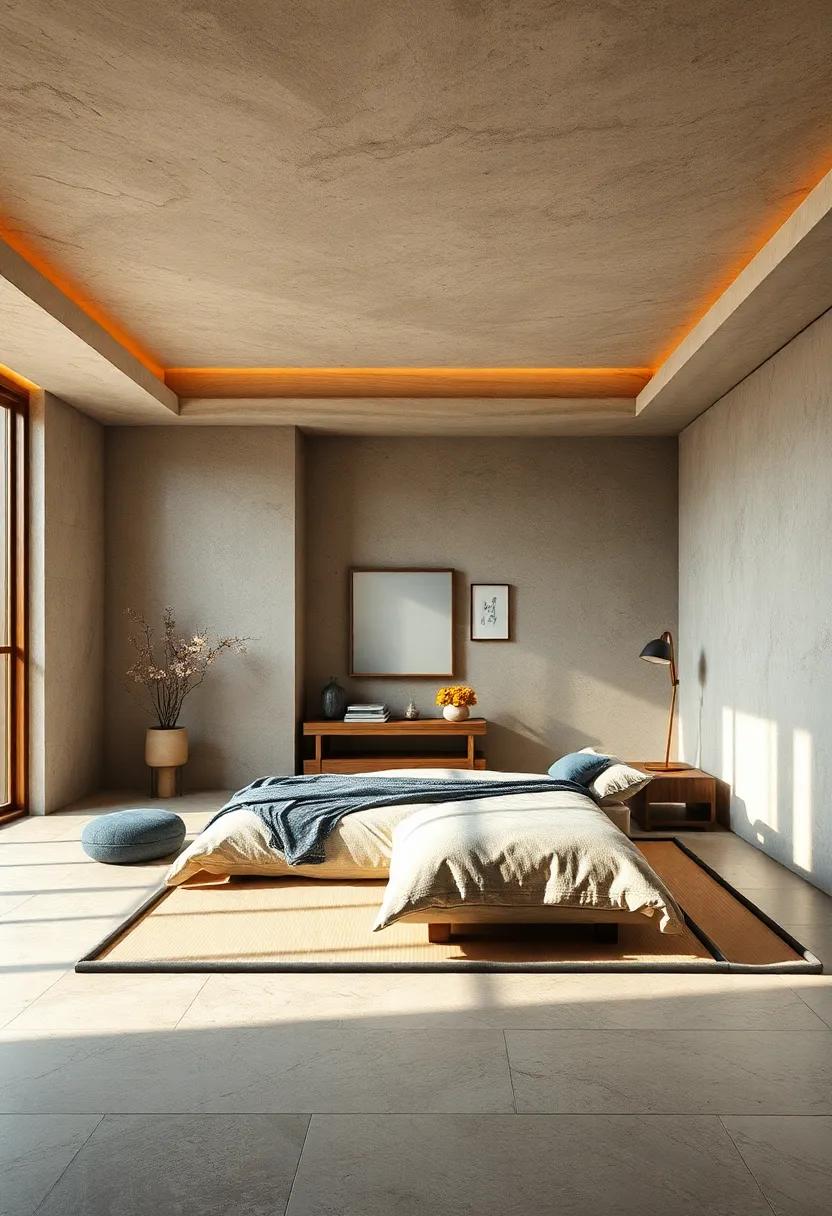
Incorporating tatami beds into your living space fosters a serene environment conducive to wellness. Crafted from natural rice straw, tatami mats offer a grounding experience, promoting physical and mental calmness. Their low-profile design aligns with traditional Japanese aesthetics, encouraging a minimalist lifestyle that reduces clutter and distraction. By embracing this simplicity, individuals can cultivate a space that nurtures mindfulness and tranquility, allowing for deeper relaxation and better sleep quality. Furthermore, the natural materials used in tatami beds contribute to improved air quality, creating a healthier atmosphere free from synthetic substances.
The therapeutic benefits of sleeping on tatami beds extend beyond just aesthetics. Consider the following advantages:
- Alignment with Nature: The organic materials and craftsmanship enhance a connection with the natural world.
- Enhanced Posture: Their firm surface promotes better spinal alignment and comfort during rest.
- Mindful Design: The low height encourages a practice of intentional movement and calm when getting in and out of bed.
- Versatile Functionality: Tatami ensembles can double as living spaces, encouraging flexibility in layout and promoting harmony.
By choosing tatami beds, you are not just selecting a place to sleep but inviting a holistic approach to daily living that prioritizes balance, wellness, and peace of mind.
japanese Aesthetics: Key Design Principles for Your Tatami bedroom
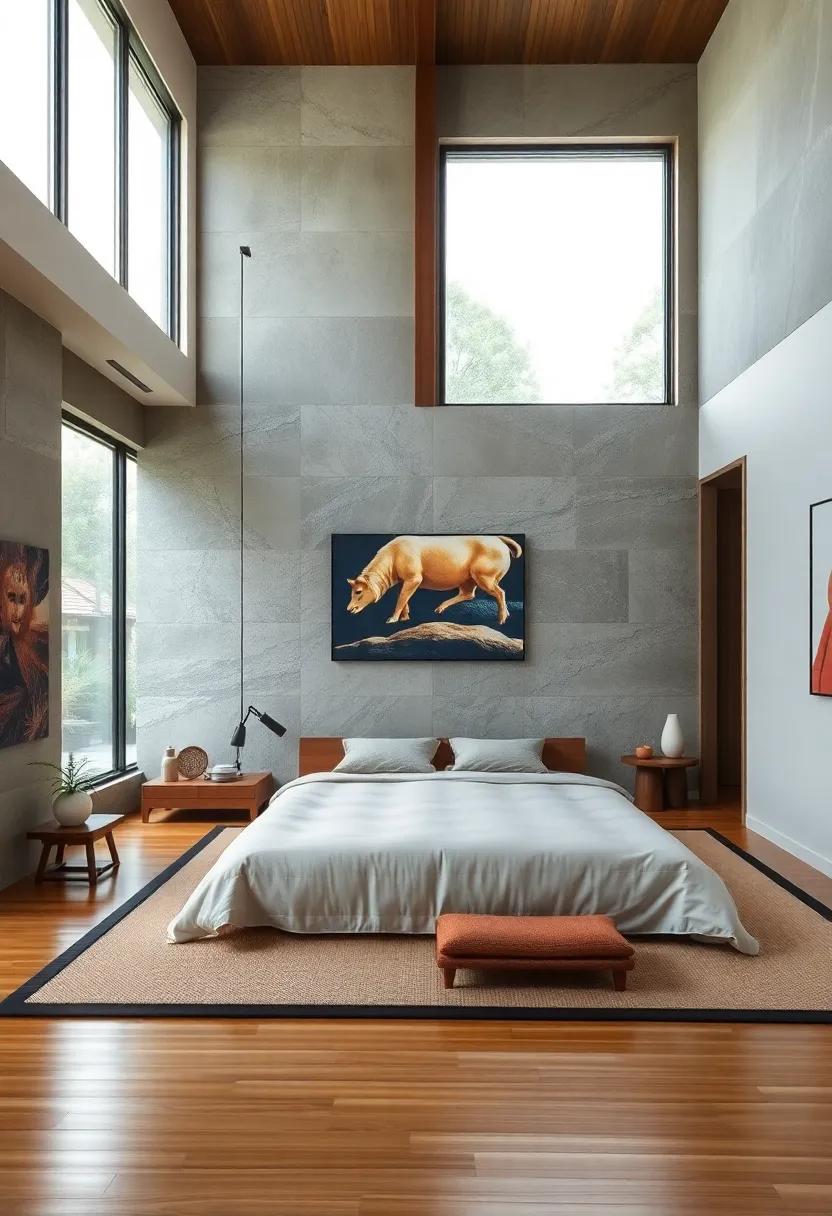
To create a serene tatami bedroom, immerse yourself in the essence of simplicity and natural materials. The flooring plays a pivotal role; choose traditional tatami mats woven from rice straw and covered with soft rush grass. This not only introduces textural warmth but also helps regulate humidity levels, enhancing the indoor atmosphere. For the bed, opt for a low-profile design that aligns with Japanese philosophy, allowing you to feel closer to the earth. Keep your bedding minimal yet inviting, with calming colors like soft beige, muted greens, and gentle blues that echo the tranquility of nature.
Incorporating elements of balance and harmony is essential in your design approach. Consider using sliding shoji screens to create flexible spaces, allowing natural light to cascade softly throughout the room. Showcase essential decor pieces, such as a single piece of art or a carefully placed bonsai tree, ensuring that every item serves a purpose. Lighting is another crucial factor; soft, ambient light can be achieved through paper lanterns or recessed ceiling fixtures that mimic the gentle glow of daybreak.In this way, each aspect of your tatami bedroom contributes to a cohesive sense of peace and quietude that embodies the heart of Japanese design principles.
Functional Beauty: Unveiling the Multi-uses of Tatami Beds in Daily Life
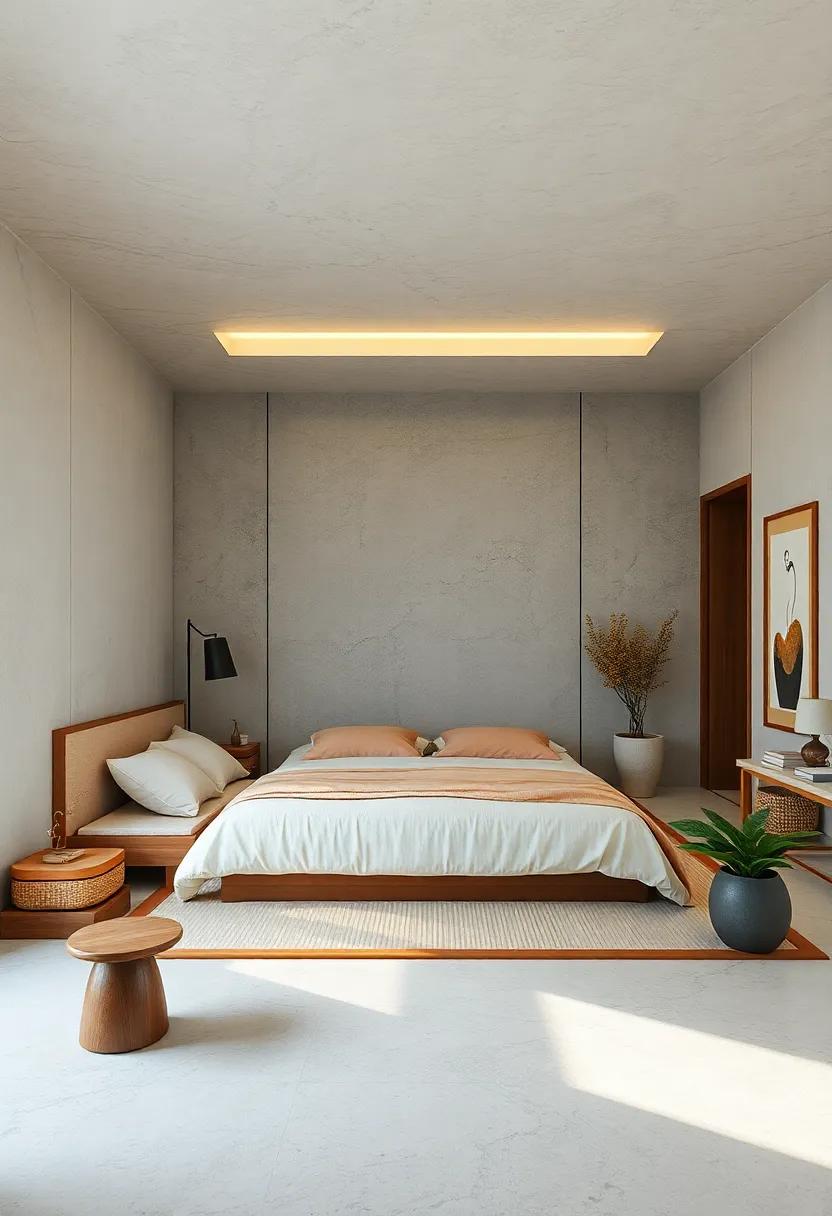
Tatami beds are more than just a place to sleep; they are a cultural embodiment of simplicity and functionality that seamlessly integrates into daily life. The design of a tatami bed promotes a lower sleeping position, which aligns with traditional Japanese living and fosters a sense of tranquility. Imagine waking up to the gentle touch of natural fibers beneath you, grounding you as you step into your day. These beds often come with adaptable features that serve multiple purposes:
- Space Saver: with a sleek profile, tatami beds efficiently utilize space, making them ideal for smaller rooms.
- Storage Solutions: Many designs include built-in drawers, allowing you to store bedding and personal items neatly out of sight.
- Airy Aesthetics: The minimalist appeal promotes an uncluttered environment, contributing to a serene atmosphere in the bedroom.
In addition to their practical uses, tatami beds are a perfect canvas for creativity. you can transform them into versatile sleeping and lounging areas by adding cushions or blankets, inviting relaxation at any time of the day. This adaptability makes them not just a piece of furniture,but a hub of comfort:
| Feature | Benefits |
|---|---|
| Material: Natural Fibers | Eco-friendly and comfortable |
| Height: Low Profile | Facilitates easy access and promotes low-impact living |
| Design: Minimalistic | Enhances calmness and aesthetic harmony in the space |
Future Outlook
As we draw the curtains on our exploration of tatami-style beds and their role in Japanese bedrooms,it becomes clear that this traditional design is far more than a mere sleeping arrangement. It embodies a philosophy of simplicity, harmony, and a deep connection with nature that resonates across generations. The tactile richness of tatami, combined with the minimalist aesthetic of low-profile beds, invites an unparalleled sense of tranquility into the home.
In a world increasingly marked by chaos and fast-paced living, embracing the serenity offered by tatami-style beds can serve as a gentle reminder of the beauty in simplicity. Whether you seek a full embrace of this cultural heritage or are simply drawn to its tranquil appeal, incorporating tatami elements into your living space can cultivate a sanctuary that soothes the spirit.
As you consider the possibilities for your own bedroom retreat, remember that this design is not just about aesthetics—it’s an invitation to pause, reflect, and reconnect with the essence of restful living.May your journey toward serenity be as timeless and enriching as the tatami itself.
As an Amazon Associate I earn from qualifying purchases.