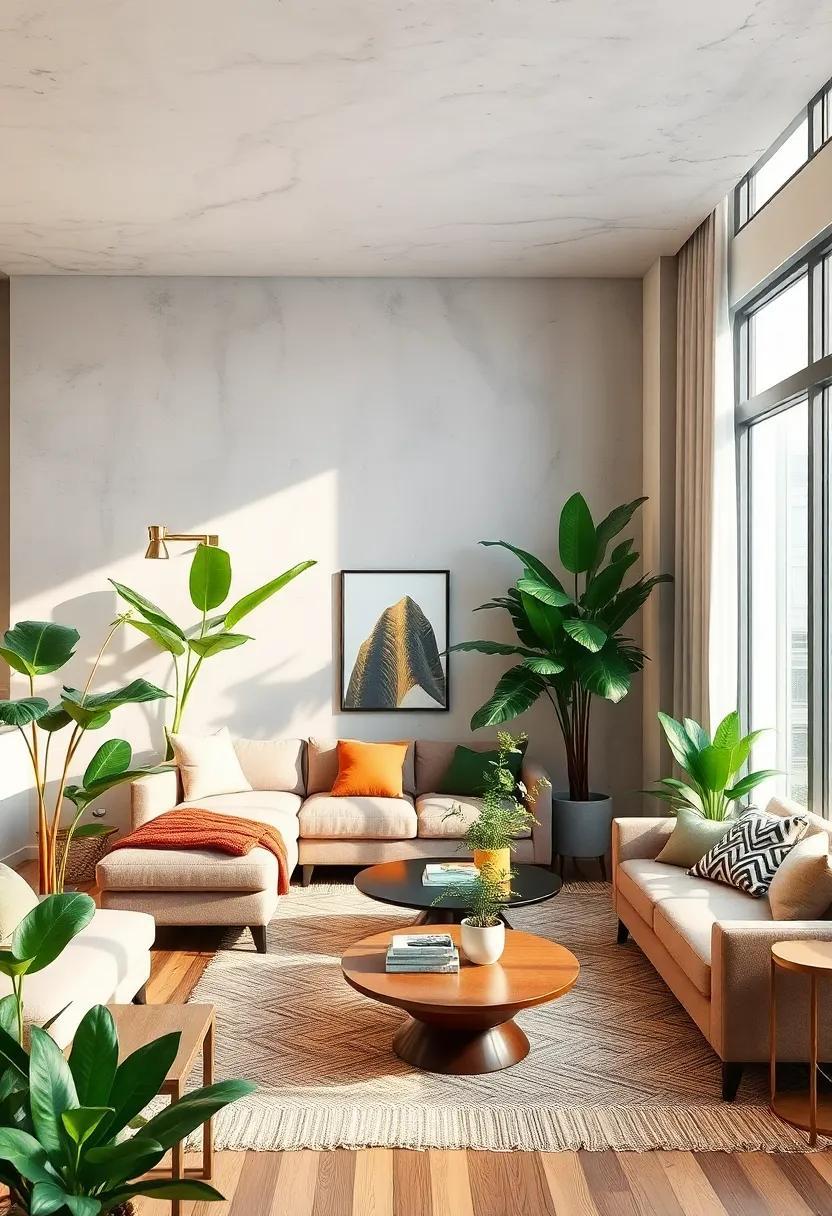
In the heart of bustling cities,where concrete jungles often dominate the skyline,the yearning for nature remains a persistent human instinct. Having a lush outdoor space may seem like a luxury reserved for homeowners, but city dwellers have discovered a vibrant alternative: transforming their apartment living rooms into inviting green sanctuaries. Embracing nature within the confines of your apartment not only revitalizes your space but also fosters a sense of well-being and tranquility. In this article, we’ll explore the myriad ways to incorporate verdant plants into your living room decor, creating a harmonious balance between urban living and the natural world. Weather you’re a seasoned plant parent or just beginning to dip your toes into the world of indoor gardening,these tips will inspire you to cultivate a thriving oasis in your own home.
Embracing vibrant greenery to elevate your apartment’s aesthetics and wellness
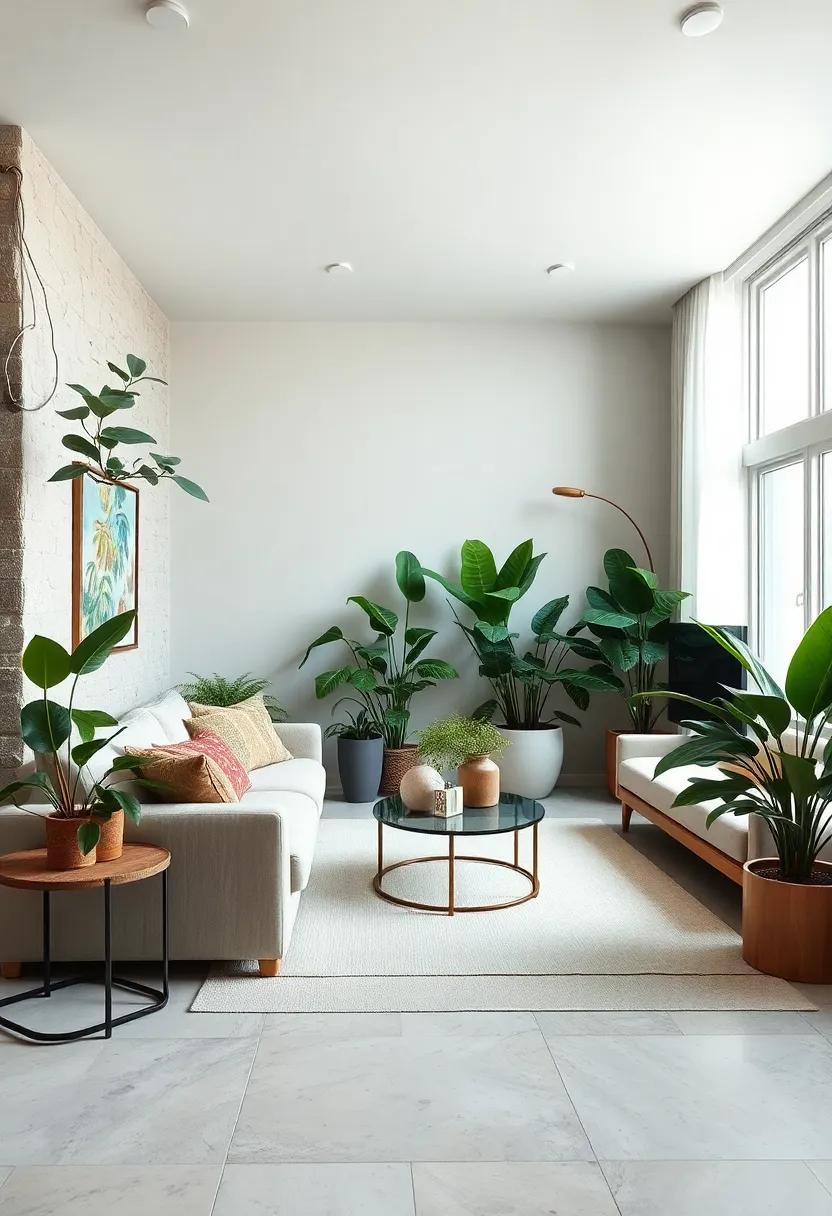
Infusing your apartment with greenery not only enhances visual appeal but also promotes a sense of tranquility and wellness. By selecting a variety of plants, you can create a dynamic visual story that transforms your living room into a serene oasis. Consider incorporating elements such as:
- Foliage Variety: Mix different leaf shapes and sizes for a layered look.
- Height Variation: Use floor plants alongside shelf plants to add depth.
- Color Contrast: Choose plants with diverse tones to create striking visuals.
Additionally,the placement of your indoor plants can drastically effect the atmosphere of your space. Strategically positioning greenery near windows or in natural light can enhance their vibrant character while improving air quality. Consider creating a dedicated plant corner with a mix of tall and trailing plants, or hang planters from the ceiling for a more whimsical feel. Here’s a simple guide to some popular indoor plants that thrive in apartments:
| Plant | Light Requirements | Care Level |
|---|---|---|
| Pothos | Low to Luminous Indirect Light | Low |
| Snake Plant | Low to Bright Indirect Light | very Low |
| Peace Lily | Low to Moderate Light | Medium |
Creating a Cozy Jungle Vibe in Your Living Room with Diverse Plant Selections
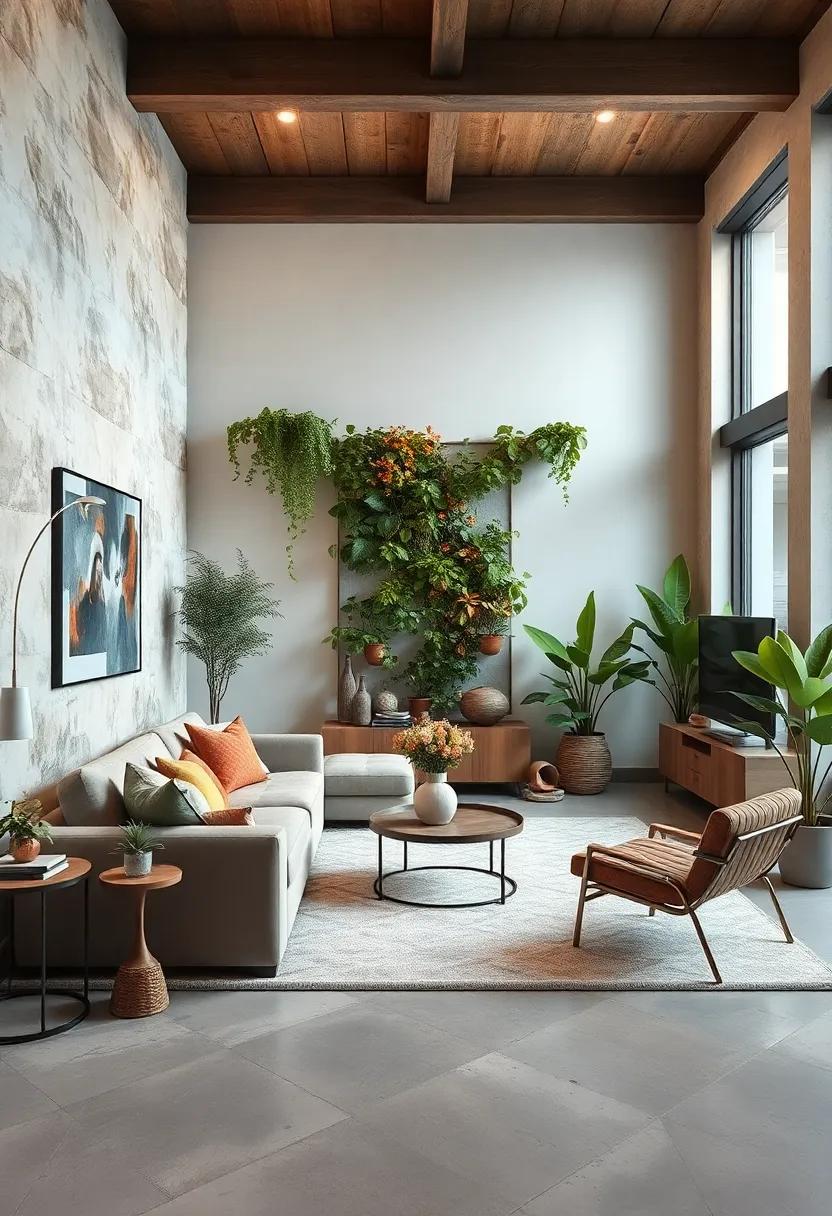
To cultivate an inviting jungle atmosphere in your living room, choose an array of plants that complement each other while adding depth and character to the space. Focus on foliage variety—opt for plants with different leaf shapes and sizes. Consider these selections for a lush aesthetic:
- Monstera Deliciosa - Its iconic split leaves add a striking focal point.
- Fiddle Leaf Fig – A tall, sculptural option that draws the eye upward.
- Pothos – Versatile and hardy, perfect for draping over shelves.
- ZZ Plant – A low-maintenance choice with glossy leaves that shine.
- Snake Plant – Offers architectural lines and purifies the air.
Incorporating plant stands and hanging planters can create visual interest and maximize your space. Mix heights and textures by placing larger plants on the floor and smaller varieties on tabletop surfaces. Here’s a simple guide to pairing plants with light preferences to ensure their wellbeing:
| plant | Light Requirement |
|---|---|
| Monstera Deliciosa | Indirect sunlight |
| Fiddle Leaf Fig | Bright, filtered light |
| Pothos | Low to bright indirect light |
| ZZ Plant | Low light |
| Snake Plant | low to bright indirect light |
Choosing the Right Plants for Low Light Spaces to Enhance Your Home Environment
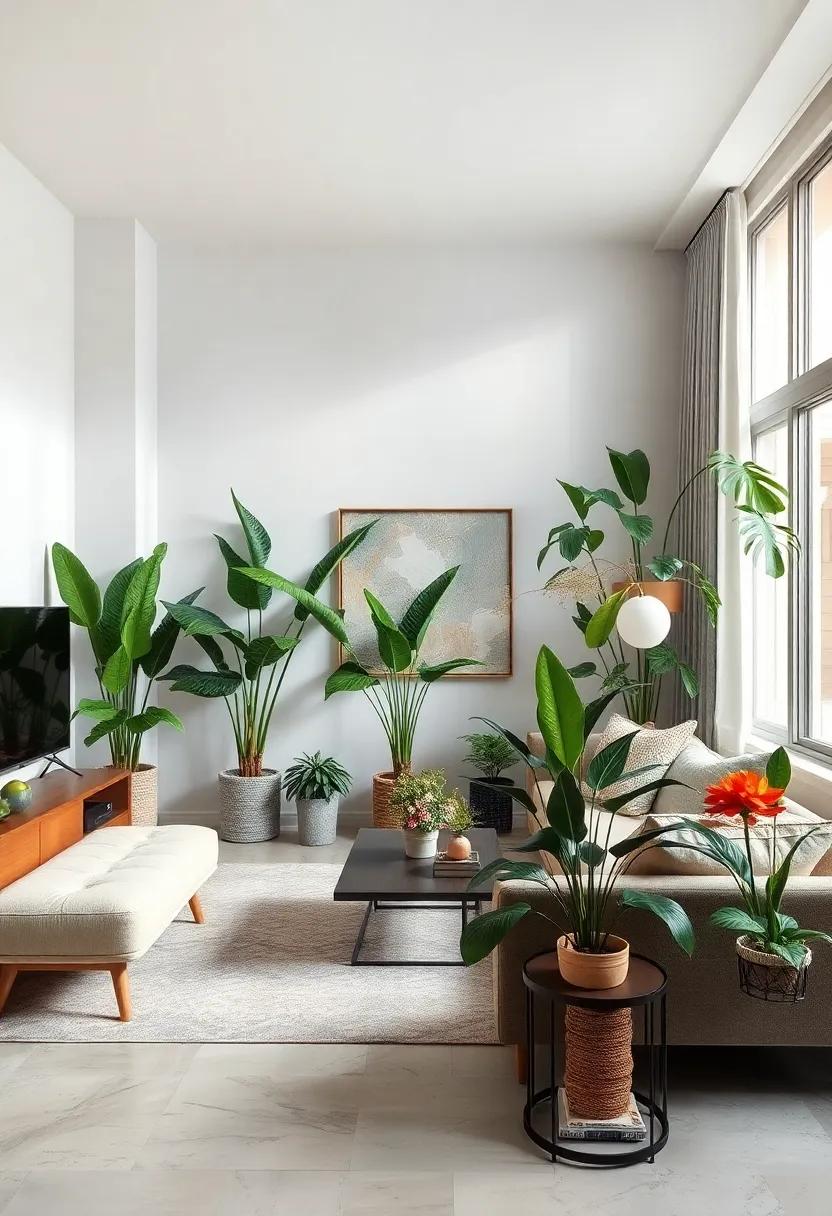
When selecting plants for areas with limited natural light, it’s essential to focus on species that thrive in low light conditions.Some remarkable options include snake plants, which are not only resilient but also enhance air quality, and ZZ plants, renowned for their glossy leaves and ability to survive in adverse conditions. Consider adding pothos to the mix; its cascading vines provide a lush appearance while requiring minimal sunlight. Other suitable choices are peace lilies, celebrated for their white blooms, and cast iron plants, which can endure neglect without compromise.
To create a harmonious environment, arranging these plants thoughtfully can make a significant impact. Here are some effective tips for showcasing your green companions:
- Layering: Group plants of varying heights for visual interest.
- Placement: Position them near windows or on shelves to maximize exposure to indirect light.
- Spacing: Ensure adequate space between plants to promote airflow and prevent mold.
Consider using decorative pots or stylish plant stands to elevate their aesthetic appeal,turning your living space into a serene indoor oasis.
Incorporating Vertical Gardens to Maximize Space and Add Dimension to Your Walls
Vertical gardens stand as a brilliant solution for urban dwellers looking to infuse their living spaces with greenery while conserving precious floor space. The beauty of these garden walls lies not only in their aesthetic appeal but also in their ability to create a stunning focal point in any room. Consider hanging planters that can be arranged in layers, allowing you to cultivate a variety of plants from ferns to succulents. This approach not only adds depth and height to your walls but also encourages a more immersive connection with nature.
To ensure your vertical garden thrives, selecting the right plants and system is essential. Here are key considerations for creating a successful wall of greenery:
- Light Requirements: Choose plants that match the available light in your space, from low-light options like pothos to sun-loving herbs.
- Watering System: Implement a drip irrigation system or self-watering planters to simplify maintenance and keep plants hydrated.
- Material and Structure: Utilize lightweight materials such as felt, wood, or metal grids to support your vegetation while maintaining visual appeal.
By thoughtfully incorporating these gardens, you not only maximize wall space but also contribute to better air quality and overall well-being.Here’s a swift comparison of suitable plants for vertical gardens:
| Plant Type | Light Requirements | Maintenance Level |
|---|---|---|
| Pothos | Low to Moderate | Low |
| Spider Plant | Moderate | Low |
| Succulents | High | Low |
| Fern | Low to Moderate | Moderate |
| Herbs (e.g., Basil) | High | Moderate |
creative Plant Arrangements for a Captivating Focal point in Your Living Room
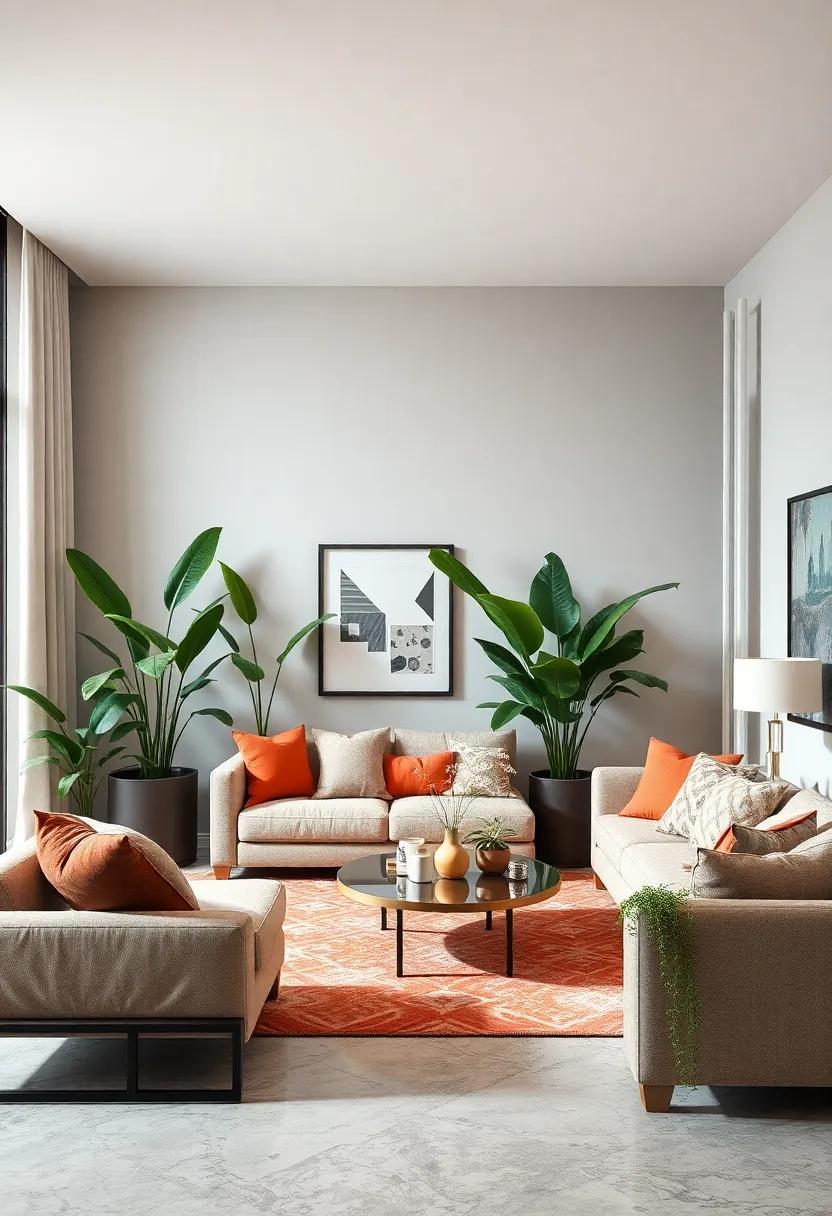
Transform your living room into a verdant oasis by incorporating creative plant arrangements that draw the eye and enhance your interior design. Consider clustering plants of varying heights and textures to create a dynamic arrangement. For instance, place a tall fiddle leaf fig or a rubber plant in one corner, while smaller varieties like pothos or succulents can fill nearby shelves or tables. This combination allows for a lovely layered effect,creating visual interest without overwhelming the space.Using decorative pots in complementary colors can further enhance the overall aesthetic.
Another captivating approach is the hanging garden. Install macramé plant hangers or wall-mounted shelves for trailing plants like string of pearls and English ivy. This not only saves floor space but also draws the eye upward, making the room feel larger and more inviting. To add an artistic touch, consider placing a microgreen planter or a terrarium on the coffee table or a side table, where guests can admire the intricate arrangement. These elements can serve as conversation starters while breathing life into your living room.
Blending Plant Textures and Colors for a Harmonious and Inviting Atmosphere
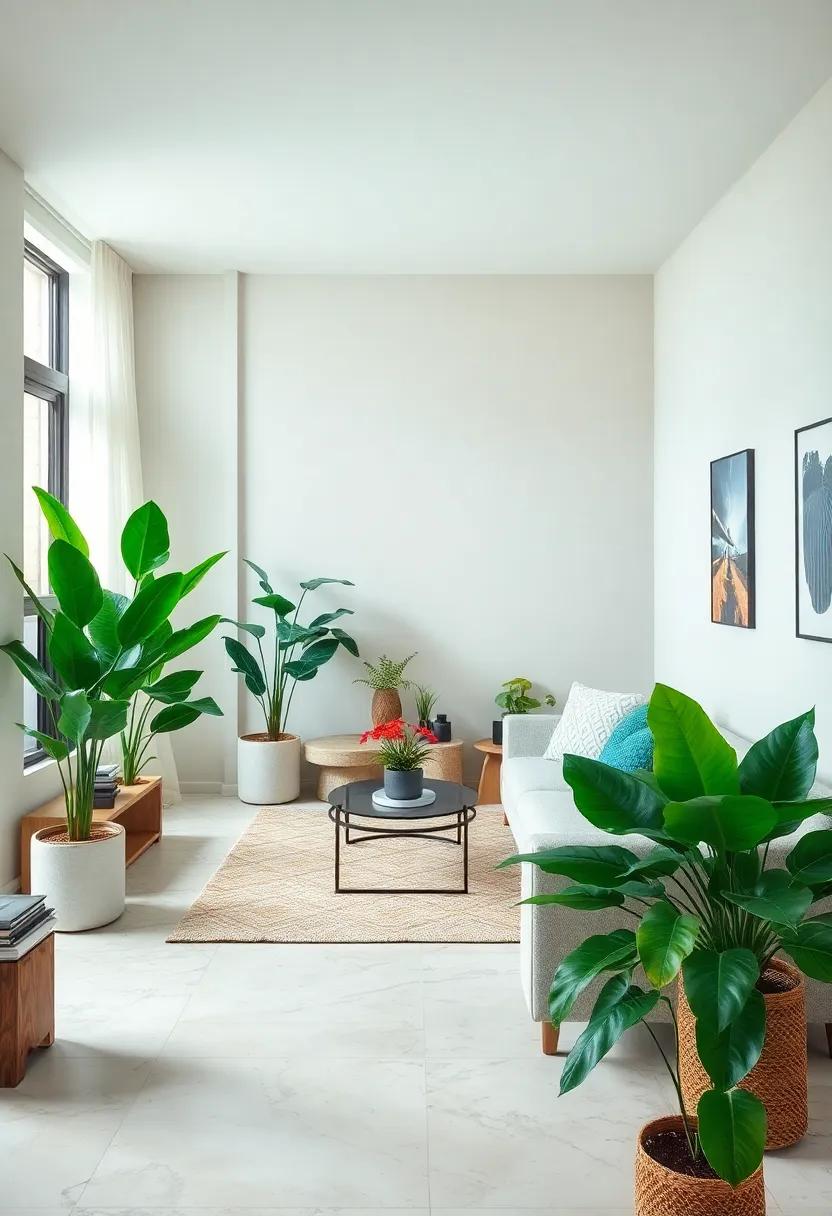
To create a welcoming sanctuary in your apartment living room, consider the diverse textures and vibrant colors plants bring to your space. Combining plants with different foliage types, such as the smooth leaves of a snake plant and the fluffy fronds of a fern, can cultivate a sense of depth and interest. pairing greens with shades of deep burgundy or bright yellow from flowering plants like peace lilies or pothos enhances the overall aesthetic.When arranging your plants, aim for a mix of heights and shapes; tall plants can create a striking backdrop while low-lying species can fill in gaps and soften edges.
To achieve balance and cohesion, think about coordinating your plant selections with your existing decor. Create a cohesive palette by introducing elements that echo the colors found in your furniture or wall art. Use planters and pots to add an extra layer of texture; for example, matte ceramics can contrast beautifully with glossy leaves, while woven baskets bring a warm, organic touch.Here’s a quick guide to help you pair plants with colors:
| Color | Plant Type | Suggested Location |
|---|---|---|
| Green | Fiddle Leaf Fig | Corner Space |
| Yellow | Pothos | tabletop |
| Red | Bromeliad | Shelf or Window |
Utilizing Terrariums as Decorative Elements to Showcase Your Botanical Skills
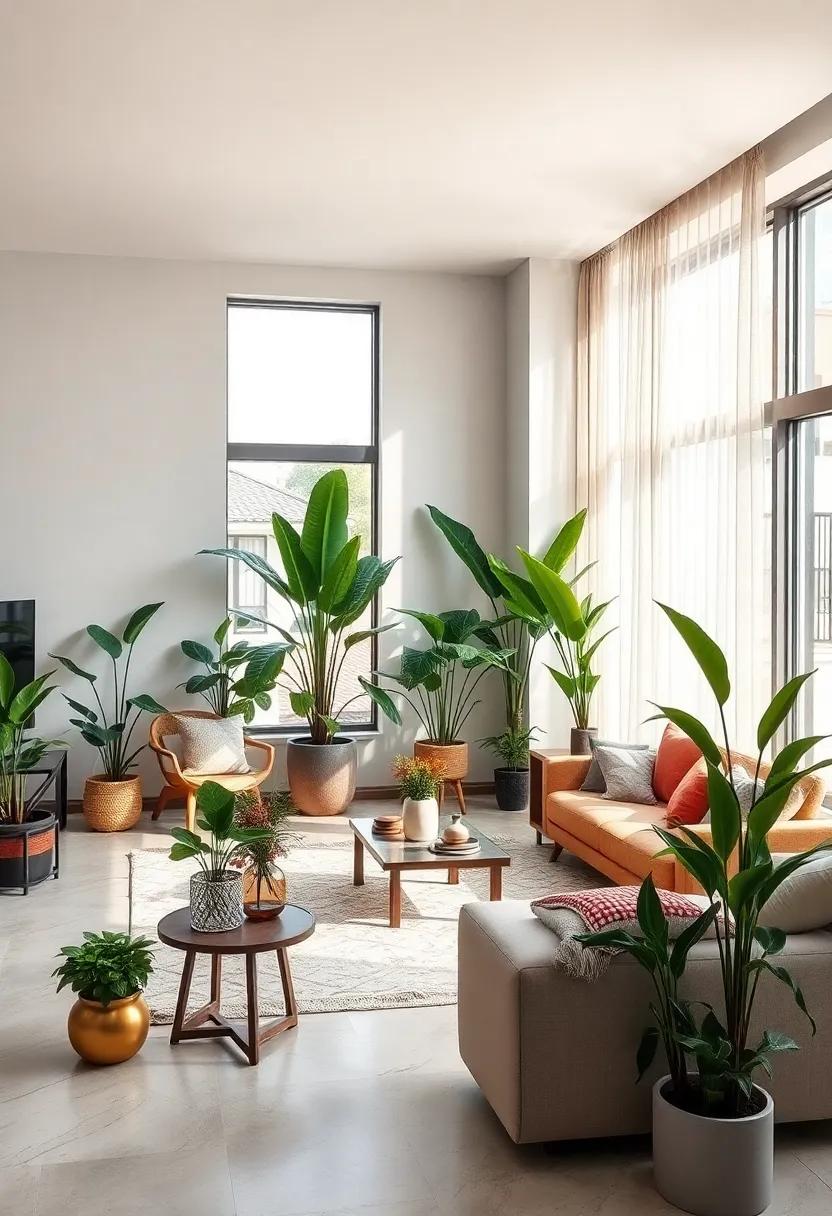
Terrariums serve as exquisite miniature ecosystems that can enhance your living room decor while showcasing your botanical expertise. By strategically arranging various plants within a glass container, you can create a stunning focal point that draws the eye and adds depth to your space. To make the most of your terrarium, consider these essential elements:
- Layering: Incorporate layers of soil and stones to mimic natural environments.
- Plant Selection: Choose a mix of textures and colors by combining ferns, succulents, and mosses.
- Lighting: Place your terrarium in a spot where it can receive indirect sunlight for optimal growth.
To elevate the aesthetic appeal of your terrarium,consider using unique containers,such as hanging glass or repurposed jars,that reflect your personal style.Moreover, incorporating decorative elements like stones, shells, or fairy lights can enhance the visual interest. Here’s a quick reference table to help you decide on the best plant types for different terrarium styles:
| Terrarium Style | Ideal Plants |
|---|---|
| Closed Terrarium | Ferns,moss,Fittonia |
| Open Terrarium | Succulents,Cacti,Air Plants |
| Desert Style | Cacti,Sand,Pebbles |
Integrating Nature-Inspired Decor to Complement and enhance Plant Life
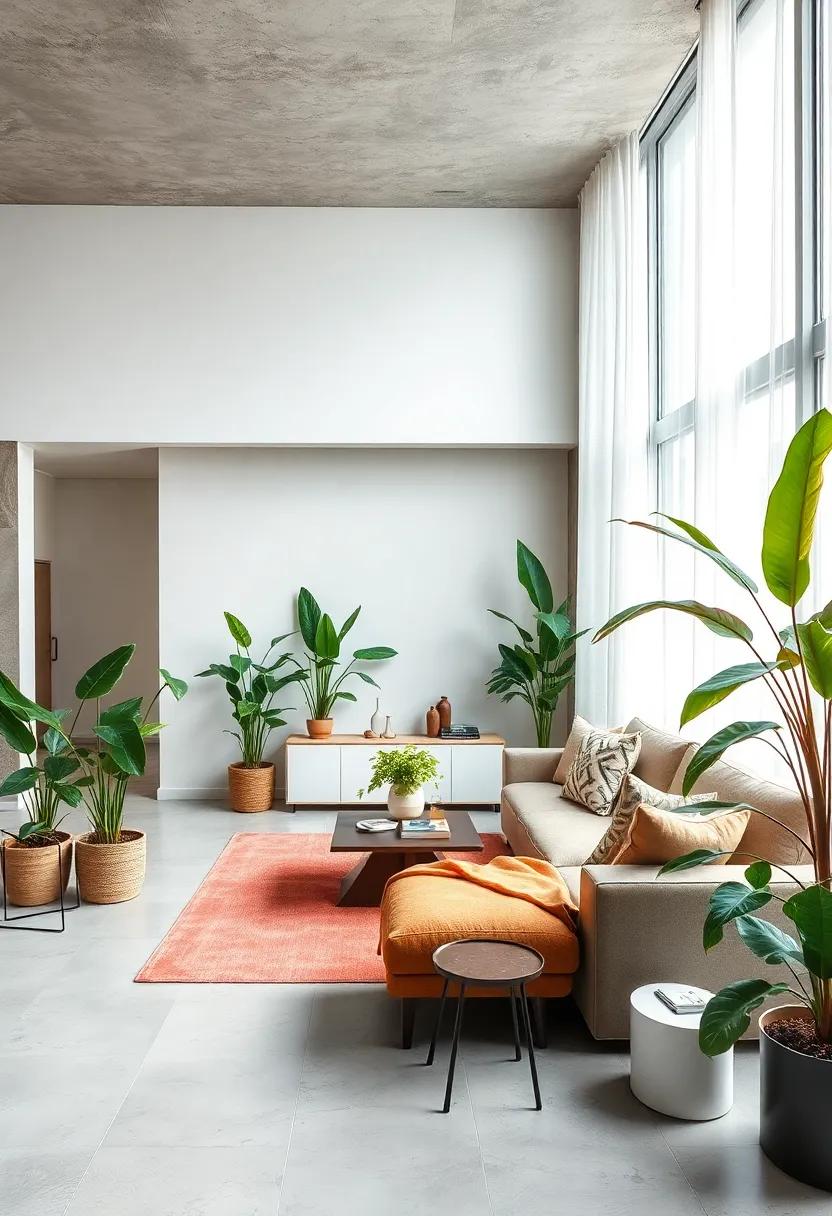
To cultivate a harmonious environment that uplifts both your living space and the greenery within it, consider incorporating nature-inspired decor elements that seamlessly blend with your plants. Opt for materials like natural wood, stone, and bamboo to create a grounding effect.Items such as floating wooden shelves can serve as perfect platforms for showcasing smaller potted plants, while large, artistic stone sculptures could frame your larger greens, adding texture and dimension to the room.Colors inspired by nature, like earthy greens, soft browns, and muted blues, can also provide a soothing backdrop for your plant collection.
In addition to aesthetic choices, focus on functional decor that enhances the well-being of your plants. Consider versatile planters that allow for drainage while matching your interior theme. hanging planters made from organic materials not only save floor space but also draw the eye upward, creating a sense of openness. To further accentuate your plant life, utilize LED grow lights disguised as modern fixtures or wall sconces. These will not only provide the necessary light for your flora but also contribute to the overall design by adding a unique,contemporary feel. Here are a few decor ideas to consider:
- macramé Plant Hangers: Add texture and style while saving shelf space.
- Terrariums: Create small, self-sustaining ecosystems that serve as stunning centerpieces.
- Nature-Inspired Art: Display artwork featuring botanical themes to tie the decor together.
Creating a Relaxing Retreat with Plants That Promote Calmness and Serenity
Transforming your living room into a sanctuary of serenity begins with the right selection of plants. Incorporating greenery not only enhances the aesthetic of your space but also fosters a calming atmosphere. Consider adding plants such as Peace Lilies,known for their air-purifying properties,or Lavender,which is often associated with relaxation and stress relief. The sound of leaves rustling and the sight of vibrant foliage can create a connection to nature that promotes deep tranquility.
When designing your retreat, think about placement and grouping. Arrange your plants in ways that invite connection and peace. Some suggestions include:
- Cluster plants at varying heights for visual interest.
- Utilize soft, warm lighting to enhance their natural beauty.
- Create a devoted plant corner with a cozy chair for quiet reflection.
To further personalize your space, consider adding elements like decorative pots or a small indoor water feature, enriching the sensory experience. Use soft textiles and natural materials to complement the calming green tones and encourage a serene ambiance.
Exploring Unique Plant Holder Ideas to Reflect Your Personal style
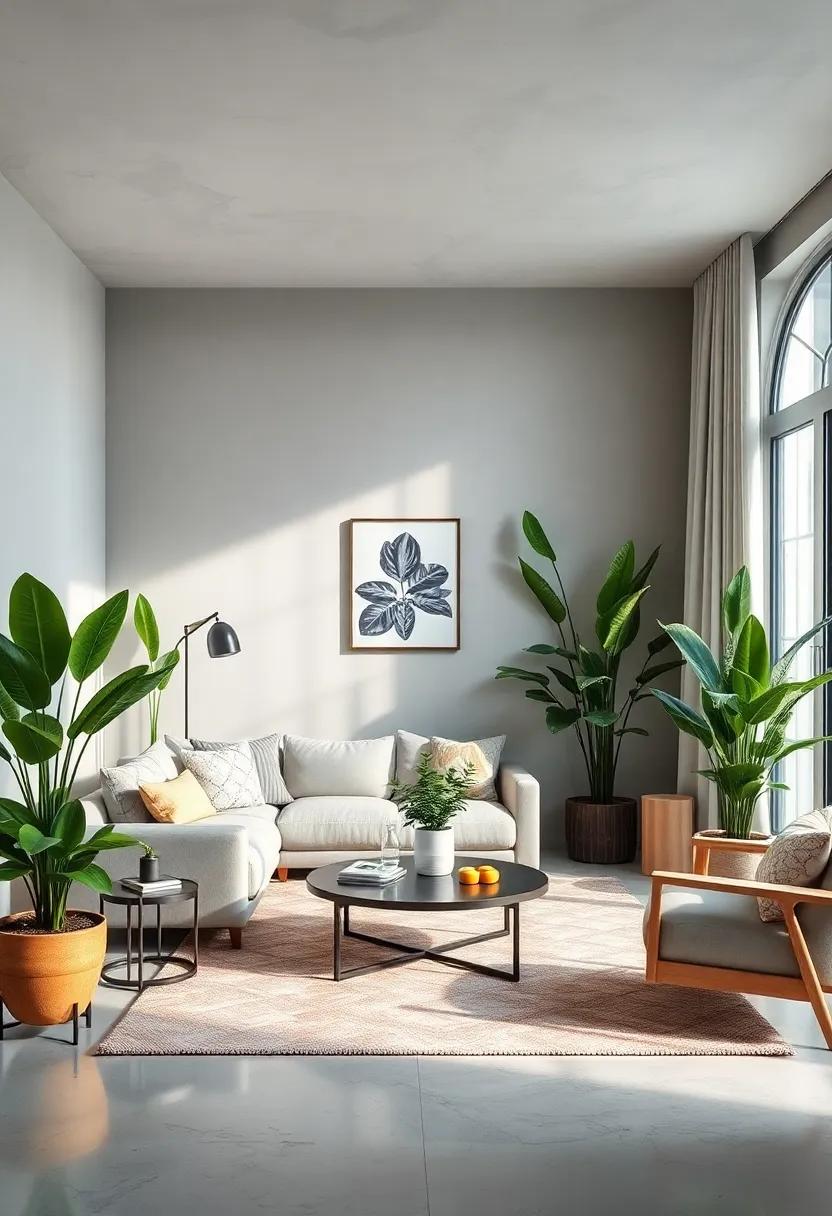
Sprucing up your living space with plants is a delightful way to showcase your personality while fostering a calming atmosphere. When choosing plant holders, consider options that not only serve their practical purpose but also contribute to your room’s decor. Here are a few unique ideas to explore:
- Hanging planters: Utilize the vertical space with macramé hangers or quirky ceiling hooks to display trailing plants,adding an organic touch.
- Repurposed Containers: Turn old mugs, tin cans, or wooden crates into charming plant holders, bringing a bit of personality and eco-friendliness to your décor.
- Sculptural Stands: Opt for modern or vintage-inspired plant stands that serve as artistic pieces, enhancing the visual interest in your space.
For those with a bit of DIY spirit, creating custom plant holders can be an enjoyable project. Consider transforming materials like driftwood or concrete into bespoke pieces that reflect your style and elevate your living room’s aesthetic. Here’s a quick reference table of plant holder materials:
| Material | Vibe |
|---|---|
| Ceramic | Classic & Elegant |
| Metal | Industrial & Modern |
| Wood | Rustic & Warm |
| Plastic | Colorful & Versatile |
Ultimately, the goal is to select plant holders that tell your story and harmonize with the lush greenery that fills your apartment. By incorporating elements that resonate with your style, you’ll create a living room that is both inviting and expressive.
Highlighting Seasonal Plants to Keep Your Living Room Fresh and Dynamic
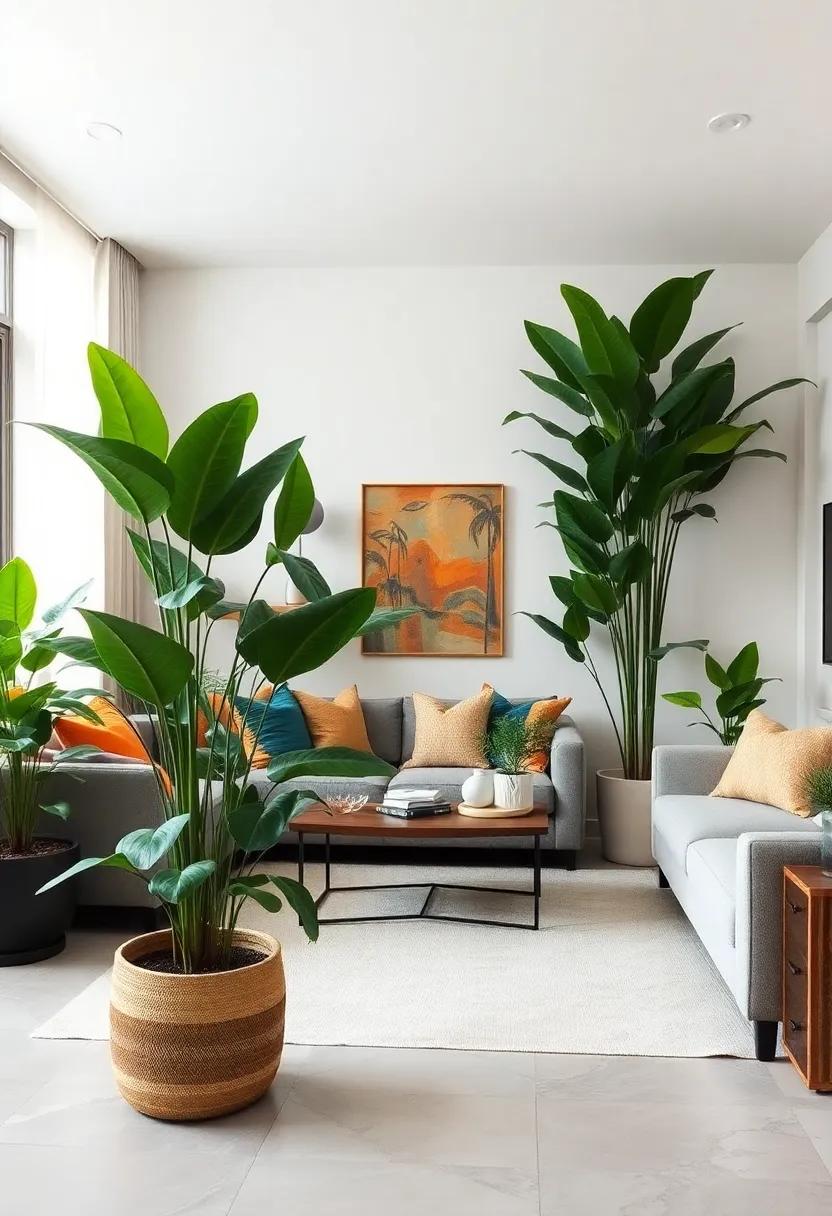
Incorporating seasonal plants into your living room not only enhances the aesthetic appeal but also brings life and vitality to your space. as each season unfolds, specific plants can thrive, offering unique colors and textures to suit the evolving ambiance of your home. Consider introducing Poinsettias and Christmas Cactus during winter for bold reds and greens, while Maranta and Calathea can provide splashes of vibrant colors in the spring and summer months. These plants are not just visually striking; they also improve air quality,making your living room a healthier environment.
Within your living room, creating a dynamic display is simple with strategically placed greenery. Use decorative shelves, hanging planters, and window sills to showcase a variety of seasonal favorites. A carefully curated group of plants can become a focal point, drawing the eye and elevating the room’s overall energy. Opt for small groupings of Snake Plants, Spider Plants, and ZZ Plants, which are not only easy to care for but also add a modern touch. Don’t forget about seasonal florals; Sunflowers in summer or Chrysanthemums in autumn can further enhance this theme, immersing you in the beauty of nature throughout the year.
| Season | Recommended Plants | Key Benefits |
|---|---|---|
| Winter | Poinsettias, Christmas Cactus | Festive colors, air purification |
| Spring | Maranta, Calathea | Vibrant displays, humidity increase |
| Summer | Snake Plants, Spider Plants | Low maintenance, purifies air |
| Autumn | Chrysanthemums, ZZ Plants | Seasonal charm, increased moisture |
The Benefits of Air-Purifying Plants in Enhancing Indoor Air Quality
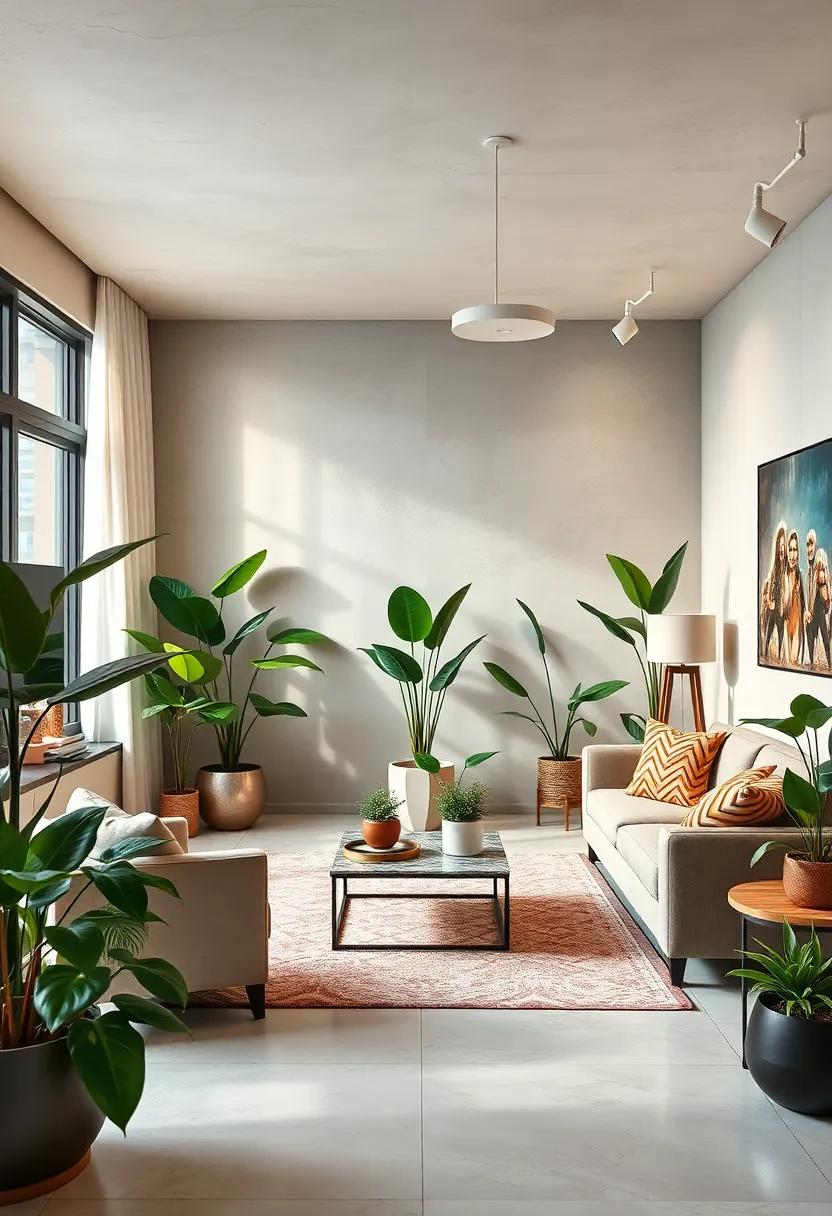
Integrating air-purifying plants into your living space can significantly enhance the air quality, creating a healthier environment within your apartment. These natural air filters work tirelessly to absorb harmful pollutants while releasing oxygen, promoting a serene atmosphere. By choosing plants such as peace lilies, spider plants, and snake plants, you invite nature indoors and boost your well-being. Not only do these greenery options require minimal maintenance, but they also thrive in the indoor settings typical of modern apartments.
The benefits extend beyond aesthetics; research indicates that having a variety of plants can remove toxins like formaldehyde and benzene from the air. A diverse indoor garden produces a positive impact, enhancing not only respiratory health but also mood and productivity. Here’s a quick overview of some of the best air-purifying plants:
| Plant Name | Best For | Care Level |
|---|---|---|
| Peace Lily | Low light areas | Easy |
| Spider Plant | Beginner gardeners | Very Easy |
| Snake Plant | Neglected corners | Low Maintenance |
Incorporating these plants not only improves your well-being but also enhances the design of your living space. As they flourish, your apartment transforms into a haven of tranquility, making it not just a place to live, but a sanctuary to thrive. So,as you embrace nature,remember that each plant serves a dual purpose—beautifying your home and purifying the air you breathe.
Learning About Edible Plants for a Functional and Beautiful Living Space
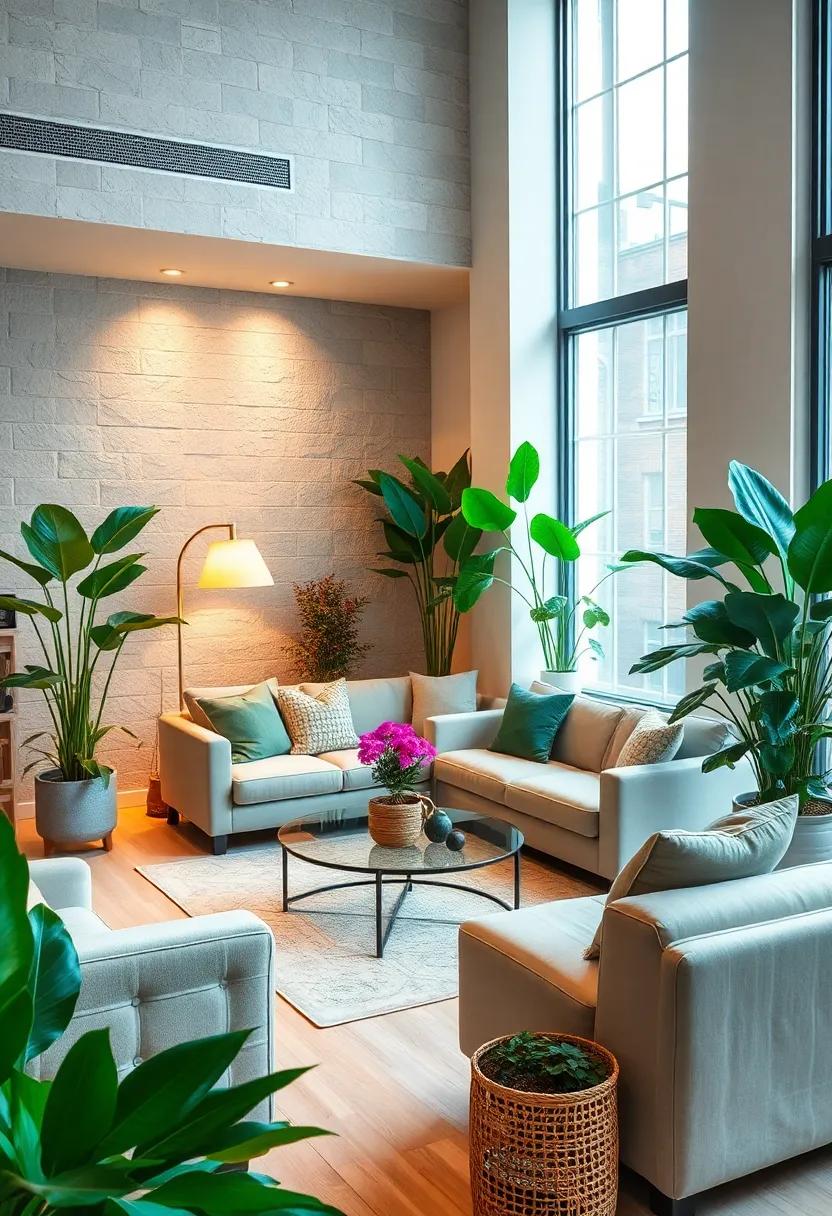
Integrating edible plants into your living space not only enhances the aesthetic appeal of your apartment but also contributes to a sustainable lifestyle. imagine having fresh herbs at your fingertips while cooking or delightful snacking options just a few steps away. Some popular edible plants to consider for your home include:
- Basil – Aromatic and versatile, perfect for culinary creations.
- Mint – Refreshing and invigorating, ideal for teas and garnishes.
- Chives – Adds a mild onion flavor to dishes and is easy to grow.
- Strawberries – Bursting with flavor, they can be grown in pots or hanging baskets.
When arranging these plants, consider their light requirements and growth patterns for optimal placement. A space-efficient approach is to use vertical planters or tiered shelves, allowing you to create a lush garden effect even in small areas.This not only maximizes your growing space but also adds vertical interest to your decor. Here’s a simple table to help you visualize some ideal placements:
| Plant | Light Requirement | Ideal Container |
|---|---|---|
| Basil | Full sun | Medium pot |
| Mint | Partial shade | Hanging basket |
| Chives | Full sun | Small pot |
| Strawberries | full sun | Planter box |
By selecting these edible plants, you can create a stunning indoor oasis, turning your apartment living room into a functional, eco-amiable retreat. Not only do they purify the air, but they also brighten your space—making every meal a delightful party of nature’s abundance.
Maximizing natural Light to Foster a Thriving Indoor Garden Environment
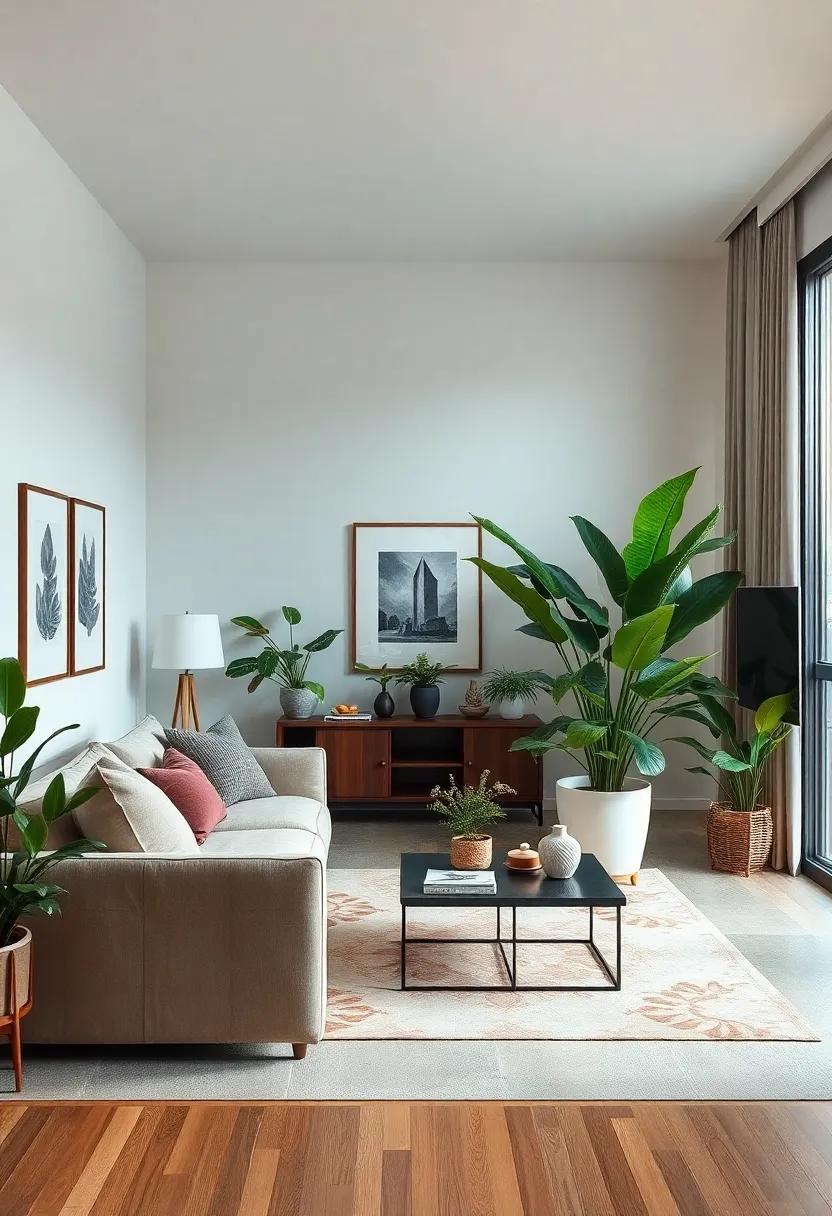
Utilizing natural light is crucial for creating a vibrant indoor garden, especially in an apartment setting where space may be limited. Start by assessing your living room’s sun exposure: south-facing windows typically receive the most light throughout the day, while north-facing ones offer softer illumination. To capitalize on this, consider the placement of your plants based on their light requirements. Group low-light plants such as snake plants and pothos near darker corners, while light-loving species like succulents and citrus trees should be positioned closer to the windows. You can further enhance light penetration by using reflective surfaces such as mirrors and light-colored walls,directing sunlight to every corner of your living space.
To maintain an optimum environment for your greenery, it’s essential to monitor the exposure and adapt as necessary. A simple way to ensure your plants receive adequate light is through a maintenance schedule, where you rotate their positions every few weeks. This can prevent uneven growth and promote healthy foliage. Here’s a quick guide for matching plants with their light needs:
| Plant Type | Light Requirement |
|---|---|
| Snake Plant | Low to medium light |
| Pothos | Low to medium light |
| Succulents | Bright, direct light |
| Citrus Trees | Full sun (6-8 hours) |
Incorporating different heights of plants can also create a dynamic aesthetic while maximizing light distribution. Consider adding plant stands or wall-mounted shelves, allowing smaller plants to rise above their larger counterparts. this layered approach not only maximizes exposure to sunlight but also adds depth and visual interest to your room, transforming your apartment into a lush oasis.
Sourcing Local and Sustainable Plants to Support Your Community and Eco-Friendliness
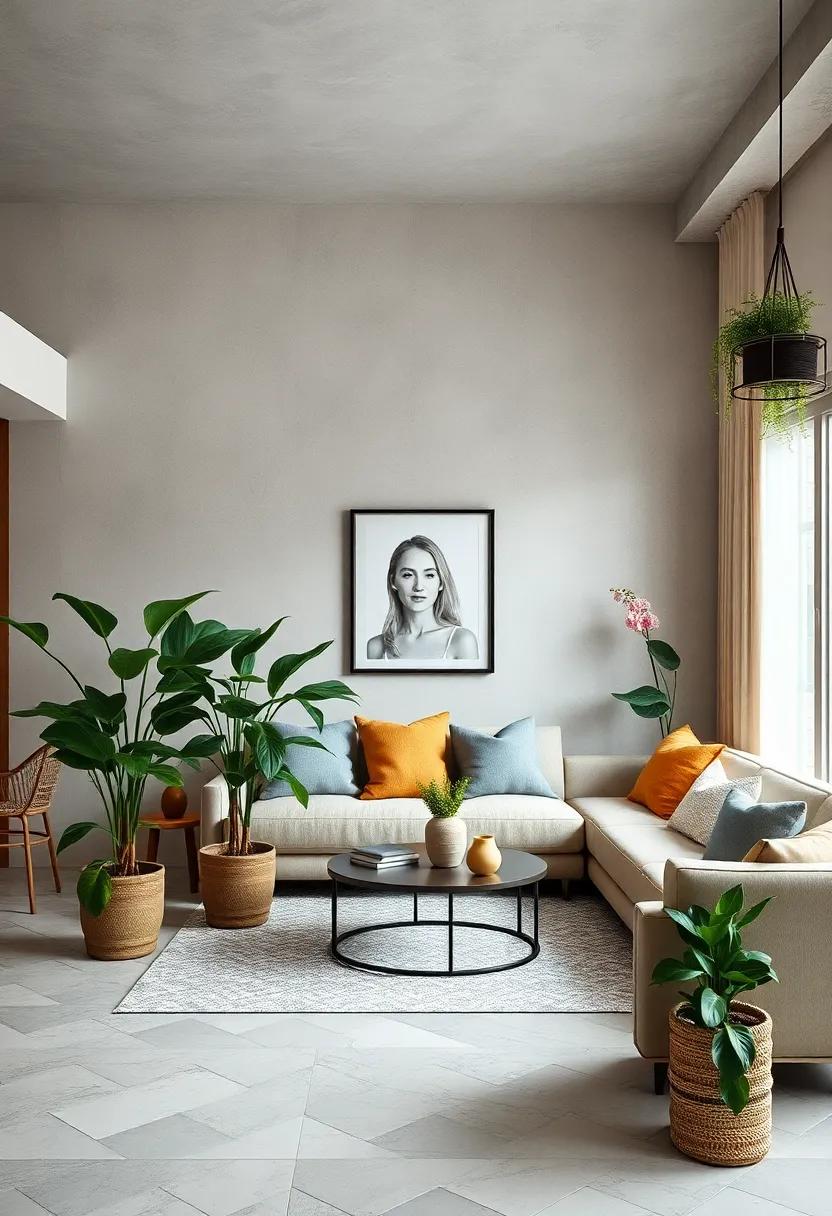
Incorporating local and sustainable plants into your living room not only enhances your apartment’s aesthetics but also supports your community and promotes eco-friendliness. Choosing plants that thrive in your regional climate minimizes the need for chemical fertilizers or pesticides,resulting in healthier indoor air quality. When selecting your green companions, consider visiting local nurseries or farmer’s markets, where you’ll find a variety of indigenous plants suited to your area. This helps foster a sense of connection with your environment and contributes to biodiversity by promoting native species.
As you curate your collection, look for plants that require minimal resources to maintain while offering lush foliage and vibrant blooms. Here’s a quick list of sustainable options to consider:
- Spider Plant: Great for air purification and very low maintenance.
- Snake Plant: Thrives in various light conditions and needs minimal watering.
- Pothos: A versatile trailing plant that can adapt to different spaces.
- Aloe Vera: A hardy succulent known for its healing properties.
By selecting these local plants, you’re not only enhancing your apartment’s beauty but also fostering a thriving ecosystem in your community.
Showcasing Plant Art with Creative Displays for Maximum Visual Impact
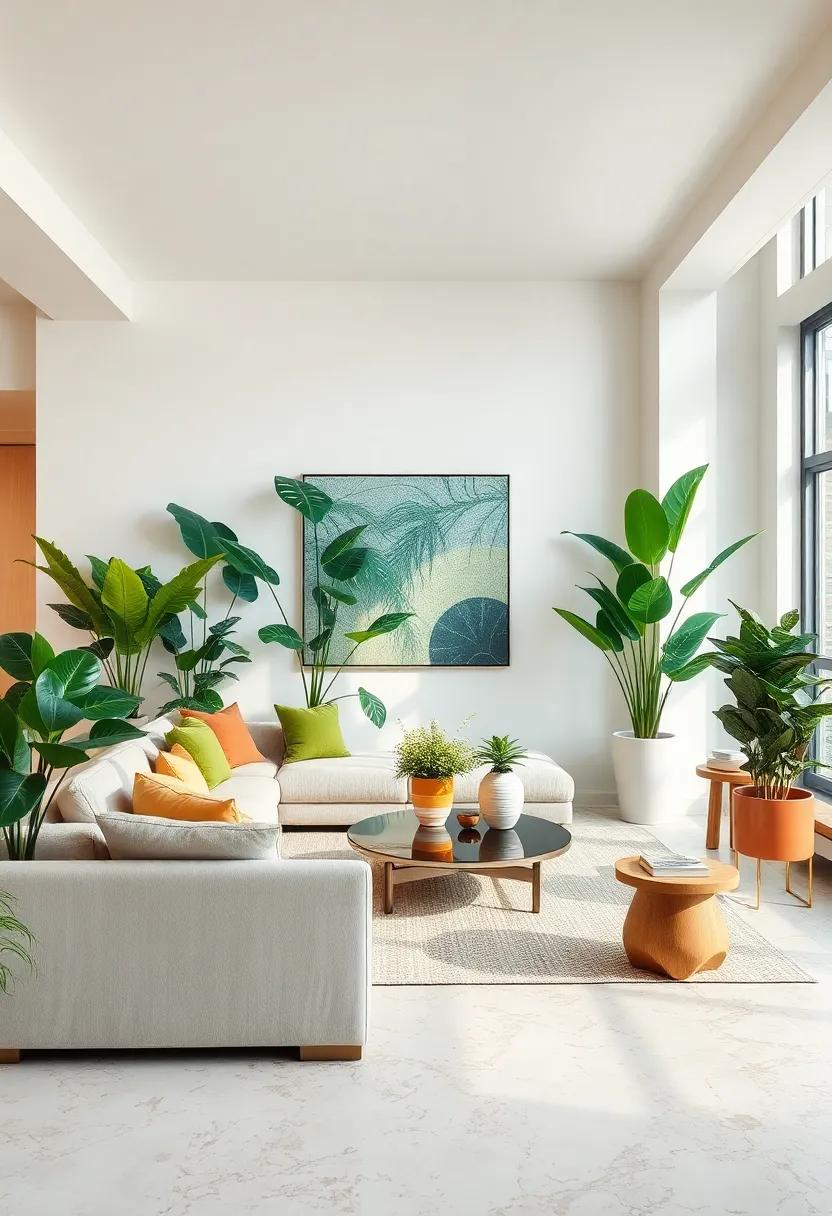
Elevate your living room aesthetics by experimenting with diverse display options for your favorite greenery. One effective method is using multi-level plant stands, which not only create a visually appealing tiered effect but also allow each plant to bask in its fair share of sunlight. Consider incorporating hanging planters to free up floor space and draw the eye upwards, complementing vertical elements in your room. You could also utilize floating shelves, which provide a sleek and modern display that can be arranged in various patterns. Here are some captivating display ideas:
- Cluster Groups: Assemble several plants together in a single area for a bold statement.
- Color Coordination: Group plants by their foliage color to create a harmonious visual experience.
- Textured Contrast: Mix different leaf textures for dynamic appeal.
For a curated look, you might want to consider thematic displays—where you collect plants based on a shared aesthetic or type. As a notable example, a collection of succulents arranged in a wooden tray can bring a cozy vibe, while a combination of tall dracaenas and cascading pothos can generate a striking jungle feel. To enhance your setup further, consider incorporating decorative pots made of ceramic, terracotta, or even metallic finishes to draw attention to your flora without overwhelming the space. Below is a simple table to inspire your theme selection:
| Theme | Suggested Plants | Additional Decor |
|---|---|---|
| Minimalist | Snake Plant, ZZ Plant | Geometric pots, Stones |
| Bohemian | Spider Plant, Pothos | Woven baskets, Macrame hangers |
| Modern Elegance | Bird of Paradise, Fiddle Leaf Fig | Slate planters, Metallic accents |
Creating a Biophilic Design to Connect Your Interior with the Outdoors
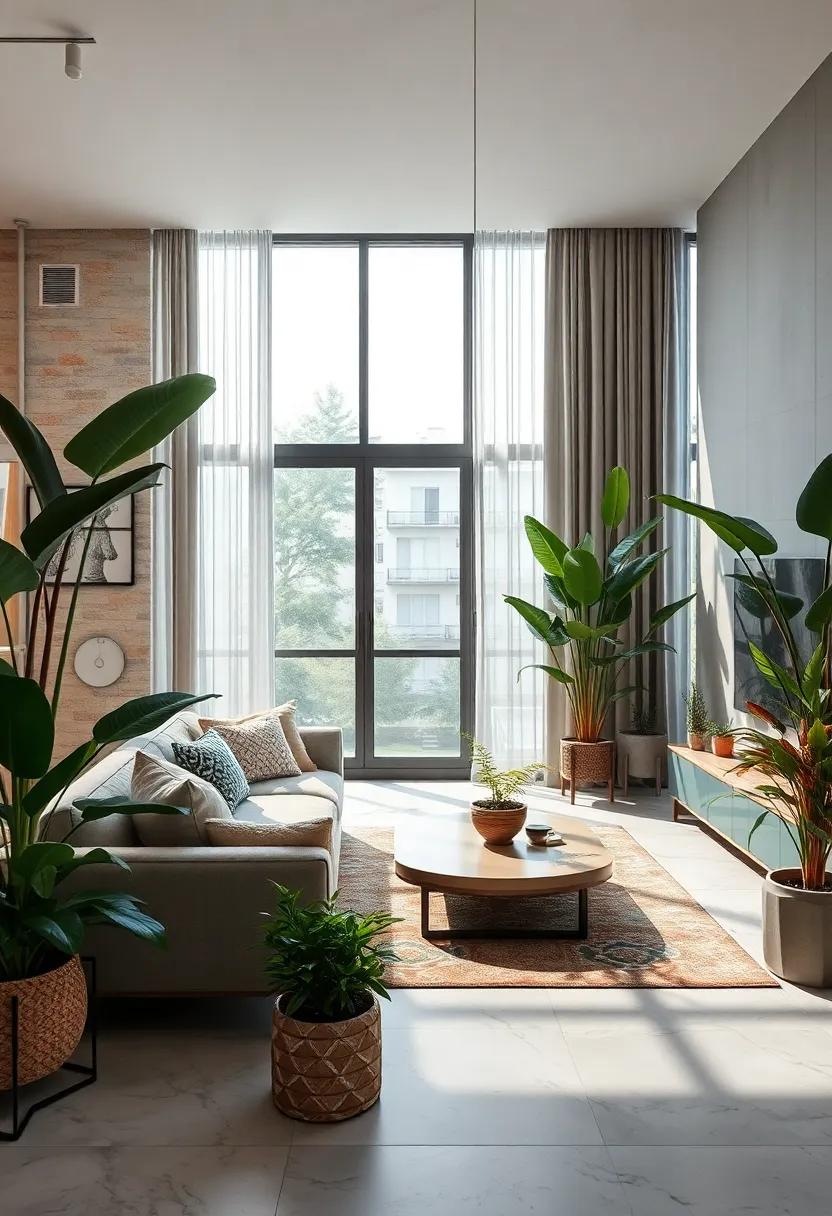
Incorporating biophilic design into your living room is all about creating a seamless connection with nature. One effective way to achieve this is by introducing an array of lush plants that not only enhance the aesthetic appeal of your space but also improve air quality and promote well-being.Consider placing plants in strategic areas to draw the eye towards natural forms and textures. Consider these options for plant placement:
- Floor Plants: Tall, leafy plants like fiddle leaf figs or indoor palms can serve as stunning focal points.
- Hanging Planters: Utilize vertical spaces with trailing vines, such as pothos or string of pearls, to add dimension and softness.
- Window Sills: small potted herbs or succulents can thrive in sunlight while adding a fresh touch to your interior.
Additionally, integrating natural materials and earthy color palettes can deepen the connection between your indoor space and the outdoors. You might consider a color scheme inspired by nature, such as soft greens, warm browns, and creamy whites, that harmonizes beautifully with your plants. A simple table outlining beneficial plant options can also guide your selection:
| Plant Type | Benefits |
|---|---|
| Snake Plant | Air purification |
| Peace Lily | Humidity control |
| Spider Plant | Easy to care for |
Incorporating Aromatic Plants to Infuse Your Living Space with Delightful Scents
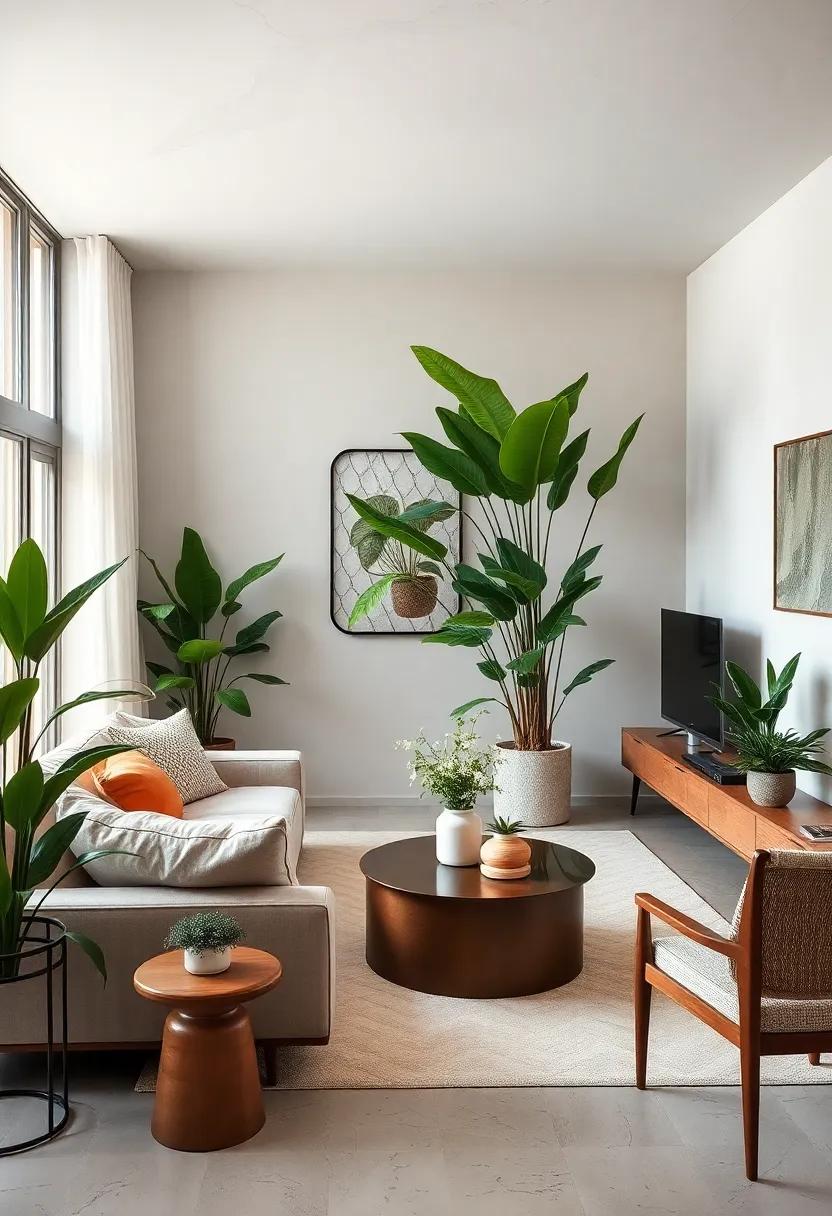
Transform your living space into an aromatic sanctuary by including a variety of fragrant plants that not only beautify your apartment but also elevate your mood and well-being. consider incorporating the following aromatic plants into your decor:
- Lavender: Renowned for its calming properties, lavender’s sweet, floral scent can alleviate stress and promote relaxation, making it a perfect addition to any living area.
- Jasmine: This enchanting plant emits a rich and sweet fragrance, often linked to romance and tranquility, creating an inviting atmosphere for guests.
- Mint: Whether you choose peppermint or spearmint, the fresh, invigorating scent can energize your space and offers a delightful sensory experience.
- Rosemary: With its robust, woody aroma, rosemary not only adds a culinary touch but also helps improve focus and concentration.
Strategically placing these plants can enhance the overall ambiance of your living room. For example, a small herb garden on your windowsill or a stylish centerpiece busy with various aromatic plants can serve both decorative and functional purposes. Consider utilizing plant pots with drainage to avoid excess moisture and pair them with decorative trays to collect any fallen leaves or soil. Below is a simple table for quick reference on caring for these aromatic plants:
| Plant | Light Requirement | Watering Frequency |
|---|---|---|
| Lavender | Full sun | Every 2-3 weeks |
| Jasmine | Partial to full sun | Once a week |
| Mint | Partial shade | Every 5-7 days |
| Rosemary | Full sun | Every 2 weeks |
Exploring the Therapeutic Benefits of Indoor Plants for Your Well-being
Integrating a variety of indoor plants into your living space can lead to significant improvements in your mental and emotional well-being. The presence of greenery has been shown to reduce stress levels, increase feelings of relaxation, and promote a sense of tranquility. Some therapeutic benefits of having plants around include:
- Air Purification: Many indoor plants are known for their ability to filter toxins and improve indoor air quality.
- Mood Enhancement: The vibrant colors and natural beauty of plants can uplift your spirits and create a more positive atmosphere.
- Mindfulness Practice: Caring for plants encourages mindfulness and routine,helping to ground you in the present moment.
Moreover, certain plants can foster a sense of connection to nature, which is frequently enough lost in urban environments. This connection can be especially beneficial in a bustling apartment setting, as it allows you to create a serene retreat.Consider incorporating species that are known not only for their aesthetic appeal but also their capacity to enhance well-being. Here’s a brief comparison of five plants that effortlessly blend beauty and health benefits:
| Plant | Benefits |
|---|---|
| Snake plant | Improves air quality and requires low maintenance. |
| Peace Lily | Known for its ability to filter indoor pollutants. |
| Spider Plant | Great for new plant owners and effective at cleaning the air. |
| Aloe Vera | Heals minor cuts and burns, while purifying air. |
| Pothos | Thrives in various light conditions and removes formaldehyde. |
Designing Plant Shelves That serve as Functional Art for Your Living Room
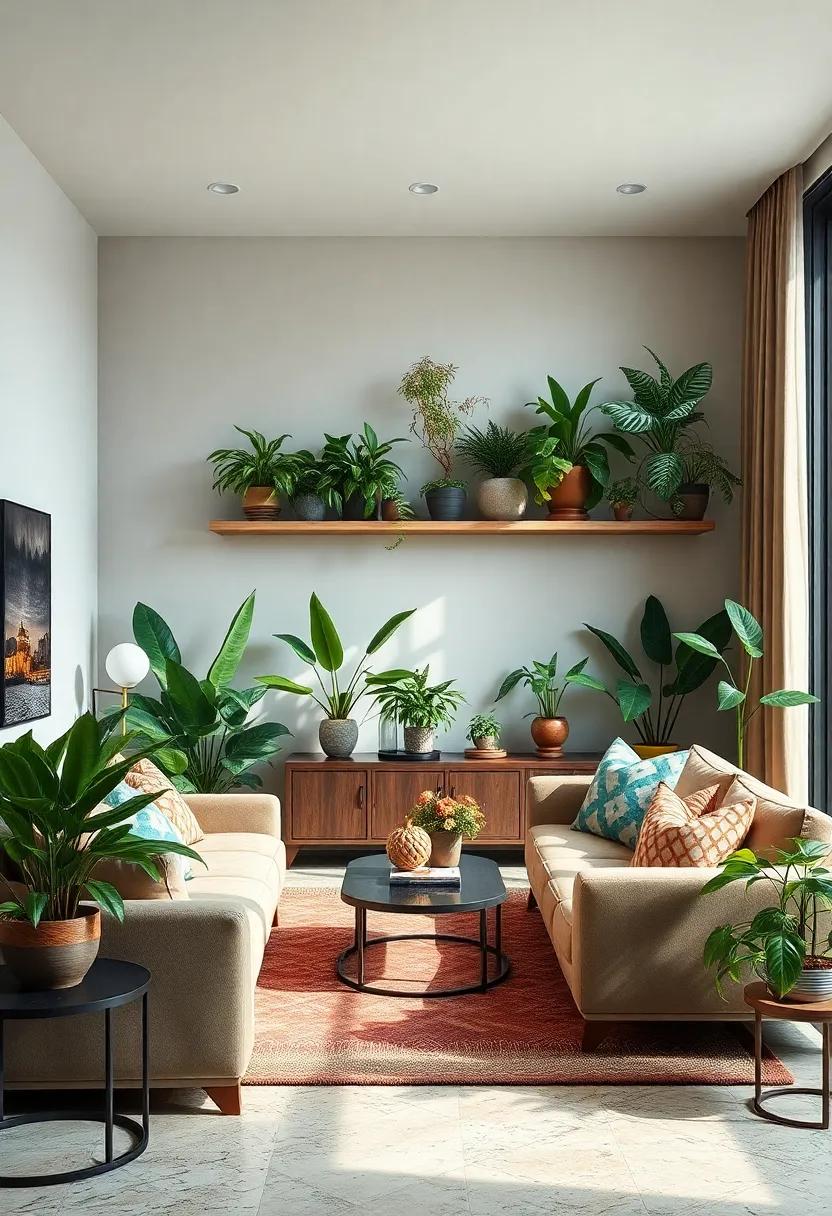
Incorporating plant shelves into your living room not only enhances the aesthetic appeal but also introduces a refreshing slice of nature indoors. Consider using materials such as reclaimed wood or sleek metal frames that allow the greenery to be the focal point.Design your shelves with an asymmetrical layout to create a dynamic visual flow, encouraging the eye to travel through the various levels of greenery. This not only provides a natural contrast to the urban environment but also allows for adaptability in changing the display as your plants grow or new pieces are acquired.
To ensure that your plant shelves are both visually striking and practical, opt for a range of container sizes and styles. Mix and match pots that complement your existing decor — think terracotta, ceramic, or even woven baskets for a tactile feel. Group plants based on their light and water needs, and consider incorporating some of the following into your design:
- Shelves at varying heights: Create depth by using multi-level designs.
- Integrated lighting: Install LED strips for illumination that highlights the plants, particularly in areas with low natural light.
- Natural textiles: Use fabric hangers or macramé to add warmth and texture.
Color Schemes Inspired by Nature to Create a Cohesive Look in Your Home
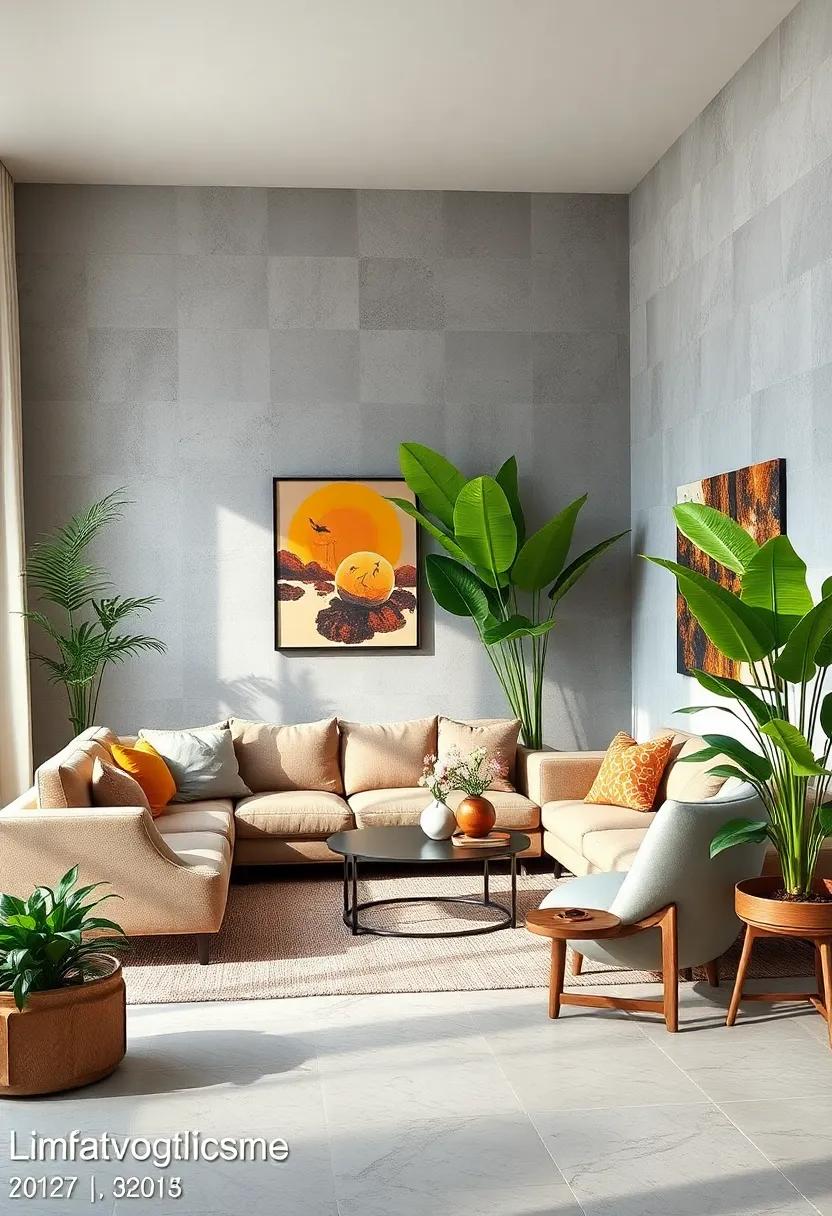
Bringing the essence of the outdoors into your apartment can be as simple as choosing the right color palette. Think of the calming greens found in leaf canopies, the soft browns of tree trunks, and the ethereal blues of open skies. These colors compose an earthy palette that not only heightens the visual appeal of your living space but also promotes tranquility.By using various shades of green, including sage, olive, and emerald, you can create a lush, cohesive look that mimics a serene garden. Accents like terracotta or warm beige can add warmth to this palette,making the area feel inviting without overwhelming your senses.
Incorporating natural elements through decor can significantly enhance your chosen color scheme. Consider using fabrics and textures that nod to the outdoors, such as linen cushions or jute rugs, to add depth. utilize a blend of matte and glossy finishes to give your apartment a layered look. Complement your greenery with decor items in nature-inspired hues like deep ocean blues,soft lavender,or sunny yellows. Here’s a simple guide to colors that work harmoniously together to evoke a sense of nature:
| Color | Inspiration | Suggested Use |
|---|---|---|
| Forest Green | Foliage | Accent walls or plant pots |
| Sky Blue | Clear skies | Cushions or curtains |
| Earthy Brown | Tree trunks | Furniture or shelving |
| Sunshine Yellow | Sunflowers | Small decor or artwork |
Future Outlook
As we conclude our exploration into the vibrant world of apartment living enriched by nature, it’s clear that incorporating lush plants into your living room transcends mere aesthetics. It is an invitation to infuse your space with life, tranquility, and vitality. Each leaf tells a story, each flourish breathes fresh air into daily routines, transforming your sanctuary into a lush retreat from the mundanity of urban life.
By embracing nature, you are not just decorating; you are creating a harmonious environment that nurtures both body and soul.whether you opt for the low-maintenance charm of succulents or the dramatic allure of cascading vines, your choices invite a sense of peace and connection with the natural world.
So, take a moment to look beyond the walls of your apartment. Let the verdant beauty of plants inspire you to craft a space that reflects your love for nature and offers a haven of serenity amidst the bustle of city life. As you embark on this green journey, remember that each plant you introduce is not just a decorative element, but a testament to your willingness to grow and flourish in your own unique way. embrace nature—one leaf, one pot, one breath at a time.
As an Amazon Associate I earn from qualifying purchases.