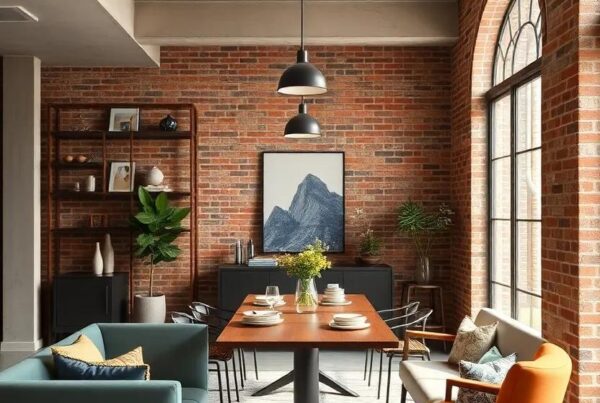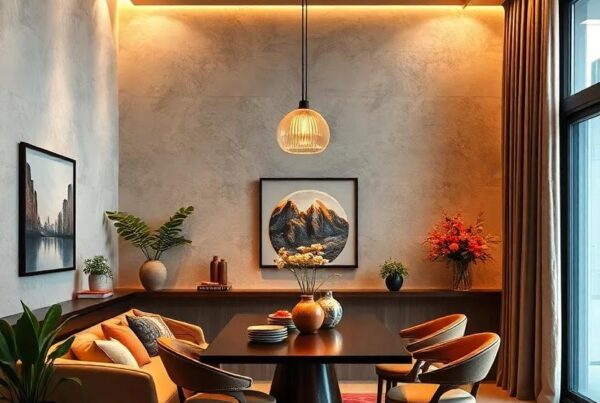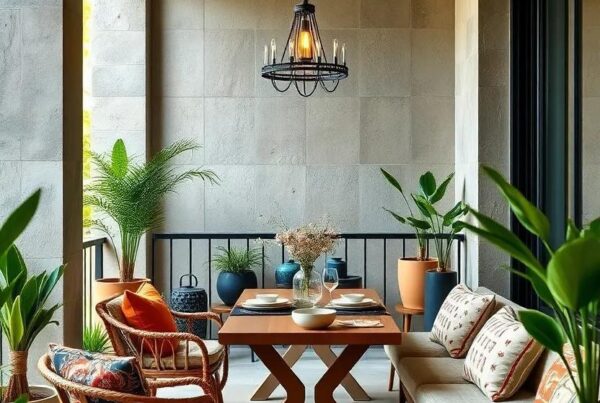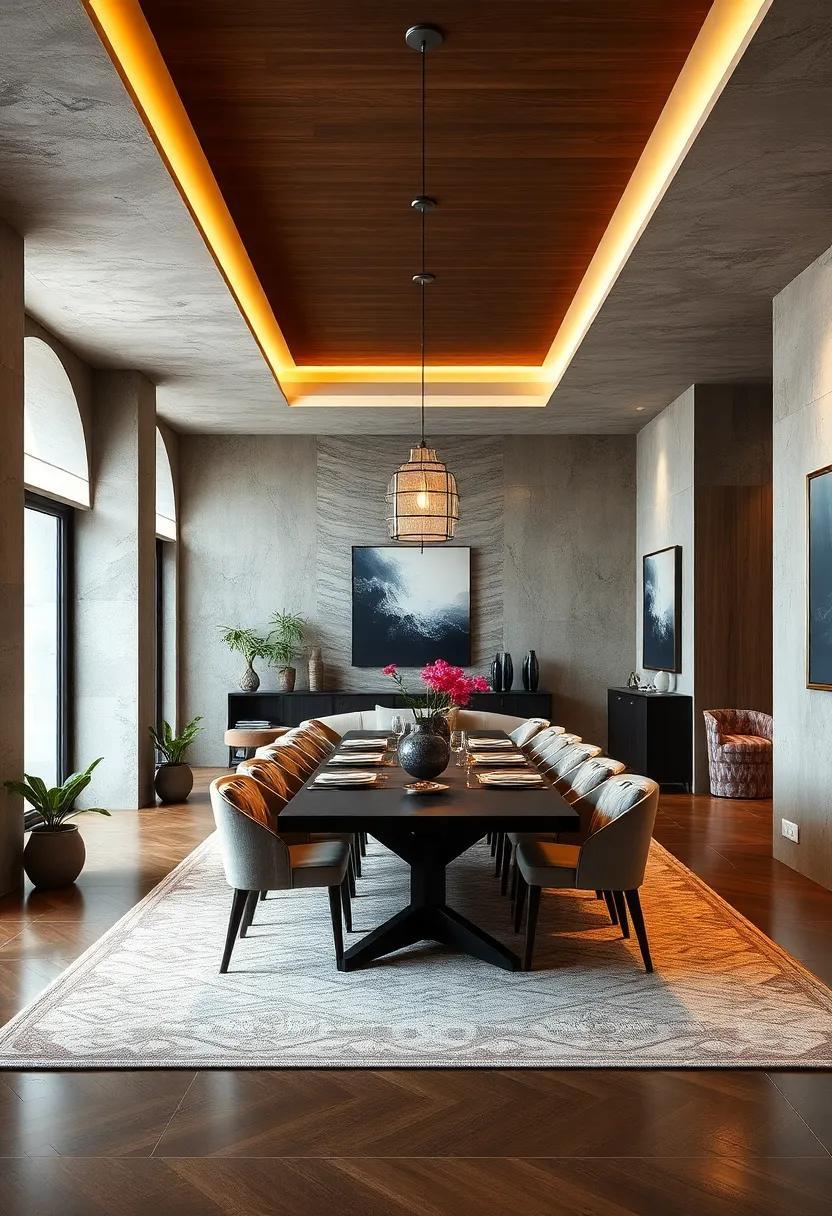
Welcome to a feast for the eyes and the senses! Your dining room is more than just a place to enjoy meals—it’s a space for gatherings,celebrations,and intimate conversations. With the right layout, you can transform an ordinary dining area into a welcoming haven that not only elevates your home decor but also enhances comfort and functionality.In this listicle, we present 29 expert dining room layout tips that will inspire you to optimize your space. Whether you’re dealing with a cozy nook or a spacious room, you’ll discover innovative ideas and practical solutions that cater to your specific needs.From choosing the perfect table size to arranging furniture for flow and accessibility, these tips will empower you to create an inviting atmosphere where cherished memories are made. So, roll up your sleeves and get ready to reinvent your dining experience!
Embrace an Open Layout: Create a seamless flow between your dining room and adjacent spaces to enhance connectivity and make your home feel more spacious
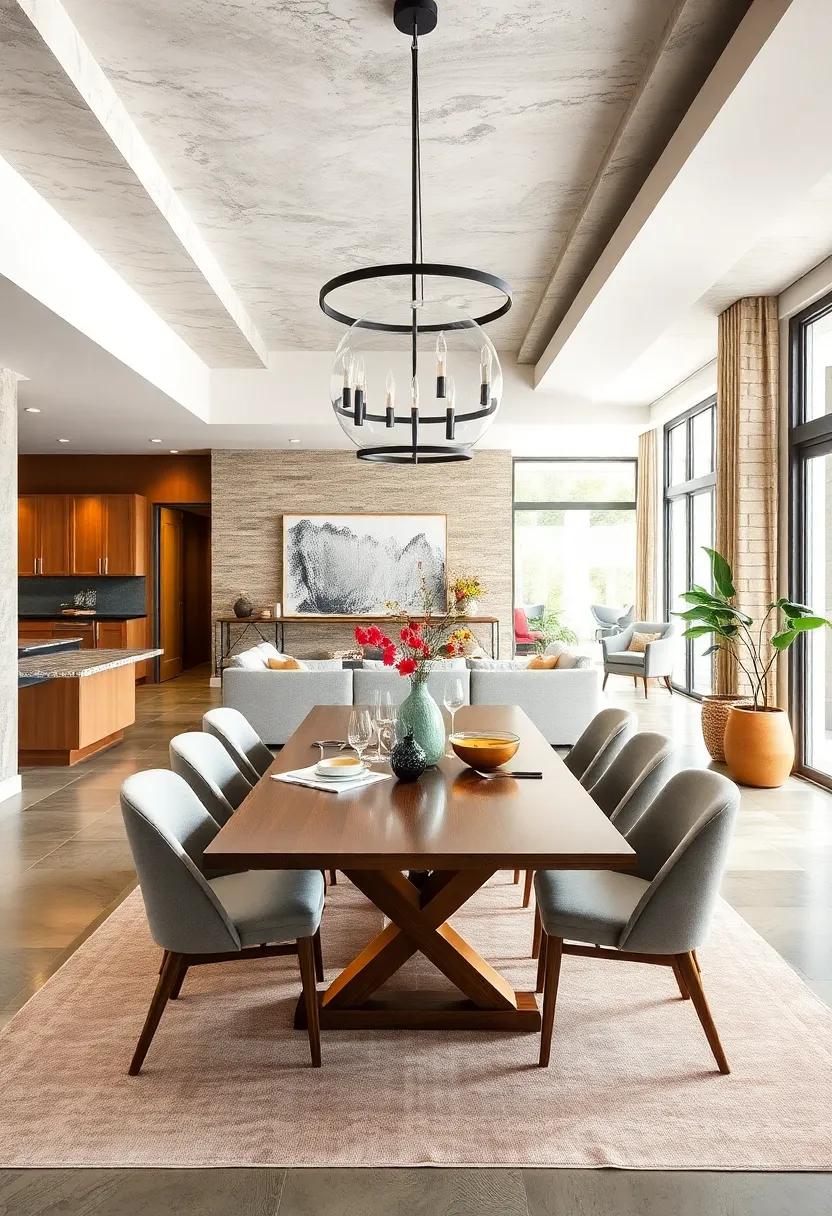
to create an inviting atmosphere that radiates warmth,consider merging your dining area with adjacent spaces like the living room or kitchen. Open layouts remove barriers, fostering a sense of unity and allowing natural light to flood each area.To accomplish this, opt for furniture pieces that complement each other in style and color, enhancing visual continuity. Use area rugs to define different spaces while maintaining an overall harmony. This subtle separation can add character without breaking the flow,giving your home a more expansive feel.
Incorporating multifunctional furniture can also aid in maintaining an open layout. Extendable dining tables or circular tables can accommodate various gatherings while optimizing space. Position your dining table near a large window or an open doorway to create a natural connection with the outdoors.Additionally, consider using decorative elements such as artwork or plants to visually link your dining space to adjacent areas, enriching the overall aesthetic. An intentional arrangement can transform the functionality of your home, making it not just more spacious but also more welcoming.
Prioritize Scale and Proportion: Choose a dining table and chairs that match the scale of your room, ensuring harmony and a comfortable feel for every guest
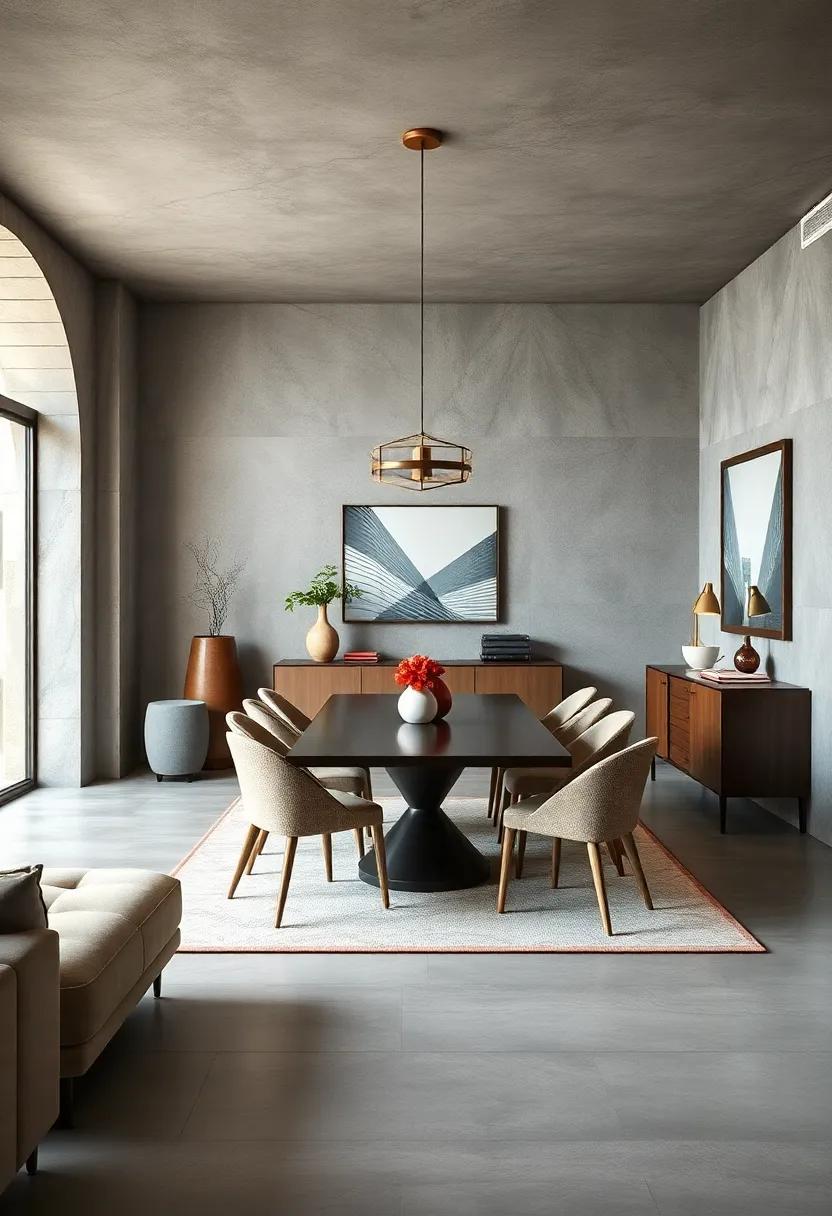
Selecting the right dining table and chairs is essential in achieving a cohesive and inviting dining room atmosphere. Consider the proportions of your space: a large, bulky table in a small room can overwhelm the area, making it feel cramped. Conversely, a petite table in a spacious dining room can result in a sense of emptiness. Aim for a scale that complements your room’s dimensions. This can be achieved by balancing the size of your table with the surrounding furniture and the overall layout. Utilize visual markers like rugs to delineate the dining space and offer scale guidance,creating a defined area that feels comfortable and inviting.
When choosing your table and chairs, don’t overlook the importance of height and width. A standard dining table height is around 28 to 30 inches, while chair seat heights typically range from 17 to 19 inches. Be mindful of these measurements to ensure that guests can sit comfortably without feeling cramped.To help visualize, here’s a simple comparison table:
| Room Size | Recommended Table Size | Chair Count |
|---|---|---|
| Small (up to 100 sq ft) | 32-48 inches | 4 |
| Medium (100-200 sq ft) | 48-72 inches | 6-8 |
| Large (200+ sq ft) | 72 inches and above | 8+ |
Choosing pieces that harmonize well with your room not only enhances aesthetics but also improves the overall dining experience. By paying careful attention to scale and proportion,your dining area can transform into a welcoming haven where every guest feels at ease.
Experiment with Table Shapes: Round tables promote conversation, while rectangular tables maximize seating; consider your needs and choose wisely
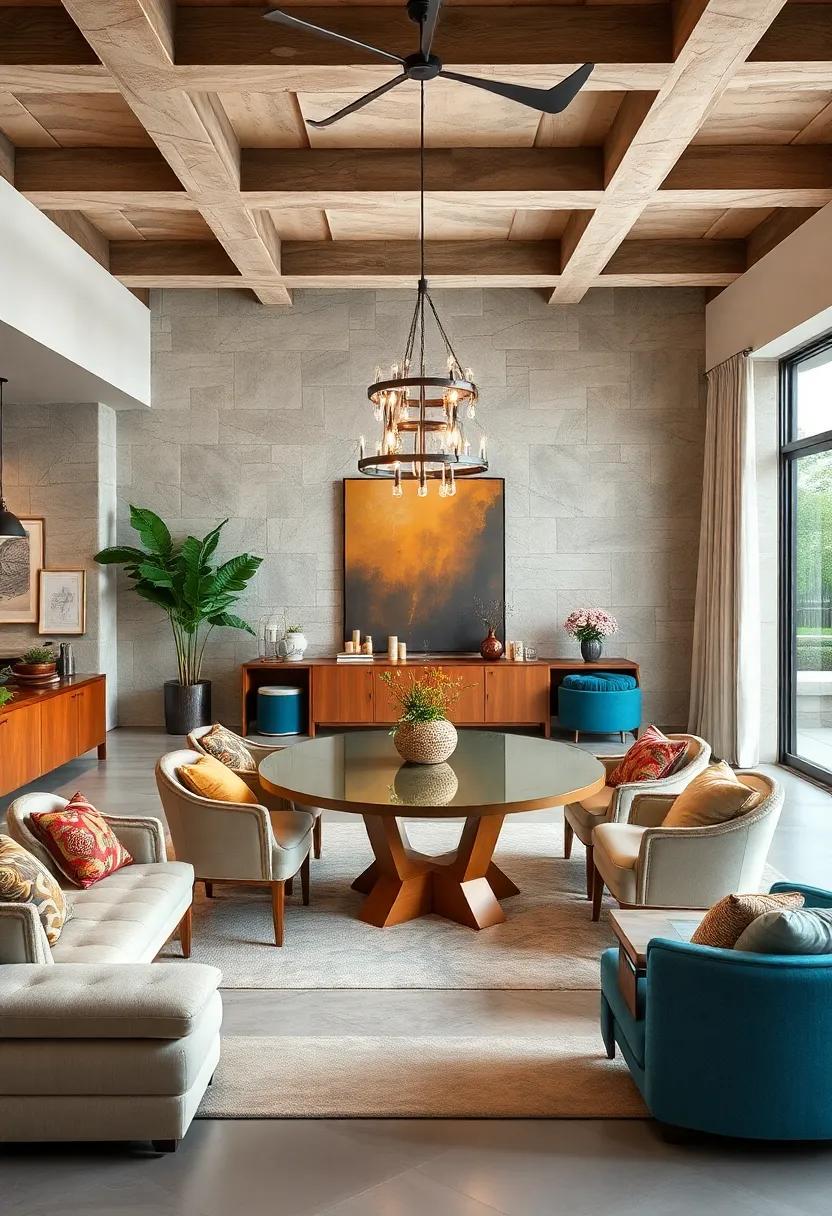
When it comes to choosing the ideal table shape for your dining room,consider how you envision your gatherings. Round tables are a fantastic choice for fostering an intimate atmosphere, encouraging easy conversation as everyone can see and engage with each other.This shape works wonderfully in smaller spaces, as it creates a flow that allows movement without sharp corners obstructing pathways. On the flip side, if your hosting style leans toward larger gatherings or family dinners, a rectangular table can be your best bet. This design maximizes seating capacity, allowing you to accommodate more guests comfortably while still providing a designated space for each individual.
Evaluate your dining room’s size and layout when making your decision. A small, cozy nook might be illuminated by the gentle curves of a round table, while a long, narrow space might benefit from the linear appeal of a rectangular design. Consider the following factors:
- Room Size: Choose a table that complements the dimensions of your dining area.
- Seating Needs: Think about your typical guest list; more seats may require a rectangular setup.
- Style and Aesthetics: Decide on a shape that syncs with your decor for a harmonious look.
- Accessibility: Ensure there’s enough space around the table for comfortable movement.
| Table shape | Benefits | Best For |
|---|---|---|
| Round | Encourages conversation, space-efficient | Intimate gatherings, small spaces |
| Rectangular | Maximizes seating, formal feel | Large families, dinner parties |
foster Comfort: Allow for at least 36 inches of walking space around the dining table to ensure easy movement and create an inviting atmosphere
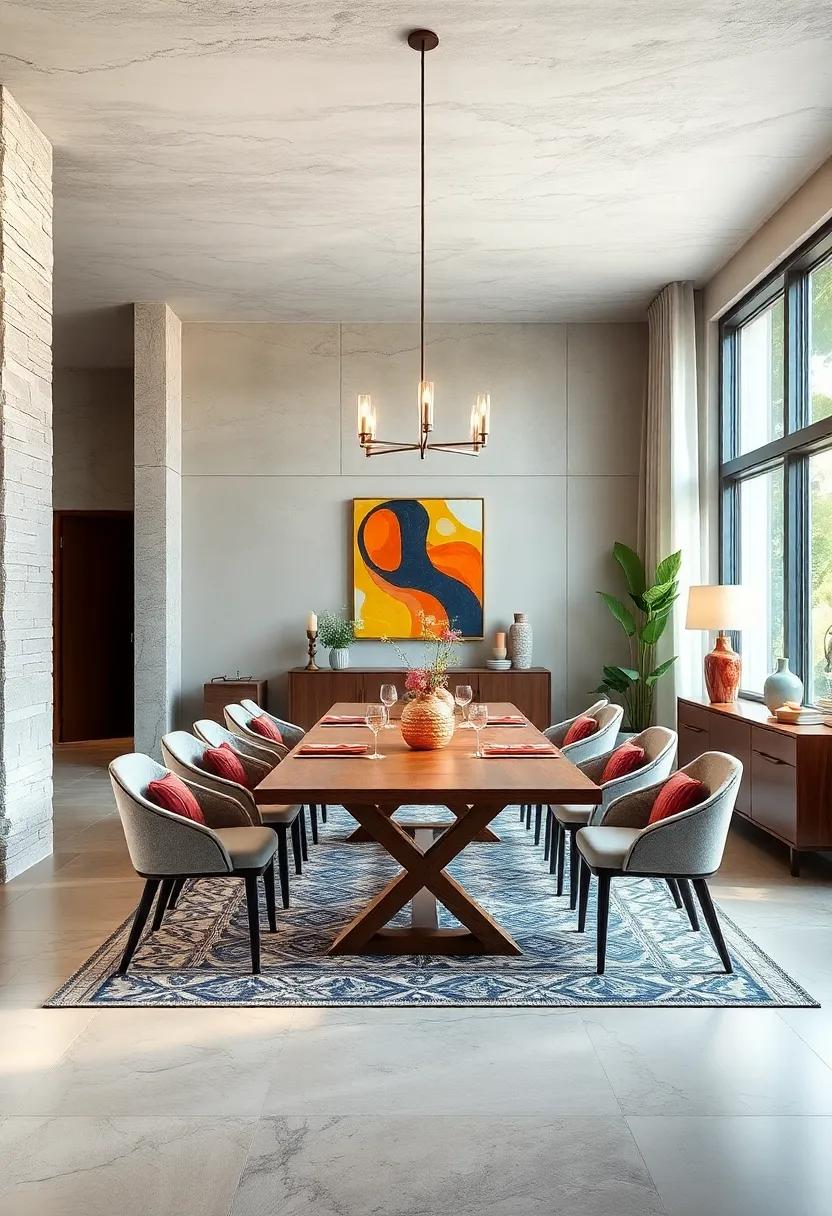
When arranging your dining room, ensuring ample walking space is vital for creating a welcoming environment. Give your guests room to move comfortably around the table by maintaining at least 36 inches of space on all sides. this allows for easy access to seats and provides guests with space to navigate without feeling cramped. By adhering to this guideline, you not only enhance mobility but also contribute to a sense of openness and flow in the room.
Consider the various ways you can achieve this optimal layout. Here are a few tips to help guide your arrangement:
- Choose the right table size: Selecting a table that fits your space will prevent overcrowding.
- Use lightweight chairs: Opt for chairs that can be easily moved, allowing guests to reposition themselves as needed.
- Incorporate flexible furniture: Utilize sideboards or console tables that can double as additional serving space, minimizing the need for extra pieces that could obstruct traffic flow.
By ensuring that each element of your dining room layout adheres to the 36-inch rule, you will transform your dining area into a hub of comfort and sociability. This simple yet effective guideline creates a setting where conversations can flourish and meals can be enjoyed in a relaxed atmosphere.
Utilize Area Rugs: A well-placed area rug can ground the space, define the dining area, and add warmth and texture to your room
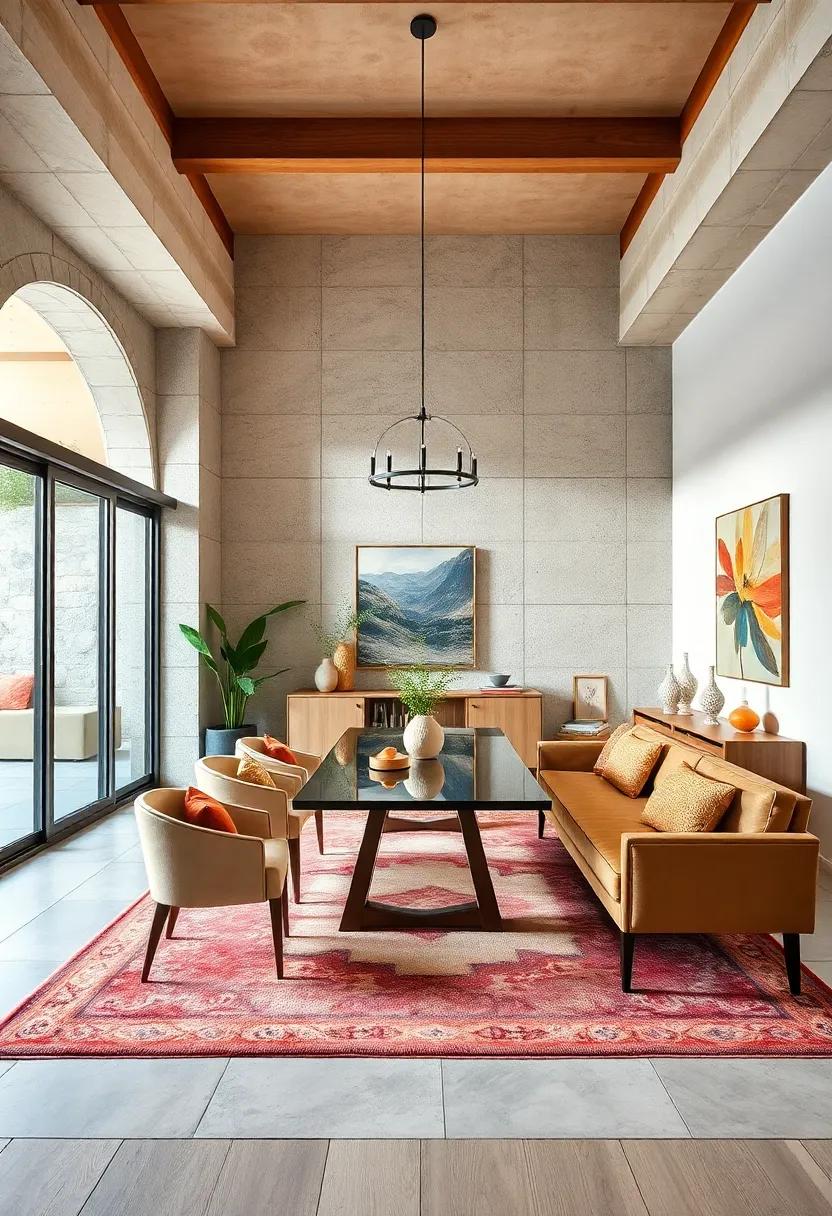
A well-placed area rug can be a game changer in your dining room, acting as a visual anchor that ties all the elements together. By choosing a rug that complements your dining set, you can create a cohesive look that feels inviting and harmonious. Opt for a size that accommodates your table and chairs; ideally, the rug should extend at least 24 inches beyond the table’s edges, ensuring that when guests pull out their chairs, they’re still on the rug. Moreover, select a texture and color that adds depth to the space—think warm hues or rich patterns that reflect your personal style while inviting warmth and comfort.
When selecting an area rug,consider materials that are durable and easy to clean,especially in a dining space where spills are certain. Wool and synthetic fibers offer both comfort and resilience, making them great choices. To enhance the design, layer rugs—placing a smaller, patterned rug atop a larger, neutral one can add complexity and character to the room. Employing contrasting textures will not only enrich the aesthetic but also create a sensory experience that encourages guests to linger and enjoy their time in the dining area.
Light it Up: Layer your lighting with a statement chandelier,pendant lights,and softer sources like sconces to create a welcoming ambiance
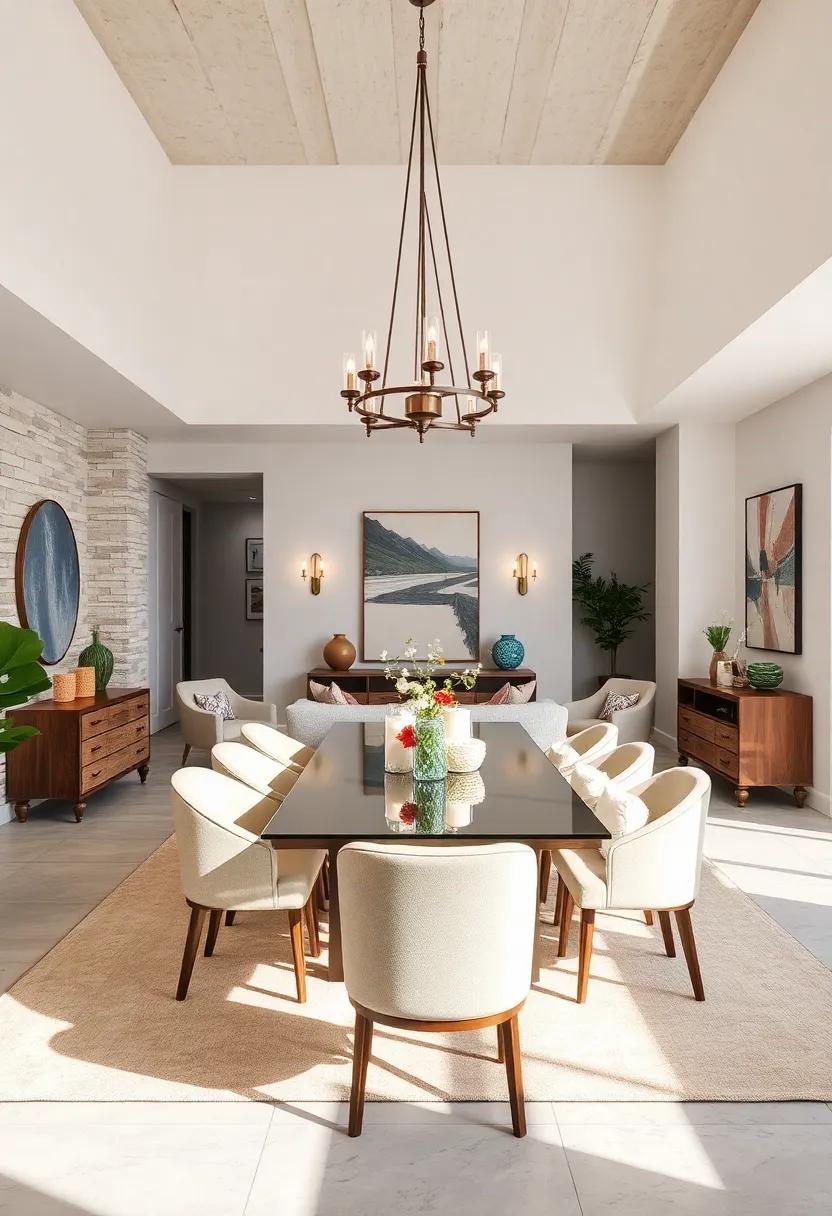
Transform your dining experience by incorporating a mix of lighting elements that not only illuminate but also inspire conversation and warmth. Start with a bold chandelier as the centerpiece of your dining room, drawing the eye upward and creating a focal point that sets the tone for the entire space. Choose one that resonates with your aesthetic—be it rustic, modern, or eclectic. Pair this with stylish pendant lights above the dining table,casting gentle light that enhances the intimacy of the setting.Consider hanging them at varying heights for a layered look that adds depth and intrigue.
To soften the glow and complete the ambiance, introduce wall sconces that complement your main fixtures while providing supplementary lighting. These should be strategically placed to highlight artwork or architecture in the room, contributing to a cozy atmosphere. Additionally, utilizing dimmer switches allows for the versatility to adjust lighting based on the mood—whether it’s a casual family dinner or an elegant soirée. Here’s a quick overview of lighting options to consider:
| Type of Lighting | Purpose |
|---|---|
| Chandelier | Creates a dramatic focal point |
| Pendant Lights | Enhances intimacy over the dining table |
| Sconces | Adds warmth and highlights décor |
| Dimmer Switches | Adjusts ambiance easily for any occasion |
Incorporate Artwork: Hang captivating artwork to add personality and spark conversation, making your dining room feel more curated and inviting
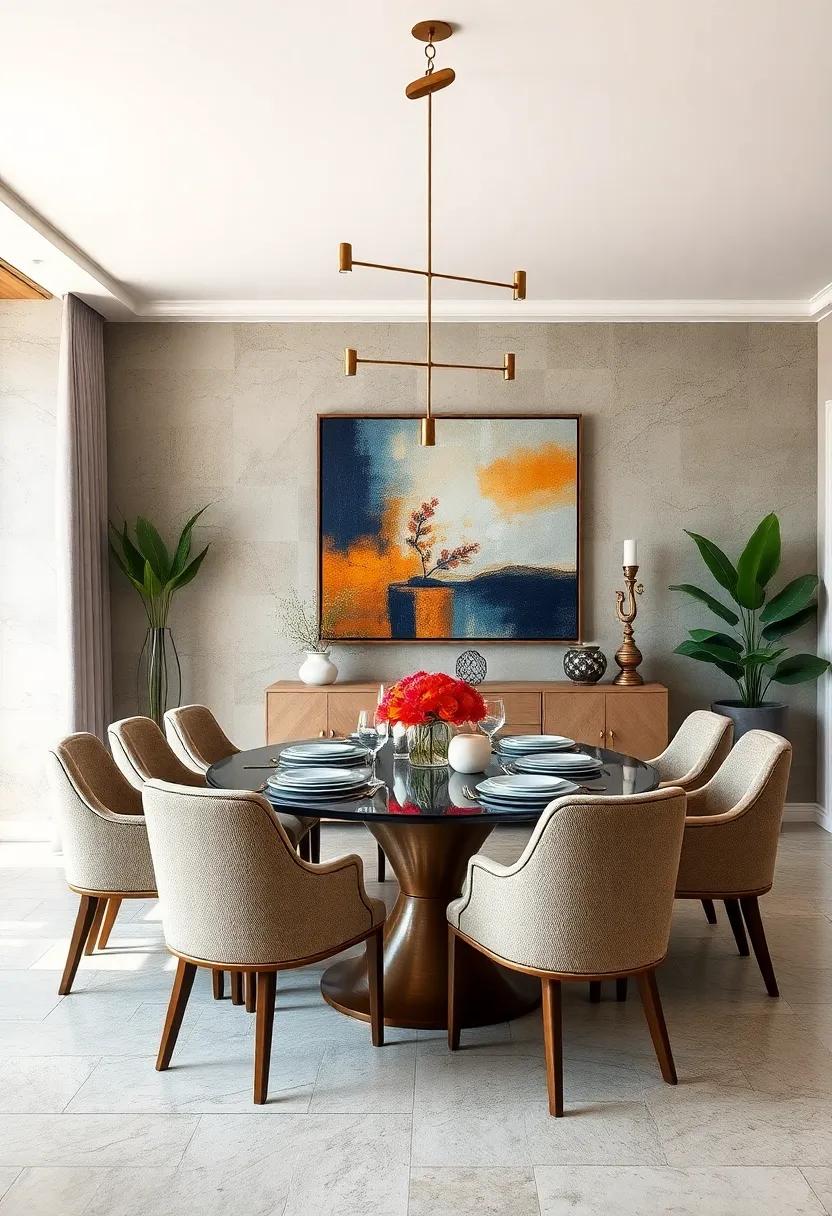
Transforming your dining room into a curated space can be as simple as adding captivating artwork. Choose pieces that resonate with your personal style and evoke emotion; they have the power to instantly elevate the atmosphere. Whether it’s a bold abstract canvas or a serene landscape painting, each artwork can tell a story about your tastes and experiences. When hung at eye level, art not only enhances the aesthetic but also serves as a conversation starter. Incorporate a mix of sizes and frames to create an eclectic gallery wall that draws the eye and invites guests to linger.
to further enhance the vibe of your dining area, consider these simple tips for selecting and arranging your artwork:
- Focus on a Theme: Select art that aligns with your dining room’s color palette or theme for a cohesive look.
- layer Textures: Mix different mediums, such as paintings, prints, and woven textiles, to add depth.
- Create Balance: Distribute pieces evenly to create harmony, avoiding a cluttered appearance.
Additionally, lighting plays a critical role in showcasing your chosen pieces. Emphasize your artwork with spotlights or soft ambient lighting to create a warm, inviting glow. The right illumination can draw attention to the colors and details, enhancing the overall aesthetic while fostering a cozy environment for dining.
Create a Focal Point: Establish a central feature, whether it’s a dramatic light fixture or an eye-catching piece of art, to draw attention and create a cohesive look
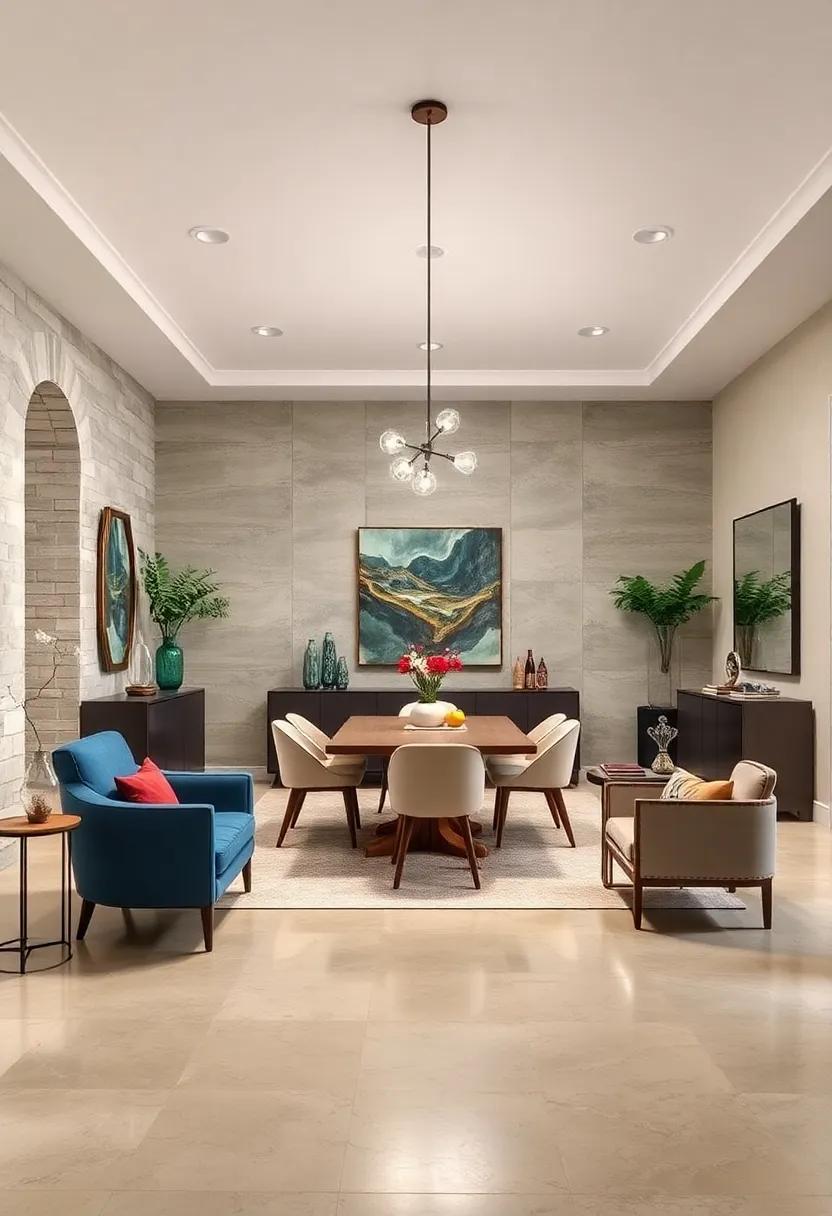
In any dining room, establishing a central feature serves to unify the space while enhancing its aesthetic appeal. A dramatic light fixture can illuminate your gathering area and create an atmosphere that invites conversation and connection.Consider pendant lights with unique geometric designs or oversized chandeliers that add flair and grandeur.Pairing these fixtures with a cohesive color palette or the room’s overall theme will not only complete the look but also draw guests’ eyes upwards, making the most of your ceiling height.
Alternatively, an eye-catching piece of art can anchor your dining room’s design, serving as a conversation starter and reflecting your personal taste. Choose a bold painting or an intricate wall sculpture that harmonizes with your furniture’s style. To enhance this focal point,use surrounding decor to create balance: soft table settings,complementary colors,and thoughtful accessories. By strategically placing these elements, you can craft a visually engaging space that feels both curated and inviting.
Flexible Seating Options: Mix-and-match various styles of chairs or add a bench to accommodate more guests and keep the dining experience casual
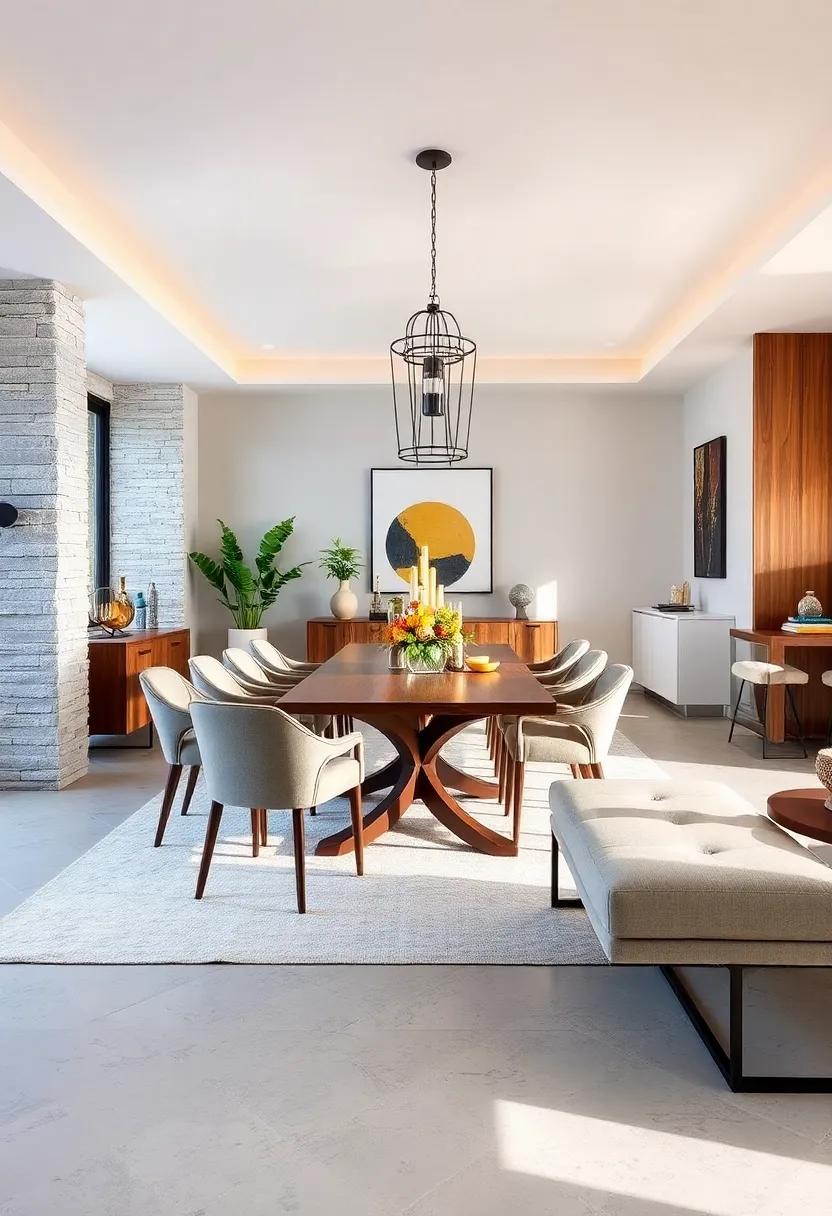
Incorporating a variety of seating styles in your dining room can create an inviting atmosphere that encourages casual conversations and gatherings. Consider mixing and matching chairs that reflect different aesthetics while maintaining a cohesive color palette. Some stylish options to explore include:
- Classic wooden chairs: Perfect for a rustic charm.
- Modern upholstered chairs: Add comfort with sleek designs.
- Industrial metal stools: Great for an urban vibe.
- Colorful accent chairs: Inject personality into your layout.
To further enhance the flexibility of your dining area, incorporating a bench can be an effective solution. Not only does a bench provide additional seating, but it also encourages a laid-back, communal feel. Think about a spacious bench that aligns with your table style. This combination leaves room for movement and can easily accommodate your guests. Here’s a quick overview of some potential bench options:
| Type of Bench | Ideal Style | Benefits |
|---|---|---|
| Wooden Bench | Rustic/Traditional | Sturdy and timeless. |
| Upholstered Bench | Modern/Chic | Added comfort and elegance. |
| Storage Bench | Functional/versatile | Hides clutter, provides seating. |
By exploring these diverse seating options,you can create a dynamic dining environment that is not only comfortable but also visually captivating.Embrace the potential of unique combinations to make every dining experience memorable.
invest in Quality: choose durable materials for your dining furniture that can withstand regular use while still looking elegant and stylish
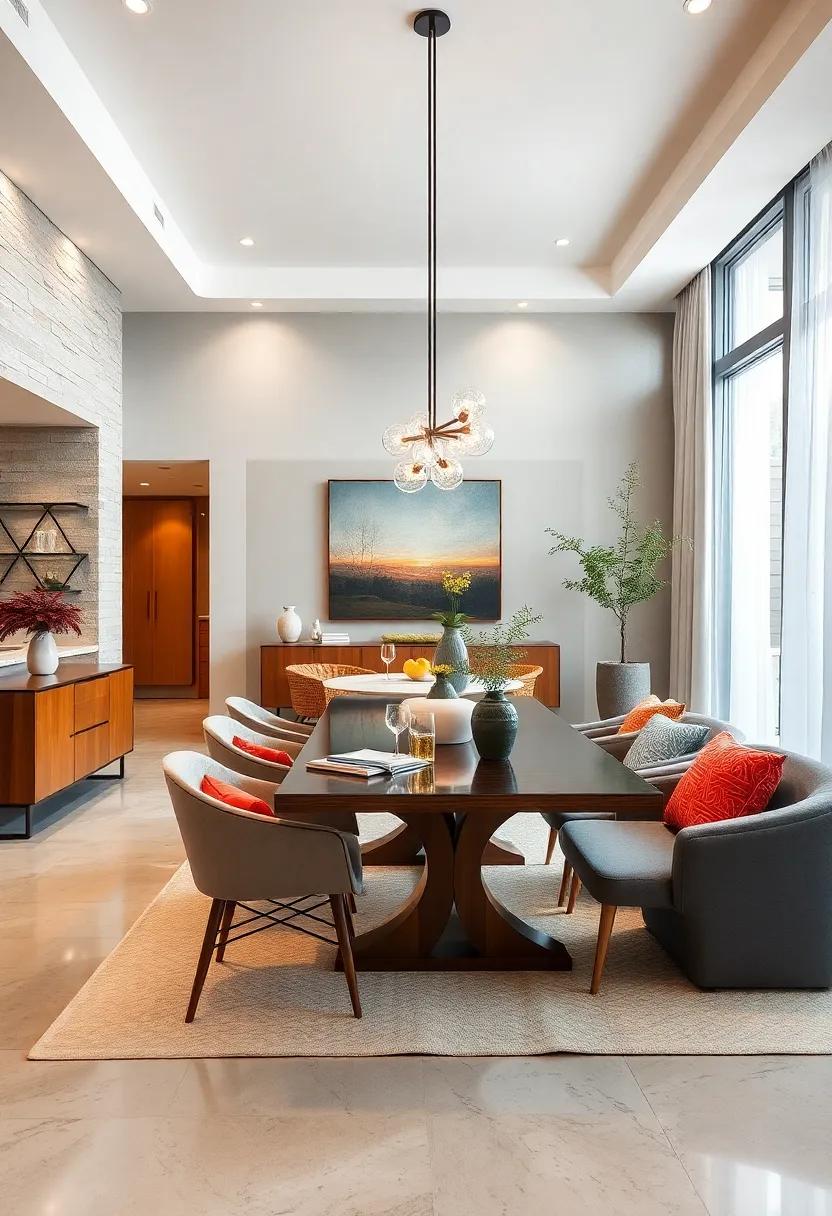
When selecting dining furniture, prioritizing quality is essential for ensuring the longevity of your pieces. Hardwoods like oak, maple, or cherry not only provide a sturdy foundation but also bring an element of luxury to your space. These materials develop a beautiful patina over time, enhancing their elegance. Upholstered chairs should feature high-density foam and durable fabrics,such as leather or high-thread-count cotton blends,which resist wear and stains. Choosing finishes like lacquer or varnish can give wooden tables and chairs added protection against scratches and spills while maintaining their stylish appearance.
Additionally,consider incorporating accents of metal or glass into your dining furniture for a contemporary touch. Metal bases or frames offer durability alongside a modern silhouette, while tempered glass tabletops add a sense of lightness, making your dining area feel more spacious. It’s also wise to look for pieces designed with ease of maintenance in mind—opt for materials that can be easily cleaned and are resistant to fading. By investing in quality furniture, you’ll create a dining environment where elegance and resilience coexist beautifully.
Decorate Vertically: Make use of wall space with shelves or artwork to draw the eye upwards,which can create a sense of height in smaller rooms
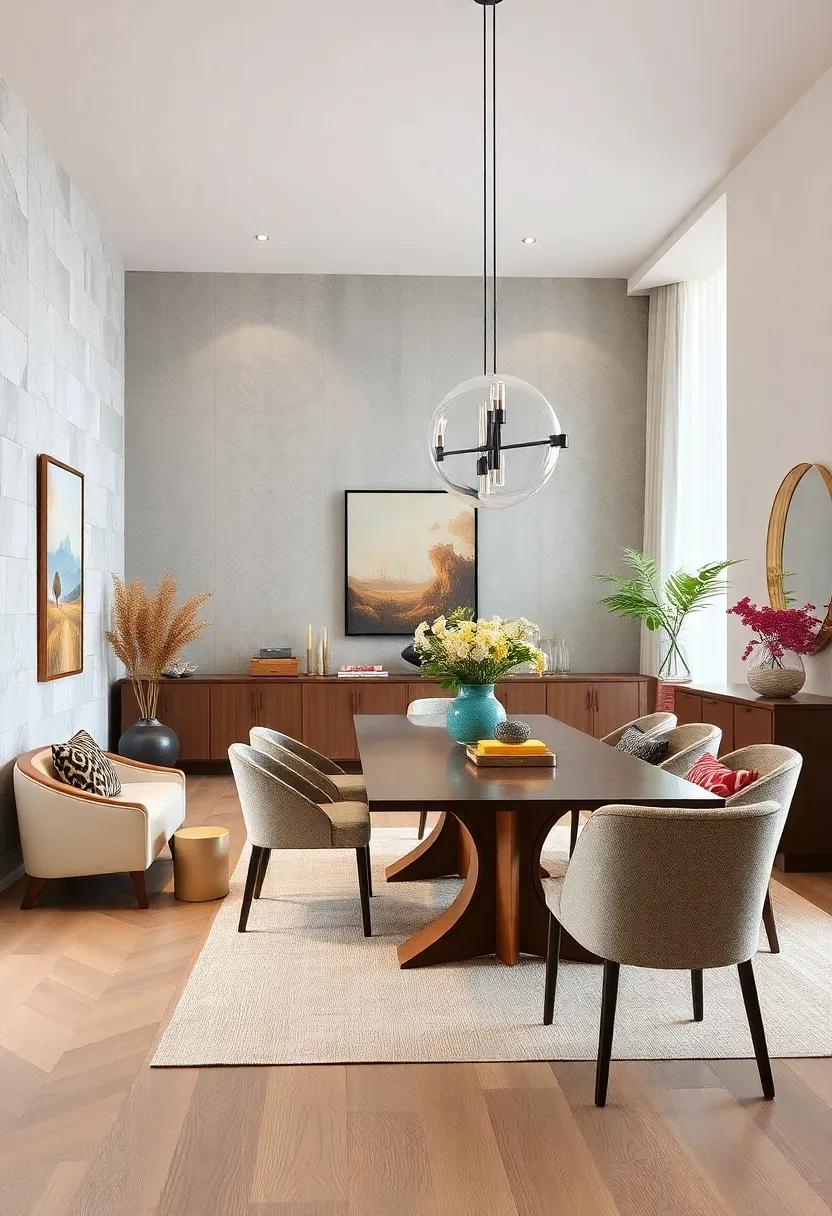
transforming the vertical space in your dining room can dramatically enhance the perception of size and style. Start by installing floating shelves to display decorative items, plants, or a curated collection of dinnerware. This not only adds personality but also utilizes wall space effectively, allowing you to find balance and interest at eye level and above. Consider creating a gallery of art with framed pictures, or even a few chic mirrors, to reflect light and give the illusion of an airy, expansive room. Use a mix of different frame sizes and shapes to keep the setup visually stimulating.
Along with shelves, hanging elements can also draw the eye upward. Install pendant lights at varying heights or consider a statement chandelier to anchor the space while elongating the walls. If you have higher ceilings, take advantage of them with tall bookcases or vertical planters that climb upwards, inviting the eye to roam. The key is to keep the floor space open and free-flowing so that your vertical decor becomes the focal point, enhancing the overall comfort of your dining area.
Choose Comfortable Chairs: Select dining chairs with adequate padding and back support to ensure your guests feel comfortable during long meals
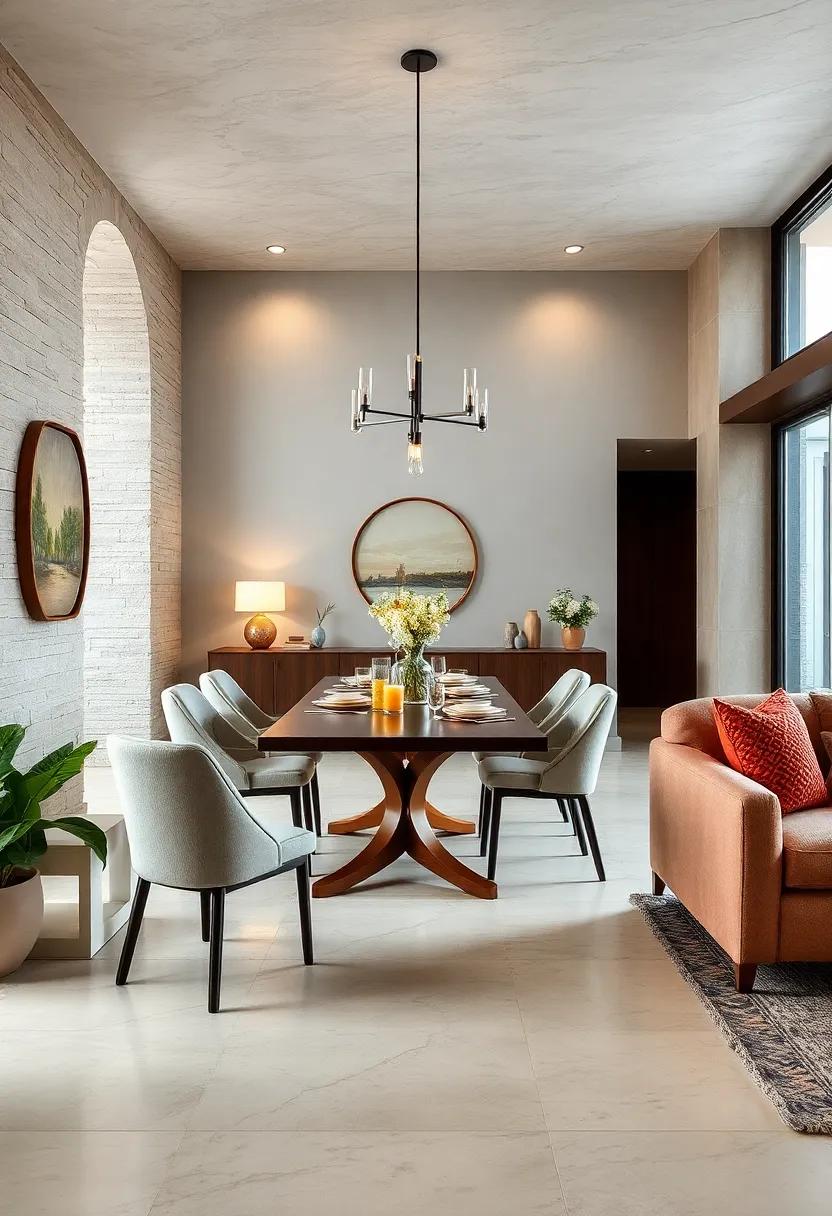
When setting the scene for a delightful dining experience, the choice of chairs plays a pivotal role. Opt for chairs that feature thick padding and ergonomic design, as they ensure that everyone at your table can relax and enjoy their meal without discomfort. Look for options that provide solid lumbar support, helping to maintain proper posture throughout the evening. This attention to comfort will not only enhance the dining experience but also encourage longer conversations and a more inviting atmosphere.
Additionally, consider the height and dimensions of your chairs in relation to your dining table. An ideal chair will allow for ample legroom while complementing the overall aesthetic of your dining space.Select a variety of styles that cater to both comfort and design, such as:
- Upholstered chairs: Soft and inviting, these chairs frequently enough feature rich fabrics.
- Wooden armchairs: Timeless and sturdy, providing a classic touch with added comfort.
- Swivel stools: Ideal for kitchen islands or open spaces, allowing flexibility and ease of movement.
Opt for Multi-functional Furniture: Consider extendable tables or storage solutions that can elevate the functionality of the dining room
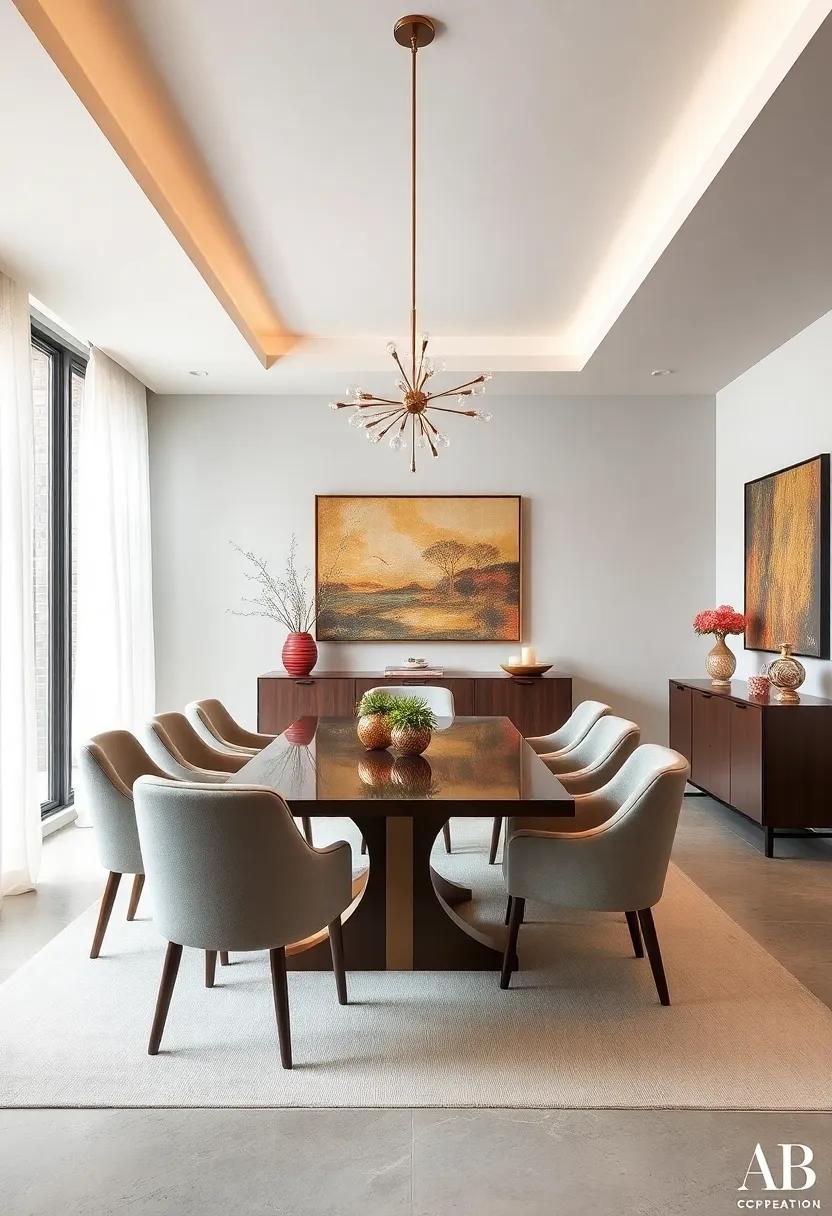
In today’s design landscape,multi-functional furniture is a key player in maximizing both space and utility. An extendable dining table serves as a perfect exmaple of this trend. Ideal for homes that occasionally host larger gatherings,these tables can easily transform from a cozy four-seat setup to an notable space for eight or more,allowing you to adapt your dining area to your needs without permanently sacrificing space. Additionally, consider investing in tables with built-in storage capabilities.With drawers or hidden compartments, these designs not only provide extra room for tableware or linens but also help maintain a clutter-free environment, enhancing the overall aesthetics of your dining area.
Beyond tables, storage solutions can further elevate the functionality of your dining space. Think about incorporating pieces like sideboards or buffets, which can serve dual purposes: displaying decorative items while also providing storage for dinnerware or serving utensils. open shelving can reflect your personal style with creative displays, while closed cabinets can keep everything organized and out of sight. Here’s a quick comparison of various multi-functional furniture options:
| Furniture Type | Functionality | Space Saving |
|---|---|---|
| Extendable Table | Adjustable seating for guests | Yes |
| Sideboard | Storage + Display | Moderate |
| Ottoman with Storage | Seating + Hidden Storage | Yes |
| Dining Bench | Seating + Versatile Layouts | Yes |
Color Coordination: Utilize a cohesive color palette that reflects your style while maintaining a balanced look, enhancing the overall vibe of the space
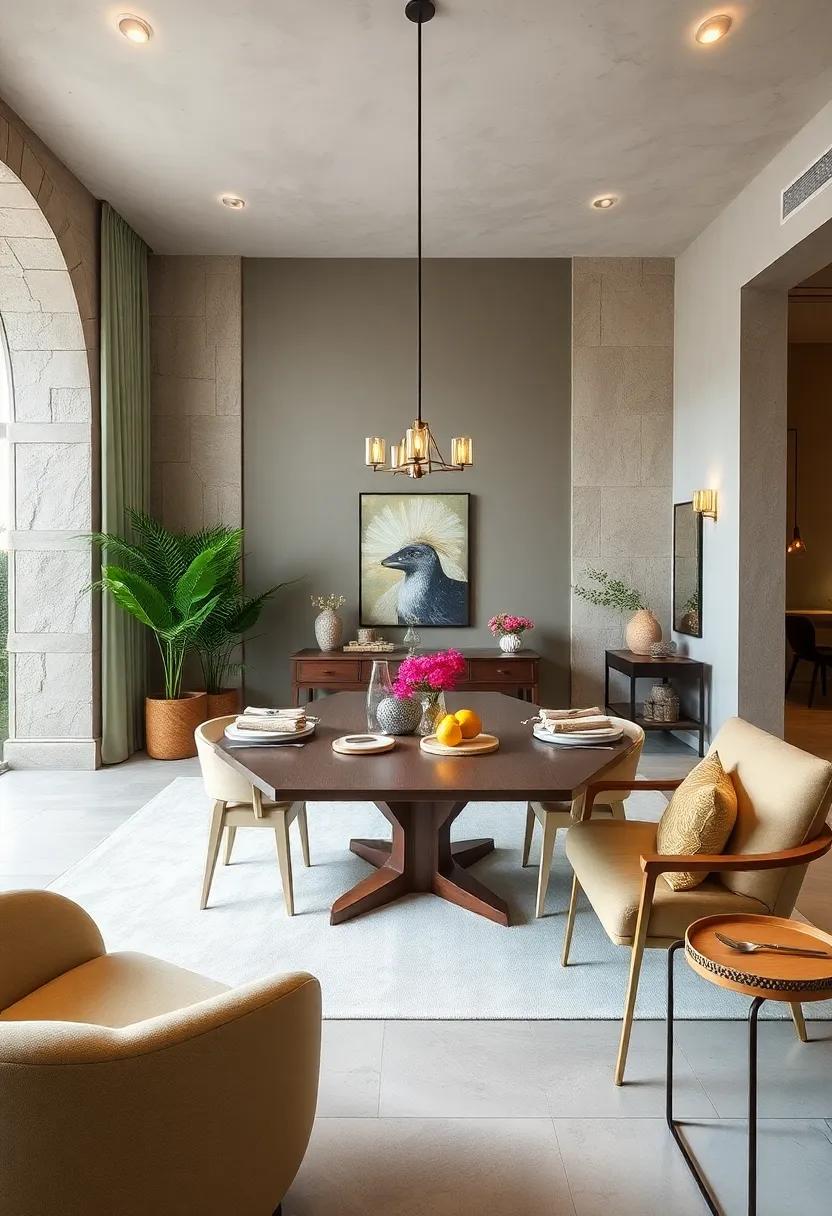
Creating a visually appealing dining room starts with a well-chosen color palette that harmonizes with your personal style. Begin by selecting a few key colors that resonate with your aesthetic—these can range from calming neutrals to vibrant hues, depending on the atmosphere you wish to cultivate. Opt for complementary colors that work together seamlessly rather than competing with each other.As a notable example, pairing soft pastels with earthy tones can evoke serenity and warmth, making the space inviting for family gatherings and dinner parties. Remember to consider the overall vibe of your home; a unified color scheme will help maintain a smooth flow from one room to another.
To refine your palette, utilize color swatches or digital design tools to visualize how they interact within the space. Incorporate these colors into various elements such as tableware, upholstery, and wall art to create interesting focal points. For those who seek a more dramatic effect, consider adding accent colors in small doses to provide contrast without overwhelming the senses. A well-placed statement piece, such as a decorative vase or a striking piece of artwork, can serve as a beautiful anchor that ties the entire color scheme together. With careful selection and thoughtful integration,your dining room can become a reflection of your unique style while delivering a balanced and inviting atmosphere.
Personal Touches: Incorporate family heirlooms or personal items to make the space feel uniquely yours and add depth to your dining experience
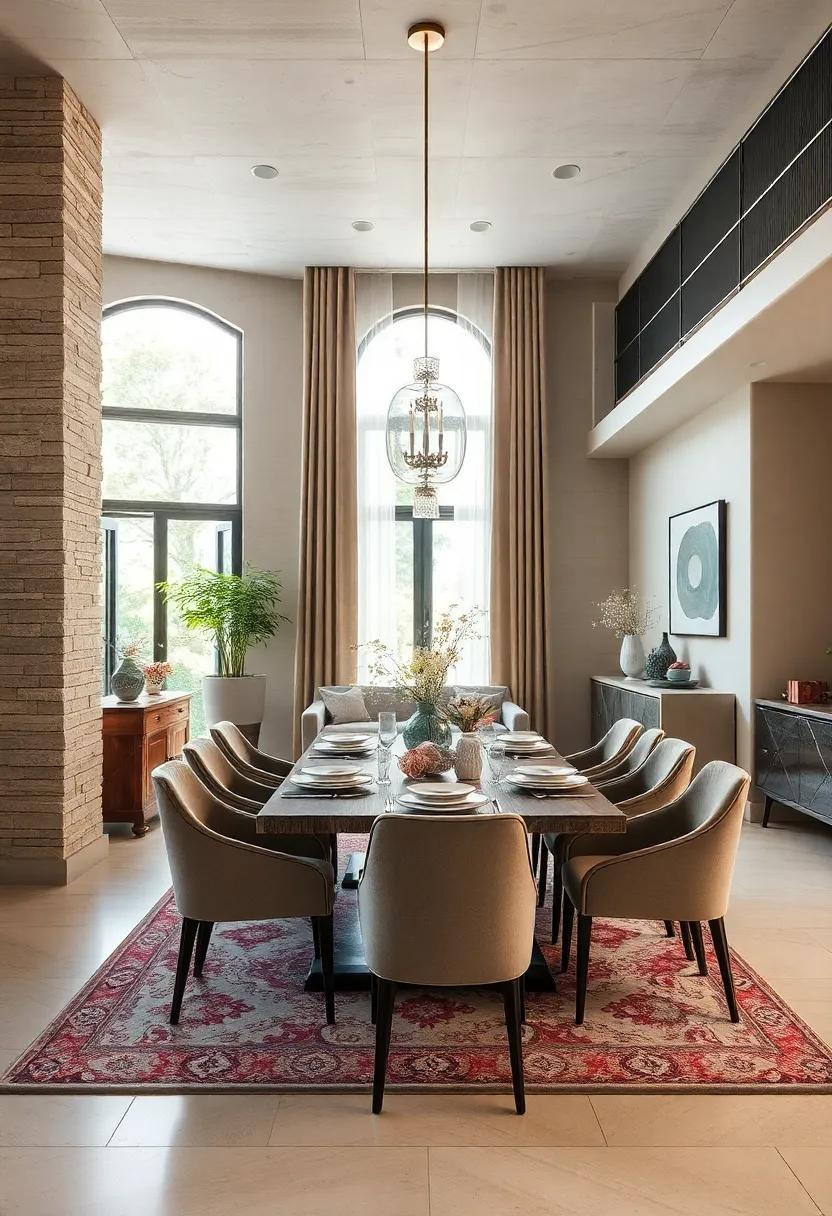
Transforming your dining room into a haven of warmth and nostalgia can be as simple as incorporating meaningful artifacts from your family history. Consider using cherished family heirlooms such as grandma’s antique china, vintage silverware, or even an old wooden dining table that holds stories from generations past. Each item tells a story, creating a rich tapestry that not only decorates your space but also invites conversation and connection during meals. Surrounding your dining area with these pieces enhances the atmosphere and provides a unique backdrop that reflects your family’s journey through time.
In addition to heirlooms, personal items can breathe life into your dining area, giving it a unique touch that sets it apart. Display framed photographs from family gatherings, perhaps interspersed with artworks created by your children or descendants, highlighting the joy and creativity within your home. You might also consider adding a small shelf or cabinet to showcase your eclectic collection of travel souvenirs and gifts from loved ones, serving as conversation starters and bringing warmth to the dining experience. By thoughtfully curating personal touches, you create a room that not only serves meals but also narrates your family’s story, evoking fond memories and fostering stronger bonds at every gathering.
consider natural Elements: Integrate plants or natural materials like wood and stone to bring a touch of the outdoors inside and promote a calming atmosphere
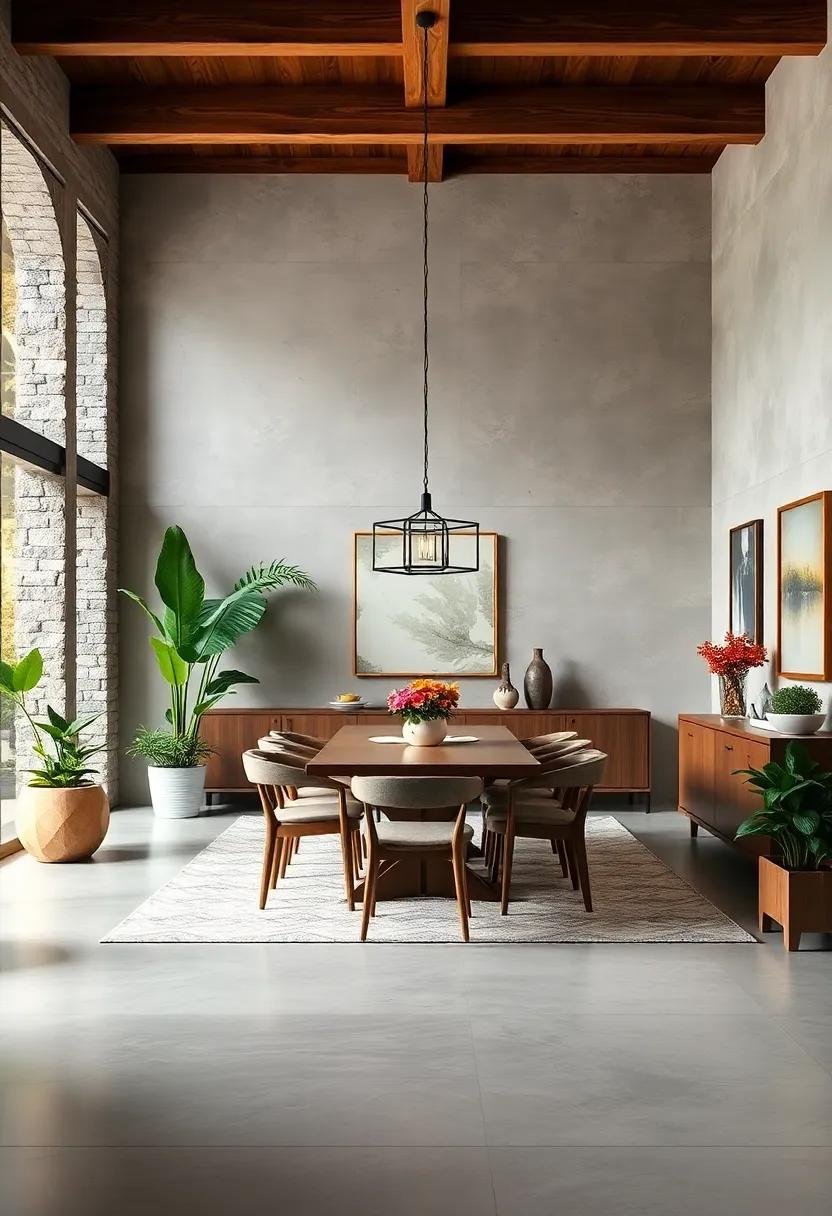
Incorporating natural elements into your dining room can create a serene and inviting environment that enhances overall comfort. Consider using indoor plants; they not only purify the air but also add a vibrant touch of greenery. Options such as snake plants, pothos, or succulents are low-maintenance choices that thrive indoors. Pair them with wooden furniture to evoke a sense of warmth. Choose pieces with a natural finish or reclaimed wood to enhance character and sustainability. Don’t forget about stone accents—a small stone centerpiece or a slate serving platter can seamlessly merge nature into your dining space.
To further integrate natural materials, look for decor items that highlight earth tones and textures. Textiles made from organic fibers, such as linen or cotton, work well as table runners or napkins, providing a tactile experience that complements the rustic vibe. Additionally, consider painting your walls in soft shades inspired by nature, perhaps a muted green or warm beige, to create a cohesive look. To help visualize these ideas, here’s a simple table showcasing options for integrating natural elements:
| Natural Element | Suggestions | Benefits |
|---|---|---|
| Plants | Snake plant, pothos, succulents | Air purification, color |
| Wood | Reclaimed furniture, wooden accents | Warmth, sustainability |
| Stone | Centerpieces, serving dishes | Durability, texture |
| Textiles | Linen table runners, cotton napkins | Tactile comfort, natural aesthetic |
Maintain Clean Lines: Choose minimalist furniture and decor to create a sleek, modern dining room that feels spacious and uncluttered
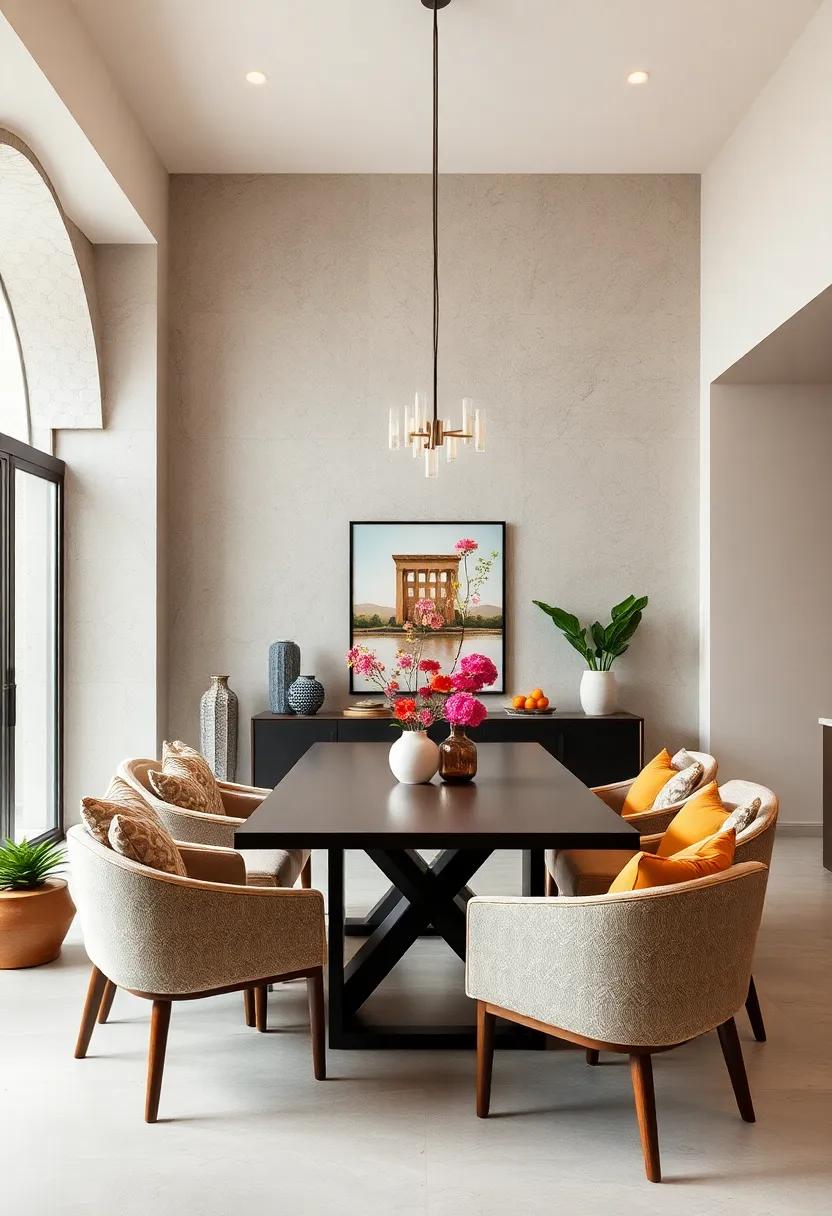
Incorporating minimalist furniture and decor into your dining room can dramatically enhance its overall aesthetic and functionality. Choose pieces with clean lines and simple silhouettes to foster an airy atmosphere. Think of a sleek wooden dining table paired with chairs that offer comfort without unnecessary embellishments. When selecting decor, opt for a few carefully curated items that reflect your personal style, such as minimalistic vases or abstract wall art, rather than cluttering the space with excessive trinkets. This approach not only creates a cohesive look but also ensures the room feels spacious and inviting.
To further emphasize this uncluttered design, consider utilizing clear elements like glass tabletops or acrylic chairs. These materials promote visual flow and help to make the room feel larger while maintaining modernity. Additionally, embrace a neutral color palette; shades of white, gray, or beige can serve as a calming backdrop that complements your minimalist theme. When done right, a combination of thoughtful furnishings, strategic color choices, and limited decor can transform your dining area into a chic and comfortable retreat for family gatherings and dinner parties alike.
Curtains for comfort: Use soft drapes to bring warmth and texture, while allowing natural light to filter through during the day
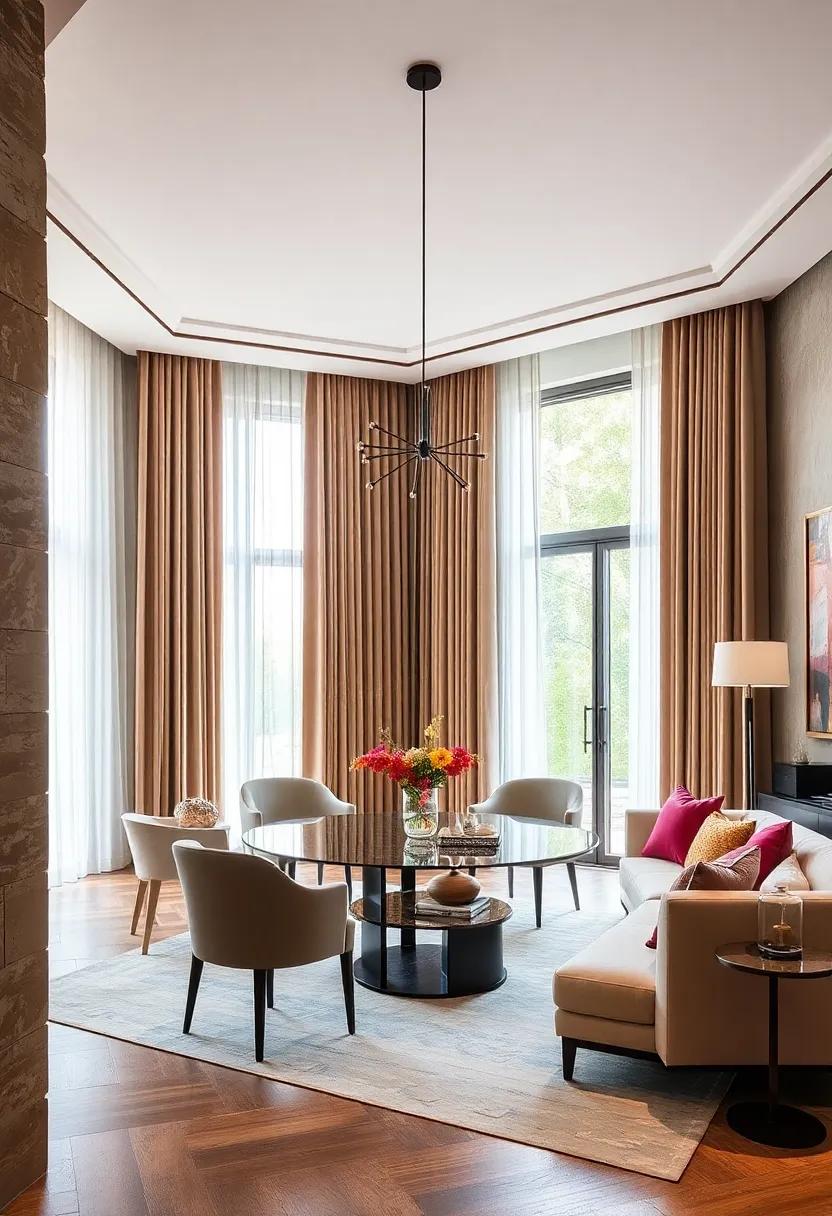
Opting for soft drapes can transform your dining room into a haven of warmth and comfort. By choosing fabrics such as linen or cotton with a light, airy feel, you not only add texture but also enhance the visual appeal of the space.the gentle draping creates a cozy atmosphere while allowing ample sunlight to filter through, creating an inviting ambiance that’s perfect for both intimate dinners and lively gatherings.Consider these tips for incorporating soft drapes:
- Layering: Combine sheer curtains with heavier drapes for versatility and enhanced light control.
- Neutral Tones: Choose soft, neutral colors to complement your dining room décor while maintaining a bright, open feel.
- Length Matters: Floor-to-ceiling drapes can give the illusion of higher ceilings, making the room feel more spacious.
Pairing these drapes with thoughtfully chosen hardware can also elevate the aesthetic of your dining room. Opt for stylish curtain rods that blend with your overall design theme. Here’s a simple table to illustrate ideal fabric choices and their benefits:
| Fabric | Benefits |
|---|---|
| Linen | Breathable and lightweight,allows light to filter beautifully. |
| Cotton | Easy to maintain and versatile for various styles. |
| Sheer polyester | Durable and offers a soft glow while maximizing natural light. |
Establish Zones: If your dining room is part of a larger space, consider furniture placement that delineates the dining area from other activities, creating a harmonious flow
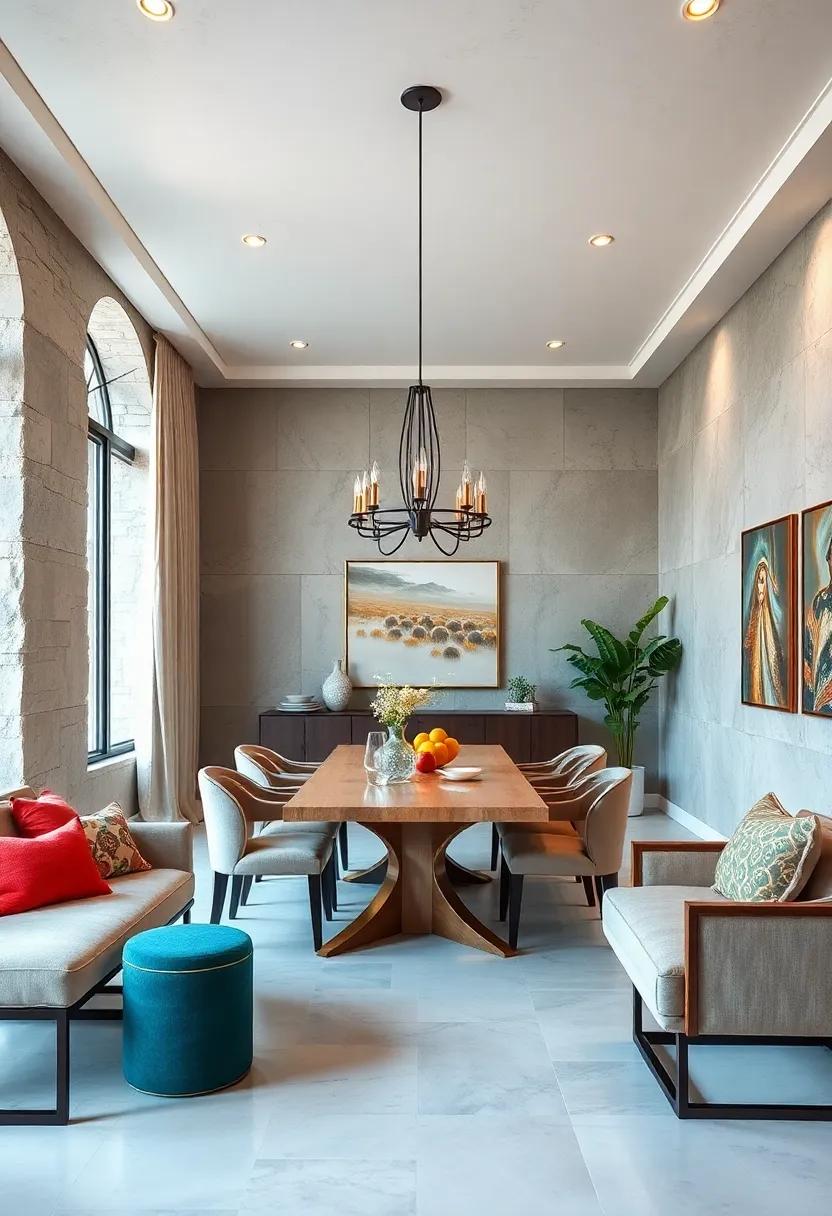
To create a defined dining area within an open space, start by examining your furniture arrangement. position your dining table as the focal point, ensuring it’s large enough to accommodate your guests comfortably while still allowing for movement around the room. you can use elements such as area rugs to visually separate the dining space from adjacent areas.A well-placed rug under the table not only provides warmth but also subtly signals the boundaries of the dining zone, promoting a cozy atmosphere.
In addition to rugs, consider incorporating other delineating elements such as furniture and decor. A console table or a stylish shelving unit can serve as a buffer between the dining area and the living space, offering both functionality and style. Additionally, using plants or decorative screens can enhance the feeling of separation without closing off the area entirely.this balance creates a smooth flow between different activities, allowing each zone to shine while still feeling part of a cohesive environment.
Seasonal Decor: Refresh your dining room with seasonal accents like centerpieces or table settings to keep the space feeling lively throughout the year
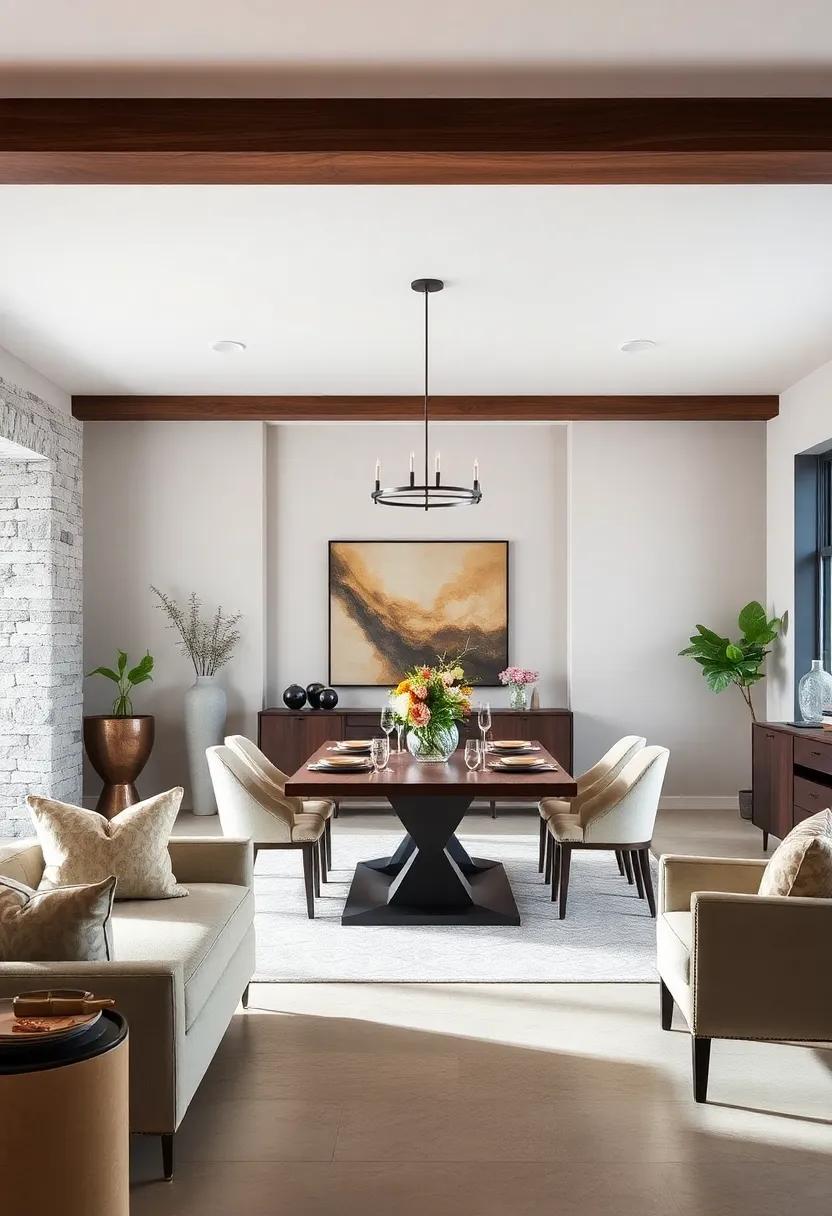
Transform your dining room into a dynamic space that reflects the changing seasons. Start by selecting centerpieces that embody the essence of each season. in spring,consider a vibrant floral arrangement featuring tulips or daffodils. Summer can be represented with a cheerful fruit bouquet, while autumn deserves a rustic display of gourds and fall foliage. For winter, delicate snow-inspired decorations or evergreen branches can create a cozy atmosphere. These centerpieces not only draw attention but also enhance the mood of your dining area.
Complement your centerpieces with themed table settings that can be easily interchanged. Use seasonal colors for table runners and cloth napkins to add a splash of vibrancy. Here’s a quick guide for seasonal color palettes:
| Season | Color Palette |
|---|---|
| Spring | Pastels: Pink, Mint, Lavender |
| Summer | Brights: yellow, Coral, Aqua |
| Autumn | Warm Tones: Orange, Rust, Olive |
| Winter | Cool Tones: Ice Blue, Silver, Deep Green |
To further enhance your seasonal decor, consider incorporating seasonal accents such as themed placemats, custom coasters, or decorative chargers. These small yet impactful additions breathe life into your dining space and refresh the aesthetic periodically, inviting warmth and joy for any gathering.
Strategically Position Mirrors: Use mirrors to reflect light and create the illusion of more space in your dining area, enhancing the overall brightness
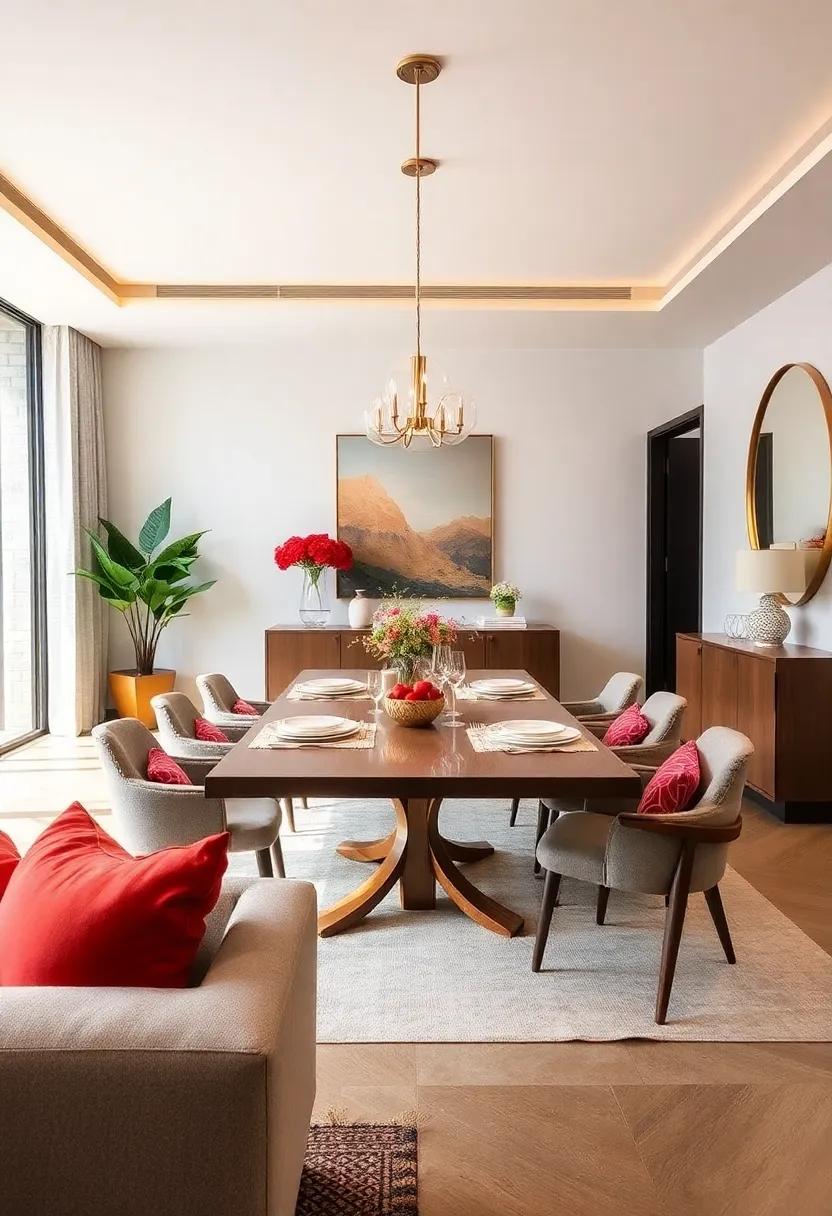
One of the most impactful ways to transform your dining area is by incorporating mirrors into your design scheme.These reflective surfaces do more than just amplify light; they can completely alter the spatial perception of the room. By placing a large mirror on the wall opposite a window or light source, you can create a striking effect where sunlight bounces around the room, enhancing brightness throughout the day. To maximize this effect, consider the shape and style of the mirror; a round mirror can soften angular spaces, while a large rectangular mirror can create the illusion of a grander dining experience.
Think about different placements and configurations for your mirrors. Wall-mounted mirrors directly above a sideboard or buffet can draw the eye upward, giving the impression of a taller ceiling. Meanwhile, decorative mirrored accents on tabletops or side tables can provide a chic and cohesive look that complements your dining decor. Use smaller mirrors as part of a gallery wall for a visually engaging effect. This layering of reflective surfaces will not only brighten your dining area but also create a sense of depth and sophistication, making your gatherings feel more spacious and inviting.
Opt for Custom Solutions: If your space is uniquely shaped, consider bespoke furniture or layouts that fit perfectly into your environment
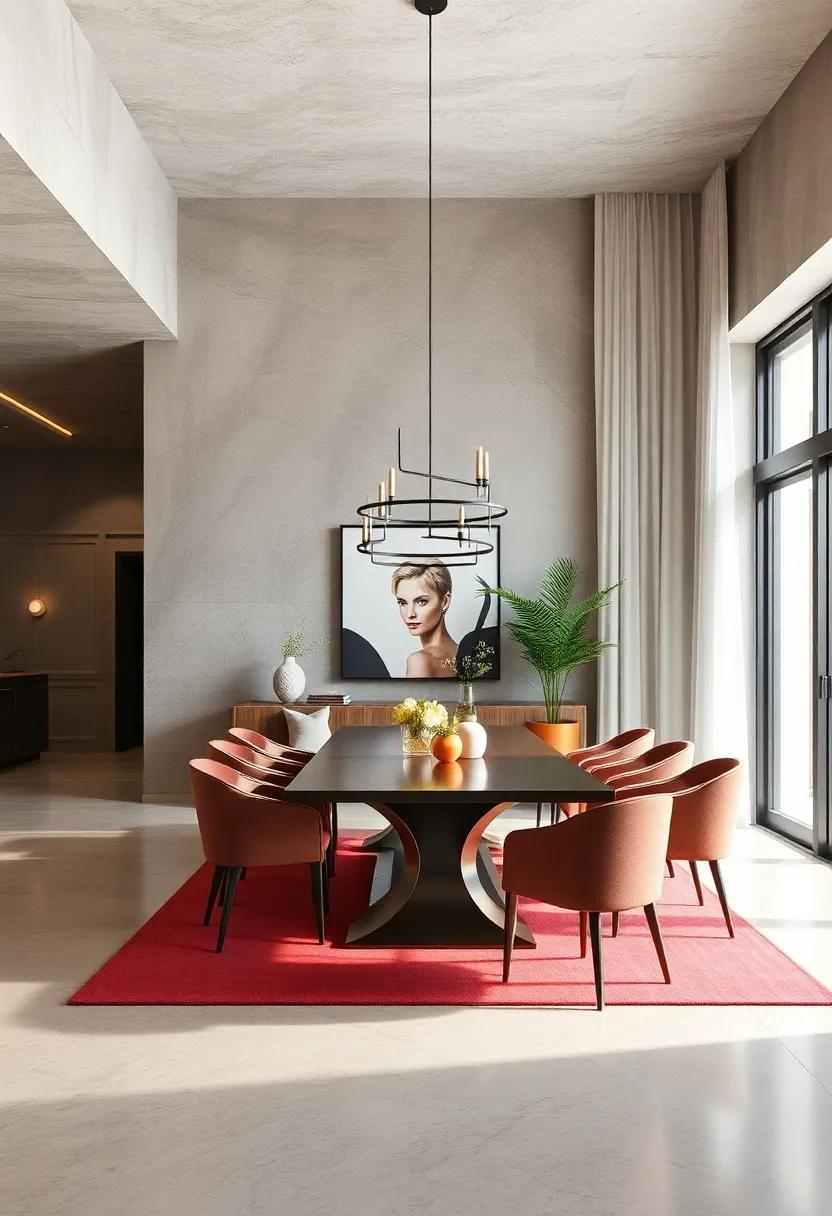
When it comes to designing a dining room that reflects your personal style while maximizing functionality, opting for custom solutions can be a game changer. Uniquely shaped spaces often present challenges,but with bespoke furniture and tailored layouts,you can transform awkward corners into inviting nooks. Consider furniture options that are not only aesthetically pleasing but also ergonomically designed to fit your space perfectly. This could mean investing in a custom table that contours uniquely to the shape of your room, or seating that is designed to complement both the style and scale of your dining area.
Creating a harmonious environment involves considering your specific needs and preferences. Custom cabinetry can serve dual purposes, providing both storage and a place to showcase decorative items, while also being meticulously designed to suit the dimensions of your dining room. As an example, you could incorporate hidden drawers to keep utensils or table linens organized without sacrificing style. A well-thought-out layout with bespoke pieces will ensure you utilize every inch of your space, leading to a more functional and enjoyable dining experience.
Enhance Acoustics: Introduce soft furnishings like curtains and upholstered chairs to absorb sound and create a more pleasant dining experience
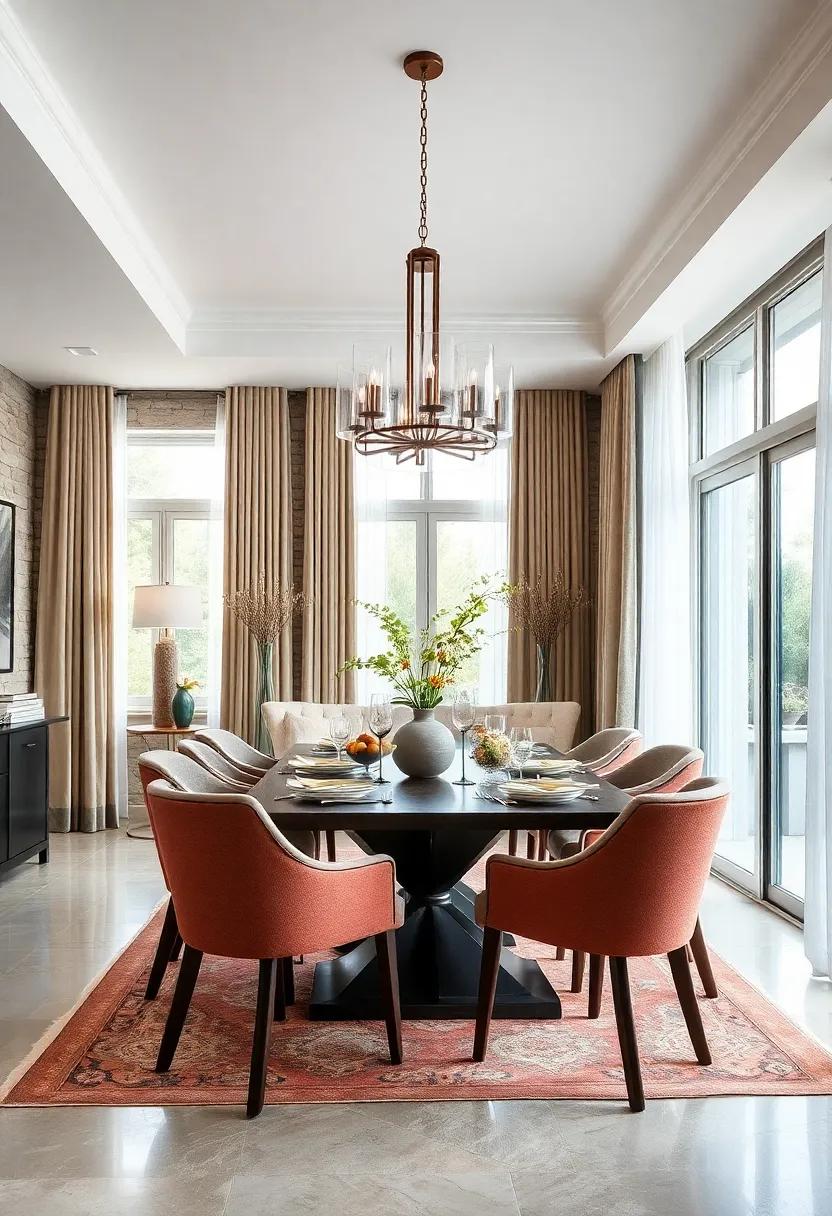
To create a dining atmosphere that invites conversation and enhances enjoyment, consider incorporating a selection of soft furnishings. Curtains can work wonders in softening the soundscape of your dining room, absorbing excess noise that comes from hard surfaces. Choose fabrics with texture and weight; these will not only improve acoustics but also add visual warmth to the space.Upholstered chairs are another fantastic addition, as their cushioned seats and backs help muffle sound while providing guests with optimal comfort.Pairing these elements cultivates an environment where laughter and conversation can flow freely, making meals more enjoyable.
Additionally, think about layering textures throughout the room. Area rugs under the dining table can not only anchor the space visually but also act as an acoustic barrier, further deadening sound reverberation. If you’re keen on elevating the aesthetics, consider options like velvet or wool, which are both stylish and functional. Here’s a quick overview of the different types of soft furnishings you can use and how they contribute to your dining experience:
| Furnishing Type | Acoustic Benefit | Aesthetic Contribution |
|---|---|---|
| Curtains | Absorbs sound and prevents echo | Adds warmth and color to the space |
| Upholstered Chairs | Muffles noise for quieter dining | Increases comfort and style |
| Area Rugs | Reduces sound reflection | Enhances visual comfort |
Aim for Cohesion: ensure that your dining room decor aligns with the overall style of your home, creating a unified look throughout
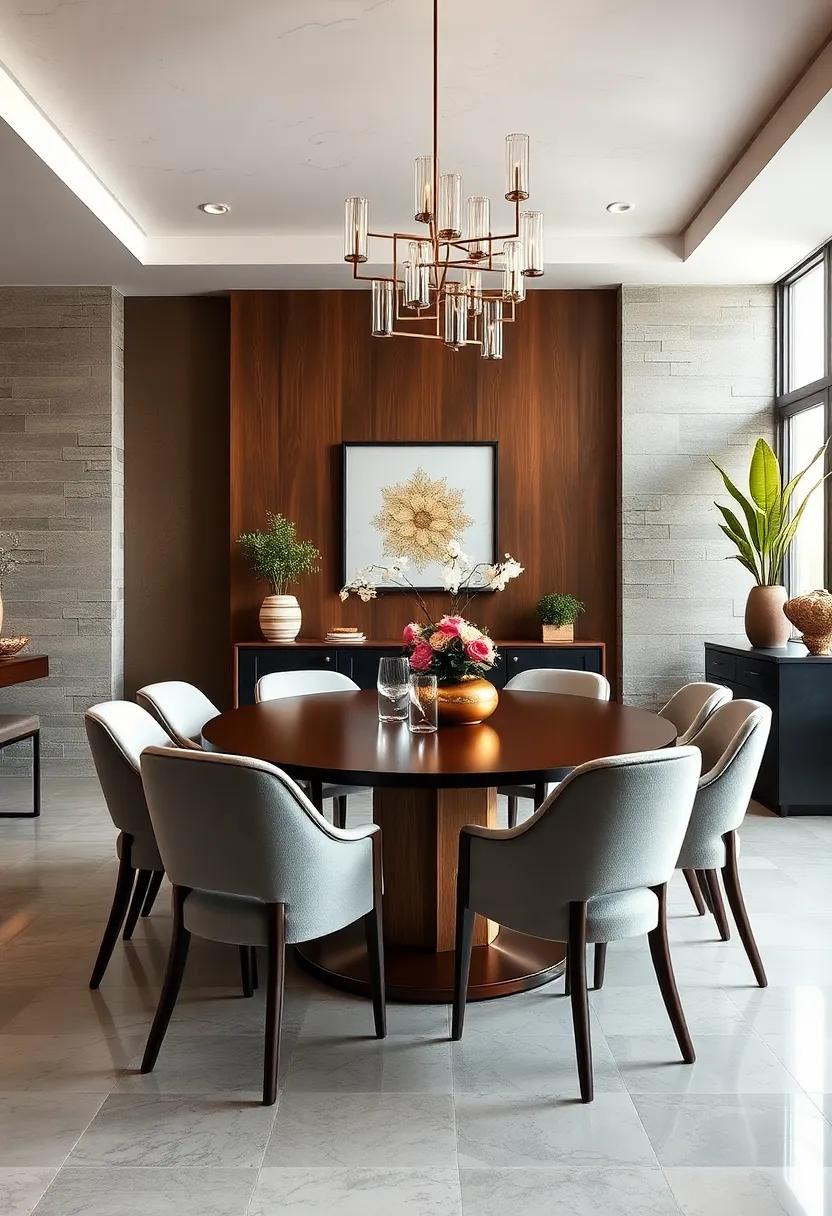
Maintaining a consistent aesthetic across your home can transform your space into a haven of harmony. When considering your dining room decor, think about the overarching style of your home. Whether your abode is modern, rustic, or transitional, your dining area should seamlessly reflect this theme to create an inviting atmosphere. Here are some elements to consider:
- Color Palette: Choose colors that complement the rest of your home to create continuity. This can involve matching wall colors,or using décor items that echo tones from adjacent spaces.
- Materials and Textures: Use similar materials like wood, glass, or metal throughout your home. For example, if your living room features wooden accents, select a dining table or chairs that embody this same richness.
- Furniture style: Select dining room furniture that reflects the style of surrounding rooms.If your home leans toward contemporary designs, consider sleek lines and minimalistic forms.
Incorporating artistic accents that resonate with the rest of your décor can also enhance the sense of cohesion. Consider these ideas:
| Accent Choice | Style Connection |
|---|---|
| Artwork | choose pieces that echo colors or themes found in your living room. |
| Lighting | Match the chandelier or pendant with other light fixtures for a unified glow. |
| Table Linens | Use fabrics that mimic the upholstery or drapery in nearby areas. |
This careful consideration of elements not only amplifies the beauty of your dining area but also establishes a narrative throughout your home, enhancing both aesthetics and comfort.
Maximize Light Sources: Position your dining table near windows to take advantage of natural lighting during daytime meals, enhancing the mood
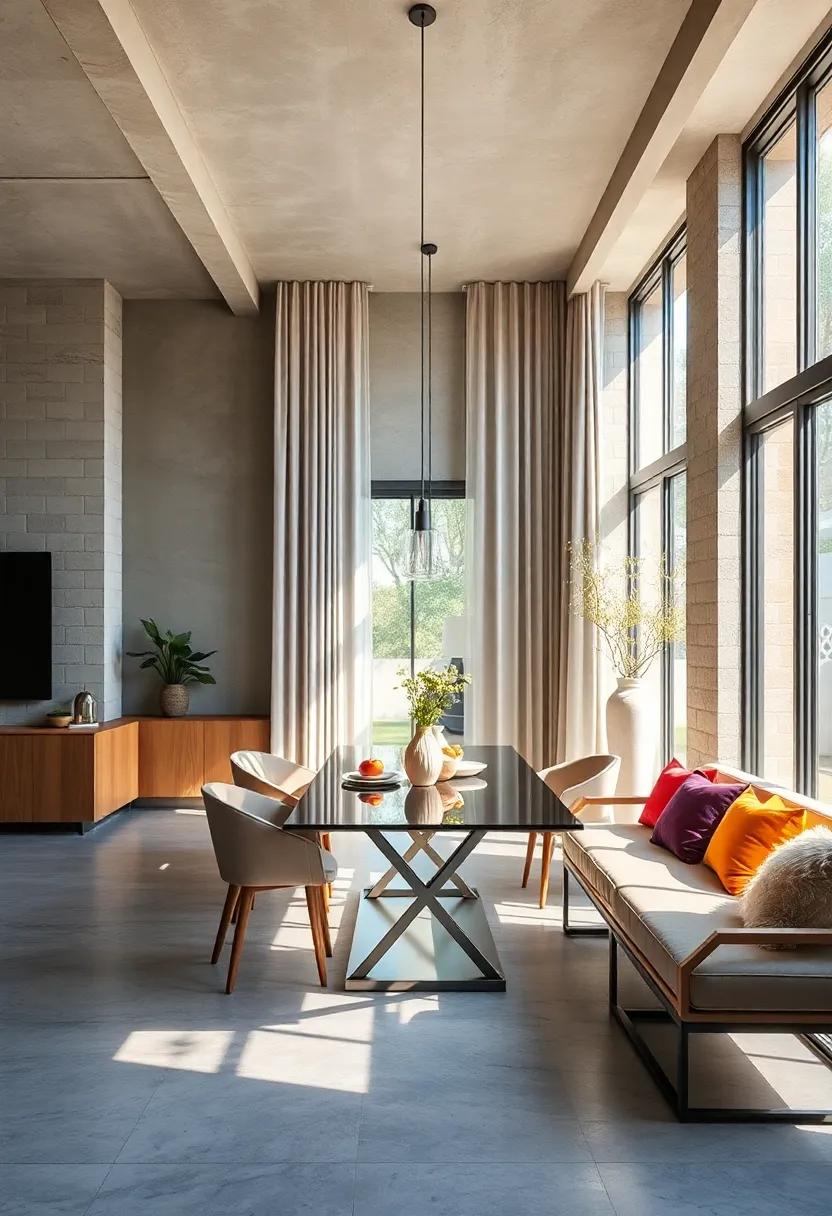
Positioning your dining table near windows not only invites beautiful outdoor views into your home but also harnesses the power of natural light to create a warm, inviting atmosphere. Dining during the day in a sunlit setting can transform everyday meals into delightful experiences. Consider the following tips to make the most of natural lighting:
- Window Treatments: Opt for sheer curtains or shades that allow light to flood in while providing some level of privacy.
- Table Placement: Align your dining table parallel to the window to maximize exposure to direct sunlight, preventing shadows from obstructing the ambiance.
- Reflective Surfaces: Incorporate mirrors or glass elements nearby to amplify the natural light and create an illusion of a brighter space.
Furthermore, the time of day and seasons can effect your dining experience significantly.Pay attention to light patterns that change throughout the year, as dining during the golden hour can offer a magical glow that enhances your meals. To effectively harness this shifting light, use the table below to identify optimal times for your dining setup:
| Season | Best Time for Natural Light |
|---|---|
| Spring | 11 AM – 2 PM |
| Summer | 9 AM - 1 PM |
| Autumn | 10 AM – 3 PM |
| Winter | 11 AM – 2 PM |
Create a Conversation Area: Include a small seating nook within your dining room for casual chats before or after meals, adding versatility to the space
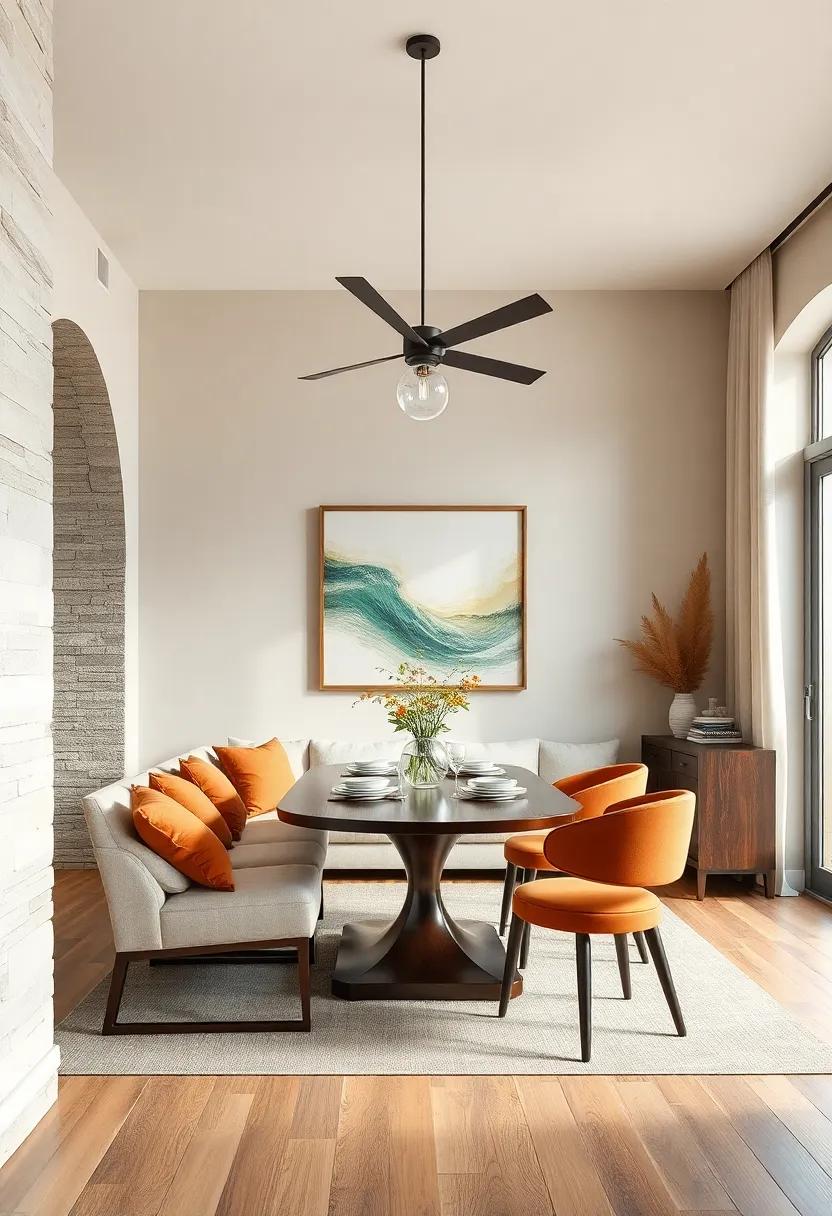
Incorporating a cozy seating nook in your dining room can transform the atmosphere, making it a welcoming space for both dining and relaxation. Position a small round table surrounded by comfortable chairs or even a stylish bench, creating an inviting spot for family and friends to gather. This dedicated area encourages casual conversations and fosters connection, whether it’s a pre-meal discussion or a leisurely after-dinner chat over coffee. Consider adding some soft cushions and a decorative throw to enhance comfort and style, making it an irresistible corner to unwind in.
To maximize functionality, think about the placement of the nook. Ideally, it should be near the dining area but slightly removed, allowing for a natural flow of movement. You can frame this space with a unique lighting fixture, such as a pendant lamp or a small chandelier, that adds warmth and character. Additionally, consider using colorful artwork or a gallery wall next to the nook to create an engaging visual appeal. This not only makes the nook inviting but also contributes to the overall design of the dining room, seamlessly blending style with purpose.
Balance function and Design: While aesthetics are key, never compromise on functionality; create a space that serves your needs just and also it pleases the eye
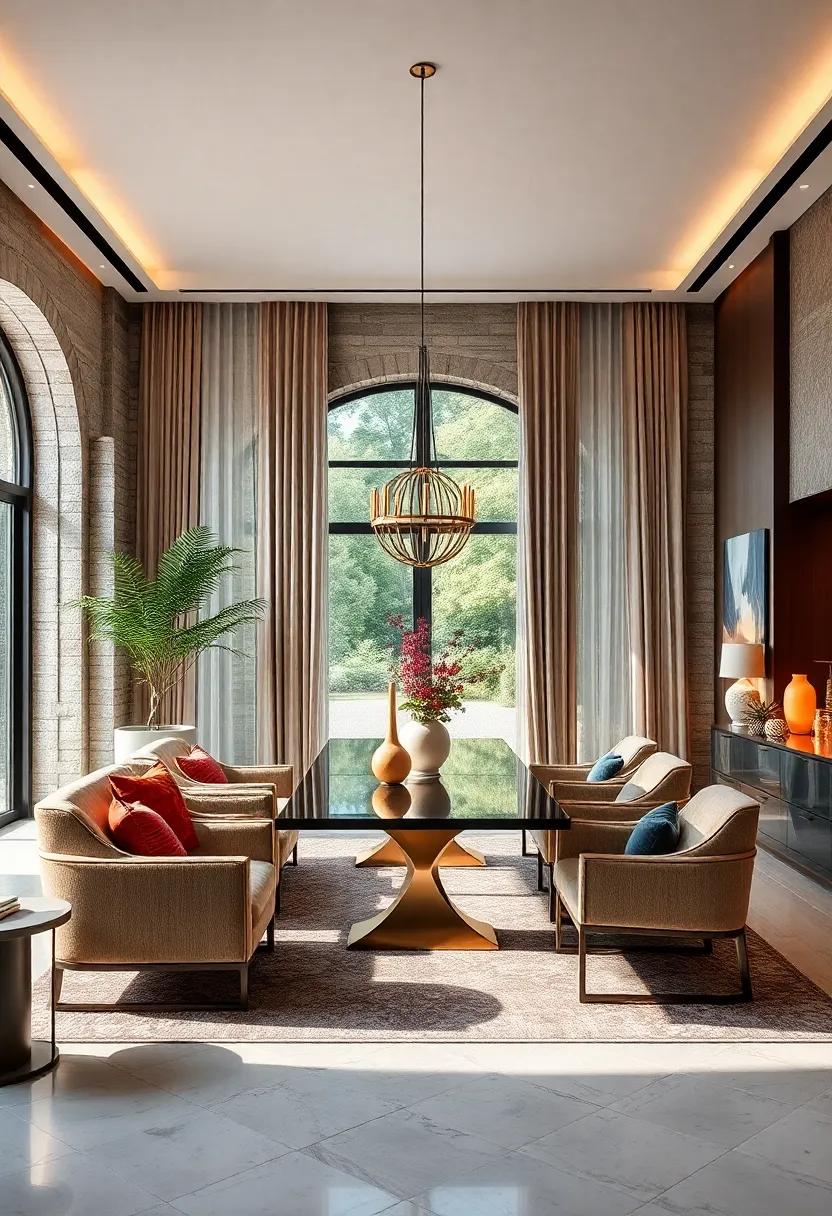
When curating your dining room, it’s essential to strike an equilibrium between eye-catching design and everyday functionality. Choose furniture that not only enhances the aesthetic appeal of your space but also fulfills the practical requirements of your household. Consider the following elements that bridge style and utility:
- Dining Table Size: Opt for a table size that comfortably accommodates your family and guests without overcrowding the room.
- Chair Comfort: Prioritize ergonomic chairs, ensuring ample support for long meals while complementing your décor.
- Lighting Choices: Elegant fixtures can set a mood, but make sure they provide sufficient illumination for dining activities.
- Storage Solutions: Select stylish sideboards or shelves that offer storage for dining essentials and can serve as decorative focal points.
The layout of your dining space should cater to both social gatherings and daily use.To effectively balance design with practicality,implement strategic arrangements that enhance flow while maintaining visual appeal. As an example, keep pathways clear around the table for easy mobility, and consider the following layout tips:
| Layout Type | Benefits |
|---|---|
| Open concept | Boosts natural light and creates an inviting atmosphere. |
| Rectangular Table Placement | Enhances conversation by grouping diners along one side. |
| Round Table Setting | Encourages intimate dialog and maximizes space efficiency. |
By prioritizing both aesthetic and functional aspects in your dining room layout,you create not just a space that looks good but one that truly serves as the heart of your home.
Personalize with Unique Table Settings: Use distinctive tableware or linens that reflect your style and make dining more special for you and your guests
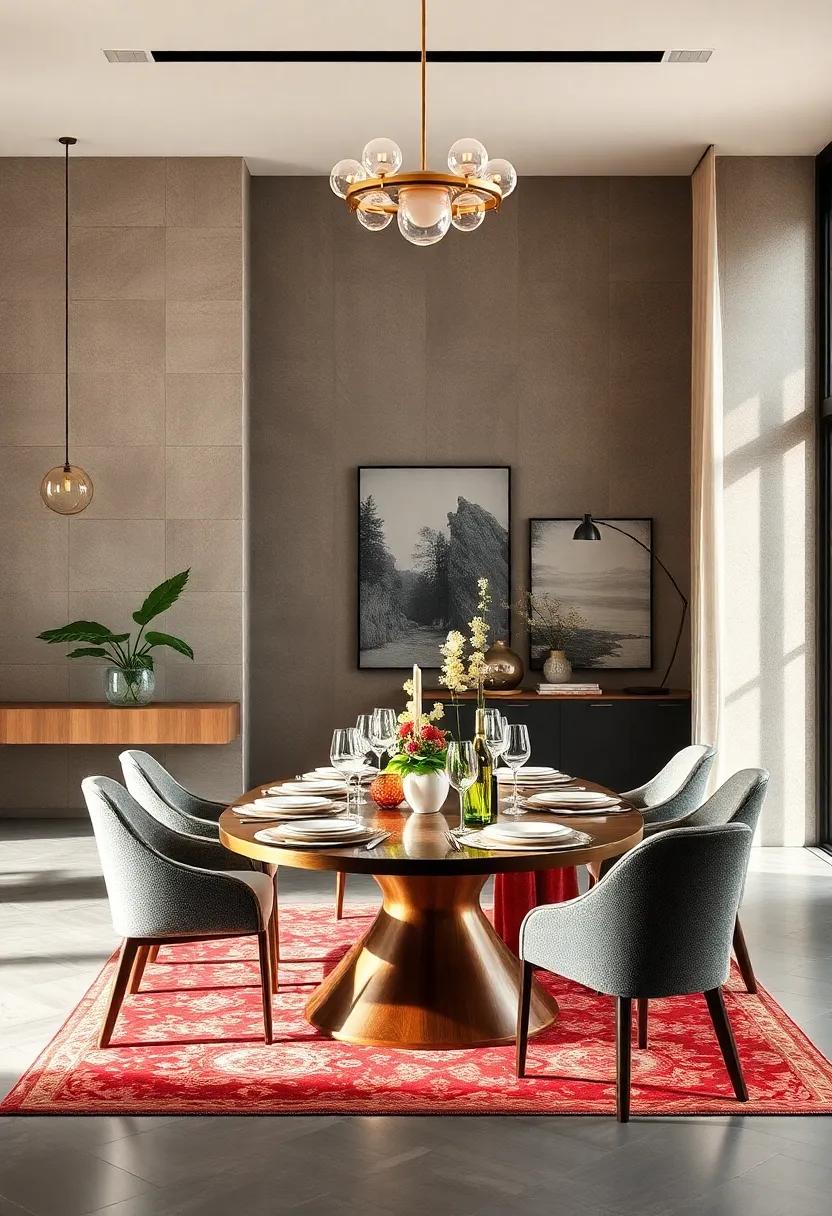
Transform your dining experience into a visual feast by incorporating distinctive tableware and linens that resonate with your personal flair. Whether you prefer a bohemian charm, a modern minimalist vibe, or classic elegance, the right combination can elevate the atmosphere significantly. Mix and match unique plates, glasses, and utensils, and don’t shy away from bold colors or patterns that reflect your personality. Some suggestions include:
- Hand-painted dishware: Adds an artisan touch.
- Textured linens: Choose tablecloths or runners with intricate designs.
- Seasonal accents: Use decorations that align with holidays or seasonal themes.
- Vintage finds: Incorporate heirloom pieces for a nostalgic appeal.
In addition to selecting striking tableware,consider the importance of complementary accents. Your centerpieces and accessories should harmonize with your table settings while adding depth to the overall look. Elegant choices might include:
- Fresh flowers: Use seasonal blooms in unique vases.
- Candles: Opt for various heights and styles for an inviting glow.
- Natural elements: Incorporate wood or stone for a rustic feel.
- Personalized place cards: Customized cards add a welcoming touch for guests.
Regularly Reassess and Refresh: Make it a habit to periodically evaluate your dining room layout to keep it fresh and effective for your evolving lifestyle
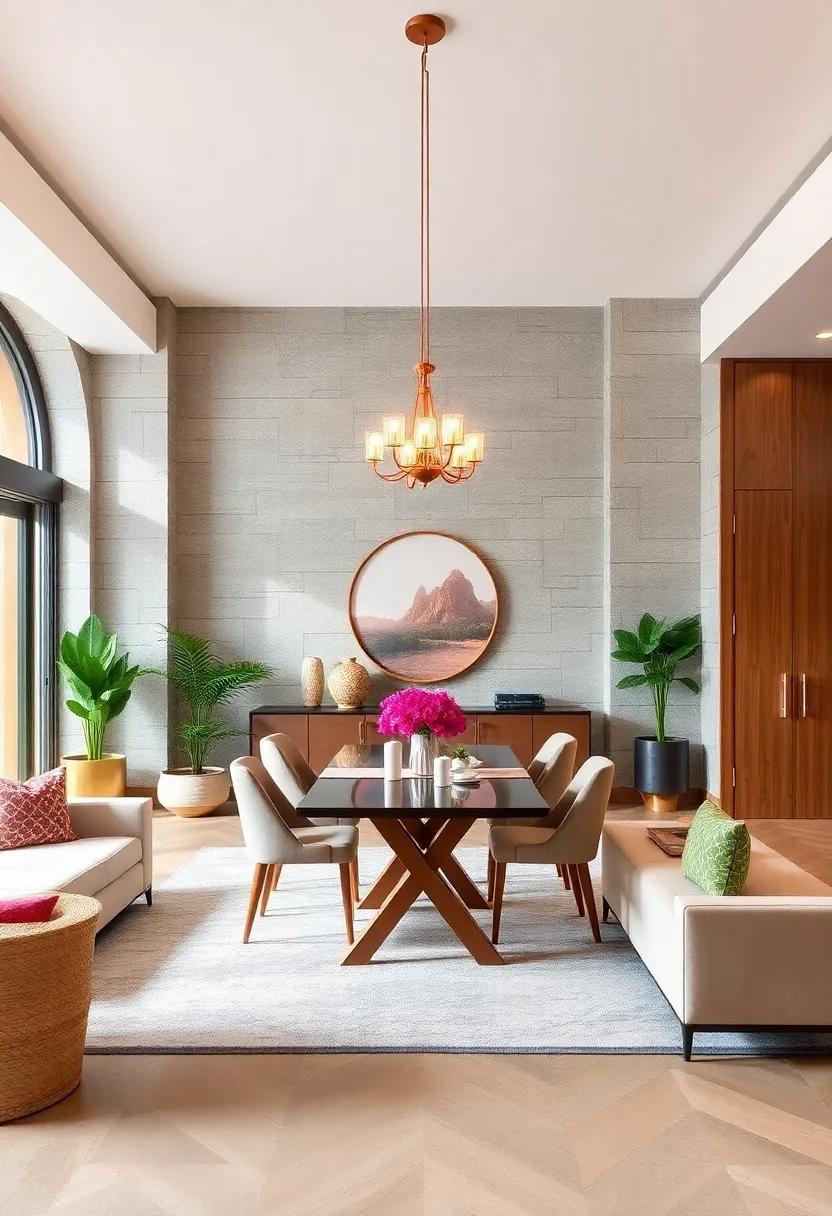
To maximize the functionality and aesthetics of your dining room, it’s essential to develop a routine for reassessing your layout. Over time, your lifestyle, family dynamics, or even seasonal trends can inspire new ways to arrange your space.By regularly analyzing factors such as the flow of foot traffic, the size of your dining table, and how you use the room, you can make informed adjustments that enhance both comfort and style. Consider creating a checklist to guide your evaluations, focusing on elements like:
- Furniture Placement: Are your pieces organized for optimal conversation and accessibility?
- Traffic Flow: Is there enough space for easy movement around the table?
- Lighting Conditions: are there areas that benefit from enhanced illumination or softening?
- Seasonality: Can decor or layout changes reflect the current season or upcoming holidays?
Another effective approach is to embrace the art of refreshing your dining room with new perspectives. Every few months, take a close look at your current setup and experiment with remixing the layout. For example, consider using a graphical mood board to explore different styles or themes before making changes. This visual portrayal can help you identify which elements of your dining space feel stagnant and which could use sprucing up. It’s also a good idea to engage other family members or friends in this process, enabling collective input that may lead to innovative design solutions.Here’s a simple table to strategize your seasonal setup:
| Season | Suggested Changes |
|---|---|
| Spring | Add floral centerpieces and lighter table linens. |
| Summer | Incorporate outdoor dining elements and vibrant colors. |
| Fall | Utilize warm tones and cozy textures for a welcoming vibe. |
| Winter | Opt for soft lighting and layered textiles for comfort. |
In Retrospect
As we wrap up our exploration of 29 expert dining room layout tips, it’s clear that creating a harmonious and inviting space is an art worth mastering. Whether you’re hosting a lavish dinner party or enjoying a quiet meal with family, the way you arrange your dining room can transform every gathering into a delightful experience. By implementing these expert insights, you can not only elevate the aesthetic of your space but also enhance comfort and functionality for all who enter.
Remember, the ideal layout reflects your personal style and caters to your lifestyle needs. As you embark on your design journey, don’t hesitate to experiment and adapt these tips to fit your vision. After all, your dining room should be a true reflection of you—a welcoming backdrop for both everyday meals and memorable occasions.
We hope this list serves as a valuable resource for you to create a dining room that’s not just a place to eat, but a cherished space for connection and joy. Happy decorating!
As an Amazon Associate I earn from qualifying purchases.