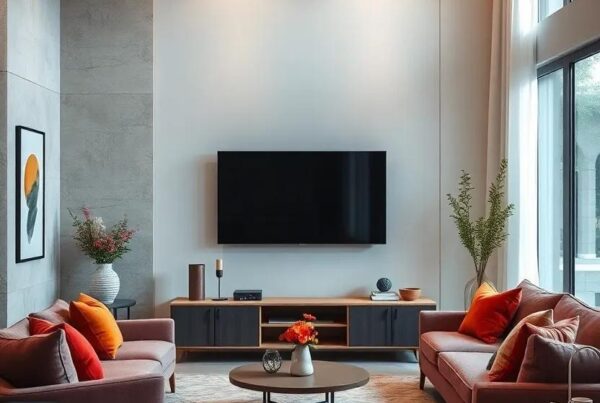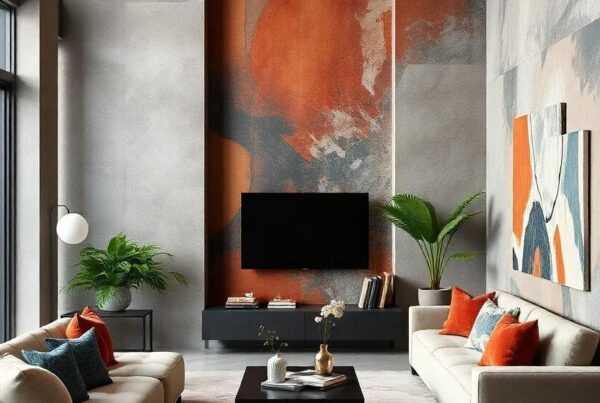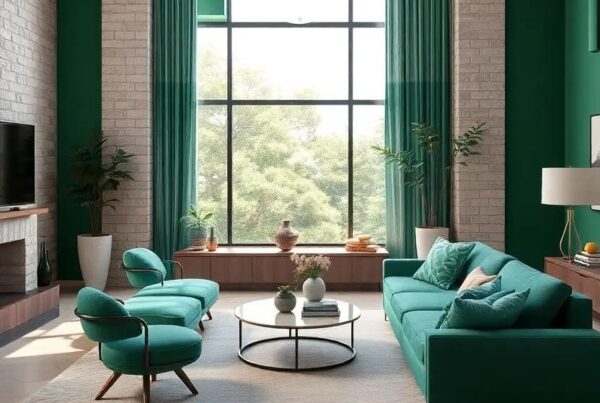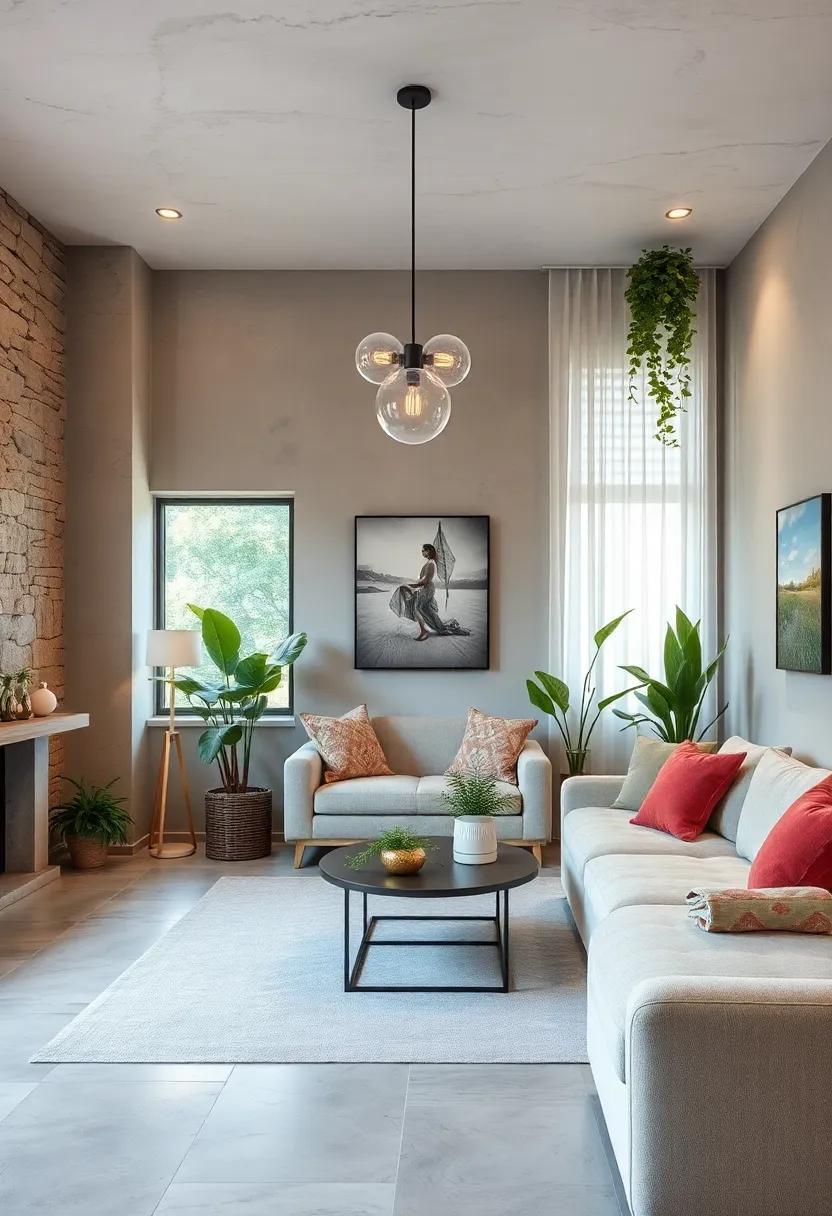
In a world were space is frequently enough at a premium, the challenge of creating a stylish and functional living area can seem daunting. Yet, small spaces hold a unique charm, offering opportunities for creativity and innovation that larger rooms may not allow.In this article, we delve into the art of transforming compact living rooms into multifunctional havens that effortlessly blend relaxation and dining while embracing the tranquility of lush greenery. Discover how thoughtful design choices, clever layouts, and vibrant plant life can breathe new life into your small space, turning it into a serene sanctuary that reflects your personal style and fosters connection. Whether you’re hosting friends for an intimate dinner or unwinding with a good book amid verdant foliage, the perfect small living room can be both stylish and serene. Join us as we explore inspiring ideas and tips too elevate your compact abode into a delightful retreat where every inch is infused with charm and functionality.
Stylish Furniture Arrangement for Optimal Space utilization in Small Living Rooms
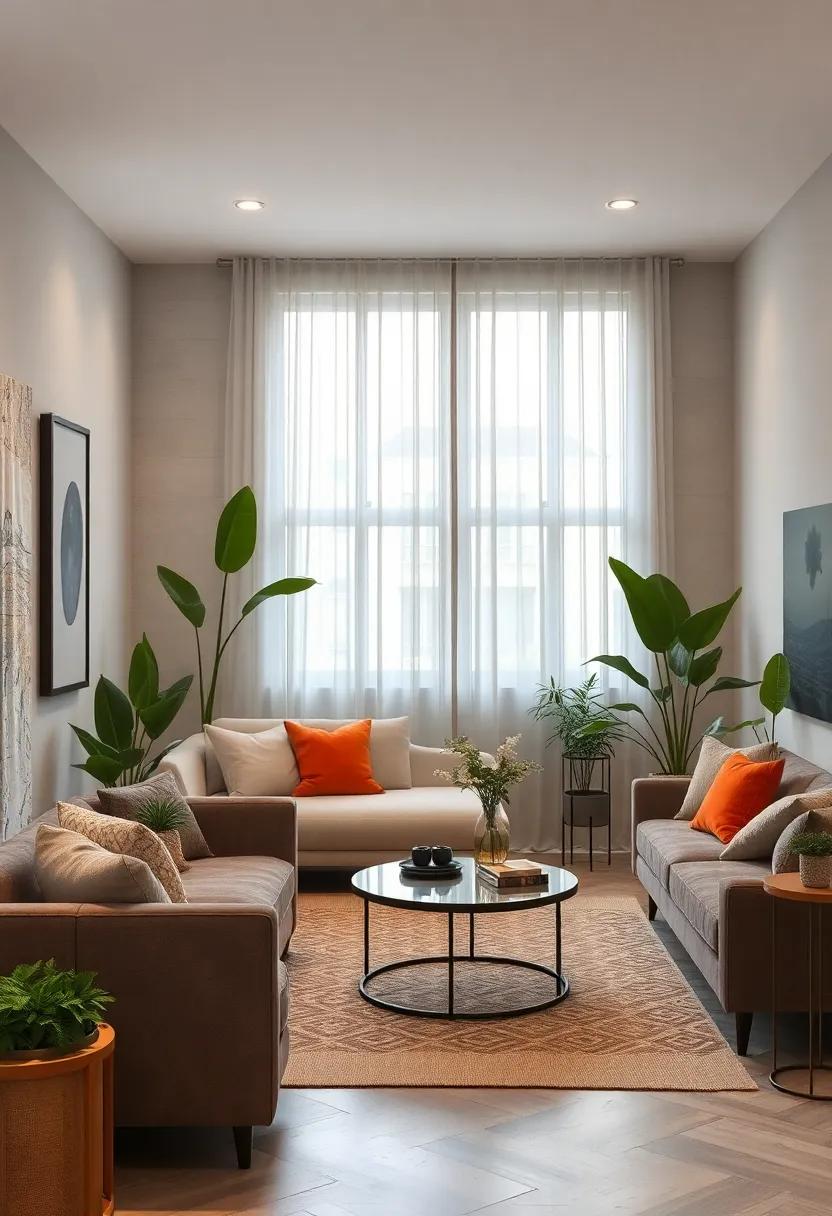
Creating a functional and visually appealing layout in a small living room can be an exciting challenge. By focusing on key elements of design, you can maximize space without sacrificing style. Consider using a combination of multi-functional furniture,such as a coffee table with storage or a sofa bed,which allows for adaptability in both living and dining areas. Positioning furniture at an angle rather than aligning it against walls can also help to create the illusion of more space, while defining distinct areas within the room.
Incorporating lush greenery adds life and vibrancy to compact spaces. Potted plants or wall-mounted planters can enhance the aesthetic without taking up much floor space. To maintain coherence in your design, choose a cohesive color palette that includes shades of your greenery. Arrange furniture to ensure flow and functionality, allowing easy movement around the room. as an example, placing lightweight chairs around a small, round dining table serves both as dining space and as additional seating when entertaining guests. Below is a simple depiction of how to arrange furniture for optimal space utilization:
| Furniture Item | functionality |
|---|---|
| Convertible Sofa | Seating by day, bed by night |
| Storage Ottoman | Footrest and hidden storage |
| Small Dining Table | Dining and workspace |
| Wall-mounted Shelves | display decor and save floor space |
Incorporating Multi-Functional Furniture for Versatile Dining and Living Areas
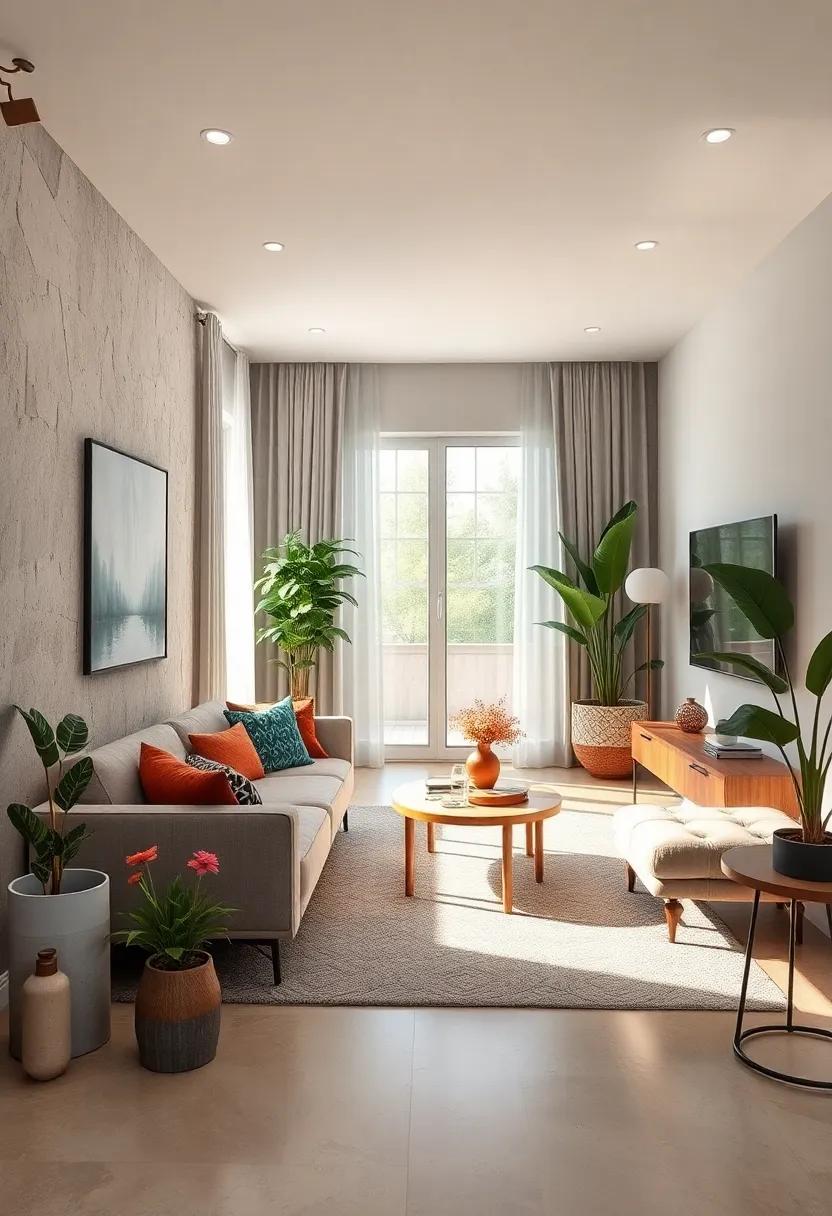
In small spaces where every square foot matters, multi-functional furniture emerges as a game changer, seamlessly blending the dining and living areas while maximizing utility. Imagine a chic dining table that doubles as a workspace, or a stylish sofa that transforms into a pleasant guest bed. This dual-purpose approach not only optimizes space but also fosters a harmonious flow in your home. incorporating sleek, folding chairs that can be tucked away when not in use allows for a flexible seating arrangement, ensuring you can accommodate guests without sacrificing comfort or style.
An eclectic mix of furniture solutions can enhance both aesthetics and functionality in your small living-dining area. Consider these essential elements when designing your space:
- Storage Ottomans: Use them as footrests, additional seating, or to store dining essentials.
- Wall-Mounted Desks: Ideal for transforming a corner into a cozy workspace without taking up much room.
- Expandable Tables: Perfect for intimate meals or larger gatherings, adapting effortlessly to your needs.
- Modular Sofas: Rearrange your seating to accommodate various activities, from game nights to dinner parties.
| Furniture Type | Functionality |
|---|---|
| Dining Bench | Seating for meals and storage underneath. |
| Drop-Leaf Table | Space-saving, can expand for extra guests. |
| Murphy Bed | Turns your living room into a guest bedroom. |
the Art of Layering Textures for a Cozy and Inviting Ambiance
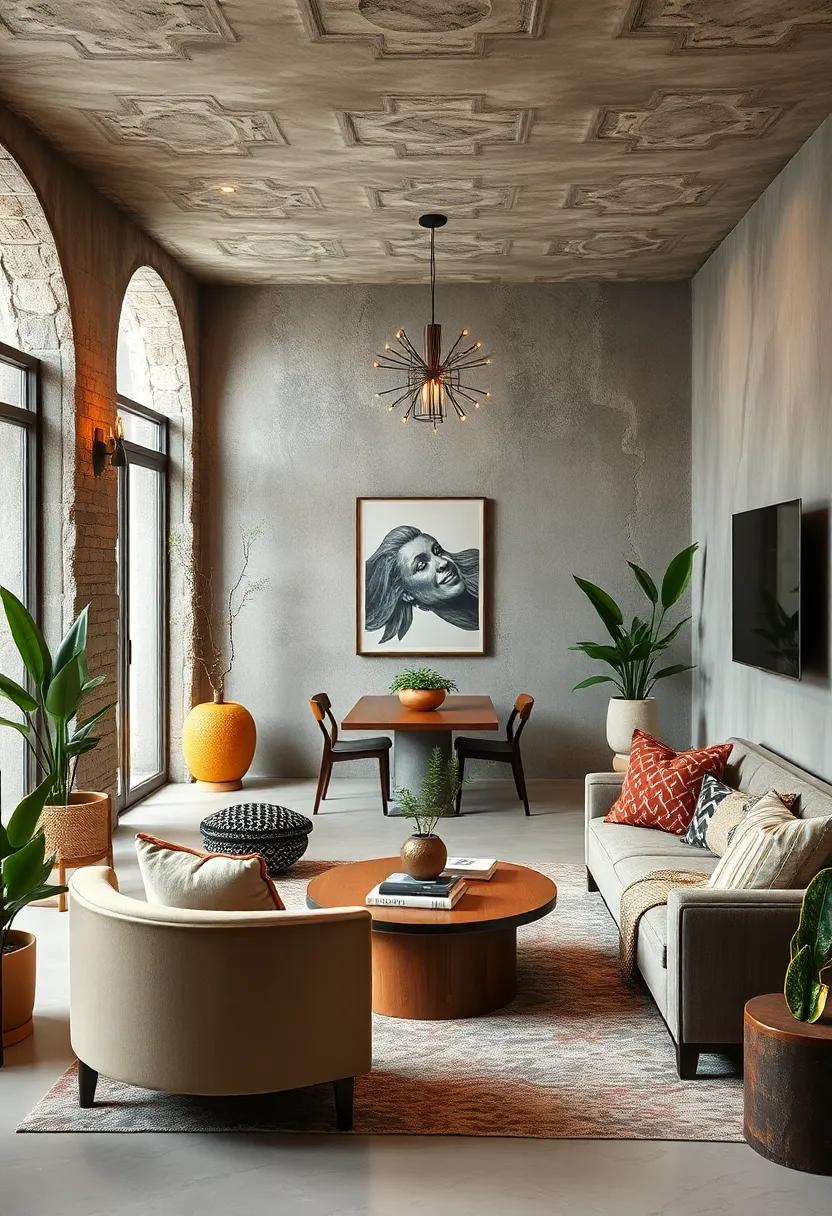
Creating a warm and welcoming atmosphere in small living spaces hinges on the careful combination of various textures. Start by integrating soft textiles such as plush throw pillows, woven blankets, and a cozy area rug to invite comfort. Consider layering these elements in different materials like knitted fabrics, velvet, or cotton to add depth and interest. To enhance the effect, incorporate natural textures like wooden furniture, rattan accents, and stone decor. These organic elements not only establish a connection with nature but also serve to balance the softness of your textiles, fostering an inviting environment that encourages relaxation.
As you curate your small living room with a dining area, don’t overlook the impact of greenery on maintaining a lively space. Incorporate varying plant heights and types throughout the room for visual appeal, utilizing planters made from enduring materials to continue the texture theme. Additionally, arrange foliage in terracotta pots, metal containers, or decorative baskets, allowing their natural beauty to shine. To effectively manage the overall ambiance, consider creating a focal point—like a gallery wall adorned with framed artwork or a vertical garden—that draws the eye while harmonizing with the layered textures and colors throughout the space.
Bringing the Outdoors In: Choosing the Right Indoor Plants for Small Spaces
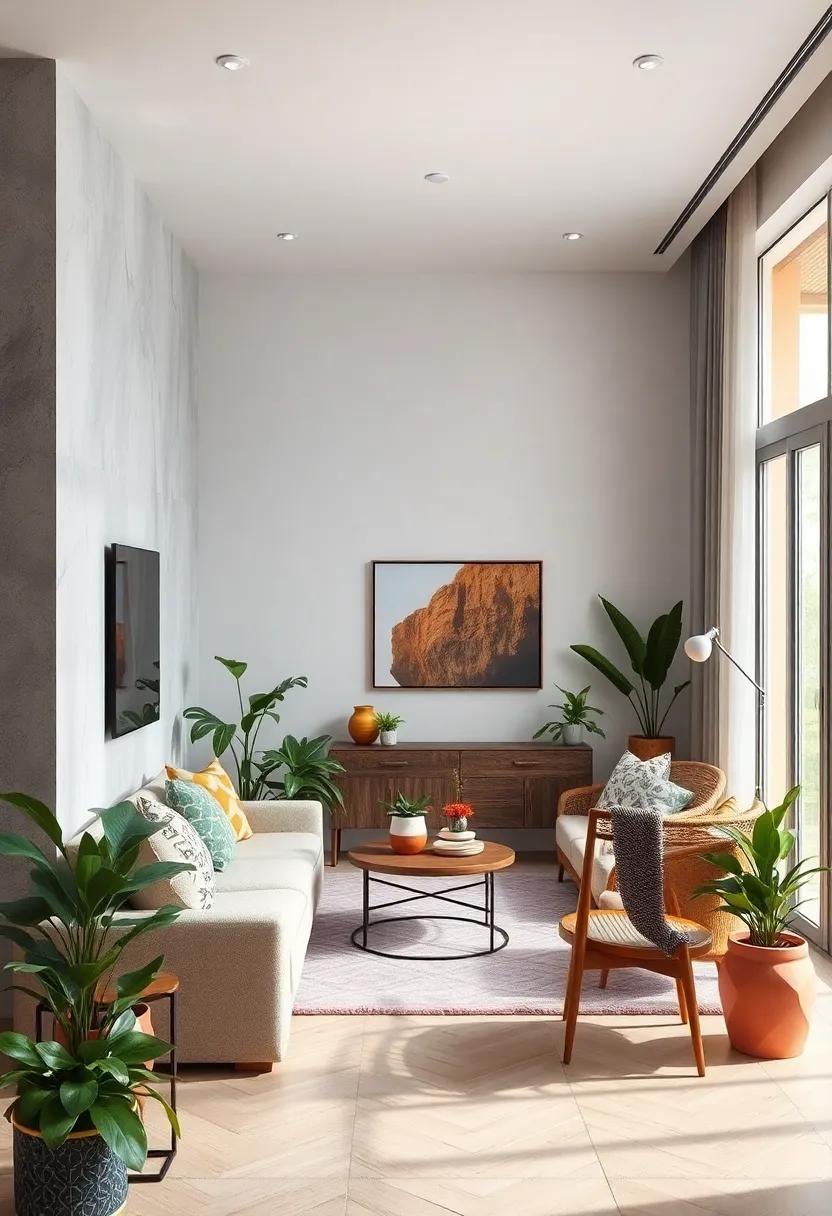
Integrating greenery into small living spaces not only enhances aesthetics but also promotes overall well-being. When selecting indoor plants, consider those that thrive in limited light and space while adding a touch of vibrant life to your home. Low-maintenance options are ideal, especially for busy lifestyles. Here are a few species that not only beautify your space but also purify the air:
- Snake Plant: Thrives in low light and requires minimal watering.
- Pothos: A cascading vine that can be displayed on shelves or in hanging pots.
- ZZ Plant: Tolerates neglect and low light, perfect for beginners.
- spider Plant: known for its air-purifying qualities and unique arching leaves.
Once you’ve chosen your plants, consider their placement wisely. Utilizing vertical space can maximize your greenery without overcrowding surfaces. Wall-mounted planters, shelf gardens, and hanging pots can create stunning displays while keeping the floor clear. To illustrate different arrangements, here’s a tableshowcasingoptimalplantsizesandtheirpreferredlocations:
| Plant Type | Size (Height) | Ideal Location |
|---|---|---|
| Snake Plant | 1-4 feet | Floor or Corner |
| Pothos | Up to 10 feet (when trailing) | Shelf or Hanging |
| ZZ Plant | 2-3 feet | table or Desk |
| Spider plant | 1-2 feet | Hanging Basket |
creating Visual Separation between Living and Dining Spaces without barriers
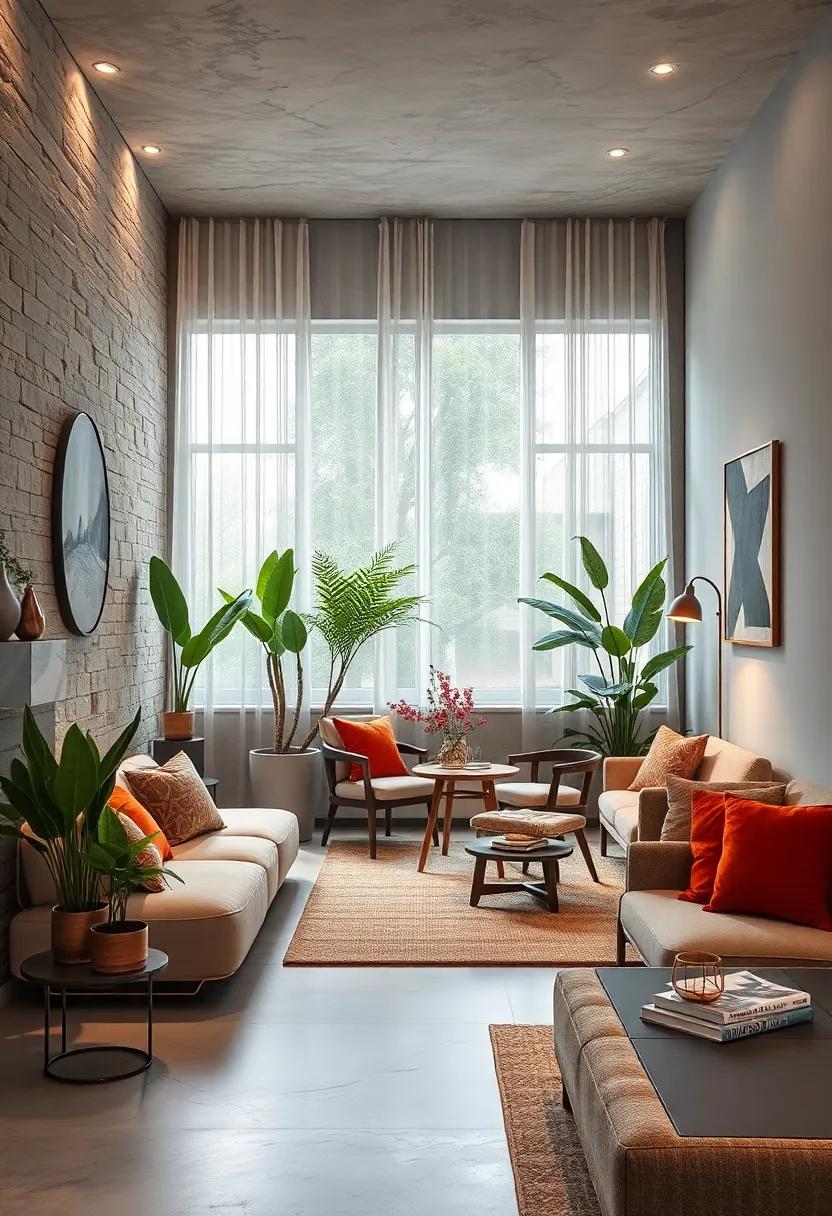
To achieve a distinct yet cohesive look in small living and dining areas, consider utilizing strategic decor elements that naturally delineate each space without erecting physical barriers. as an example, open shelving units can serve as a stylish divider, offering both storage and a platform for decorative items while maintaining an open feel. Another grate option is using area rugs; defining each space with a unique rug can create a visual separation through color and texture, making the areas feel distinct but integrated. Additionally, potted plants or vertical greenery can softly segment spaces while adding a touch of nature—perfect for infusing your home with life and color.
Incorporate multifunctional furniture to maximize your small space’s potential.A sturdy console table can double as a dining surface or a workspace, while ottomans can provide extra seating when entertaining. When choosing your furniture, be mindful of light-weight and low-profile designs, as they won’t obstruct sight lines and will enhance that airy atmosphere. Consider employing a color palette that harmonizes both areas; using lighter shades can make the space feel larger and airy, while careful use of darker accents can add depth and intrigue. Emphasizing height in decor, through tall plants or wall-mounted artwork, can draw the eye upwards, giving the illusion of more expansive ceilings in your cozy abode.
The Power of Light: How Natural Light Enhances Small living Areas
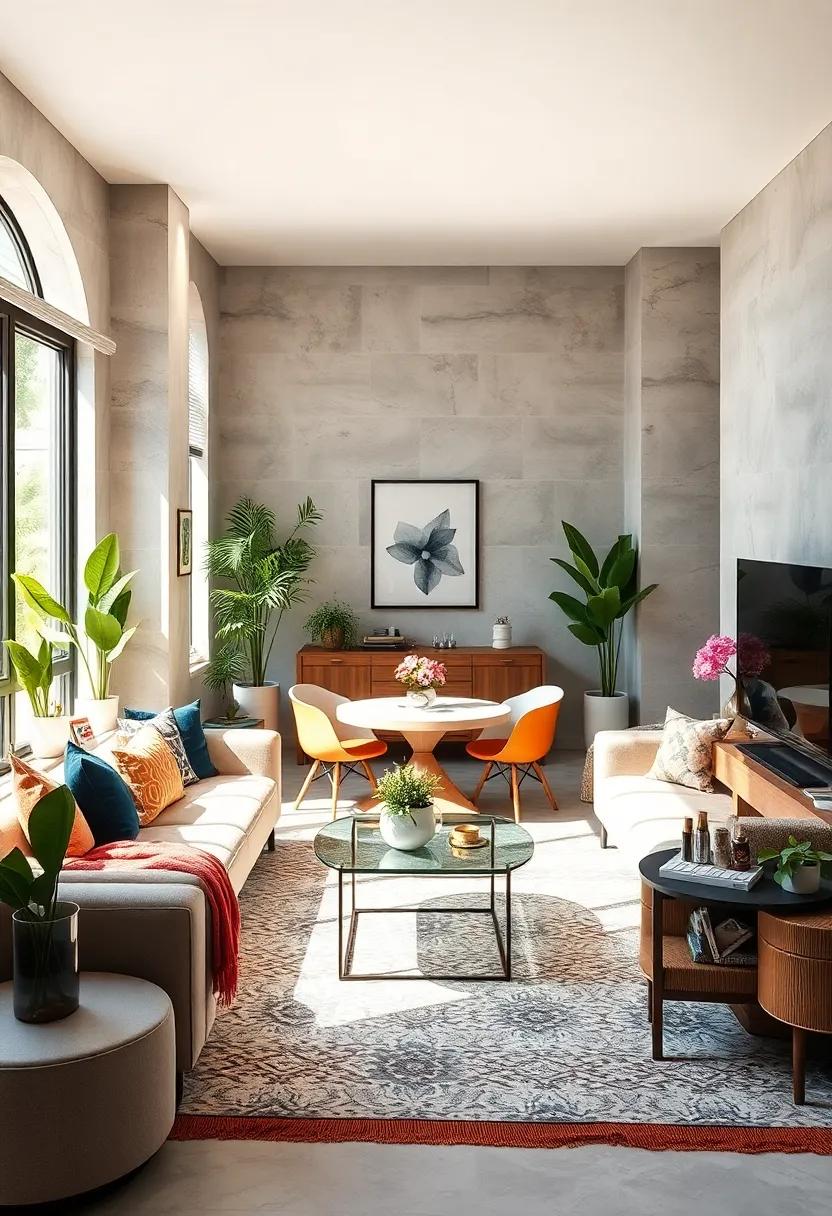
Natural light serves as a remarkable enhancer for small living areas, creating an illusion of spaciousness and calm. When allowed to pour in, sunlight brightens corners, accentuating textures and colors that might otherwise fade into the background. Using the right window treatments can maximize this effect; consider sheer curtains or blinds that can be adjusted to control the flow of light while maintaining privacy.Integrating reflective surfaces, such as mirrors or glossy furniture finishes, can further amplify the impact of light, bouncing it around the room and creating a lively atmosphere.
another clever tactic is to use layered lighting in combination with natural light to provide an inviting ambiance, especially in multifunctional spaces that combine living and dining areas. Emphasizing greenery adds an organic touch, enhancing the connection to nature while improving air quality. Here are some popular plant choices perfect for small spaces:
- Snake Plant: low maintenance and thrives in low light.
- Pothos: Fast-growing and can be trained to climb or trail.
- ZZ Plant: tolerates neglect and low light conditions.
| Plant | Light Preference | Maintenance Level |
|---|---|---|
| Snake Plant | Low to Shining | Low |
| Pothos | Low to Bright | Medium |
| ZZ Plant | Low | Very Low |
Color Schemes that Make Small Spaces Feel larger and More open
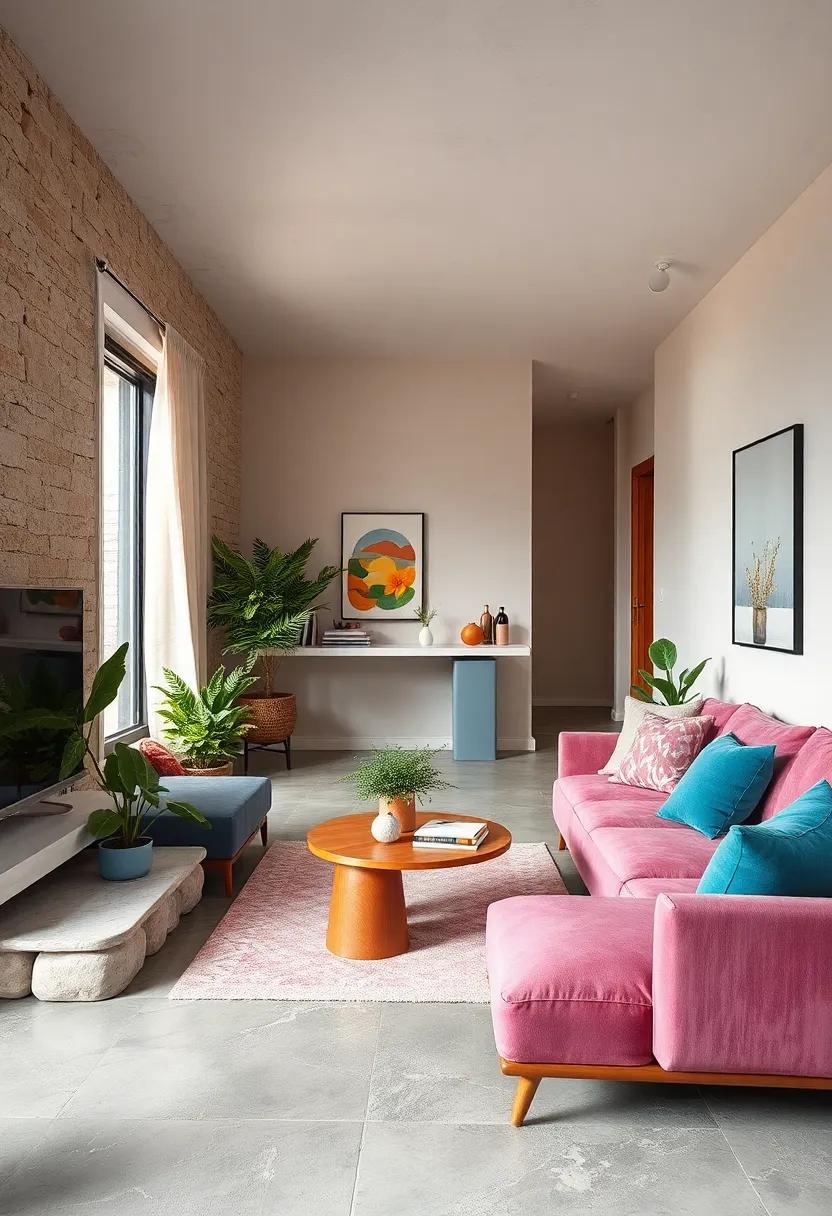
When it comes to enhancing the perception of space in cozy living areas, color is your best ally. Opting for a light color palette can work wonders; shades like soft whites, pale grays, and gentle pastels can reflect light, making your confined areas feel airy and expansive.Still, incorporating a few deeper hues—such as a rich navy or a forest green—on an accent wall can create an intriguing contrast that draws the eye, adding depth and dynamism without overwhelming the space. To maintain a sense of harmony, consider using monochromatic schemes or slightly varied shades of the same color; this approach can lend a sleek and integrated look throughout the room.
In addition to selecting the right colors, consider the power of strategic splashes of greenery that breathe life into your space. Utilize a variety of potted plants with different shades of green to create visual interest while keeping the overall vibe light and fresh.A simple arrangement of shelves with plants can not only maximize vertical space but also introduce layers and texture. For small dining areas integrated into living rooms, a carefully chosen table paired with light-colored chairs can visually expand the footprint. Below is a simple guide on suggested color combinations and plant selections that can make your small area feel larger and more inviting:
| Color Scheme | Best For | Plant Recommendations |
|---|---|---|
| soft White & Light gray | Living Room | Snake Plant, Pothos |
| Pale Blue & Cream | Dining Area | Spider Plant, Peace Lily |
| Muted Green & Beige | Combined Space | ZZ Plant, Fiddle Leaf Fig |
Utilizing wall Space: Creative Storage Solutions for Clutter-Free Living Rooms
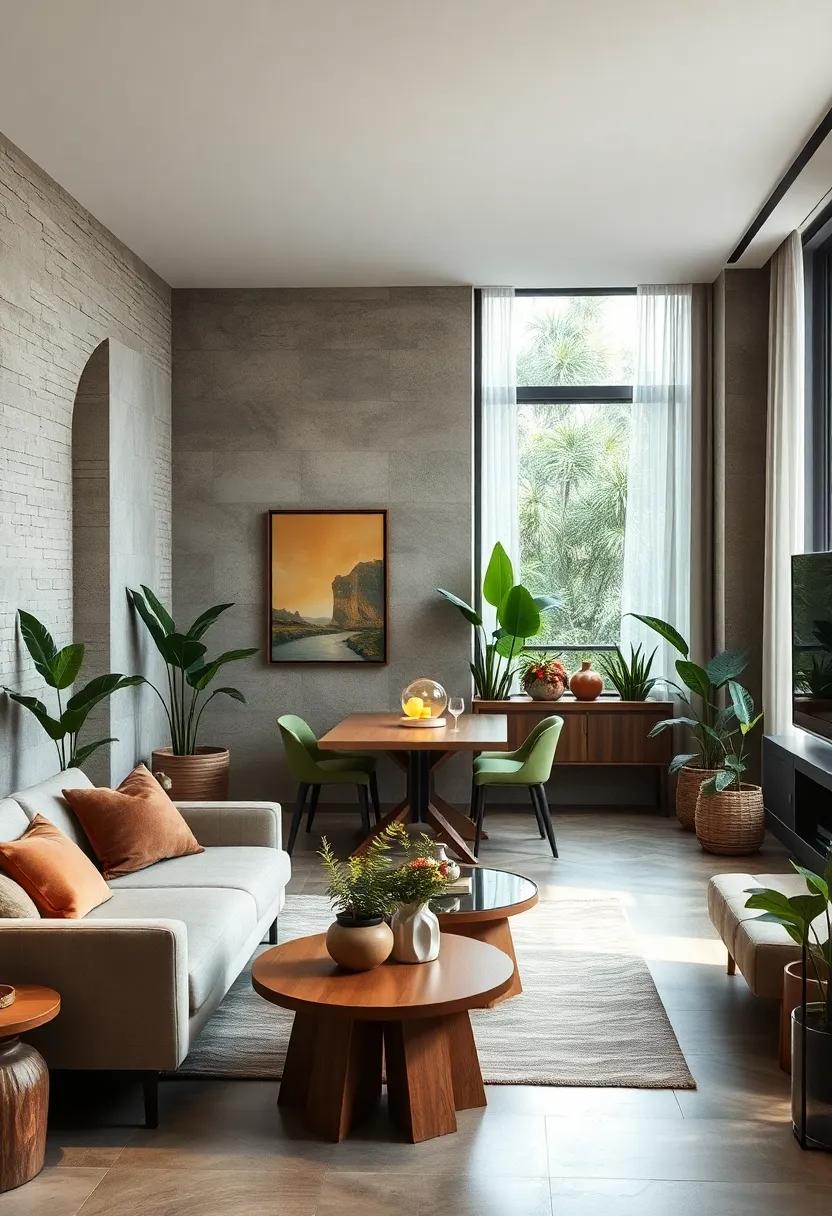
Maximizing wall space can effortlessly create a more organized and visually appealing living area. Consider installing shelves that float above your furniture or reach towards the ceiling, serving as ideal spots for books, decorative items, or even lush greenery to bring life into your space. These displays not only clear floor space but also add a touch of personality. Wall-mounted baskets or cabinets can also be a stylish solution, allowing you to stow away smaller items while still keeping them accessible. Include a visual element like framed art or mirrors among these storage solutions to provide depth and make the space feel larger.
Another innovative approach is using pegboards or grid panels, which can be tailored to fit your storage needs while adding an artistic flair to your walls. Organizing items using colorful containers or hanging plants can create a vibrant focal point in the room. Consider a dedicated wall for displaying plants that cascade elegantly, enhancing the connection with nature. Utilizing vertical space not only reduces clutter but also sets the stage for a creative blend of living areas, making efficient use of every inch of your home.
Smart Decor Choices that Combine Aesthetics with Functionality
When reimagining small living rooms that also serve as dining areas, it’s crucial to blend beauty and utility seamlessly. Multi-functional furniture stands out as a superb choice, allowing you to maximize space without sacrificing style. Consider options such as:
- Convertible sofas that can transform into beds for guests.
- Coffee tables with storage that keep space clutter-free.
- Drop-leaf dining tables that can be expanded for gatherings and collapsed for everyday use.
Incorporating lush greenery not only enhances aesthetic appeal but also promotes a healthier living environment. Choose plants that thrive in smaller spaces, such as snake plants or pothos, which can be styled in elegant pots. To add more visual interest,think about hanging planters or vertical gardens that provide greenery without occupying valuable floor space. Here’s a quick guide to recommend suitable plants:
| Plant | Light Requirements | Care Level |
|---|---|---|
| Snake Plant | Low to bright indirect light | Low |
| Pothos | Low to bright indirect light | easy |
| Spider Plant | Bright indirect light | Easy |
Elevating the Dining Experience with Stylish tableware and Centerpieces
when it comes to creating a memorable dining atmosphere,the right tableware and centerpieces can make all the difference. Here are some elements to consider when selecting the perfect pieces for your small space:
- Color Palette: Choose tableware that complements your living room decor, creating a harmonious flow throughout the area.
- Materials: Mix textures such as ceramic, glass, and wood to add depth and interest to your dining setup.
- Functionality: Opt for versatile pieces that can be used for casual meals or elegant gatherings,seamlessly transitioning between styles.
Centerpieces, too, play a crucial role in elevating the dining experience.Consider options that incorporate luscious greenery and seasonal blooms for a refreshing, organic touch. Here are some ideas for impactful centerpieces:
- Living Plant Arrangements: Use potted plants or a small herb garden that not only beautifies the table but also adds a practical element.
- Seasonal Floral Displays: Rotate arrangements with seasonal flowers to keep the dining experience fresh and engaging.
- Artful Vases: Integrate unique vases or containers that reflect your personal style and double as conversation starters.
maximizing Vertical Space with Shelves and Greenery for Added charm
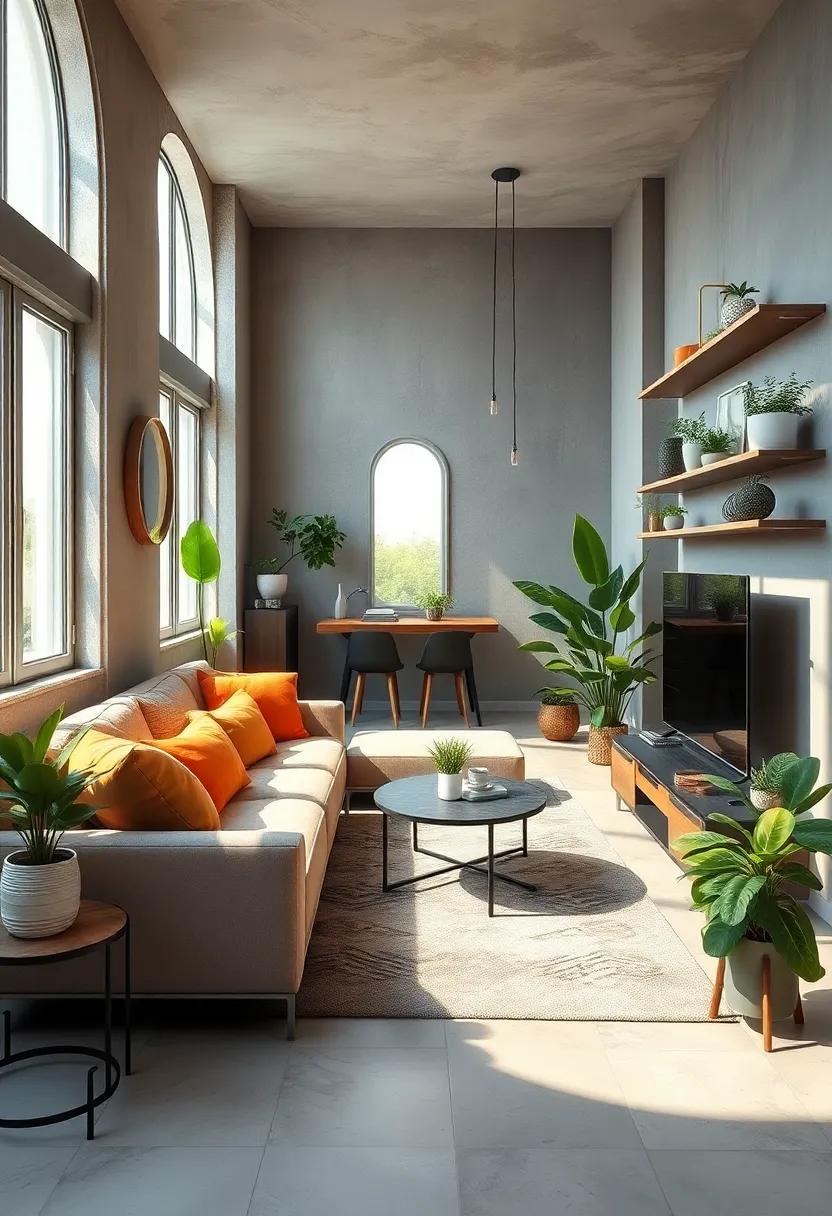
To breathe life into a small living room that doubles as a dining area, consider installing floating shelves that draw the eye upward, creating an illusion of spaciousness. These shelves not only contribute essential storage but also provide a perfect platform for displaying your favorite decorative items.Think about incorporating various elements for an appealing aesthetic:
- Books: Stack them artfully,including both hardcovers and paperbacks for texture.
- Art Pieces: Small framed artworks or intriguing sculptures can serve as focal points.
- Small Planters: Combine nature with decor by adding pots with trailing plants that soften the edges.
When integrating greenery, opt for low-maintenance houseplants that thrive in indirect light, enhancing the space with natural foliage. choose varieties such as:
| Plant | Light Requirements | Benefits |
|---|---|---|
| Pothos | Indirect light | Air-purifying and low-care |
| Snake Plant | Low light | Robust and stylish |
| Spider Plant | Bright, indirect light | Produces “babies” to propagate |
This thoughtful combination of shelves and lush greenery not only maximizes vertical space but also imbues your small living area with character and warmth. The elevated greenery paired with attractively arranged decor creates a dynamic visual experience, effortlessly distinguishing your space.
Designing a Focal Point: Statement Pieces that transform Small Rooms
In the quest to create a visually arresting and functional small room, the strategic incorporation of statement pieces can be a game-changer. Bold artwork can serve as an eye-catching focal point, immediatly drawing attention while also setting the mood of the space. Choose pieces that resonate with your personality or complement the chosen color palette. Unique furniture items like an oversized chair or a geometric coffee table can provide both style and utility. When combined with luscious greenery,such as potted plants or hanging planters,these elements not only breathe life into the room but also establish a relaxed atmosphere that feels inviting.
Consider implementing a cohesive color scheme that harmonizes with your statement piece selections to ensure an integrated look. A rich accent wall behind a dining area can elevate the entire room while framing the space effortlessly.Additionally, utilizing textures can add depth; think about incorporating a shaggy rug underfoot or soft throw pillows scattered across a sleek sofa. For an organized approach, a well-designed table can act as a multi-functional area, seamlessly blending dining and living experiences. Below is a simple table highlighting effective statement pieces and their impact on small room aesthetics:
| Statement Piece | Impact on Aesthetics |
|---|---|
| Oversized Artwork | creates an immediate focal point and adds character. |
| Geometric Coffee Table | Innovative design provides a modern touch and practical functionality. |
| Bold Accent Wall | Enhances depth and draws the eye, making the space feel larger. |
| Lush Greenery | Brings an organic touch, promoting tranquility and liveliness. |
Soft Lighting Solutions to Enhance the Mood and Warmth of small Areas
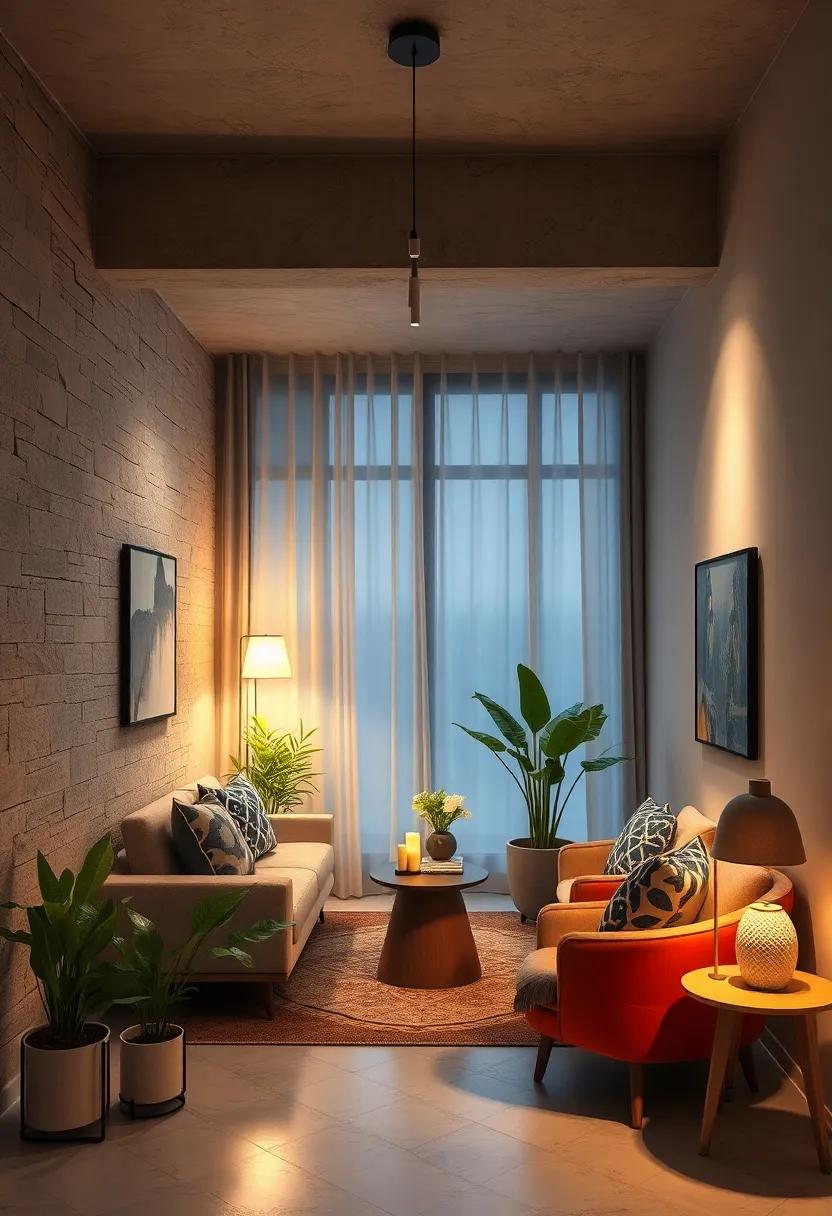
Soft lighting can dramatically change the ambiance of any small area, helping to create an inviting and cozy atmosphere. By incorporating warm-toned bulbs and strategically placed fixtures, you can transform your living space into a tranquil retreat. Here are some effective soft lighting solutions to consider:
- <strong.Table Lamps: Opt for lamps with dimmable features or warm light shades to provide gentle illumination.
- <strong.String Lights: Drape fairy lights around plants or shelves for a magical touch.
- <strong.Floor Lamps: Choose designs that can fit neatly in corners, radiating warm light from above.
- <strong.Wall Sconces: Utilize wall-mounted fixtures to save space while casting soft light.
Along with the fixtures themselves, consider the placement and layering of light sources to foster depth and interest in your small area. Combining ambient lighting with focused task lighting can highlight specific features, such as a cozy reading nook or a lush indoor garden.Take note of the following tips for effective lighting arrangements:
- <strong.Layers: Use a mix of overhead lights, table lamps, and accent lights to add dimension.
- <strong.Color Temperature: Choose bulbs with a color temperature around 2700K for a warm glow.
- <strong.Reflections: Incorporate mirrors or shiny surfaces to amplify the light throughout the room.
Inviting Zen: meditative corners with Plants and Minimalist Design
Creating a serene atmosphere within small living spaces can be effortlessly achieved through the thoughtful arrangement of plants and minimalist design elements. Imagine a cozy nook adorned with sleek furniture, where a corner shelf cradles vibrant greenery. Nurturing this environment not only enhances aesthetic appeal but also promotes a sense of tranquility. Key features to consider include:
- Low-maintenance plants that offer a pop of color without overwhelming the space.
- natural materials like wood or stone that promote a calm ambiance.
- Neutral color palettes to create harmony among furnishings and décor.
Incorporating elements such as a simple meditation cushion or a small water feature can amplify the soothing appeal of these corners. when selecting furniture, opt for pieces with clean lines that allow for easy movement and visual flow. To further enhance the meditative experience, consider adding:
| Element | Purpose |
|---|---|
| Soft lighting | Fosters relaxation and calmness. |
| Textured textiles | Add warmth and comfort. |
| Artistic decor | Inspires creativity and reflection. |
Incorporating Reflective Surfaces for a Bright and Spacious Atmosphere
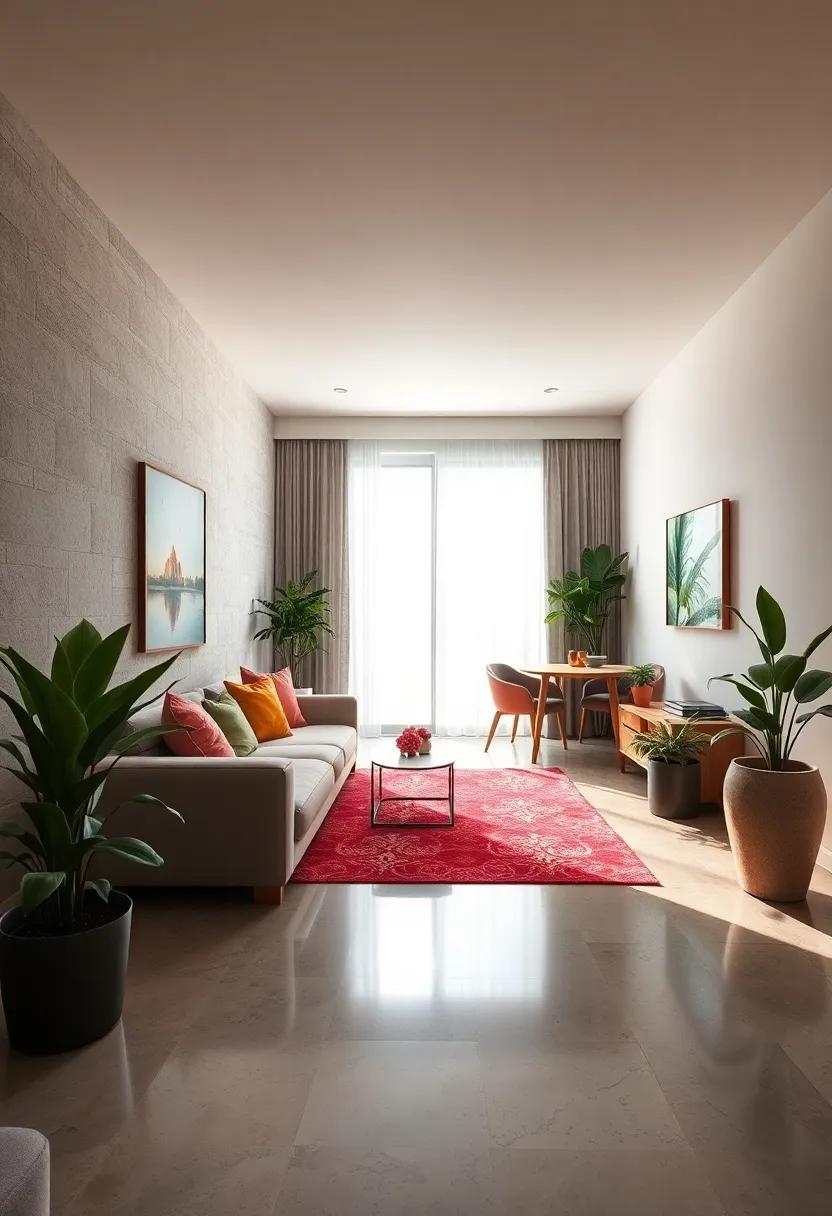
One of the moast effective ways to enhance the sense of space in a compact living area is by using reflective surfaces. Implementing mirrors or glossy finishes can dramatically alter the perception of size and light within the room. These surfaces not only amplify natural light but also create an illusion of depth, making the living room feel more expansive.Consider the following elements:
- Mirrored Furniture: Incorporate pieces like coffee tables or cabinets with mirrored finishes to reflect the surrounding decor.
- Glass Accents: Utilize glass shelving or decorative trays that can definitely help in dispersing light throughout the area.
- Light-Colored Walls: Paint walls in soft hues that complement your reflective items for a cohesive look.
To further enhance this effect, positioning reflective surfaces strategically is key. Placing a large mirror opposite a window or light source can draw the eye and amplify brightness substantially. You might also consider adding a few functional items that contribute to this aesthetic:
| Item | Reflection Benefit |
|---|---|
| Decorative Mirrors | Create focal points that visually expand the room |
| Glass Coffee Table | Minimizes visual clutter while reflecting light |
| Polished Metal Accents | Adds sophistication while bouncing light |
Defining the Dining Area: Stylish Rugs that Anchor Small Spaces
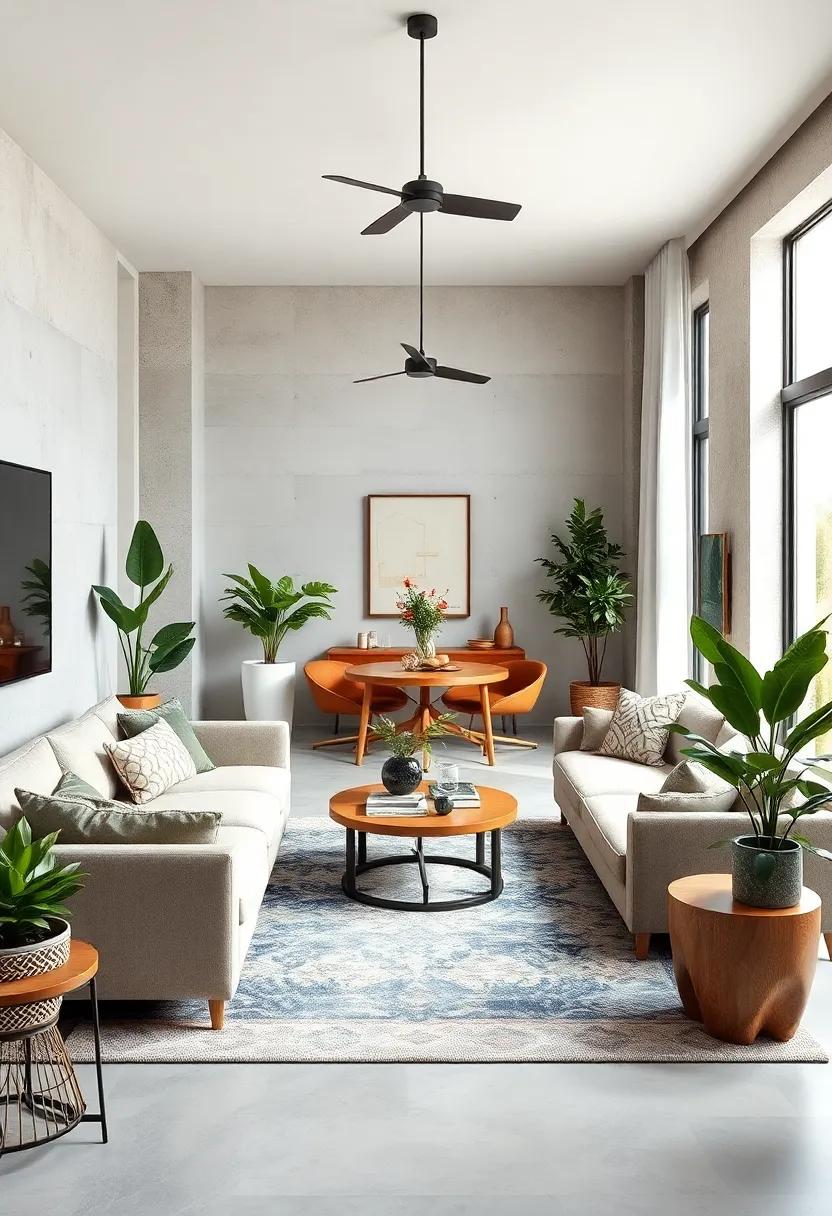
In designing a multifunctional small area that incorporates both a living space and a dining area, the right rug can serve as a crucial foundation for the entire design.A stylish rug not only helps to define the dining area but also adds warmth and texture, helping to create an inviting atmosphere.Consider rugs that are rich in color or exhibit an interesting pattern to juxtapose the more minimalist furniture typical of smaller spaces. Here are some features to look for when selecting the perfect rug for your dining nook:
- Durability: Opt for materials that can withstand spills and stains, especially in dining areas.
- Size: ensure the rug extends beyond the table and chairs to allow for easy movement and a cohesive look.
- Style: Incorporate eye-catching designs that complement your overall decor while providing a sense of coziness.
To further enhance the visual appeal, layering rugs can add depth and intrigue. A larger, neutral rug can serve as a canvas, while a smaller, patterned one can highlight the dining table. When choosing colors, draw inspiration from the living area’s color scheme to create a harmonious flow. Here’s a quick reference table to illustrate popular rug styles for small dining areas:
| Rug Type | Best For | Example Colors/Patterns |
|---|---|---|
| Natural Fiber | Eco-kind choices | Beige, Tan, Woven texture |
| Geometric | Modern aesthetics | Bold patterns, Monochrome |
| Vintage | Classic looks | Rich reds, Intricate designs |
Mixing Styles: Eclectic Decor Approaches for Unique Living Areas
Creating a harmonious blend of styles in small living areas can breathe new life into your space. Start by choosing a focal point that stands out, such as a statement piece of furniture or an oversized artwork. Incorporate elements from different aesthetic influences, like blending mid-century modern chairs with a bohemian-style rug. Consider the following elements to infuse an eclectic charm into your decor:
- Color Palette: Mix bold and muted colors for visual interest.
- Textiles: Layer different fabrics—think velvet cushions paired with knitted throws.
- Lighting: Use a combination of modern pendant lights and vintage floor lamps.
Introducing greenery can enhance the eclectic atmosphere while adding a lively touch. Use an assortment of indoor plants,like fiddle leaf figs or hanging pothos,arranged thoughtfully throughout the room,to create layers of texture. A small dining area can also serve multi-functional use without compromising style. Consider a simple table, adorned with a vibrant table runner, surrounded by mismatched chairs to emphasize the fusion. Below is a table showcasing creative plant choices that work well in small spaces:
| Plant type | Care Level | ideal Light |
|---|---|---|
| Snake Plant | Low | Low – Bright Indirect |
| Pothos | Easy | Low – Bright Indirect |
| Fiddle Leaf Fig | Moderate | Bright Indirect |
| Spider Plant | Easy | Low - Bright Indirect |
Embracing Natural Materials for a Harmonious Blend of Comfort and Nature
Incorporating natural materials into small living spaces is a powerful way to create an atmosphere of tranquility and connection with the outdoors. Elements such as wooden furniture, woven textiles, and stone accents effortlessly bridge the gap between comfort and nature.Opt for light woods like birch or pine to keep the area feeling airy and spacious. Accessories made from organic fibers, such as cotton or linen, can add a gentle touch while promoting a sense of warmth. Whether through a rustic coffee table or minimalist shelving, these materials invite a serene aesthetic that is both stylish and sustainable.
When it comes to enhancing this harmonious environment,adding lush greenery can truly elevate the overall design. A well-placed houseplant or a vertical garden can inject life into the space, creating a refreshing contrast against earthy tones and textures.Consider these options to seamlessly weave plants into your decor:
- Hanging planters: Draw the eye upward and add depth to the space.
- Compact plants: Use small, manageable pots for limited surfaces.
- Multi-functional decor: Incorporate planters that double as stylish furniture pieces.
Creating a balanced blend of comfort and natural beauty is achievable, even in small areas.Emphasizing lightweight furniture and earthy colors will enhance the cozy atmosphere while allowing greenery to thrive. The synergy of wood, fabric, and plant life fosters an inviting retreat, making every moment spent in the space a celebration of nature’s bounty.
Creating an Inviting Nook for Relaxation that Doubles as a Dining Space
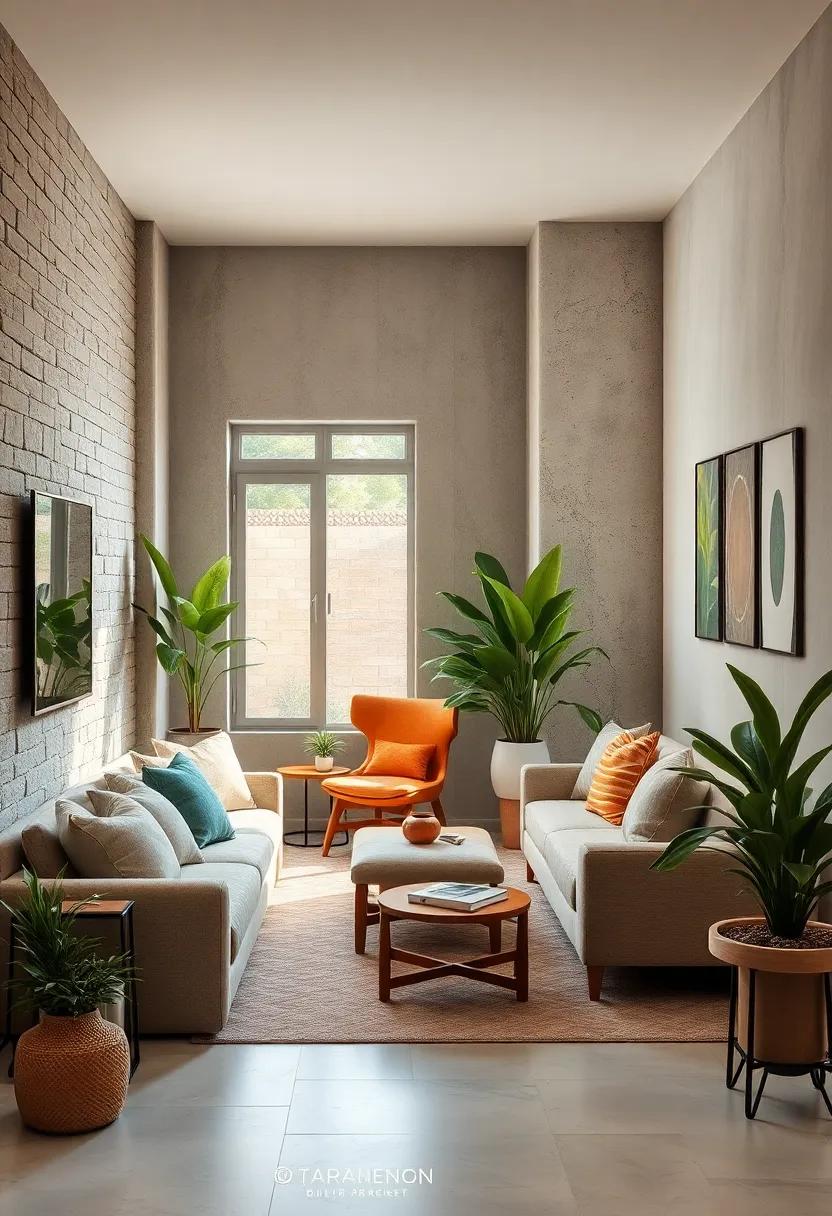
To create a cozy nook that seamlessly transitions from relaxation to dining,begin by selecting furniture that serves dual purposes.Consider a small, round dining table that encourages intimate meals while also fitting snugly into a corner or by a window. Pair it with versatile seating options like stylish benches or poufs,which can be easily moved around. Add a plush throw blanket or a few decorative cushions to enhance the comfort. This blend not only promotes functionality but also creates an inviting atmosphere that beckons you to unwind with a cup of tea or engage in lively dinner conversations.
Incorporate greenery to further elevate the space’s charm. Utilizing plants can provide visual interest and purify the air, making your nook feel alive.Opt for hanging planters or tall indoor plants that can be nestled against walls, leaving ample floor space for movement. To ensure the elements harmonize, choose a color palette that complements both the dining and lounging areas; earthly tones or soft pastels work wonders in creating a cohesive vibe.Through thoughtful arrangement and décor, your small space can effortlessly transform into a haven of tranquility and conviviality.
Color-Blocking Techniques for Vibrant Yet Cohesive Room Designs
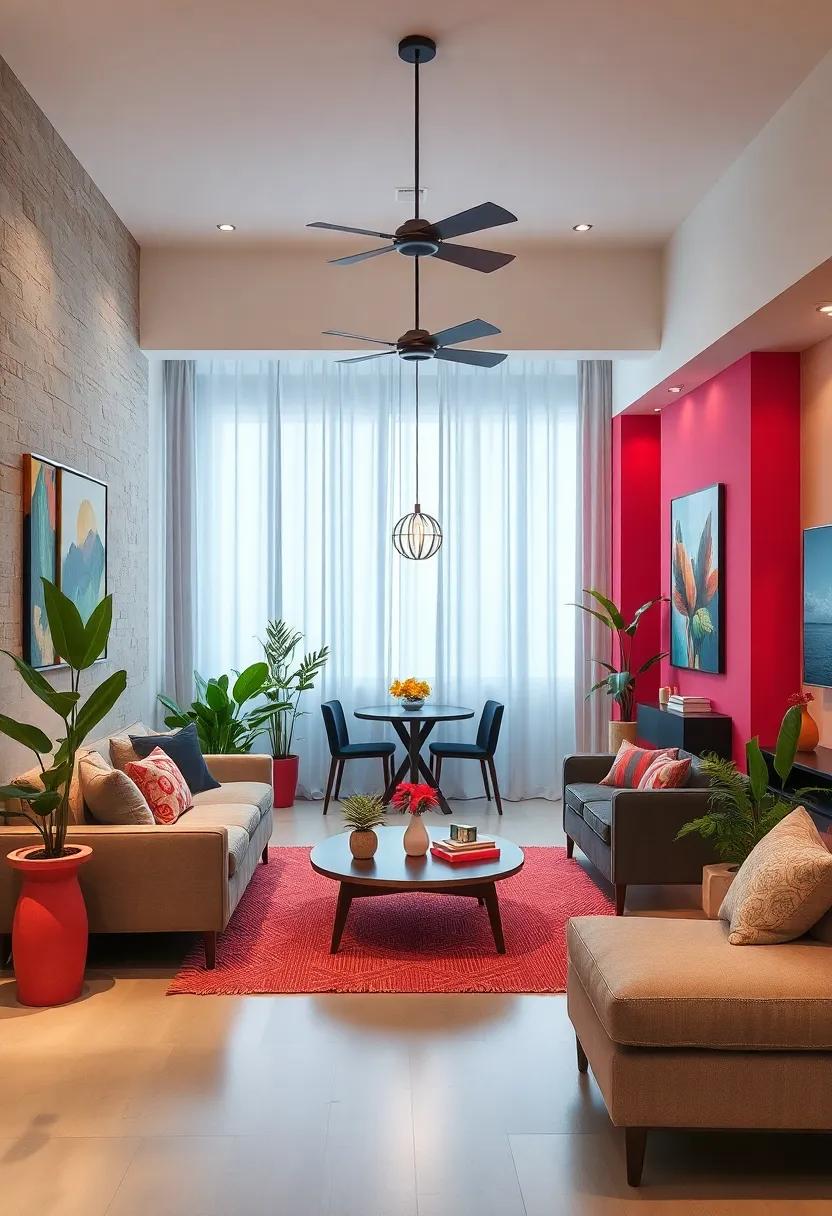
Color-blocking can be a transformative technique in small living spaces, especially when integrating dining areas and lush greenery.By using bold, contrasting colors, you can delineate different zones within the room while maintaining a cohesive aesthetic.Here are a few effective strategies:
- Define Zones: Use a different color on the dining walls compared to the living area to create visual boundaries.
- Complement Natural Elements: Incorporate greenery with pots that match your color palette, enhancing the vibrancy of your space.
- Accent Through Accessories: Choose vibrant cushions or throws in coordinating colors to tie the room together.
When selecting your color scheme, consider pairing warm and cool tones to achieve balance. This not only adds depth but also helps the space feel larger. Here’s a simple color pairing table to guide your choices:
| Warm Colors | Cool Colors |
|---|---|
| Coral | Teal |
| Mustard Yellow | Emerald Green |
| Burnt Orange | Slate Blue |
By thoughtfully applying color-blocking techniques, you can create a vibrant yet harmonious environment that not only maximizes the potential of small spaces but also celebrates the elegance of living with nature.
To Conclude
In the quest for stylish and functional living solutions, transforming small spaces into harmonious blends of comfort and greenery proves that even the coziest corners can radiate charm. By thoughtfully integrating dining areas and vibrant plant life, you can create an inviting atmosphere that reflects both your personality and your love for nature. As we navigate the nuances of modern living, let these inspiring ideas remind us that a limited footprint does not have to mean a compromise on style or serenity. Embrace the art of small space design and watch how a little creativity goes a long way, turning everyday living into a delightful experience filled with elegance and warmth. So, whether you’re hosting a dinner party or curling up with a book, may your transformed space be a sanctuary that nurtures both mind and spirit, verdant and alive.
As an Amazon Associate I earn from qualifying purchases.