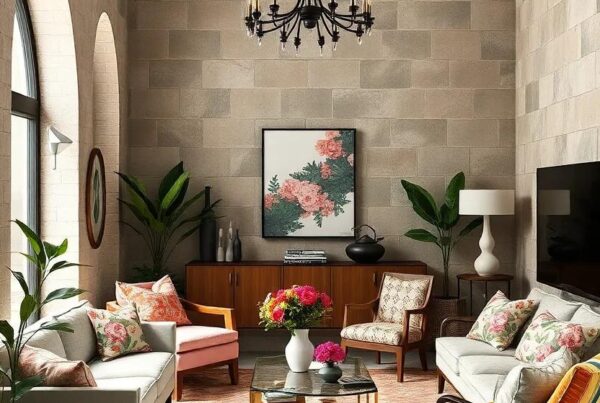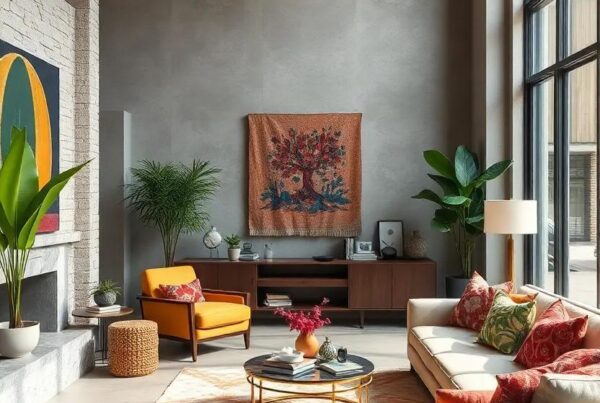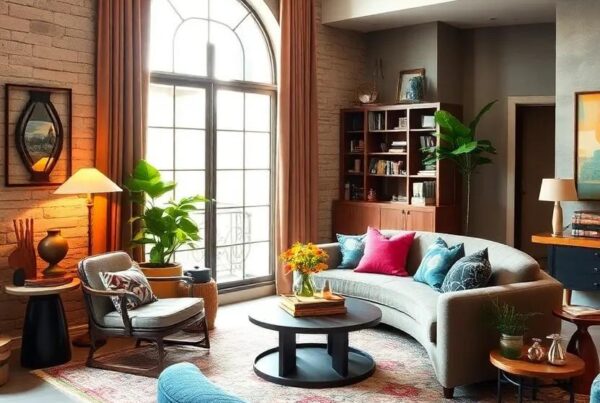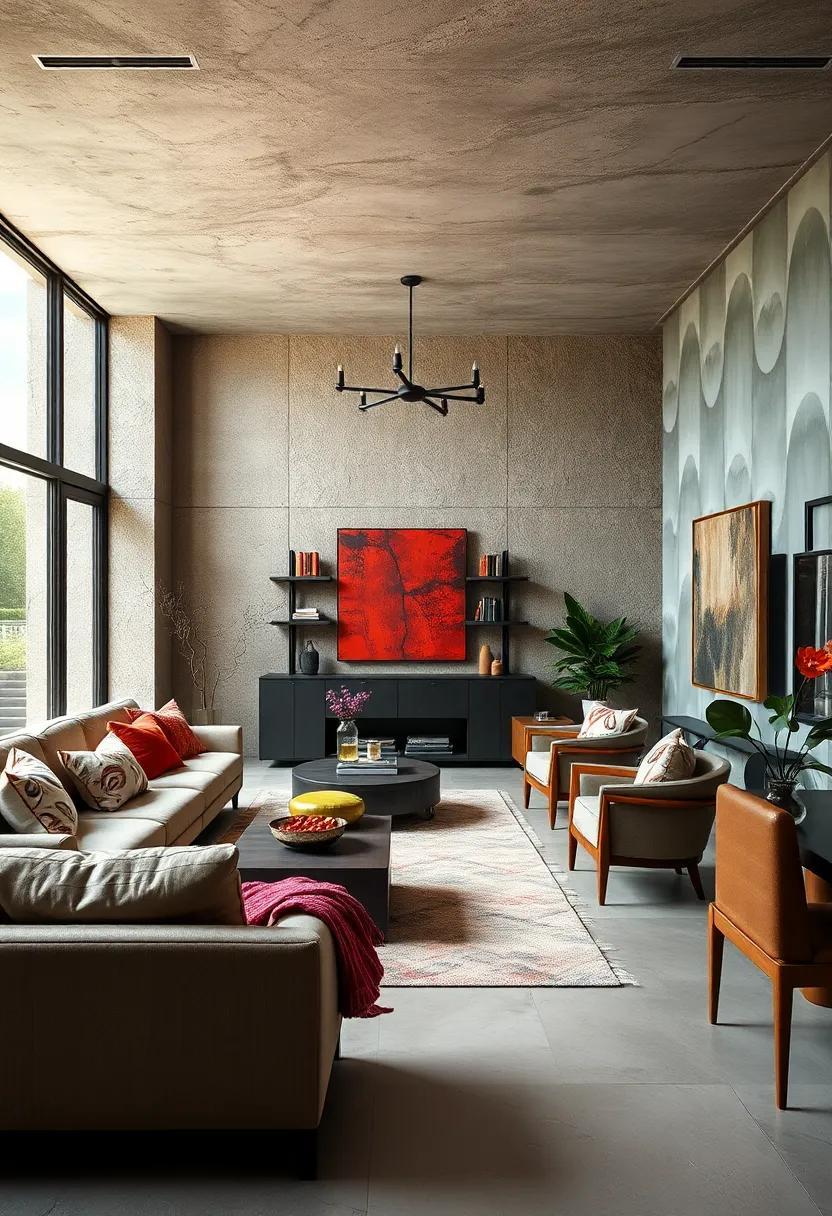
In the world of interior design, the quest for a personal aesthetic frequently enough leads us to the familiar comforts of matching color palettes and uniform textures. Yet,what if the key to truly expressing your individuality lies in breaking those traditional boundaries? “” invites you to step off the well-trodden path of conventional design and explore the dynamic interplay of materials that can elevate your space. From the warmth of a rustic wood table juxtaposed against sleek metal accents, to the soft embrace of fabric layered atop cool, smooth surfaces, this article will guide you through the art of thoughtful texture blending. Whether you’re drawn to the bold, the subtle, or the unexpected, join us on a journey to discover how the eclectic melding of textures can create a home that reflects the vivid tapestry of your life. Embrace the extraordinary, and let’s transform your living space into a canvas of creativity and character.
embracing Bold Color Palettes to Highlight Textural Contrasts in Your Space
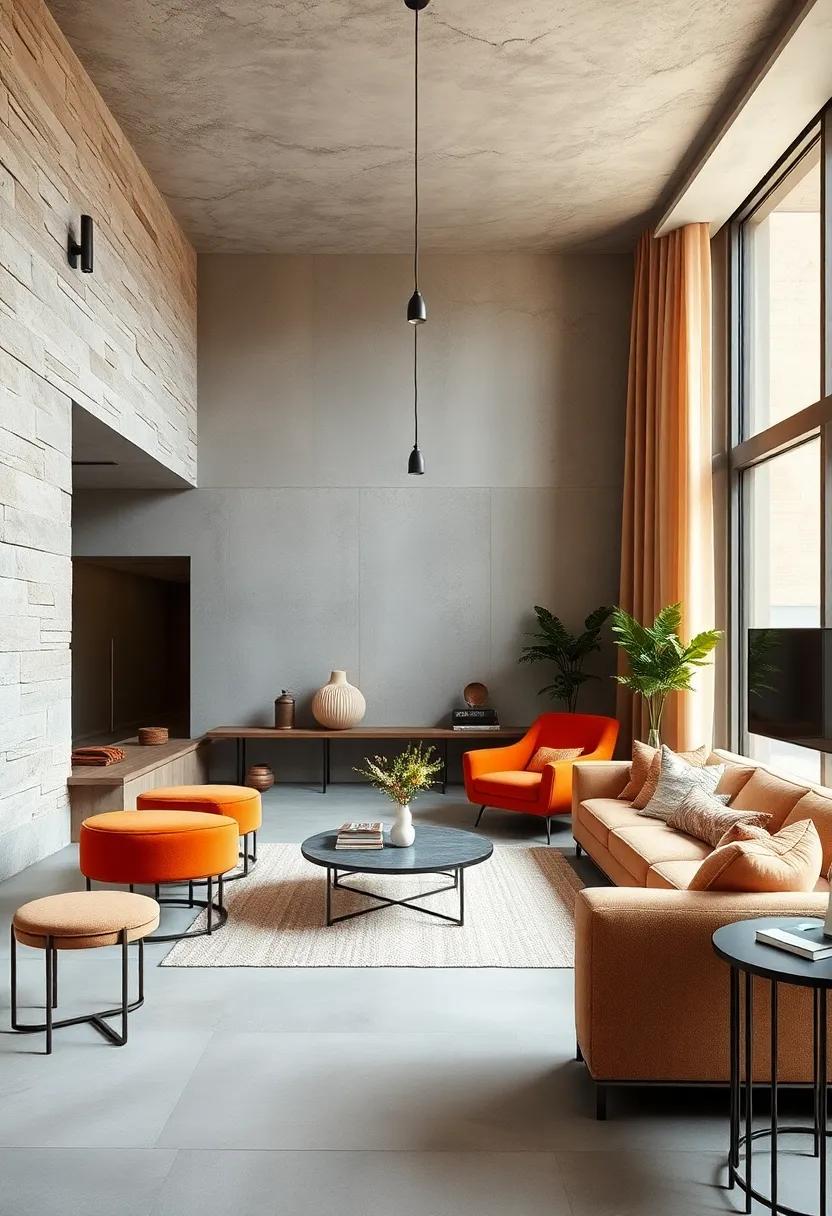
incorporating bold color palettes can transform a room, particularly when juxtaposed against rich textures.Imagine a deep emerald green accent wall paired with plush mauve velvet cushions,creating a striking visual experience that engages the senses. The dramatic interplay of color and texture can evoke feelings of warmth and sophistication, drawing attention to key features of your space. By utilizing a mix of materials, such as smooth ceramics, coarse linens, and glossy metals, you can enhance the overall aesthetic and create a vibrant yet cohesive look.
When experimenting with color and texture, consider these complementary pairings:
- Warm tones: Terracotta tiles with creamy, soft wool throws
- Cool hues: Cerulean blues set against rugged reclaimed wood
- Neutrals with pizzazz: Beige fabrics partnered with bold orange art pieces
To visually organize your selections, consider this layout:
| Color Palette | Texture | Effect |
|---|---|---|
| Sunset orange | Soft cotton | Inviting Warmth |
| Ocean Blue | Rough Stone | Calm Serenity |
| Forest Green | Textured Wool | Nature’s Embrace |
By thoughtfully combining these elements, you elevate your interior design, making a space that is not only visually appealing but also rich in tactile experiences.
The Art of Layering Textures: Creating Depth with Fabrics and Finishes
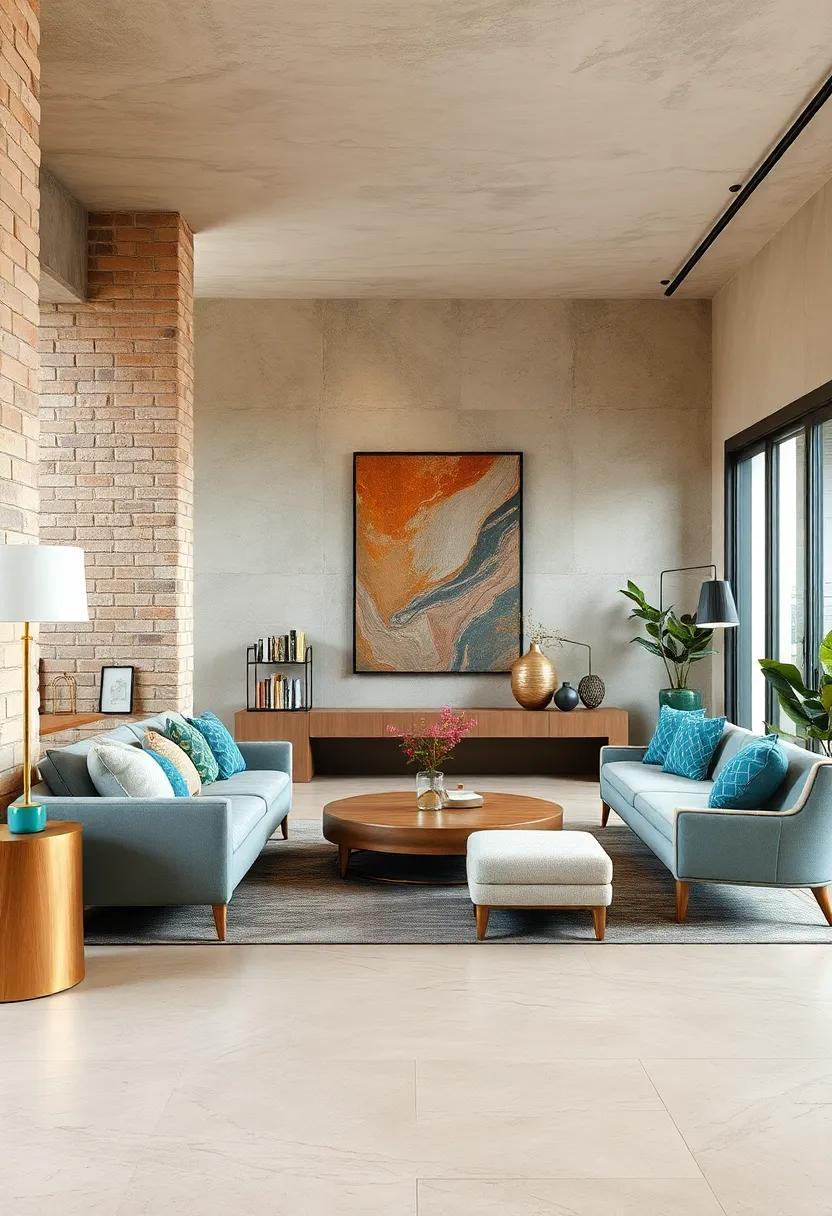
Layering different textures is akin to composing music; each element adds its unique note, creating harmony in your space.Start by choosing a focal point, such as a statement sofa, and build around it with complementary textures. Consider combining the softness of a plush velvet with the ruggedness of a woven jute rug. The juxtaposition not only enhances visual interest but also invites touch, making your room more inviting. To achieve perfect balance, take into account the scale, weight, and color of each texture; a structured leather chair can offset the airy feel of sheer linen curtains, allowing both to shine without competing.
incorporating unexpected elements can further elevate your design. Think outside the box with your materials; try pairing smooth ceramic vases with rough-hewn wooden tables, or mixing metallic finishes like brushed brass with aged copper. Each combination tells a story, inviting exploration and curiosity. To illustrate this point, hear’s a rapid reference table for popular textures and their potential pairings:
| texture | Perfect Pairing |
|---|---|
| Velvet | Woven Textiles |
| Leather | Linen |
| Wood | Metal |
| Glass | Natural fibers |
These combinations not only create visual depth but also evoke a sense of warmth and comfort that makes a space feel lived-in and personal. Embrace the unconventional by allowing your textures to play off one another, enhancing the eclectic character of your interiors. Remember, the beauty in layering lies in the balance—so don’t be afraid to experiment until you find the perfect mix that reflects your style.
Natural elements: Incorporating Wood, Stone, and plants for a Grounded Feel
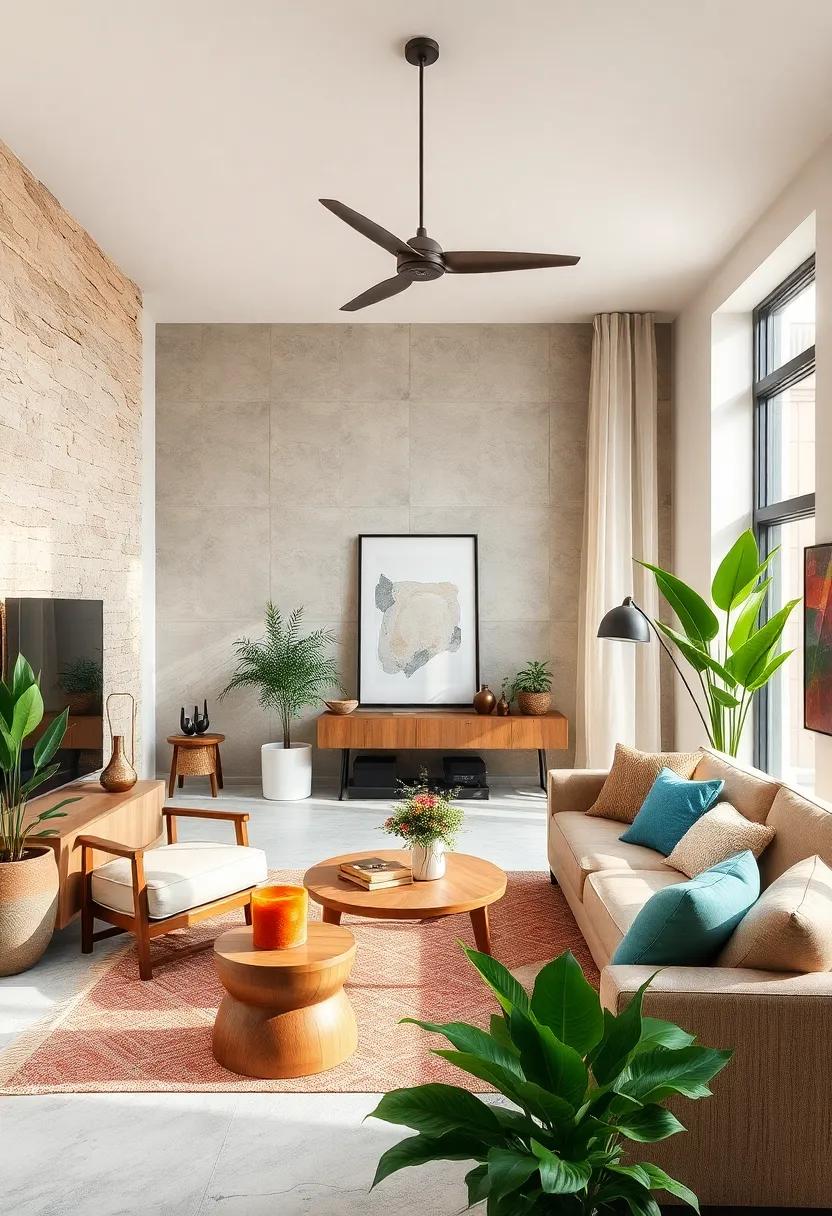
Infusing natural elements into your space invites warmth and a sense of serenity, making wood, stone, and plants essential components in achieving a grounded atmosphere. Opt for reclaimed wood in furniture pieces or accent walls, which not only showcases unique textures but also tells a story of sustainability. Stone accents, whether through a rustic fireplace, elegant countertops, or a striking feature wall, evoke a connection to nature, highlighting its inherent beauty. To bring the outdoors inside, enhance your design with carefully curated plants—think hanging ferns, bold monstera leaves, or delicate succulents, envisioning them as living art pieces that breathe life into your environment.
consider layering these elements to create a harmonious yet eclectic design. For instance, a smooth stone coffee table can pair beautifully with a live-edge wood bench, while an abundance of greenery softens the starkness of hard surfaces.Create small vignettes that juxtapose natural finds,where decorative stones can coexist with organic ceramics and woven textiles. Embrace contrasting textures that delight the senses; smooth versus rough, light versus dark, delicate versus durable—these combinations provoke curiosity and invite the eye to explore your unique interior narrative, transforming any room into an inviting oasis of eclectic charm.
Mixing Patterns: Finding Harmony in Diverse Textural Landscapes
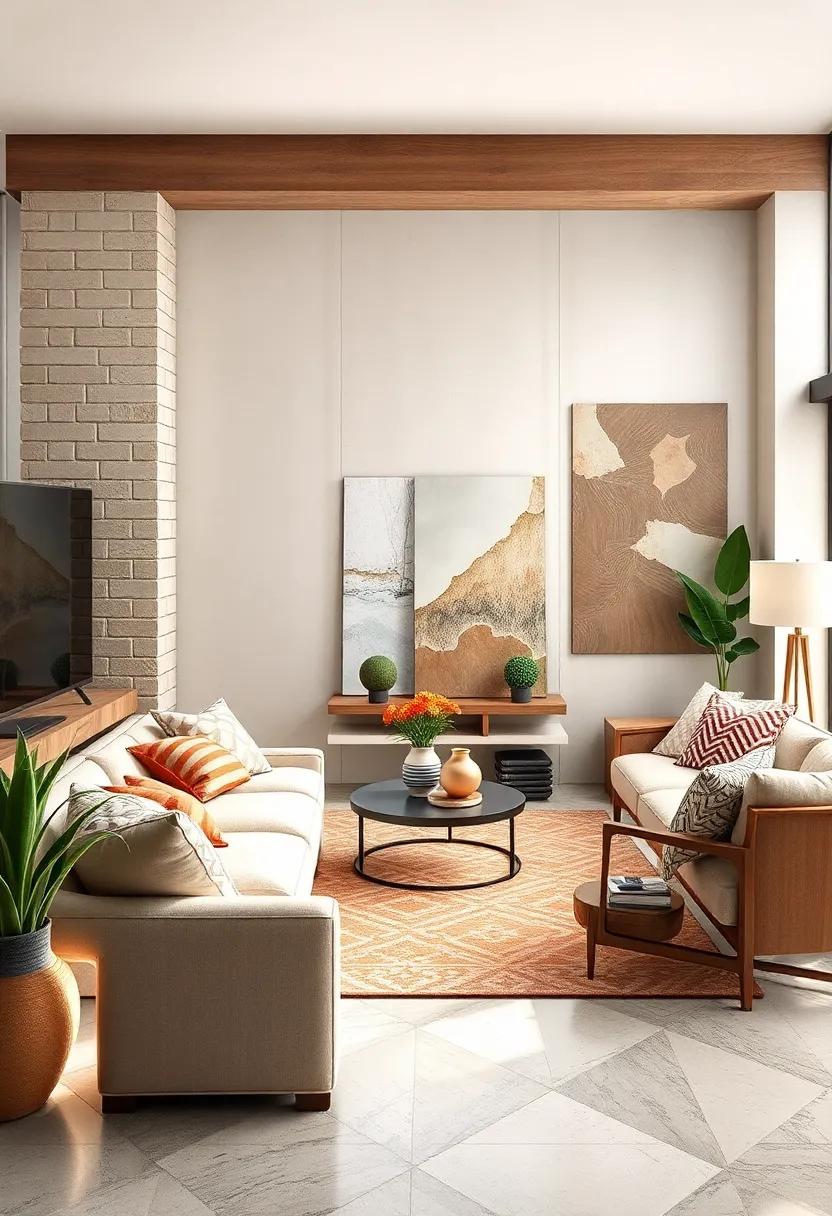
Incorporating diverse textures into your interior design not only adds depth but also a touch of personality that reflects your unique taste. Consider blending materials such as velvet, linen, and jute to create a cozy yet complex atmosphere. The juxtaposition of soft and rough elements can invite curiosity and warmth, transforming a space from mundane to extraordinary. Experiment with combinations,such as pairing a plush velvet sofa with a rustic wooden coffee table,or layering a smooth silk throw over a chunky knitted blanket to evoke an inviting sensibility.
To achieve harmony within this eclectic mix, it’s essential to establish a consistent color palette that ties the elements together. Keep an eye on varying patterns and textures,ensuring they don’t clash but instead enhance each other.Here’s a simple guide to help you blend textures successfully:
| Texture Type | Example Materials | Suggested Pairings |
|---|---|---|
| Soft | Velvet, silk | Leather, Wool |
| Rough | Jute, Distressed Wood | Glass, Metal |
| Sleek | Marble, Metal | Knits, Woven Textiles |
By thoughtfully choosing complimentary materials and balancing their proportionality, you can masterfully create a visually mesmerizing space. Pay attention to the scale, proportion, and weight of each piece to ensure they contribute positively to the overall landscape of your interior. Remember,the key to a triumphant texture mix lies in celebrating differences while creating a cohesive visual narrative that invites exploration and engagement.
Soft Meets Hard: Balancing Plush Upholstery with Sturdy Furnishings
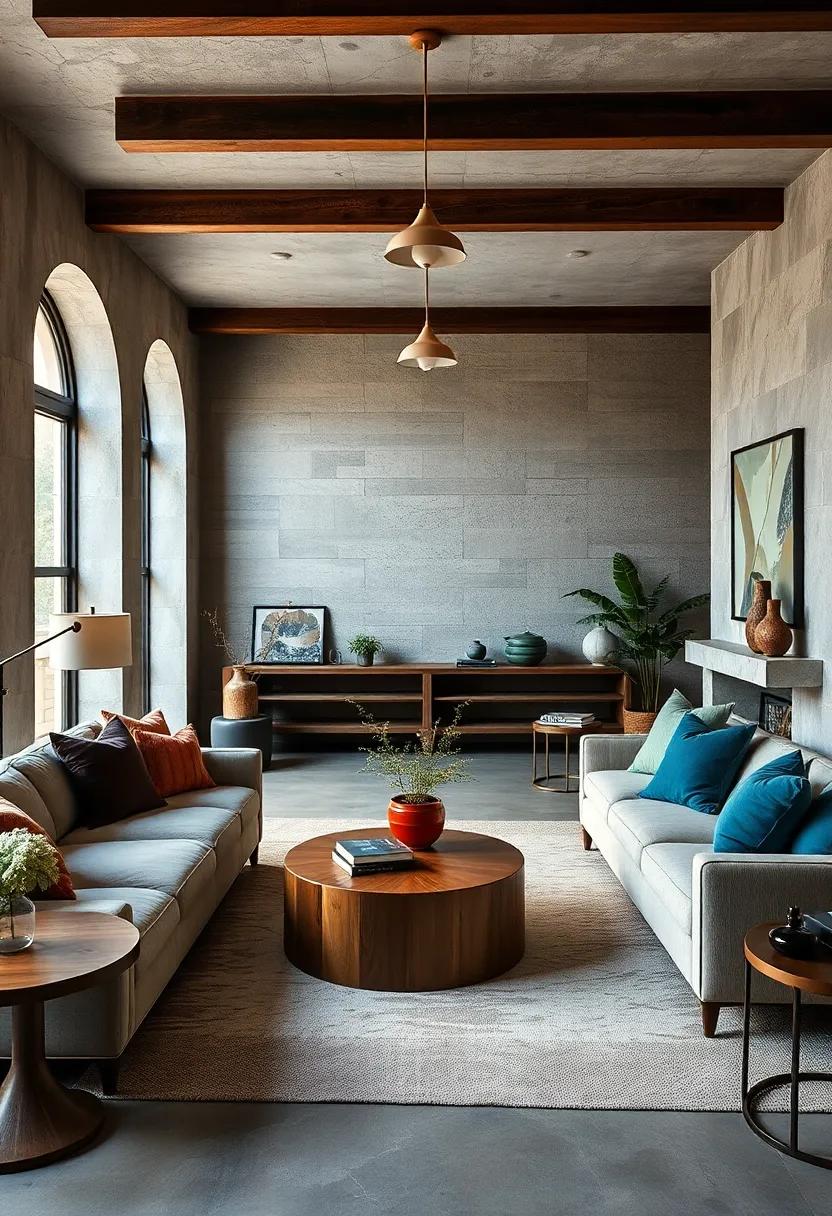
When designing an eclectic interior, the secret lies in the interplay between soft, plush upholstery and the sturdy presence of rugged furnishings. Soft fabrics like velvet and chenille can envelop a space in warmth, inviting comfort that beckons you to sink in and relax. Mixing these with hard-edged elements—think reclaimed wood tables, metal frames, or stone accents—creates a dynamic tension that draws the eye and adds depth to the room. consider pairing a cozy, oversized sectional with a chunky, industrial coffee table to balance the airy softness with a grounded counterpart. the contrast not only enhances the visual intrigue but also fosters an atmosphere where elegance meets resilience.
Layering textures is key to achieving harmony in this balance. To effectively combine soft and hard elements, follow these tips:
- Choose a color palette: Stick to a cohesive scheme that bridges both soft and hard materials.
- Incorporate accessories: Use plush throw pillows or a soft rug to soften the edges of more robust furniture.
- Vary heights: Balance the visual weight by placing lower upholstered pieces next to tall bookcases or striking lighting fixtures.
By thoughtfully combining these elements, you can create an inviting space that oscillates between comfort and durability, showcasing the beauty of varied textures while ensuring functionality.
Creating Zones with Textures: defining Spaces in Open Concepts
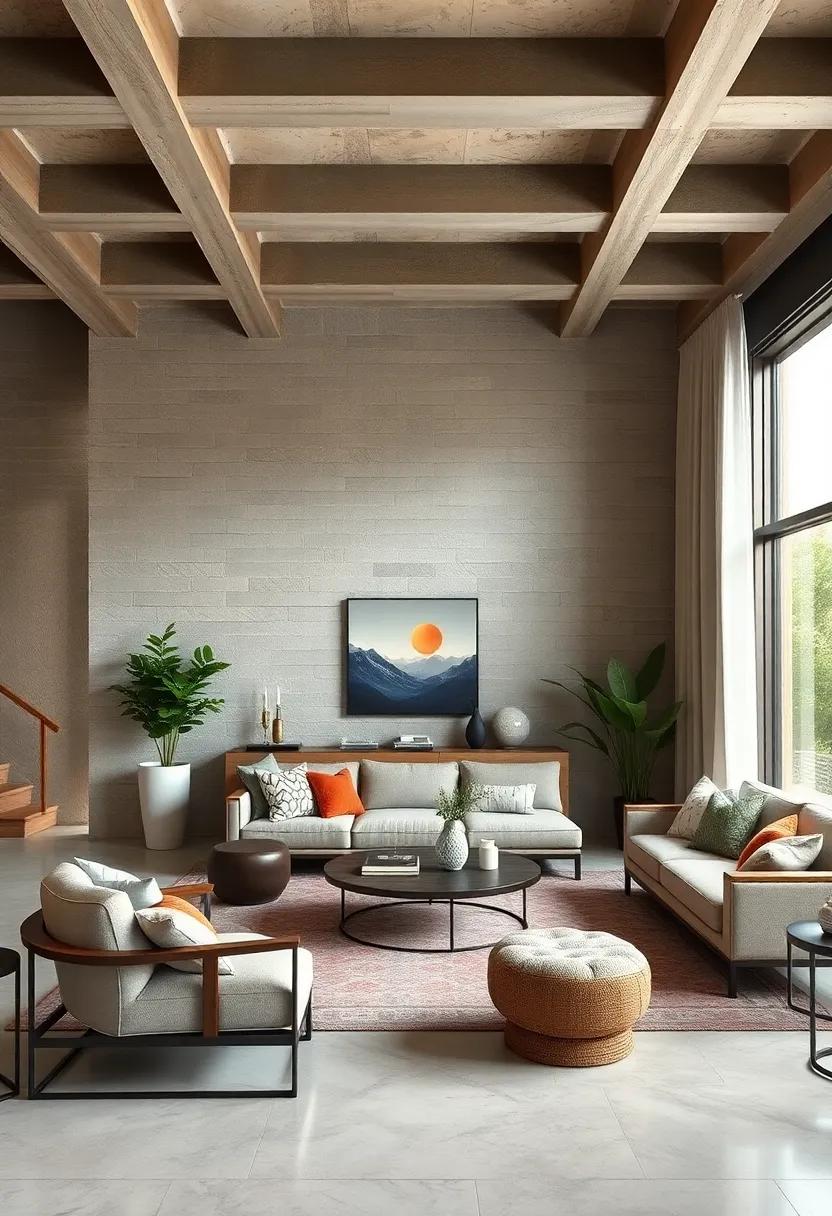
One of the most intriguing aspects of open-concept design is the opportunity to create distinct zones through the clever use of textures. by layering a variety of materials, you can establish visual boundaries that guide movement and interaction within the space. Consider integrating soft textiles, like plush rugs or velvety cushions, alongside harder surfaces, such as sleek wood or polished metal. This juxtaposition not only enhances aesthetic appeal but also fosters a sense of intimacy within larger areas. you might also play with wall treatments; such as, a textured wallpaper can delineate areas, offering an inviting contrast to a smooth, painted surface.
When mixing textures, it’s essential to keep a cohesive color palette in mind. Utilizing a harmonious blend of hues across various materials will tie your zones together, preventing a chaotic appearance. Focus on incorporating elements such as:
- Natural fabrics like linen or cotton for warmth
- Rough stone or brick to introduce rustic charm
- Satin or silk accents for a touch of luxury
- Glass elements that reflect light and add depth
To further illustrate,the table below provides a snapshot of texture pairings that work beautifully in open spaces:
| Texture 1 | Texture 2 | Effect |
|---|---|---|
| Wood | Wool | Warmth and Comfort |
| metal | Leather | Edgy Elegance |
| glass | Jute | Lightness and earthiness |
By intentionally combining these textures,you not only define spaces but also cultivate a unique and inviting atmosphere. The result is a balanced, eclectic interior that celebrates individuality while thoughtfully managing transitions between areas.
Visual Storytelling: Using Textiles to Reflect Personal Journeys
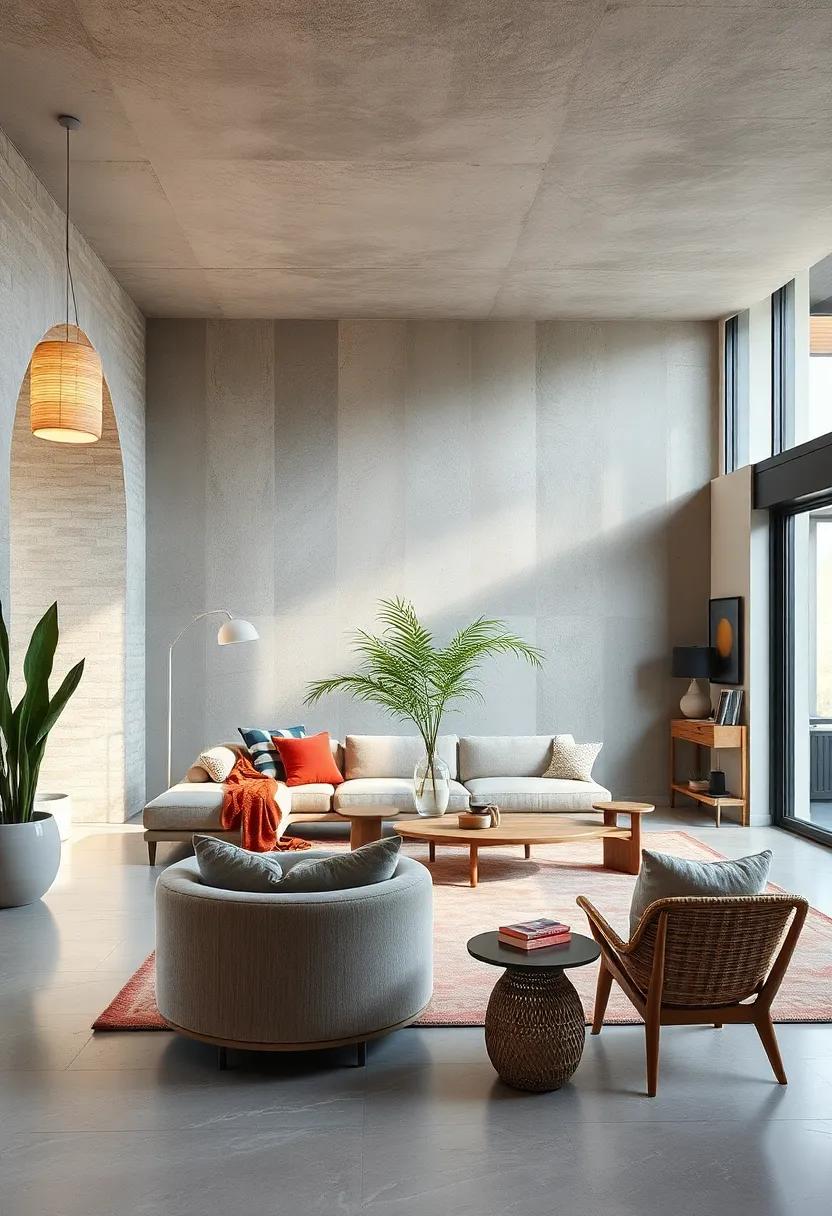
Textiles have an extraordinary ability to carry stories and emotions, allowing us to weave our personal experiences into the fabric of our living spaces. Each fabric, pattern, and texture can serve as a canvas that reflects individual journeys, where memories of travels, cherished moments, and personal milestones come together. By integrating a variety of textiles, from sumptuous velvets and coarse linens to intricate quilts, we create a dialogue between contrast and harmony, offering a visual narrative that is uniquely ours. Consider the following elements when curating your eclectic interior:
- layering Fabrics: Combine different materials to create depth.
- Heritage Textiles: Include fabrics that hold historical or familial significance.
- Color Palette: Choose colors that evoke specific emotions or memories.
- Patterns: Explore a mix from geometric to organic designs to symbolize various aspects of your journey.
In doing so, the essence of who we are can manifest in every corner of our home. The beauty in layering diverse textures lies in the stories they tell collectively while highlighting individuality. To encapsulate this concept, consider setting up a small showcase that highlights different textiles along with their associated stories in a simple table format:
| Textile | Story |
|---|---|
| Linen Throws | Memory of a summer spent along coastal shores. |
| Embroidered Tapestry | A symbol of cultural heritage and family legacy. |
| Woven rugs | Each knot narrates tales of travels and adventures. |
By thoughtfully integrating these textiles, not only do we adorn our spaces, but we also create an immersive experience that invites conversation and reflection, making the ambiance intrinsically connected to our existence.
Eclectic Accessories: Curating Decor that Celebrates Texture and Character
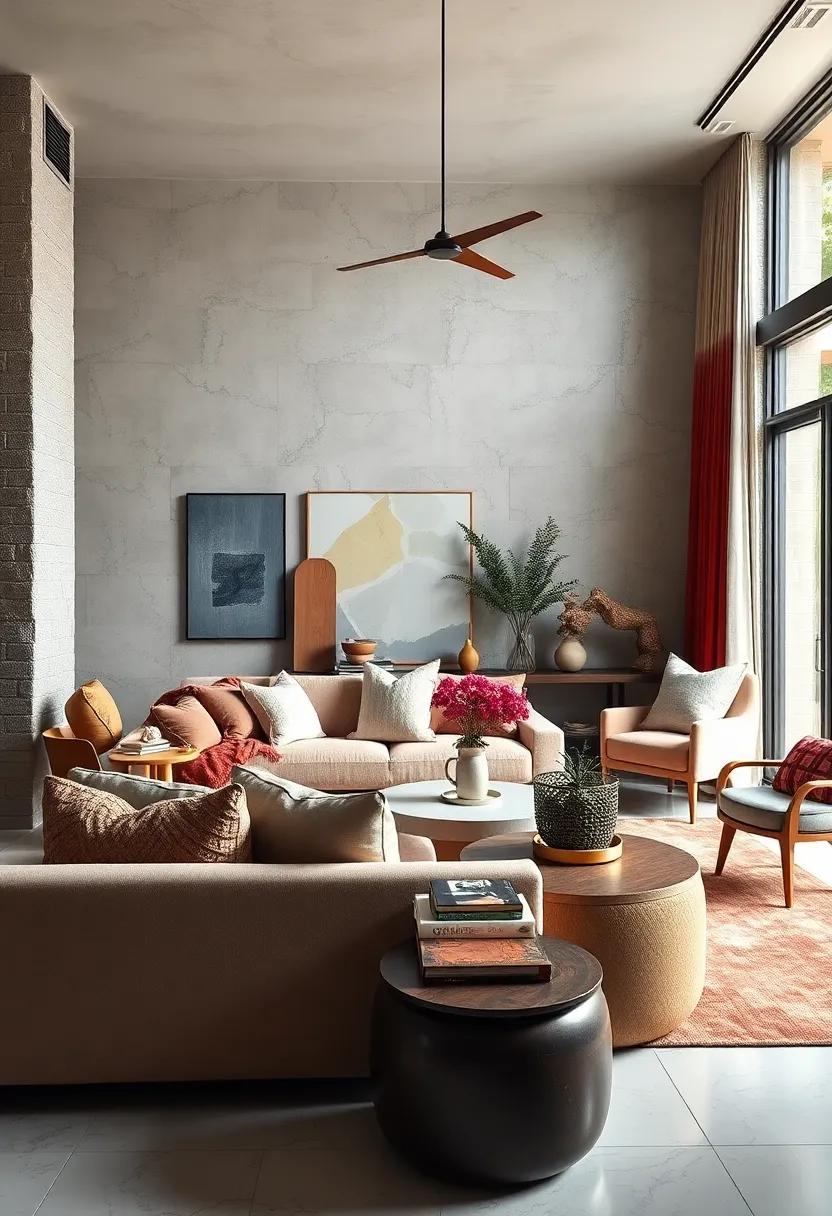
Eclectic decor thrives on the ability to blend various textures, materials, and styles into a harmonious narrative. To create an inviting space, consider incorporating elements that speak to your personal journey and taste. Natural fibers such as jute and linen juxtaposed with sleek metals can create a striking contrast that draws the eye. Play with layering by mixing soft cushions with hard surfaces, like brick walls or wooden sculptures. This not only adds depth but also encourages exploration as guests discover unique details in every corner of your home.
When curating your accessories, think about scale and proportion to enhance the eclectic feel. A robust floor vase may anchor a room, while multiple miniature sculptures on a shelf can create a delightful visual rhythm. Consider these components for your collections:
| Accessory Type | Texture | Character |
|---|---|---|
| Wooden Bowls | Rough | Organic |
| Woven Wall Hangings | Textured | Artisanal |
| glass Accents | Smooth | Modern |
| Metallic Candlesticks | Polished | Glamorous |
Choosing decor that celebrates distinct textures invites conversations and adds uniqueness to your environment.By mindfully mixing components that each hold their own story, you not only create a visually appealing space but also craft an experience that resonates with warmth and personality. Embrace the beauty in contrasts and let your accessories reflect the complexity and richness of life itself.
Color Blocking with textures: A Striking Approach to Interior Design
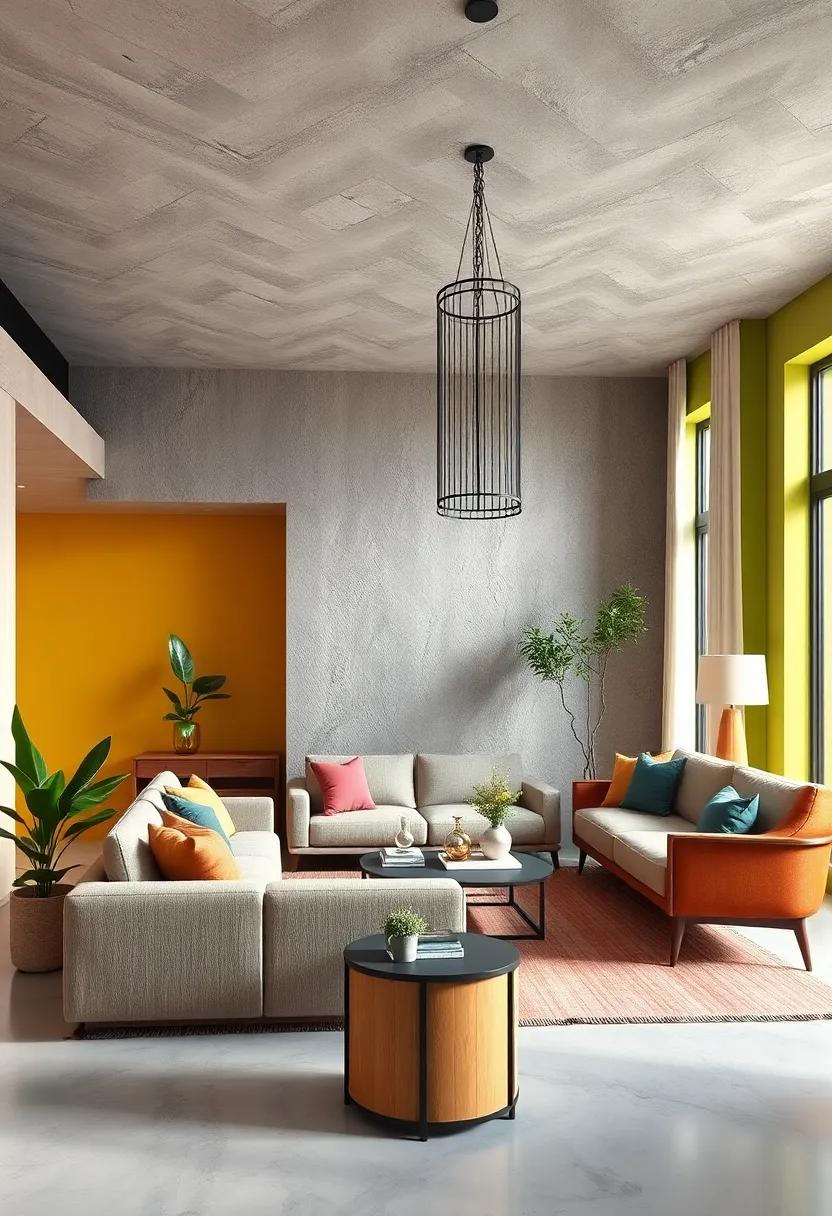
Color blocking isn’t just about bold hues; it’s about weaving together different textures to create a stunning visual narrative. By pairing materials such as smooth plastics, rustic woods, and plush fabrics, you can craft a layered aesthetic that draws the eye. Consider integrating elements like velvet cushions on a leather couch or a woven rug atop sleek tiles to create dynamic contrasts. This approach not only enhances the visual appeal but also invites touch, making your space feel more inviting and engaged.
To successfully mix textures, it’s essential to maintain some cohesion through a thoughtfully chosen color palette. here are some effective combinations to inspire your design journey:
- warm Tones: Terracotta, mustard, and olive green
- cool Hues: Navy blue, slate grey, and crisp white
- Natural Elements: Earthy browns, leaf greens, and ocean-inspired blues
When planning your layout, consider a table for easy reference:
| Texture | Color Pairing | Design Element |
|---|---|---|
| Velvet | Deep Teal | Cushions |
| Wood | Natural Oak | Dining table |
| Metal | Brushed Gold | Lighting Fixtures |
Sculptural Furniture: Showcasing Artistry through Unique Textural Forms
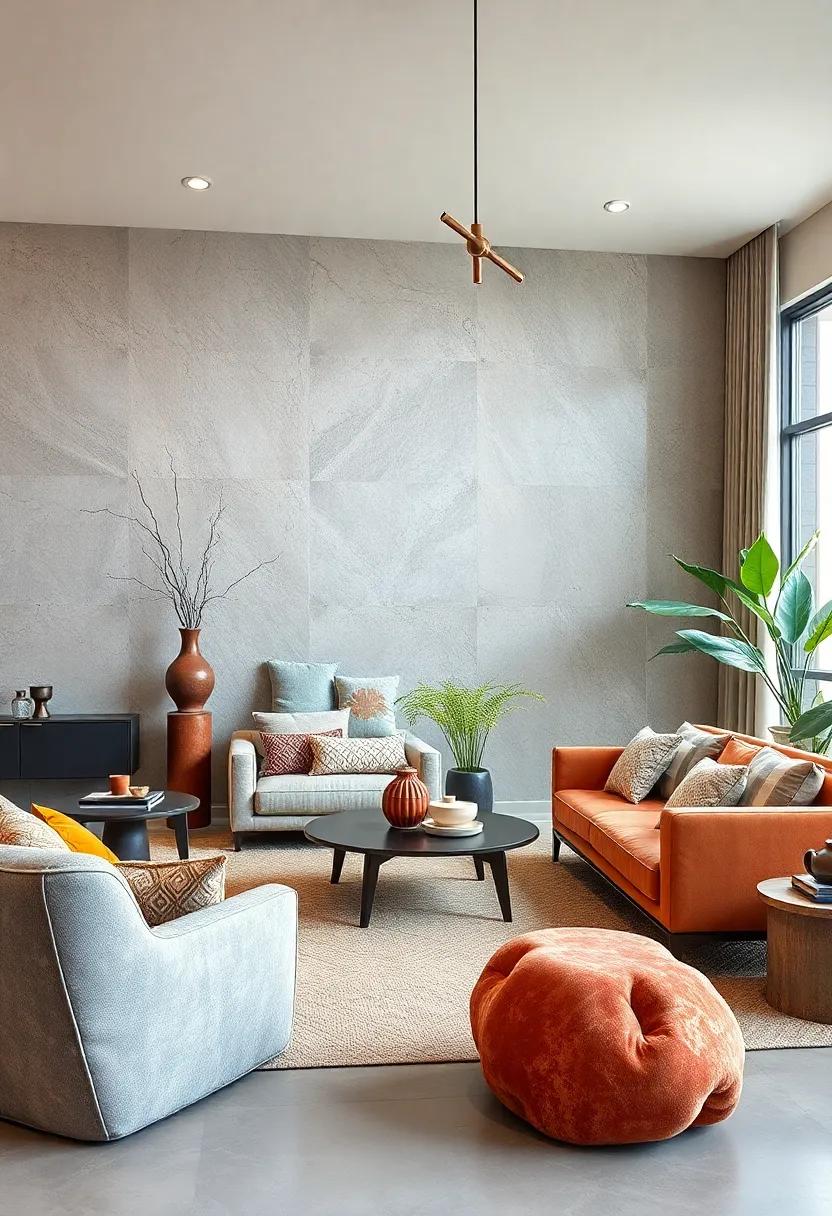
Incorporating sculptural furniture into your home can transform ordinary spaces into extraordinary visual narratives. These pieces often serve as more than mere functional objects; they invite the viewer to experience artistry through their unique shapes and textural qualities. Whether formed from organic materials like wood or sleek metals, sculptural furniture captures the imagination and adds depth to your interior. The allure lies in their bold forms and unexpected silhouettes, creating focal points that inspire discussions while harmoniously blending with surrounding décor.
When mixing textures, consider combining the smoothness of leather with the roughness of reclaimed wood or intertwining soft fabrics with angular metal accents. This juxtaposition not only adds richness but also creates a sensory experience that draws people in. To guide your selection process, refer to the following table for inspiration on texture pairings:
| Material | Texture | Pairing Suggestion |
|---|---|---|
| Marble | Smooth & Cool | Pair with Wool |
| Ceramics | matte & Textured | Combine with Velvet |
| Glass | Translucent & Reflective | Accent with Raw Linen |
| Concrete | Rugged & Heavy | Contrast with Soft Cotton |
Statement Walls: Using Textural treatments to Add Visual Interest
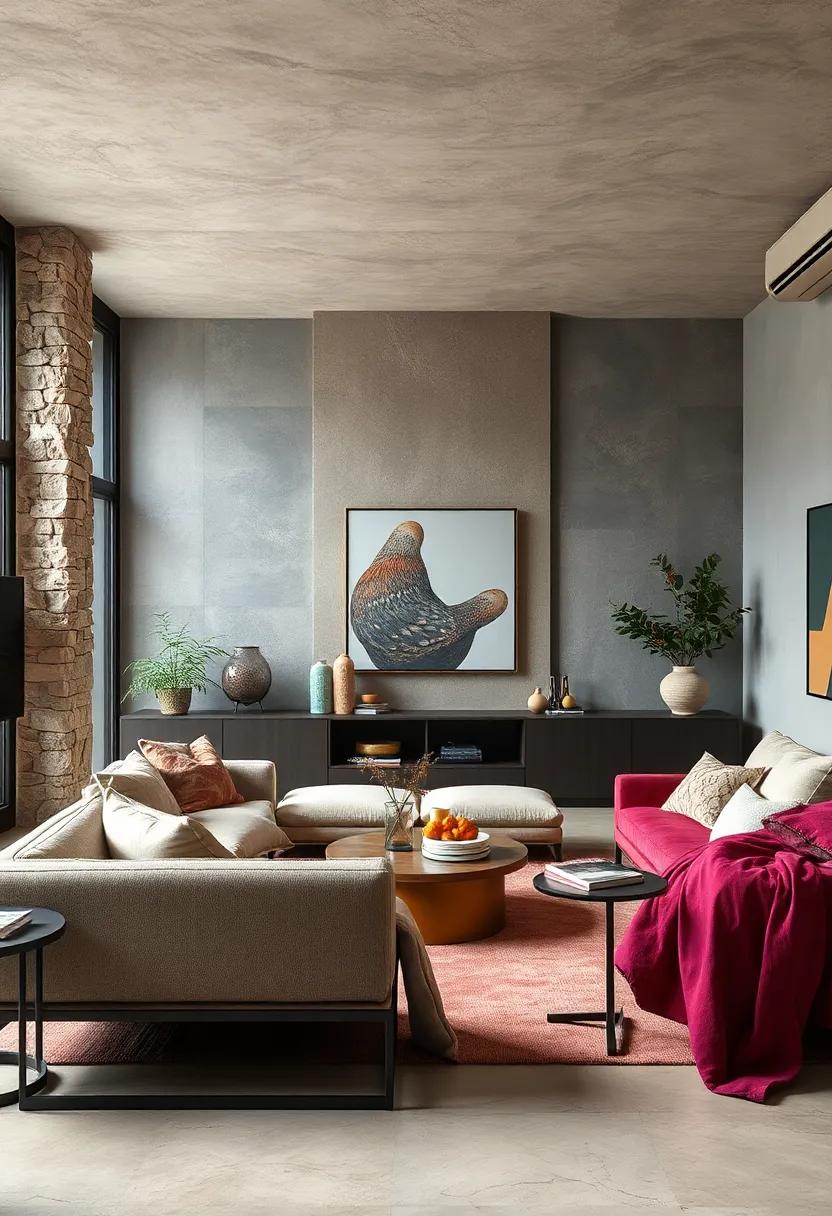
Creating a dramatic focal point in your space is effortless with a statement wall, particularly when layering different textural treatments. Consider the contrast between smooth and rough elements; a sleek, painted surface can beautifully highlight a rustic wood panel or a brick feature. By combining materials such as reclaimed wood, textured wallpaper, and metallic finishes, you can achieve a stunning visual dialogue that draws the eye and ignites creativity. Play with scale and arrangement—think about asymmetrical layouts or large-format tiles juxtaposed with delicate wall hangings to create depth and intrigue.
To elevate your design, embrace bold color choices and unconventional materials in your textural palette. For instance, combining a vibrant geometric wallpaper with a soft, plush fabric can add layers of comfort and style. Additionally, the use of accessories like deep-framed mirrors or three-dimensional wall art can further enhance the interplay of textures. A strategic selection of lighting can also amplify your statement wall, casting shadows that emphasize the textures you’ve chosen. Here’s a quick reference table for texture combinations to inspire your next interior project:
| Texture Type | Combination Ideas |
|---|---|
| Wood | Fine sanded planks with raw timber studs |
| Textiles | Soft drapes with woven wall hanging |
| Paint | Matte finish paired with glossy accents |
| Metals | Brushed aluminum with hammered copper |
Layered Lighting: Enhancing Textures through Strategic Illumination
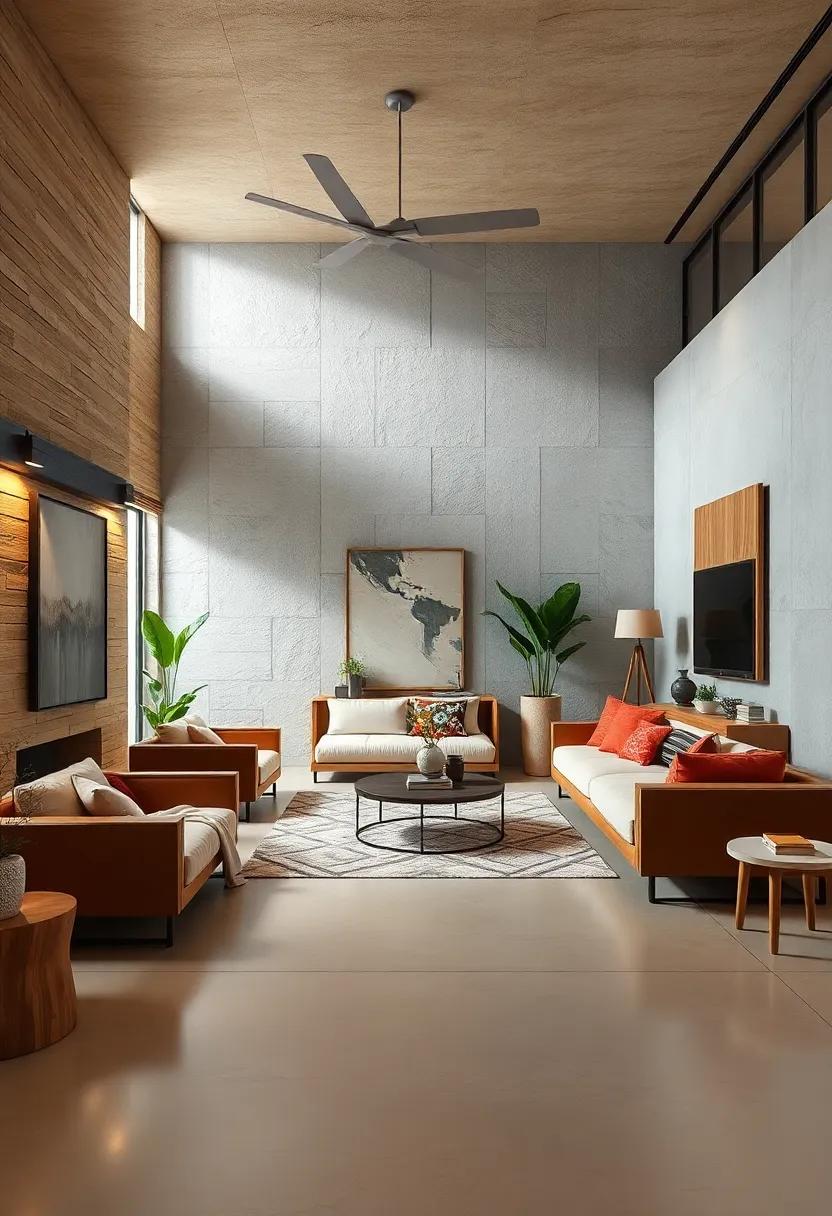
Layering lighting is an essential element in enhancing the overall aesthetic of a space, especially when it comes to showcasing the intricacies of different textures. By implementing a variety of light sources—such as ambient, task, and accent lighting—you can create a harmonious interplay between light and shadow that brings out the unique qualities of each material. Consider the following strategies for maximizing the impact of your lighting design:
- Accent Lighting: Use spotlights or track lighting to draw attention to textured wall treatments, such as raised plaster or intricate wallpaper.
- Task Lighting: Incorporate desk lamps or under-cabinet lights to illuminate textured surfaces, making them both functional and visually appealing.
- Ambient Lighting: Utilize soft, diffused light from fixtures like floor lamps or pendant lights to create a warm backdrop that complements the tactile features of the room.
To effectively showcase your eclectic mix of materials, consider how each light source interacts with your textures. For instance, a rough stone wall may appear more dramatic and rugged under focused light, while a soft fabric can exude warmth and coziness when bathed in gentle, diffused lighting. Use a light fixture with adjustable brightness to manipulate the mood in a space, allowing each texture to evolve based on the time of day or activity. Below is a simple guide showcasing the effect of different lighting types on various textures:
| Texture Type | Recommended Lighting | Suggested Effect |
|---|---|---|
| Wood | warm White LED | Enhances grain and natural warmth |
| Fabric | Soft Diffused Light | Creates a cozy, inviting feel |
| Metal | Cool White Spotlights | Highlights sheen and reflects texture |
| Stone | Focused Accent Lighting | Brings out rugged detail and depth |
Crafting Cozy Nooks: The Invitation of Mixed Textures for Relaxation
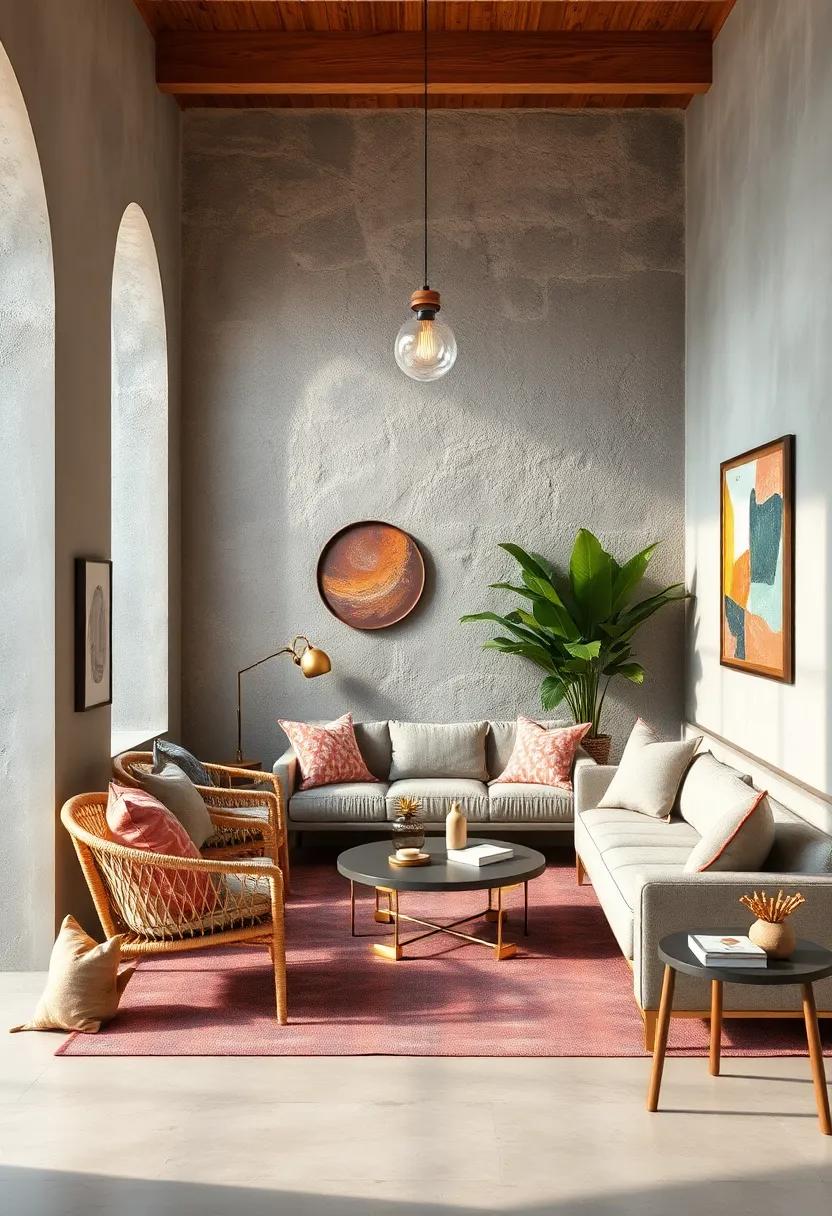
Creating an inviting and relaxing corner in your home is all about combining elements that speak to both comfort and style.A blend of soft fabrics, natural materials, and unique designs can elevate a space, transforming it into your personal sanctuary. As a notable example, consider layering a plush wool throw over a vintage leather chair, pairing it with woven cushions that offer varied textures. The interplay between these materials not only enhances visual interest but also invites the touch of warmth and coziness, encouraging you to sink in and unwind.
To further enrich your cozy nook, think about incorporating a variety of textures throughout the space. This can include items like a chunky-knit pouf, a sleek metallic side table, or a natural wood bookshelf that showcases your favourite books and plants. By thoughtfully arranging these elements, you can create a harmonious balance that exudes both flair and relaxation. A simple way to display your design intentions is by utilizing a small table as a canvas:
| Element | Texture | Color |
| Woven Basket | Rough | Natural beige |
| Knitted Blanket | Soft | Cream |
| Wooden Table | Raw | Deep Brown |
| Ceramic Vase | Smooth | Muted Blue |
This visual guide allows you to brainstorm how different materials can come together to form a cozy retreat. Remember, it’s not just about the individual pieces but also how they interact as a whole. Through a careful selection of textures, you can achieve a layered, inviting atmosphere that draws you in and encourages moments of leisure.
Cultural Inspirations: Infusing Global Textures for an Eclectic Vibe
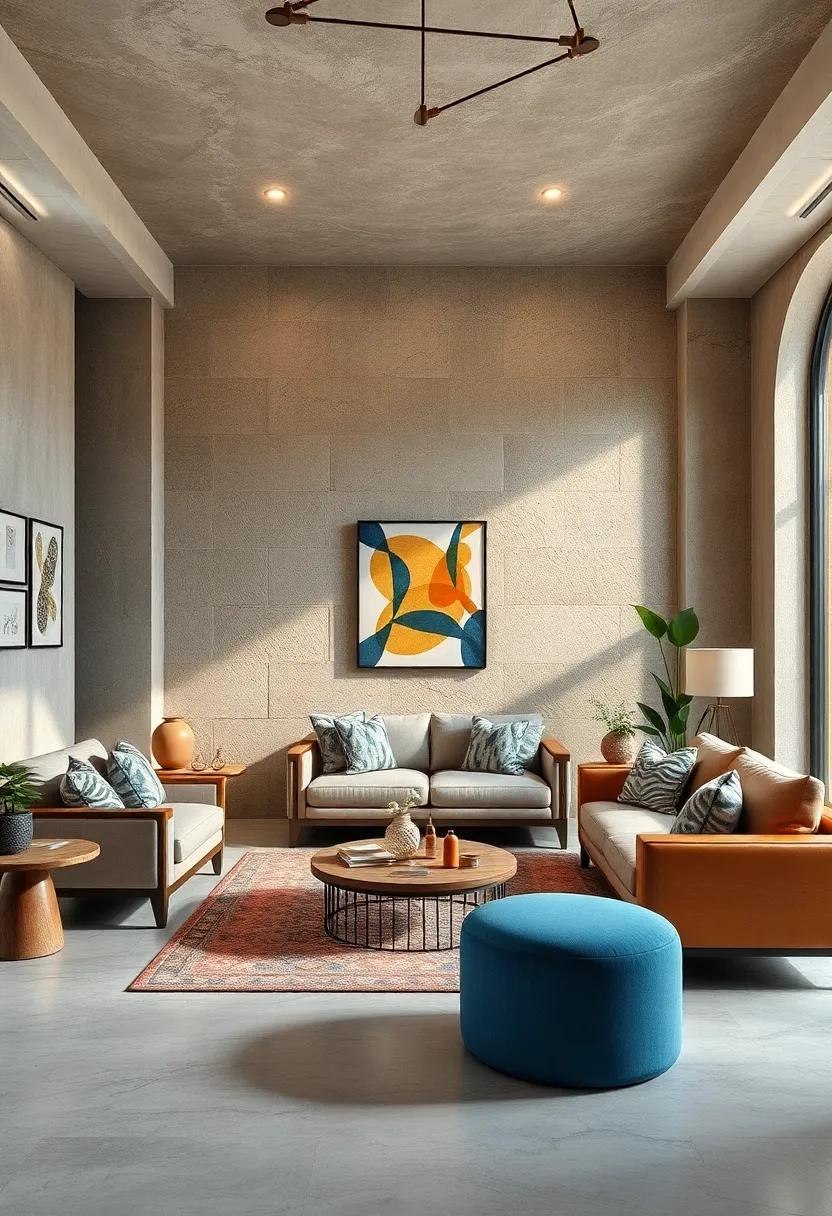
Incorporating elements from diverse cultures can elevate your interior design, helping you achieve that unique, eclectic vibe you desire. By blending textures and patterns from around the globe, you create a visually intriguing space that tells a story. Consider layering materials such as Handwoven textiles, Reclaimed wood, and Ceramic pottery. These items not only add depth and warmth but also serve as a conversation starter, allowing guests to appreciate the rich cultural narratives behind each piece.
To curate an effective mix, focus on a few key regions and their distinctive textures. For example, look into the intricate patterns of Moroccan tiles, the cozy feel of Scandinavian linens, or the rugged elegance of Japanese ceramics. Create a harmonious balance by incorporating elements in similar colors or patterns,ensuring they complement rather than clash with one another. Below is a simple table to help visualize some captivating cultural elements to incorporate:
| culture | Texture/Material | Suggested Use |
|---|---|---|
| Moroccan | Colorful rugs | Layering on hardwood floors |
| Scandinavian | Natural wool textiles | Throw pillows and blankets |
| Japanese | Minimalist ceramics | Table settings and decor |
| indian | Block-printed fabrics | Curtains and upholstery |
Playful Combinations: how to Boldly Clash Textures for Excitement
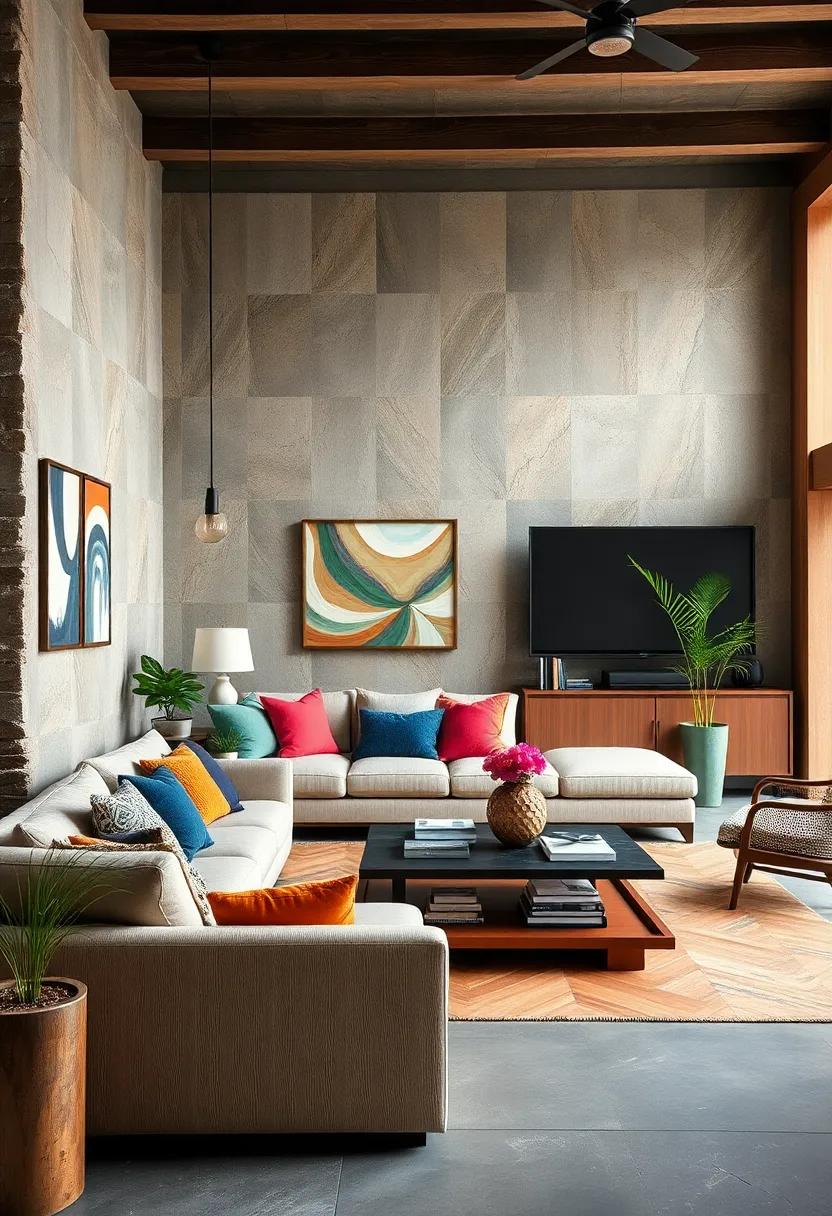
Dare to break the mold by infusing your space with unexpected textures that ignite the senses. The interplay between soft and rough,sleek and fuzzy,or shiny and matte can create a dynamic tapestry that tells a story. Imagine combining a sumptuous velvet sofa with a rugged reclaimed wood coffee table. This bold juxtaposition not only captivates the eye but also invites touch,creating a space that feels alive. Consider layering materials; for instance, drape a chunky knit throw over a sleek leather armchair for a cozy yet contemporary contrast, or pair smooth ceramics against a woven basket for a delightful textural play.
When experimenting, keep in mind the importance of balance. A well-thoght-out mix enhances harmony amid chaos. Here are some combinations worth exploring:
- Glass and Burlap: The transparency of glass adds elegance, countered by burlap’s earthy, rustic charm.
- Marble and Jute: The coolness of marble plays beautifully against the natural warmth of jute.
- Metal and Wool: The strength of metal meets the softness of wool, proving opposites do attract.
| Texture 1 | Texture 2 | Effect |
|---|---|---|
| Velvet | Concrete | Luxurious yet Industrial |
| silk | Exposed Brick | Elegant and Raw |
| Ceramic | Wicker | Polished and Natural |
Textured Floor treatments: Creating Foundations that Embrace Variety
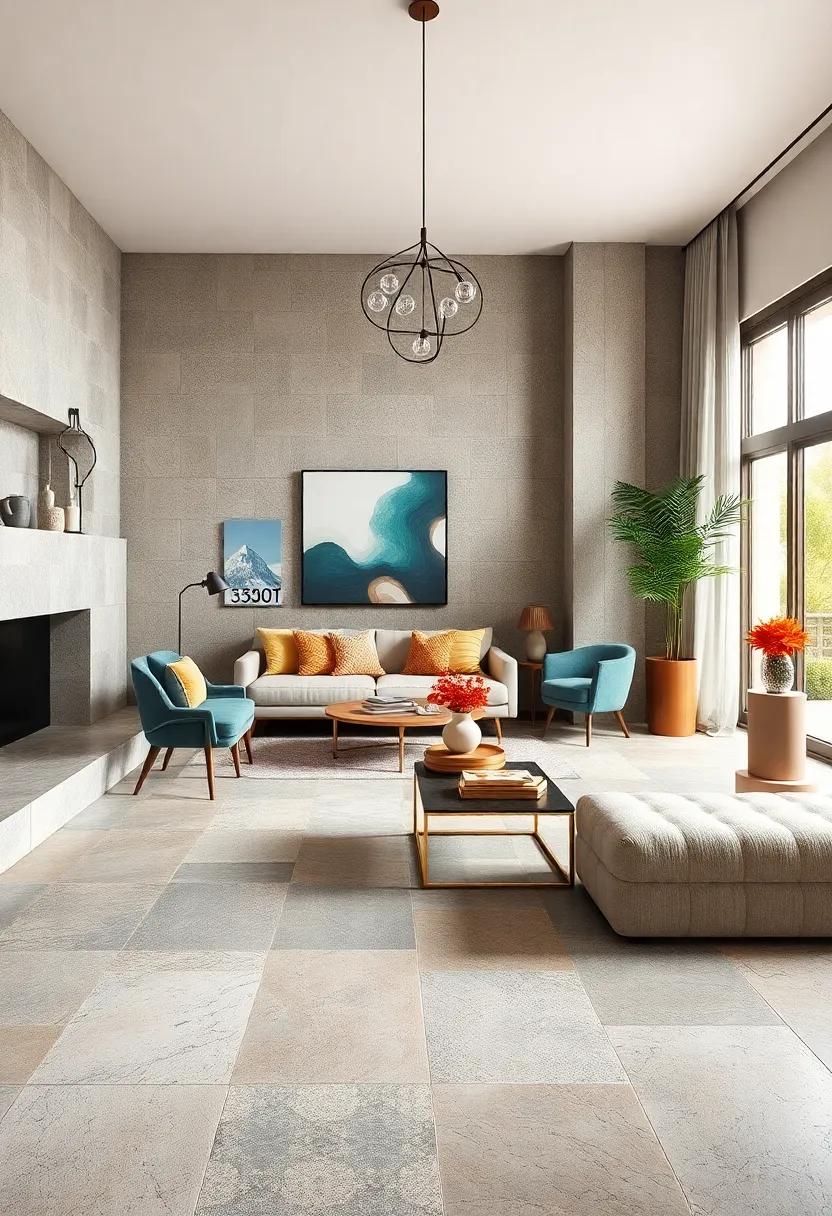
When considering the dynamic world of interior design, the floor frequently enough serves as the unsung hero, providing a canvas for creativity.Textured floor treatments can infuse life into your space by embracing a mix of materials that complement each other while highlighting individual characteristics. Think of rustic hardwood paired with sleek polished concrete or matte tiles juxtaposed with rich area rugs. This multifaceted approach allows for an exploration of various vibes, whether you’re aiming for a cozy sanctuary or a vibrant gathering spot.
To achieve a balanced aesthetic, utilize an assortment of textures that can bring depth and interest. Consider this simple guideline for your floor treatment choices:
| Texture Type | Effect |
|---|---|
| wood | Warmth and Natural Appeal |
| Tile | Durability and clean Lines |
| Carpet | Softness and Sound Absorption |
| Stone | Timeless Elegance |
By combining these elements, you can create visually engaging transitions that guide the eye throughout the room. Incorporating layering techniques such as rugs over hardwoods or mixing ceramic tiles with plush textiles will not only break the monotony but also encourage a dialogue between different surfaces. This intentional mixing of materials fosters an eclectic aesthetic, ensuring your interior tells a unique story and delivers a sensory experience like no other.
Accessorizing with Intention: Choosing Textures that Speak Volumes
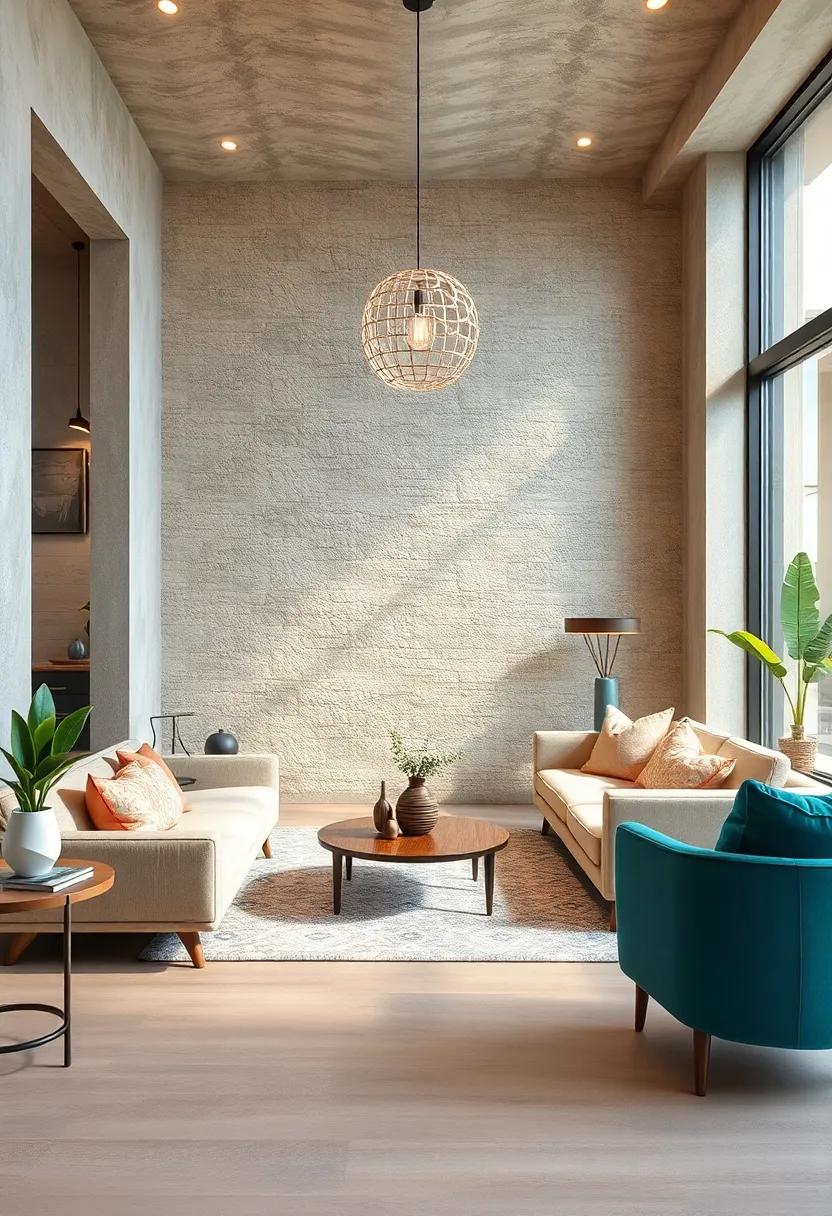
Textures are more than just a visual appeal; they narrate a story and evoke emotions within your space. To truly make an impact, consider integrating layered textiles that invite both touch and sight, creating a harmonious atmosphere. incorporating elements such as:
- Rich velvets for a touch of luxury.
- Weathered wood to add warmth and character.
- Sleek metals like brass or chrome for a modern twist.
- Soft linen for a laid-back vibe.
Imagine a living room where a plush velvet sofa sits atop a rugged jute rug, while faux fur pillows intermingle with knitted throws. This collision of textures is not mere chance; it’s a deliberate choice to engage the senses and foster a sense of comfort and intrigue. Utilizing various textures can also help define areas within an open space,allowing for a natural flow between different functionalities. Below is a table illustrating how different textures can elevate specific sections of your home:
| Area | Texture | Effect |
|---|---|---|
| Living Room | Soft fur & Bold leather | Warmth & Edginess |
| Bedroom | plush cotton & Silky satin | Comfort & Luxurious feel |
| Dining Room | Polished wood & Woven textiles | Natural elegance & Coziness |
Whimsical Elements: Incorporating Playful Textures for a Fun Atmosphere
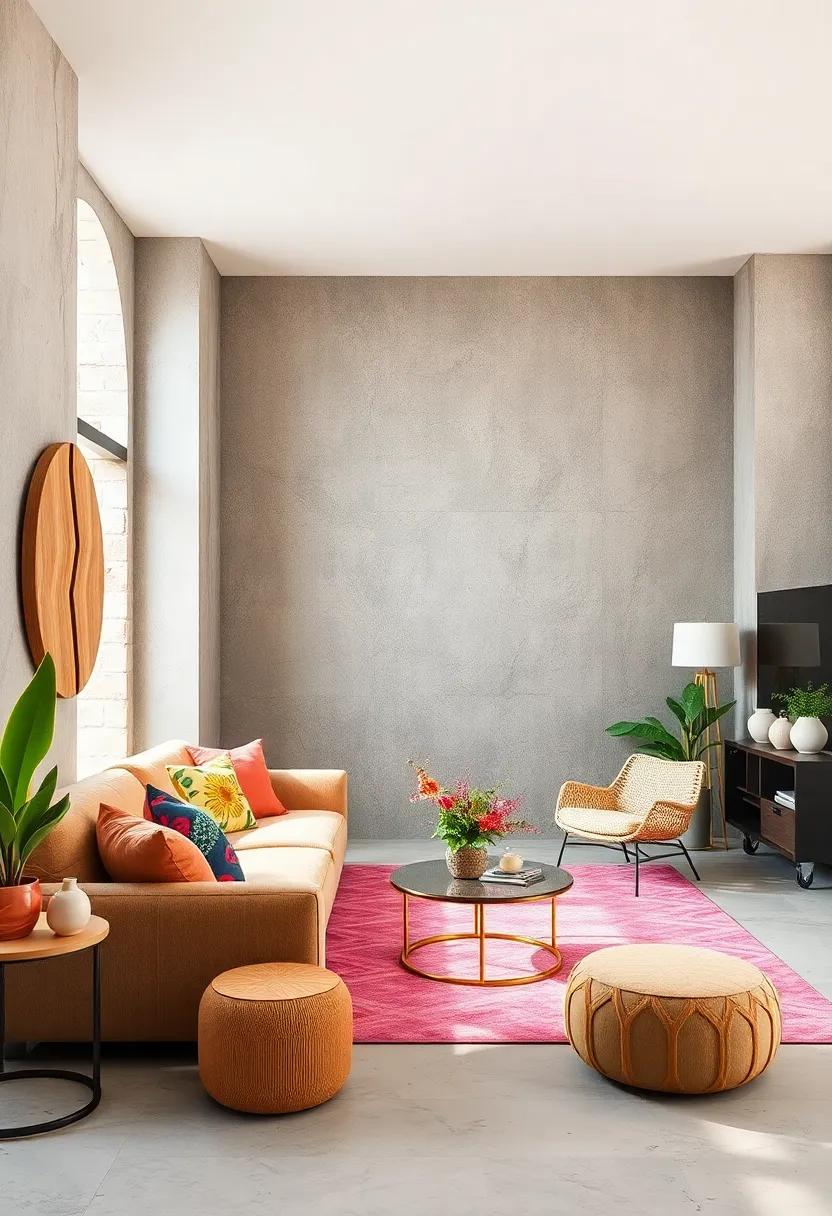
To infuse a space with a playful spirit, consider introducing unexpected materials and textures that ignite curiosity and joy. Think of combining soft, fluffy fabrics with sleek, shiny metals. This juxtaposition not only sparks visual interest but invites tactile exploration. Imagine a cozy velvet armchair paired with a metallic side table — a delightful clash that adds character to the room. Other whimsical options include:
- Faux fur throws draped over streamlined furniture for comfort and fun.
- Woven baskets that bring a rustic charm yet serve a practical purpose.
- Textured wallpapers featuring playful patterns that make a statement.
Layering these captivating elements can transform any space into a wonderland of creativity. Incorporate a quirky rug with a colorful pattern that contrasts with smooth wooden floors, or use bold accessories like ceramic vases with different finishes — from matte to glossy. A well-placed cushion with a vibrant pom-pom fringe can create a striking focal point, inviting guests to interact with their surroundings. Consider incorporating a table that showcases different materials side by side:
| Material | Texture | Example Item |
|---|---|---|
| Jute | Rough | Area Rug |
| Glass | Smooth | Vase |
| Wood | Natural | Serving Board |
Artisanal Finishes: The Impact of Handmade Textures in Modern Design
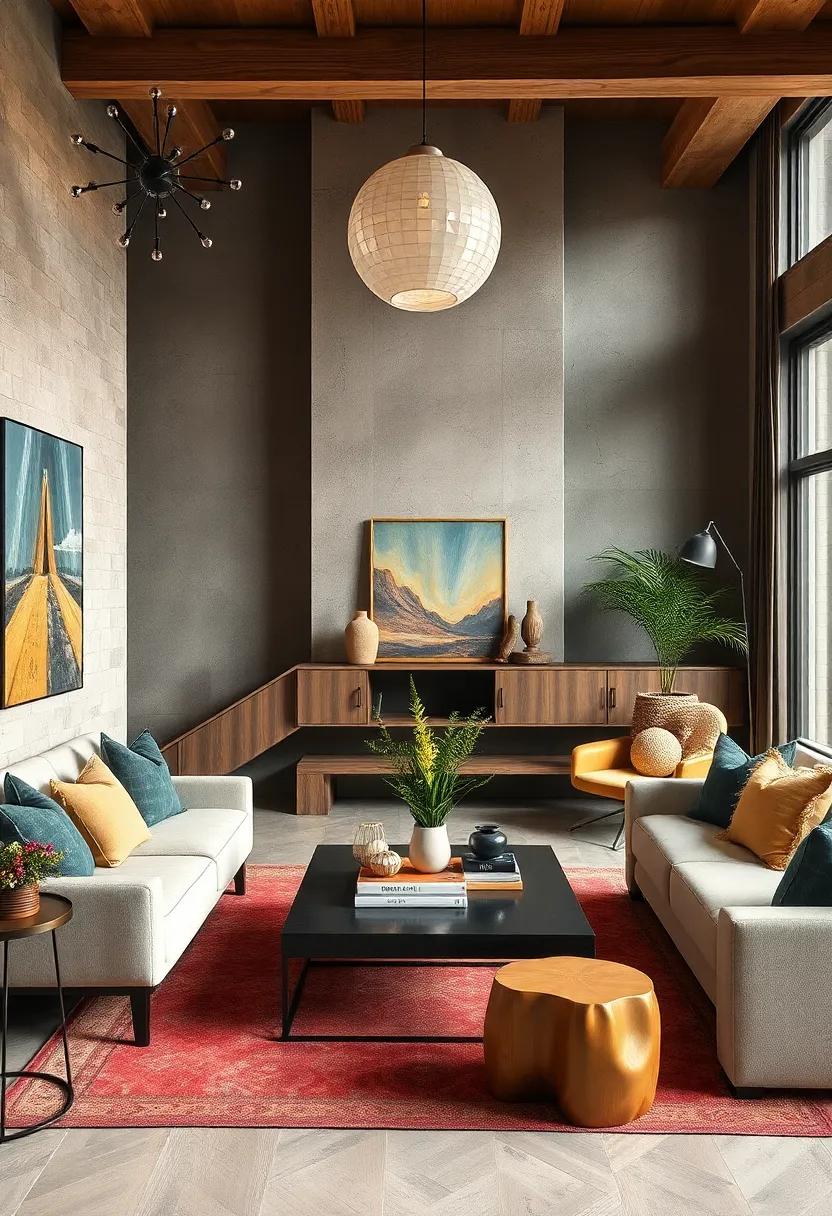
The allure of handmade textures has surfaced as a transformative element in contemporary design, inviting a tactile experience that contrasts stark, minimalist aesthetics. By incorporating artisanal finishes, designers can create spaces that echo authenticity and individuality, breaking away from the mass-produced monotony often seen in modern interiors. The unique imperfections found in handcrafted materials—such as uneven brickwork,organic fabrics,and distressed woods—bring life and depth to a room that factory-made items simply cannot replicate. These textures serve not just as decorative elements but also as conversation starters, weaving stories of the artisan’s craft into the very fabric of our living spaces.
To successfully mix textures, consider layering different finishes to evoke a sense of dynamism and warmth. Here are some key components to keep in mind:
- Contrast is key: Pair smooth materials like glass or metal with rough textures like reclaimed wood or jute.
- Color Harmony: While mixing textures, ensure the color palette is cohesive to maintain visual balance.
- Scale matters: Incorporate a variety of textures in various scales—the small details can complement larger pieces.
To illustrate how different textures can coexist, consider the following examples:
| Texture | Recommended pairing | Effect |
|---|---|---|
| Soft Velvet | rustic Wood | Luxurious warmth |
| Sleek Metal | Handwoven Fabrics | Modern eclecticism |
| Exposed Brick | Glass Accents | Urban chic |
Vintage Meets Modern: Blending Old Textures with Contemporary Style
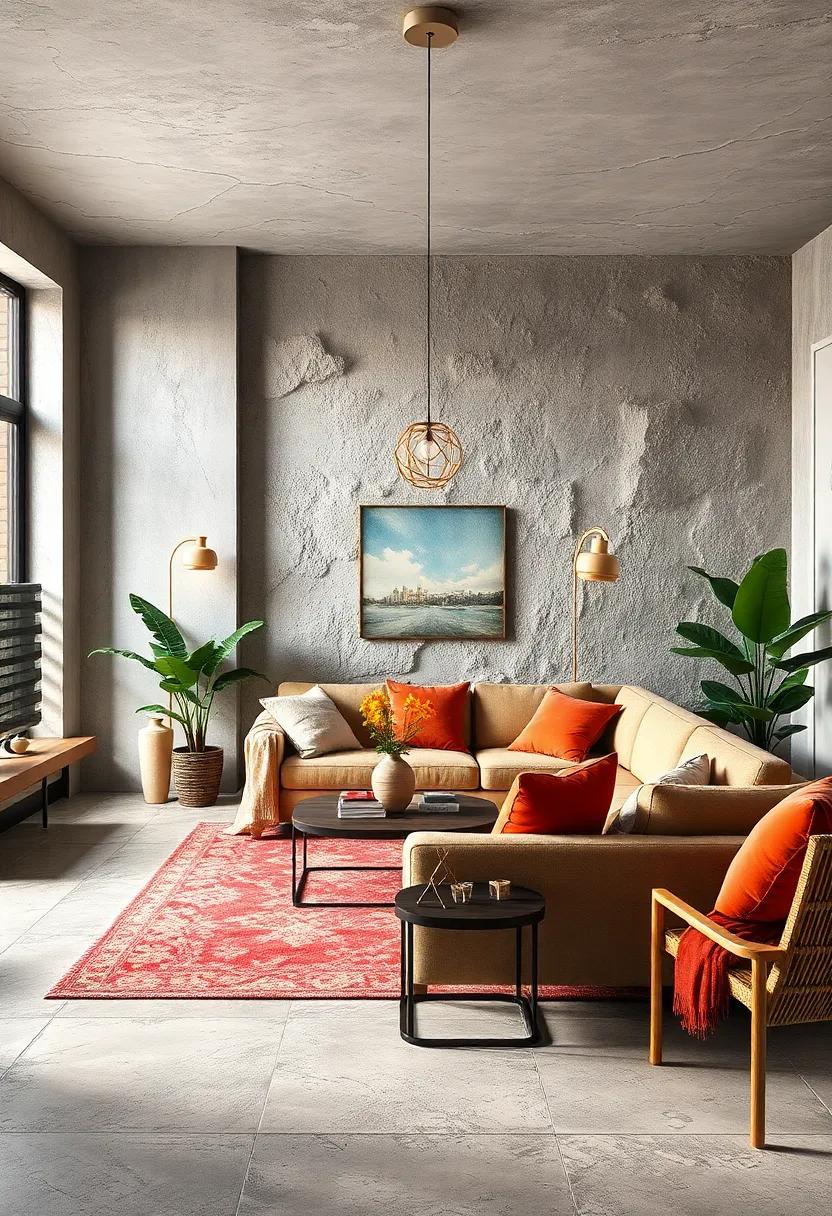
In today’s design landscape, the fusion of vintage and modern elements creates a captivating visual narrative. Incorporating aged materials like weathered wood and distressed leather alongside sleek metal accents and minimalist furnishings can produce a striking contrast. Imagine a plush, deep-cushioned vintage armchair draped with a vibrant, modern throw or a reclaimed wood dining table paired with contemporary acrylic chairs. This juxtaposition enhances both comfort and sophistication, inviting curiosity and conversation into your space.
Textures play a pivotal role in achieving this eclectic mix. By layering different fabrics and finishes,you create a multisensory experience that draws the eye and enhances your overall theme. consider these combinations for inspiration:
- Soft textiles: Velvet cushions on a leather sofa
- natural elements: Jute rugs beneath sleek ceramic tiles
- Industrial vibes: Copper light fixtures paired with reclaimed wood
The essence of this design strategy lies in the balance; too much of one style can dominate the other. A well-curated space reflects your personality, showcasing a myriad of influences that charm and intrigue. To guide your selections, refer to the table below outlining a few successful pairs:
| Vintage Element | modern Counterpart |
|---|---|
| Ornate Mirrors | Geometric Frames |
| Classic Chandeliers | Sleek LED Fixtures |
| Textured Wallpapers | Bold Paints |
Curated Collections: Displaying Diverse Textures in Thoughtful Arrangements
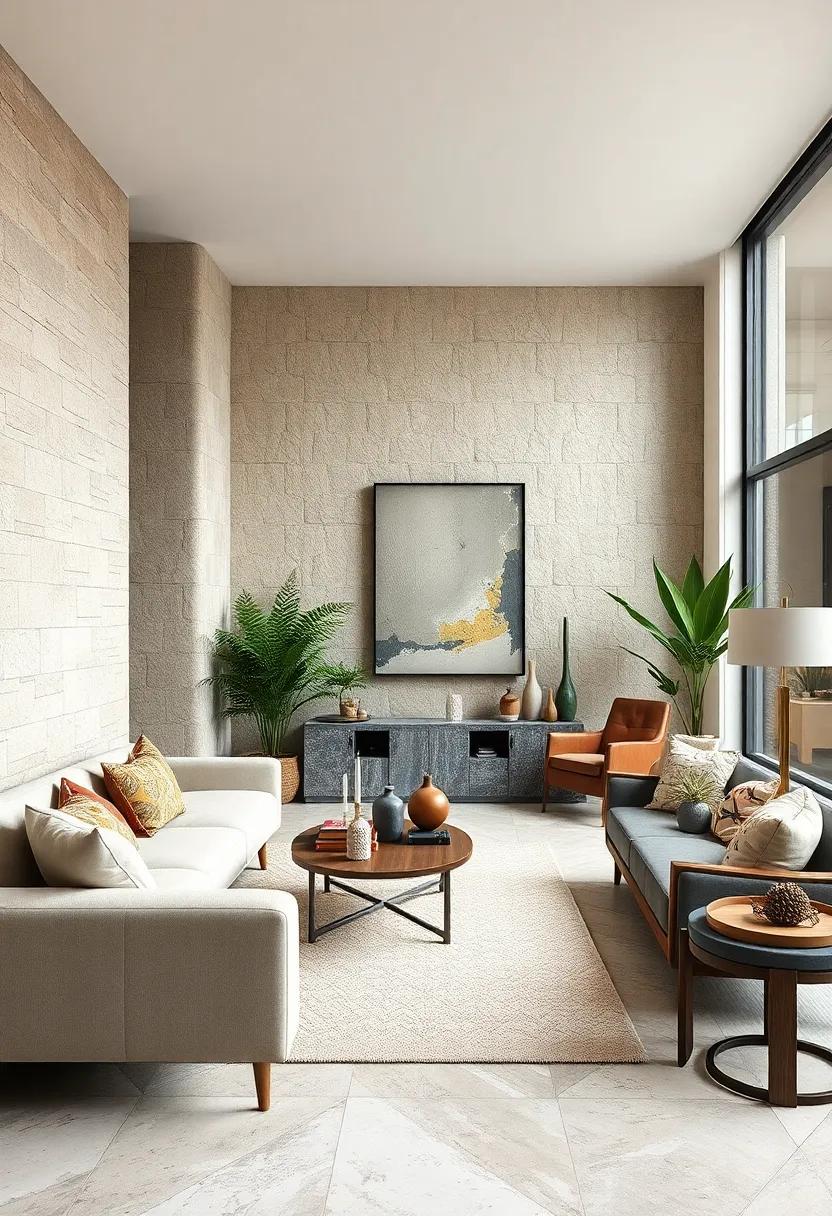
Transforming your living space into a captivating tapestry of textures requires a keen eye for detail and an innovative spirit. Consider utilizing materials such as natural wood, soft textiles, and polished metals to create visual interest and harmony. A bouquet of diverse elements can elevate your design, inviting depth and character into every room. When curating collections, think about the relationships between each piece; for instance, pairing a rough-hewn wooden table with sleek, metal accents and woven seating creates a balance that captivates the senses. Highlighting these contrasts encourages a dialogue between spaces, guiding the eye through a narrative woven into your interior.
Arranging these textures artfully can enhance their unique qualities. Break down your display into curated segments, like this simple structure:
| Texture Type | Sample Arrangement |
|---|---|
| Soft fabrics | Layered cushions on a velvet sofa |
| Natural fibers | Jute rugs under coffee tables |
| Sleek metals | brass lamps against wooden shelves |
Experimenting with color and pattern regulation also plays a crucial role in developing your distinct voice. For example, earthy tones paired with vibrant prints can create a rich atmosphere, while maintaining understated elegance. Whether it’s through artwork, accessories, or furniture, each element should sing in harmony while celebrating individual expression, creating an eclectic interior that’s truly your own.
Elevating Minimalism: Infusing Textures to Enrich Simple Designs
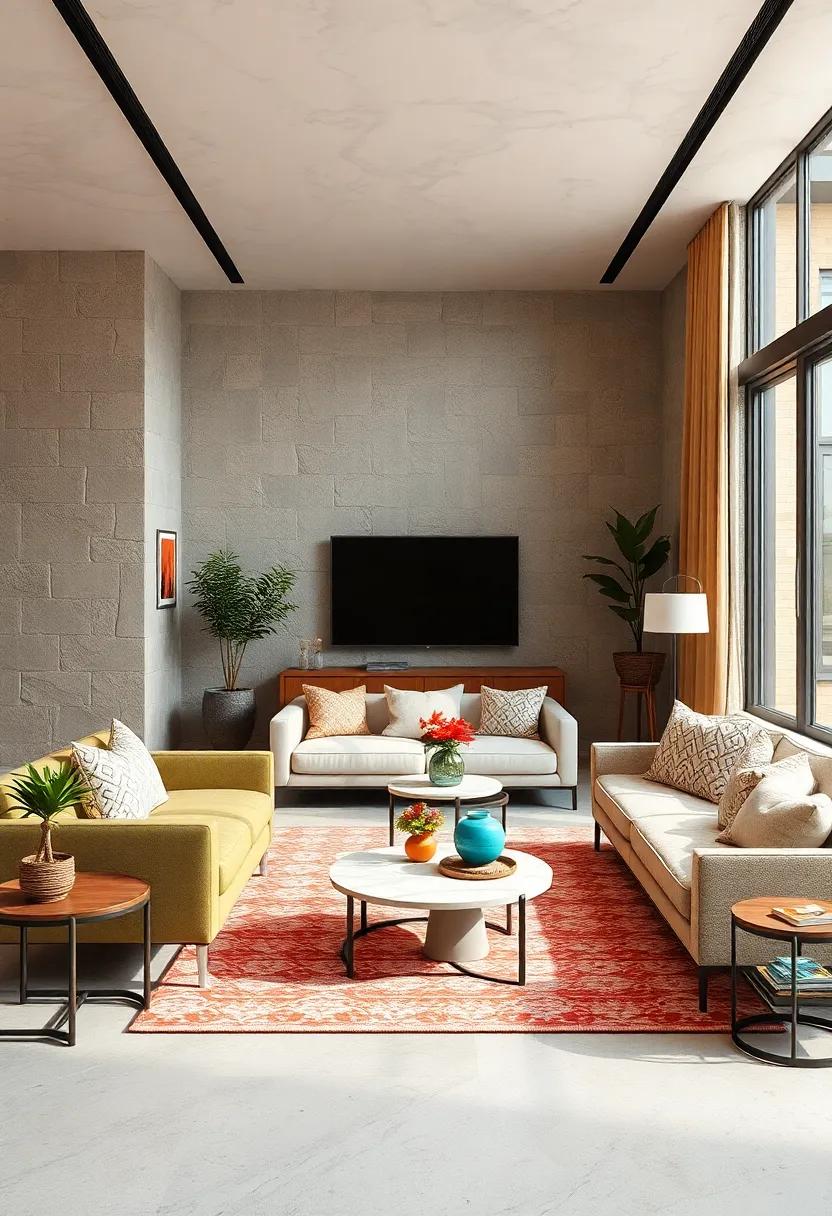
Minimalism often embraces the idea of ‘less is more,’ but incorporating unexpected textures can transform austere spaces into rich, layered environments. By blending materials such as raw wood, soft silks, and sleek metals, you create a contrast that draws the eye and invites touch. Here are some ways to enhance simplicity through texture:
- natural Elements: Incorporate stones or terracotta to ground your design and add organic warmth.
- Fabric Variations: Use a mix of linen and velvet cushions that invite softness against minimalist furniture.
- Textured Walls: Consider a matte finish paired with rough plaster to create depth without overwhelming simplicity.
When arranging your space, be mindful of the balance between differing textures. A well-planned layout can create harmony while still maintaining an eclectic feel. As an example, juxtaposing metallic finishes with woven textiles can evoke a sense of effortless sophistication. Below is a simple overview of material pairings to consider:
| Texture Type | recommended Pairing |
|---|---|
| Wood | Soft Rugs |
| Glass | Textured Fabrics |
| Stone | Leather Accents |
Transforming Small Spaces: Strategic Texture Use to Enhance Intimacy
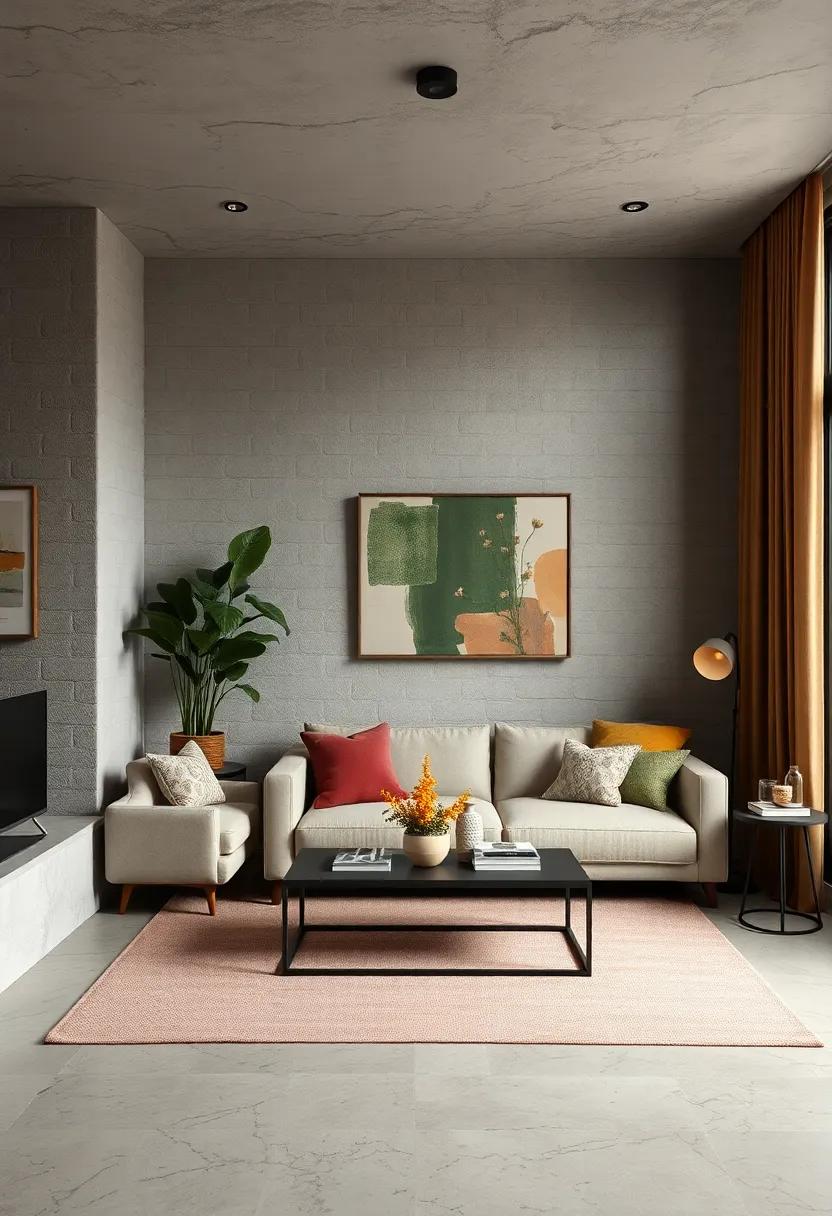
In small spaces, the careful interplay of textures can significantly enhance the feeling of intimacy and comfort. By layering different materials, you invite a dynamic visual experience that draws the eye while making the area feel more inviting. Consider integrating soft textiles such as plush cushions and throws with sleek surfaces like metal or glass. This juxtaposition creates a sense of warmth and complexity, pulling together the elements of design in a cohesive manner. To achieve this, use a combination of:
- Cozy Knits: Perfect for throws and upholstery.
- Natural Woods: Introduces an organic touch.
- Shiny Metals: Infuses a hint of modern elegance.
- Rugged stone: Creates contrast and depth.
Furthermore, incorporating patterned fabrics and textured wallpapers can help delineate areas within a compact space. This division fosters a sense of private nooks, making even the smallest room feel spacious and personalized. An effective strategy is to utilize a mix of muted tones alongside a few vibrant accents, allowing textures to guide the eye and create focal points. Consider a table displaying diverse textures to visualize how they complement one another:
| texture | Application |
|---|---|
| Velvet | Cushions & Draperies |
| Brushed Metal | lighting Fixtures |
| Jute | rugs & Accessories |
| Stone | Accent Walls |
Functional Beauty: Merging Aesthetics and Utility with Textured Designs
In the realm of interior design, the union of aesthetics and functionality creates captivating spaces that speak to the soul. Textured designs play a pivotal role in this dialogue, inviting tactile experiences that not only please the eye but also serve practical purposes. Imagine a living room where a plush velvet sofa harmonizes with a weathered leather chair, creating a warm, inviting atmosphere. Mixing materials like textured woods,metals,and fabric can add depth and warmth,while also ensuring each piece serves a purpose,from comfort to visual appeal.
The embrace of eclectic styles can also transform the mundane into extraordinary.A simple dining area can come alive with layered textiles—consider placing a woven rug beneath sleek wooden chairs or enhancing a table with a mix of ceramic and metal accents. This thoughtful combination of colors and textures not only captivates the eye but also provides an enriching sensory experience. Here’s a glimpse of how different textures can work together:
| Texture | Effect |
|---|---|
| Soft Fabrics | Creates a cozy atmosphere |
| Rough Surfaces | Adds character and contrast |
| glossy Finishes | infuses brightness and modernity |
| Natural Elements | Brings the outdoors inside |
Evocative Textile Choices: Selecting Fabrics that Inspire Emotion and Comfort
when curating an interior that reflects personal style, the choice of textiles plays a pivotal role in establishing an atmosphere that feels both inviting and expressive. Selecting fabrics that carry emotional weight can transform a space from mundane to mesmerizing. Bold velvets, soft linens, and textured woven fabrics can elicit feelings of warmth and comfort, while sheer materials can create an ethereal quality, adding depth and intrigue. As you experiment with various textures, consider how each one interacts with natural light and how they can complement your chosen color palette, resulting in an ambiance that stimulates the senses.
In your exploration of textile combinations, don’t shy away from the unconventional. Mixing various textures can lead to surprising and delightful results. Here are some ideas to inspire your design journey:
- Layered textiles: Combine a plush velvet sofa with a chunky knit throw.
- Contrasting patterns: Pair a bold geometric print with a delicate floral motif.
- Natural elements: Introduce organic fibers like jute or bamboo into your space.
Creating a harmonious blend of textiles involves not just aesthetics but also tactile sensations that invite touch. Consider a curated approach, using a mix of tables and cushions made from diverse materials to encourage interaction. Your goal is to foster a welcoming environment where comfort and emotion intertwine seamlessly.
Engaging the Senses: How textures Appeal Beyond Just the visual
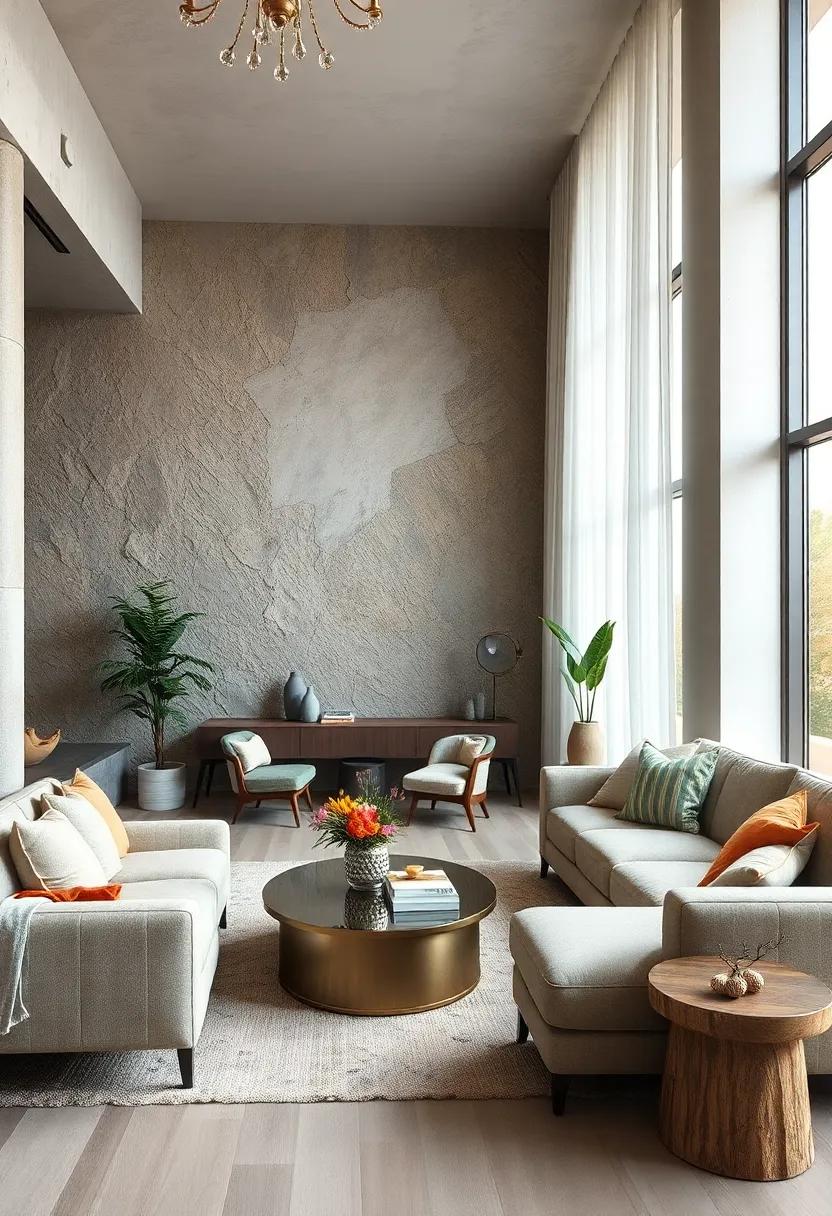
When we think about interior design, our minds frequently enough automatically drift to colors and patterns, but the significance of texture is an aspect that deserves just as much attention. Engaging the senses through texture can profoundly affect our emotional connection to a space. Imagine running your fingers along a soft velvet chair, feeling the gritty surface of a handcrafted ceramic vase, or the smooth coolness of glass décor. Each of these varied surfaces invites touch and elevates the overall sensory experience, transforming a conventional room into a tactile journey. Incorporating elements such as wooden finishes, woven fabrics, and metallic accents creates layers that intrigue and engage, allowing one to feel the space just as much as they see it.
Venturing beyond traditional design, mixing textures not only elevates the aesthetic value but also encourages a deeper interaction with our surroundings. Consider the following combinations that spark joy and invite exploration:
- Soft + Rigid: Pair plush upholstery with raw stone elements.
- Natural + Artificial: Blend organic wood with sleek glass surfaces.
- Smooth + Textured: Contrast polished tables with fabric drapes that flow organically.
this intentional design strategy fosters a more engaging atmosphere, making each space not just seen but felt, leaving lasting impressions on anyone who steps foot inside.
In Retrospect
As we conclude our exploration of the art of mixing textures for an eclectic interior, remember that the beauty of design lies in its inherent fluidity and personal expression. Embracing the unconventional allows us to break free from traditional norms and create spaces that resonate with our unique identities.Whether you choose to layer luxurious velvets with rustic woods, juxtapose sleek metals against soft fabrics, or play with contrasting colors and patterns, each texture you introduce tells a story—your story.
Dare to experiment, trust your instincts, and let your imagination guide you. The journey of designing an eclectic space is as much about the process as the end result. So go ahead—mix, match, and marvel at the diverse tapestry of textures that can transform your home into a sanctuary of creativity and comfort. After all, in a world that often leans towards conformity, embracing the unconventional is not just a design choice; it’s a celebration of individuality. Happy decorating!
As an Amazon Associate I earn from qualifying purchases.