Designing an industrial kitchen is no small feat—it’s a harmonious blend of function, efficiency, adn aesthetic appeal.Whether you’re a chef setting up a new culinary haven, a restaurant owner looking to revamp your space, or an entrepreneur diving into the food industry, understanding the essential features of an efficient industrial kitchen is crucial.In this listicle, we’ll explore 29 essential features that will transform your kitchen into a well-oiled machine, just waiting to serve up culinary masterpieces. Expect to discover practical tips, space-saving solutions, and innovative design elements that will allow you to optimize workflow, enhance safety, and boost productivity. Dive in and learn how to create an habitat that inspires creativity and culinary excellence!
Layout Efficiency: Prioritize a layout that optimizes workflows, minimizing unnecessary movements between stations
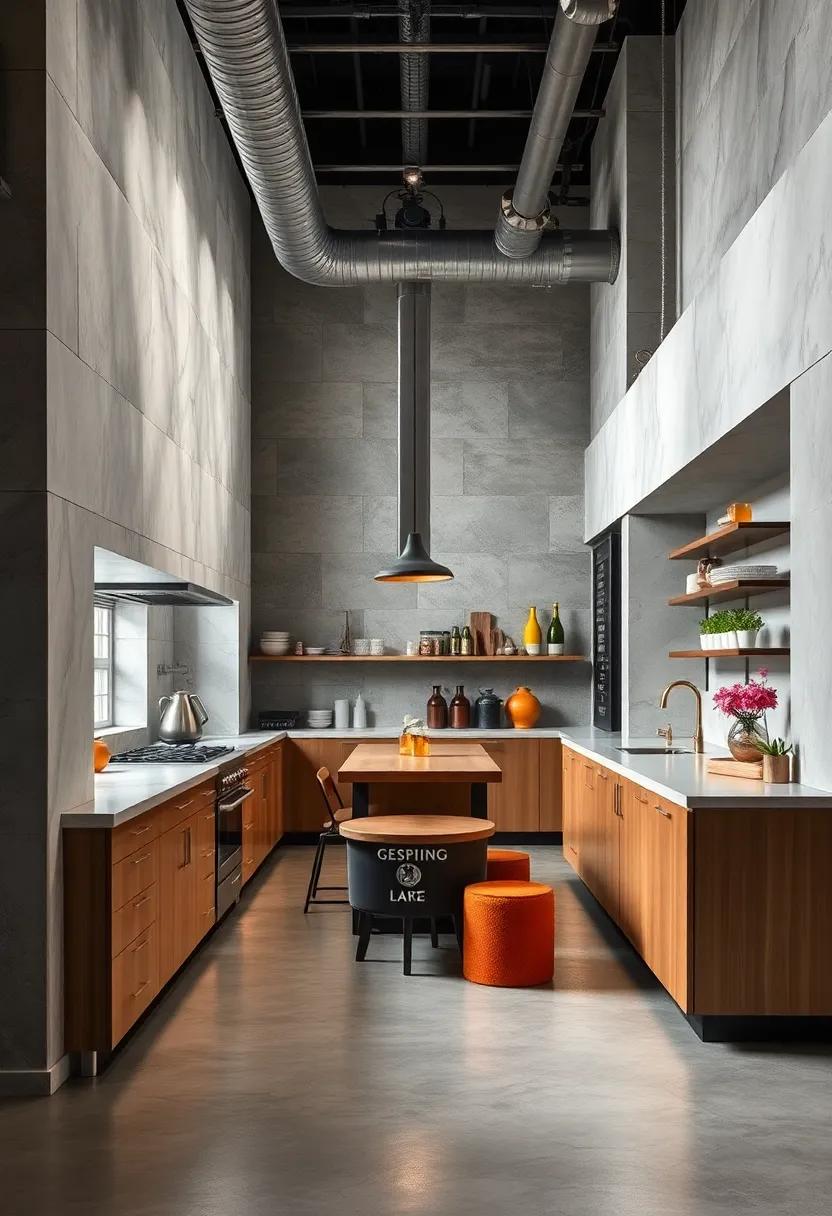
In an efficient industrial kitchen, the layout should be designed to facilitate seamless workflows, thereby reducing unnecessary movements that could slow down service. A well-structured design allows chefs and kitchen staff to have easy access to essential equipment and ingredients, maximizing productivity. Consider implementing a work triangle between the cooking area, planning stations, and service zones to enhance movement efficiency. This approach minimizes the distance traveled by staff as they transition between tasks, making for a smoother operation overall.
When creating your layout, prioritize the following elements to ensure maximum efficiency:
- Workflow Zones: Clearly define areas for preparation, cooking, and plating to keep activities organized.
- Equipment Placement: Position appliances and tools within arm’s reach to avoid excessive walking.
- Open Pathways: Ensure there are clear, unobstructed paths to allow staff to move freely without bumping into one another.
- Ergonomic Stations: Design workstations at suitable heights to reduce strain and enhance speed.
- Storage Solutions: Integrate storage near the prep and cooking areas to keep everything you need close at hand.
| Zone | Purpose | Key Features |
|---|---|---|
| Preparation | Initial food processing | Cutting boards, sinks, and storage |
| Cooking | Hot food preparation | Ovens, stoves, and ventilation |
| Service | Serving dishes | Pass-through windows and plating stations |
Zones and Stations: Define specific zones (prep, cooking, plating, and cleaning) to enhance organization and streamline operations
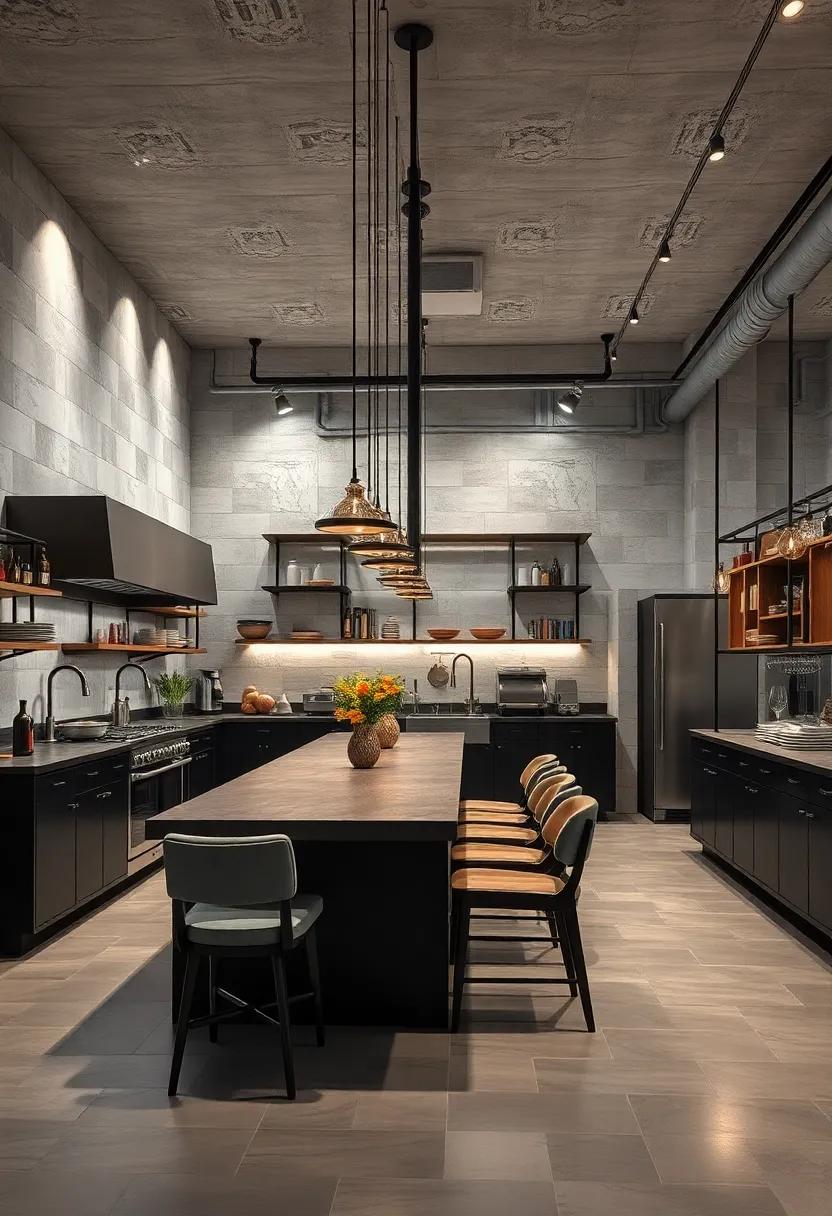
To achieve an efficient and productive workspace in an industrial kitchen, it’s imperative to identify and define distinct zones. This approach facilitates smoother operations, as each area can be tailored to specific tasks. Key zones include:
- Prep Zone: A dedicated space for washing, peeling, and chopping ingredients that minimizes cross-contamination and allows for efficient workflow.
- Cooking Zone: Featuring stoves,ovens,and fryers,this area should prioritize accessibility for easily moving prepared ingredients and finished dishes.
- Plating Zone: A well-organized area for assembling and garnishing dishes, equipped with warming lamps to maintain optimal serving temperatures.
- Cleaning zone: this zone focuses on dishwashing and waste disposal, ensuring efficient sanitation and keeping the workflow uninterrupted.
Utilizing these zones effectively can drastically enhance the overall efficiency of the kitchen. By arranging the kitchen layout to support the flow from one zone to another, chefs can minimize unnecessary movements. Consider setting up an ergonomic layout that features:
| zone | Key Features |
|---|---|
| Prep Zone | Cutting boards, knives, storage for ingredients. |
| Cooking Zone | Stovetop, fryer, extractor hoods. |
| Plating Zone | Counter space, serving dishes, utensils. |
| Cleaning Zone | 3-compartment sink, dishwasher, waste bins. |
Adequate ventilation: Invest in a robust ventilation system to maintain air quality and comfort while removing excess heat and odors
<img class="gimage_class" src="https://swagblog.net/wp-content/uploads/2025/04/industrial-kitchen-design-adequate-ventilation.jpg" alt="Adequate Ventilation: Invest in a robust ventilation system to maintain air quality and comfort while removing excess heat and odors”>
A well-planned kitchen requires more than just equipment and layout; it also demands a strategic approach to air management. A robust ventilation system serves as the backbone of any efficient industrial kitchen, ensuring that chefs can work comfortably without being hindered by heat or unpleasant odors. Consider incorporating the following features in your ventilation design:
- Exhaust Hoods: Install high-efficiency exhaust hoods above cooking stations to effectively capture and eliminate heat, smoke, and grease.
- Ductless Ventilation: Explore ductless options that recirculate treated air back into the kitchen,ideal for spaces where traditional ductwork is impractical.
- Makeup Air Units: Incorporate makeup air units to maintain pressure balance and introduce fresh air, preventing drafts and ensuring a consistent temperature.
- Variable Air Volume (VAV) Systems: Utilize VAV systems for tailored airflow regulation, allowing adjustments based on cooking activities and improving energy efficiency.
Along with the primary ventilation systems, consider supplementary air quality controls that can enhance the kitchen environment. A well-thought-out combination of technologies can help achieve optimal air circulation:
| Feature | Benefit |
|---|---|
| Grease Filters | Reduces fire risk and keeps the air cleaner. |
| Air Purifiers | Eliminates airborne contaminants and improves overall air quality. |
| Ceiling Fans | Enhances airflow and helps maintain a pleasant working temperature. |
| Smart Controls | Allows for automated adjustments based on kitchen humidity and temperature. |
Durable Materials: Select high-quality, durable materials that can withstand heavy use and are easy to clean for long-lasting functionality
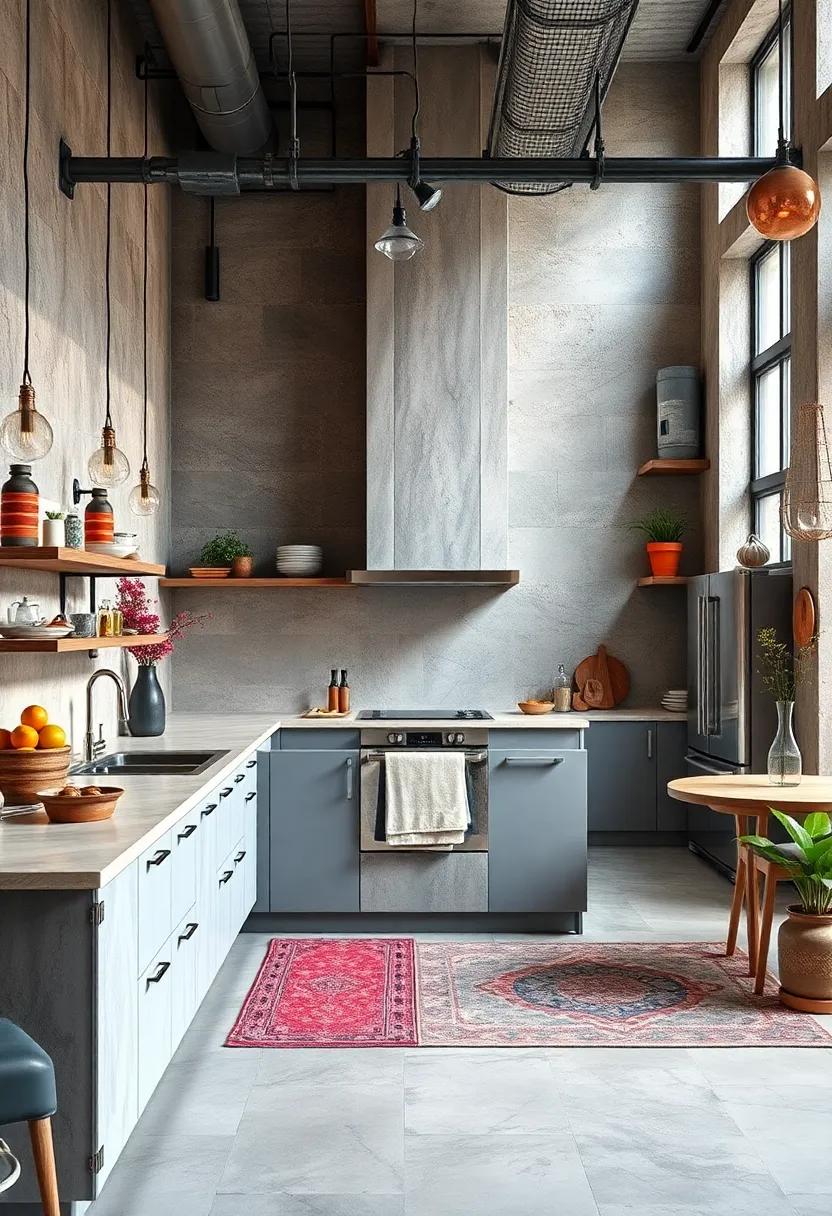
When designing an industrial kitchen,the choice of materials can make a significant difference in both functionality and longevity. Opt for high-quality stainless steel for countertops and equipment,as it offers resistance to corrosion,stains,and impacts while being incredibly easy to sanitize. durable ceramic tiles or vinyl flooring are excellent choices for high-traffic areas, as they are resilient against heavy foot traffic and spills. Additionally, consider using bamboo or composite materials for storage and shelving due to their natural antibacterial properties and ability to withstand heavy loads.
Incorporating materials that are not only durable but also low-maintenance enhances the efficiency of your industrial kitchen. As a notable example, toughened glass for shelving not only provides an aesthetic appeal but also withstands high temperatures and is easy to wipe clean.For areas exposed to harsh cleaning agents, such as dishwashing stations, using resin-based composites can offer unparalleled durability and resistance to chemicals. Below is a simple comparison table highlighting material options and their benefits:
| Material | Benefits |
|---|---|
| Stainless Steel | Corrosion-resistant, easy to clean, durable |
| Ceramic Tiles | Resistant to stains, slip-resistant, durable |
| Bamboo | Ecological, strong, antibacterial properties |
| Resin-Based Composites | Chemical resistant, low maintenance, flexible designs |
Smart Storage Solutions: Incorporate a variety of storage options, including shelves, cabinets, and walk-in coolers, to keep ingredients and equipment organized
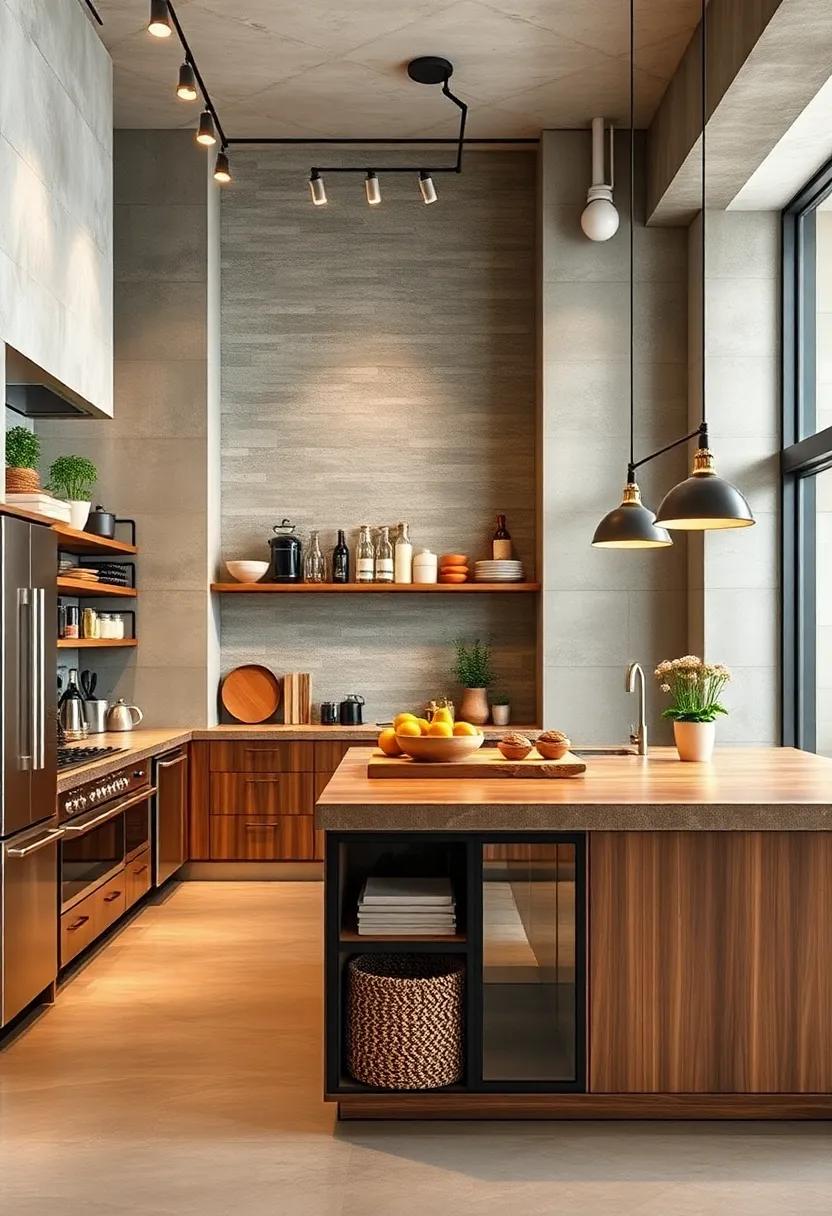
Efficient kitchen design relies heavily on the careful placement and selection of storage options to ensure that every ingredient and piece of equipment can be easily accessed. By integrating a mix of shelves, cabinets, and walk-in coolers, you can maximize space while minimizing clutter. elevating storage solutions like wall-mounted shelves make use of vertical space, allowing for easy access to frequently used items. Simultaneously occurring,dedicated cabinet systems can house larger equipment and ingredients,offering both protection from contamination and organization.Consider employing pull-out drawers with clear labeling to further streamline access to essential tools and ingredients, giving your kitchen a systematic layout that boosts efficiency.
Another exciting addition to your kitchen’s storage capabilities is the walk-in cooler, a game-changer for preserving perishable goods while keeping them organized. To enhance the functionality of these units,implementing adjustable shelving can cater to changing needs as inventory fluctuates.You can categorize items in walk-in coolers using the following table:
| Category | Storage tips |
|---|---|
| Produce | Store at eye level for fast access |
| Dairy | Use airtight containers to prevent spoilage |
| Meats | Clearly label packages with expiration dates |
| Dry Goods | Maintain separate bins to avoid cross-contamination |
By combining these innovative storage solutions, an industrial kitchen transforms into a well-organized space, allowing chefs to focus on what they do best: creating flavorful dishes. Each of these options plays a significant role in maintaining the flow of operations, improving workflow, and ensuring everything from ingredients to equipment stays in peak condition.
Equipment Accessibility: Position frequently used equipment within easy reach to speed up cooking processes and improve efficiency
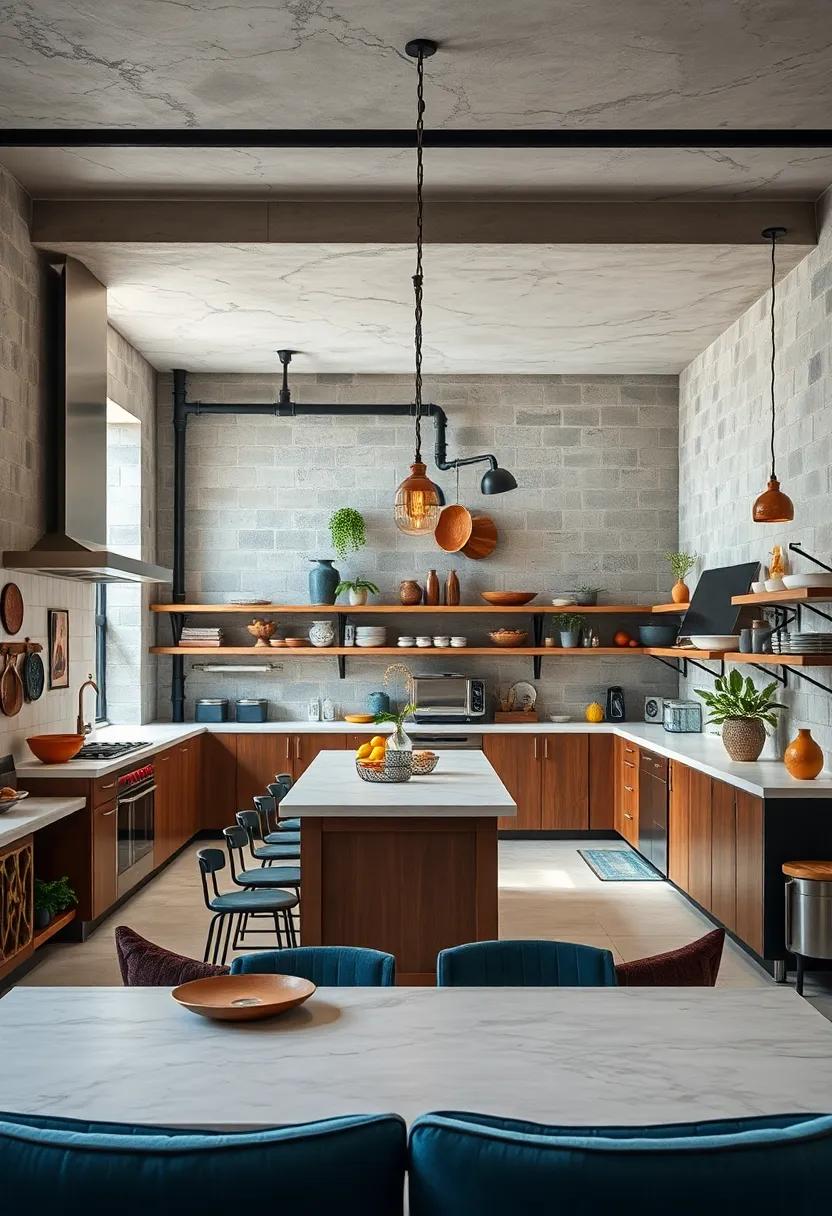
For any bustling culinary environment, the careful positioning of equipment can drastically influence both speed and workflow. By ensuring that frequently used tools, such as mixers, ovens, and prep tables, are within arm’s reach, chefs can minimize unnecessary movements and maintain the rhythm of their preparation. Here are some essentials to consider:
- Countertop Appliances: Position blenders, food processors, and slicers on the most accessible counter space.
- Utensil Storage: Store spatulas, knives, and measuring cups in designated drawers or magnetic strips close to the preparation zones.
- Ingredient Stations: Arrange dry and perishable goods within reach of prep areas to streamline ingredient access.
Creating a logical flow around cooking equipment also enhances efficiency. Utilize open shelving and pegboards for storing pots and pans, allowing chefs to grab what they need at a moment’s notice. Consider implementing a zoned layout where similar functions are grouped together, resulting in a harmonious workflow. A mini table below illustrates a potential layout:
| Zone | Equipment | Purpose |
|---|---|---|
| Preparation | Cutting boards, knives, scales | Ingredient prep and portioning |
| Cooking | Stove, oven, fryers | Cooking food to order |
| Serving | Plating stations, warming drawers | Final presentation and serving |
ergonomic Design: Design workspaces with ergonomics in mind to reduce strain on staff during long hours of operation
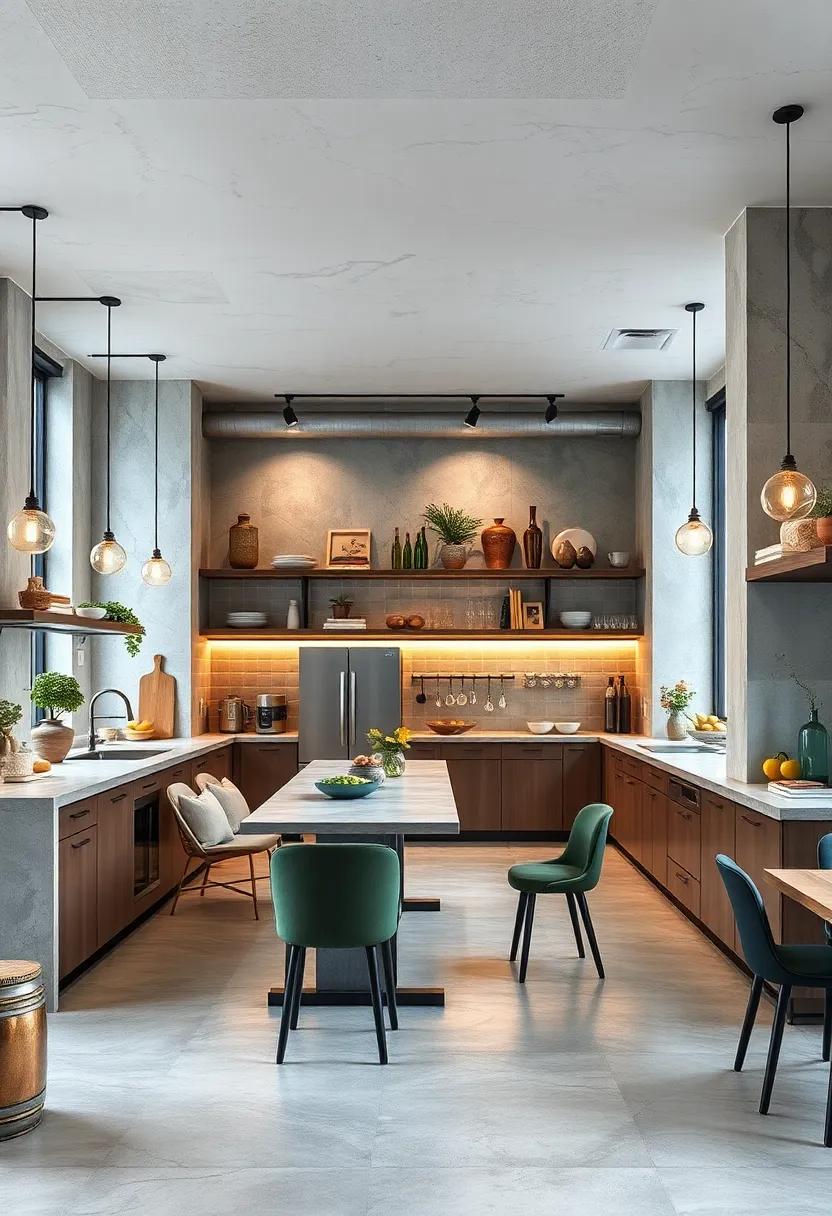
To foster a comfortable working environment in industrial kitchens, it’s crucial to prioritize ergonomics throughout the design process. This involves not only selecting the right equipment but also arranging it in a way that minimizes physical strain. For instance, using adjustable work surfaces allows chefs of various heights to work comfortably, while stand-up workstations can promote better circulation and reduce fatigue during busy shifts. Consider implementing the following features:
- Adjustable-height tables for diverse tasks such as chopping or assembling dishes.
- Anti-fatigue mats</ to cushion floors where staff stand for long periods.
- Ergonomic utensils designed to reduce wrist strain.
- Properly positioned appliances to minimize awkward bending or reaching.
Beyond equipment, the layout of the kitchen itself plays a vital role in reducing physical strain. By adopting a workflow-oriented design, you ensure that tools and ingredients are within easy reach, streamlining operations while minimizing unnecessary movements. The following table illustrates common features that contribute to an ergonomic workspace:
| Feature | Benefit |
|---|---|
| Open workspace design | Facilitates movement and collaboration. |
| Task lighting | Reduces eye strain during detailed work. |
| Organized storage solutions | Minimizes bending and stretching to retrieve items. |
| Integrated technology | Improves efficiency and reduces repetitive tasks. |
sufficient Lighting: Ensure adequate lighting throughout the kitchen to enhance visibility and safety during food preparation
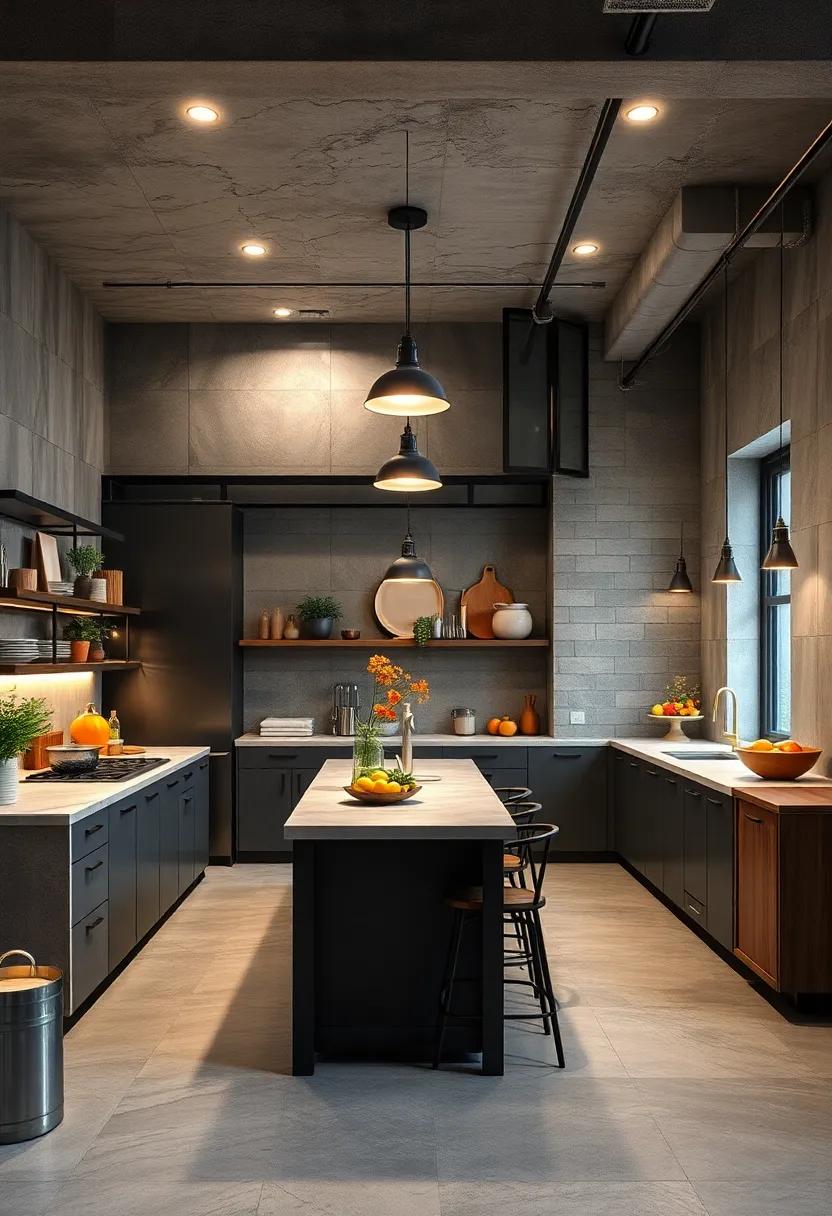
In an industrial kitchen, visibility is paramount not just for efficiency, but also for safety. Proper lighting can substantially reduce the risk of accidents and improve the overall workflow. Aim to incorporate a variety of lighting types, including:
- Task Lighting: Illuminate specific work areas such as cutting boards and cooking stations with adjustable LED fixtures.
- Ambient Lighting: Ensure the main areas are well-lit to enhance overall visibility, preventing kitchen mishaps.
- accent Lighting: Use this to highlight important kitchen features like shelves or displays, creating an engaging environment.
Consider the placement and intensity of lights to achieve optimal results. A combination of overhead and under-cabinet lighting can create layers of illumination, which is beneficial during intricate food preparation. Below is a simple table that illustrates recommended light placements:
| Area | Recommended Lighting Type | Brightness Level (Lumens) |
|---|---|---|
| Workstations | Task Lighting | 500-700 |
| Dining Area | Ambient Lighting | 300-500 |
| Shelves/Displays | Accent Lighting | 200-300 |
Integrating these lighting strategies not only enhances functionality but also contributes to a welcoming atmosphere within the industrial kitchen. Remember to choose energy-efficient options to minimize operational costs while maintaining optimal visibility.
Energy Efficiency: Choose energy-efficient appliances to reduce utility costs while maintaining performance during high-volume service
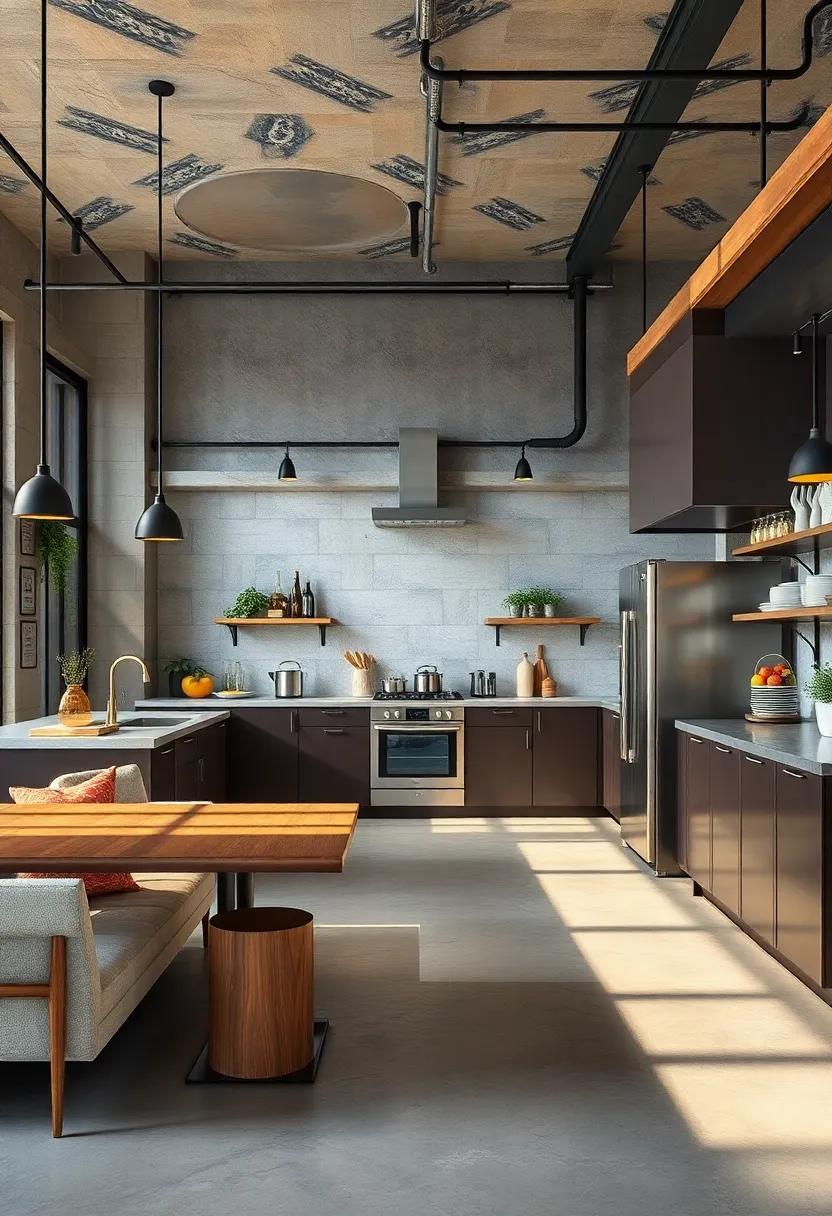
In the pursuit of creating an efficient industrial kitchen, opting for energy-efficient appliances is not just a cost-saving measure but a critical step in maintaining optimum performance, especially during peak service hours. These appliances are designed to use significantly less energy without compromising on functionality or output. For instance, energy-efficient ovens and refrigerators often come with advanced insulation technology, which helps maintain constant temperatures, resulting in lower electricity usage and prolonged food freshness.
Moreover,enhancing your kitchen’s sustainability can be achieved by selecting appliances that boast superior energy Star ratings. when outfitting your kitchen,consider the following essential features:
- Electronic controls for precise temperature management
- High-efficiency motors that optimize energy consumption
- Rapid heat recovery systems to reduce cooking time
- LED lighting that consumes less power while improving visibility
- Water-saving dishwashers that also cut down on electricity usage
| Appliance Type | Energy Consumption (kWh/year) | Estimated Cost Savings |
|---|---|---|
| Energy-Efficient Refrigerator | 350 | $150 |
| Modern Dishwasher | 300 | $120 |
| Commercial Oven | 450 | $180 |
Workflow Optimization: Analyze kitchen workflows to minimize bottlenecks and ensure a smooth flow from receiving to serving
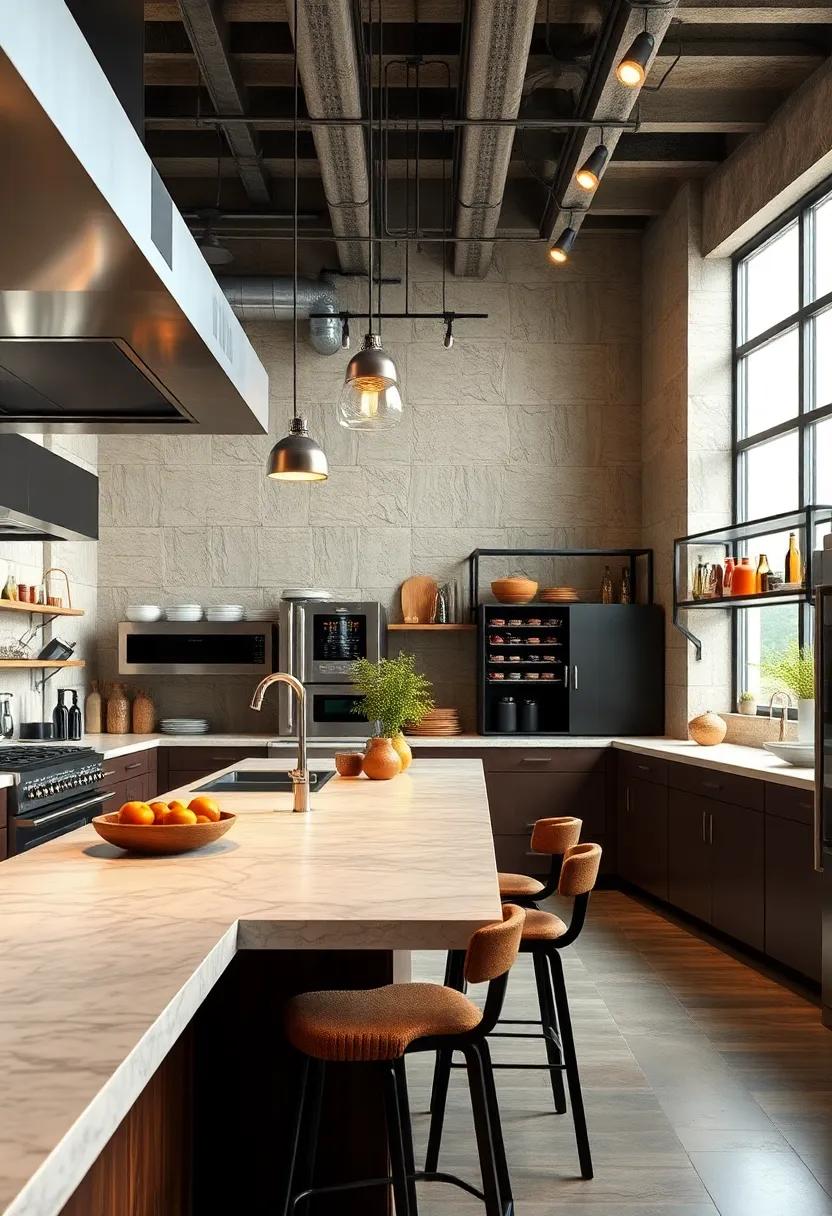
To achieve utmost efficiency in an industrial kitchen, analyzing workflows is essential to pinpoint and eliminate bottlenecks. Begin by mapping the entire process, from receiving ingredients to serving customers. This blueprint should include key zones such as storage, prep stations, cooking areas, and service counters. Identifying critical steps in this chain allows kitchen managers to streamline tasks,ensuring that staff can transition smoothly between duties. Consider implementing a zoning strategy to segregate high-traffic areas and provide dedicated spaces for specific tasks, which helps in minimizing overlaps and delays.
Additionally, embracing technology can significantly enhance workflow efficiency. A centralized inventory system can track incoming goods and automate reorder processes, while digital kitchen displays keep staff informed about orders in real-time. It is also beneficial to implement an efficient layout that promotes unidirectional movement,reducing unnecessary backtracking and keeping the workflow linear. Below is a concise overview of necessary considerations for optimizing kitchen workflows:
| Workflow Component | Optimization Strategy |
|---|---|
| Receiving | Designate a dedicated area for quick inventory checks |
| Storage | implement FIFO (First In, First Out) systems |
| Preparation | Use mobile prep carts to streamline ingredient access |
| Cooking | Utilize multi-functional equipment |
| Serving | Create an organized pass-through for order distribution |
Safety Features: Implement safety measures like non-slip flooring, rounded corners, and fire safety systems to protect kitchen staff
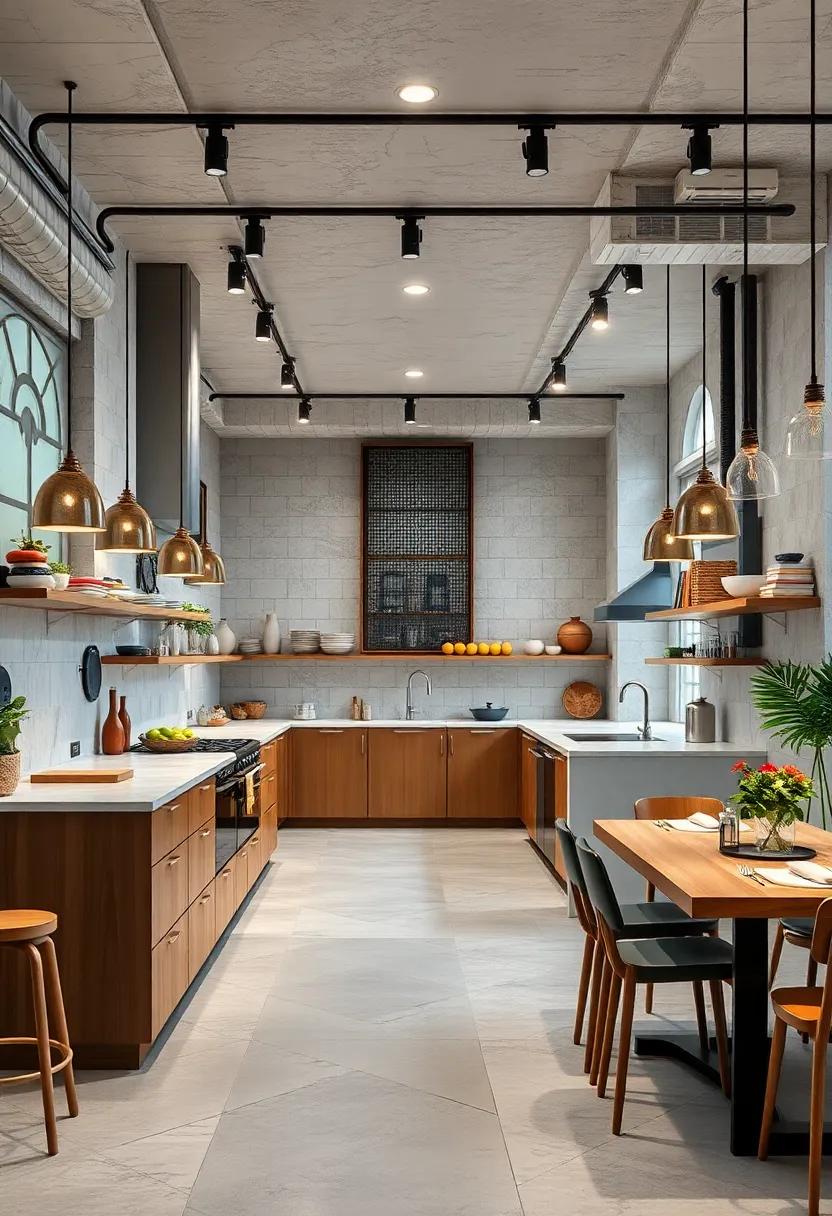
Creating a safe working environment in an industrial kitchen is paramount for ensuring the well-being of kitchen staff. Implementing features like non-slip flooring can significantly reduce the risk of accidents caused by spills or wet surfaces. additionally, utilizing materials that are easy to clean and maintain will help keep the kitchen hygienic and minimize hazards. The edges of counters, tables, and other surfaces should incorporate rounded corners to prevent injuries from accidental bumps during busy shifts. These small design choices can make a big difference in promoting a safe and efficient workspace.
Moreover,integrating comprehensive fire safety systems is crucial in industrial kitchen design. Installing overhead sprinkler systems and strategically placed fire extinguishers ensures that kitchen staff are prepared for emergencies. Regular fire safety drills and clear escape routes further enhance preparedness and awareness. A well-organized kitchen layout,combined with safety signage indicating emergency exits and equipment locations,ensures that everyone knows how to respond swiftly and safely in case of a fire incident. By focusing on safety features, kitchen managers can create an environment where culinary creativity thrives without compromising staff safety.
Compliance with Regulations: Ensure the kitchen design adheres to local health and safety regulations to avoid penalties and ensure food safety
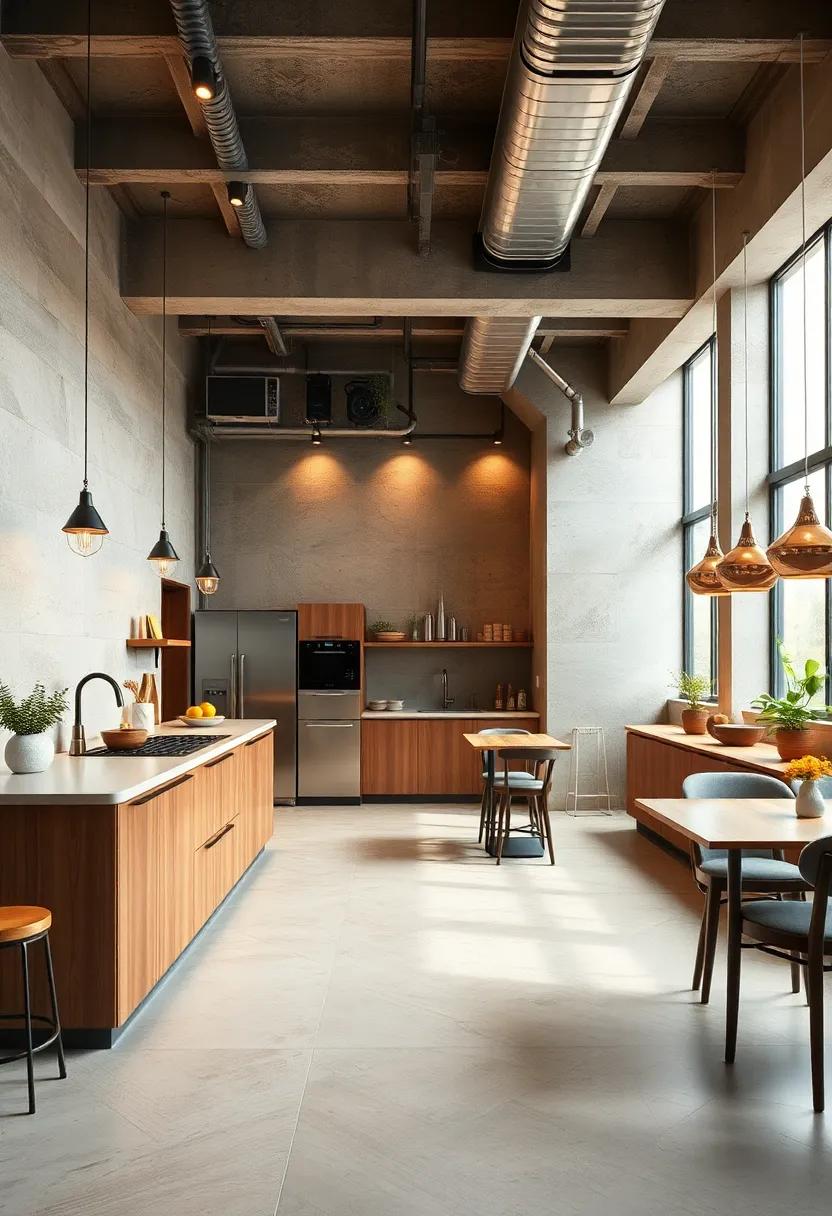
Creating an industrial kitchen that complies with local health and safety regulations is crucial for prosperous operations. Health codes often dictate specific requirements for food handling, equipment installation, and sanitation processes. Ensuring that your kitchen design incorporates these regulations will not only help you avoid costly penalties but also foster a safe environment for food preparation. For instance, installing appropriate ventilation systems and maintaining specified food storage temperatures are critical elements that must be designed into the space. Consider the following key aspects:
- Ventilation: Ensure exhaust hoods and fans are strategically placed to minimize airborne contaminants.
- Flooring: Use non-slip, easy-to-clean materials that comply with hygiene standards.
- Sanitation Stations: Designate hand-washing areas equipped with sinks and hand sanitizer dispensers.
Moreover, understanding and integrating local compliance requirements during the design phase can significantly streamline operations. This includes adhering to guidelines for equipment placement, ensuring accessibility for people with disabilities, and conducting regular safety inspections. To assist in compliance, it’s beneficial to maintain an ongoing checklist of regulations that need to be met.A simplified overview can be structured like this:
| Regulation | Description | Status |
|---|---|---|
| Food Handling | Protocols for safe food storage and preparation | ✔️ Compliant |
| Waste Disposal | Efficient segregation and elimination of waste materials | ✔️ Compliant |
| Equipment Safety | Usage of reliable and compliant kitchen appliances | ✔️ Pending Inspection |
Flexibility in Design: Create movable workstations and equipment to adapt to seasonal menu changes or catering events easily
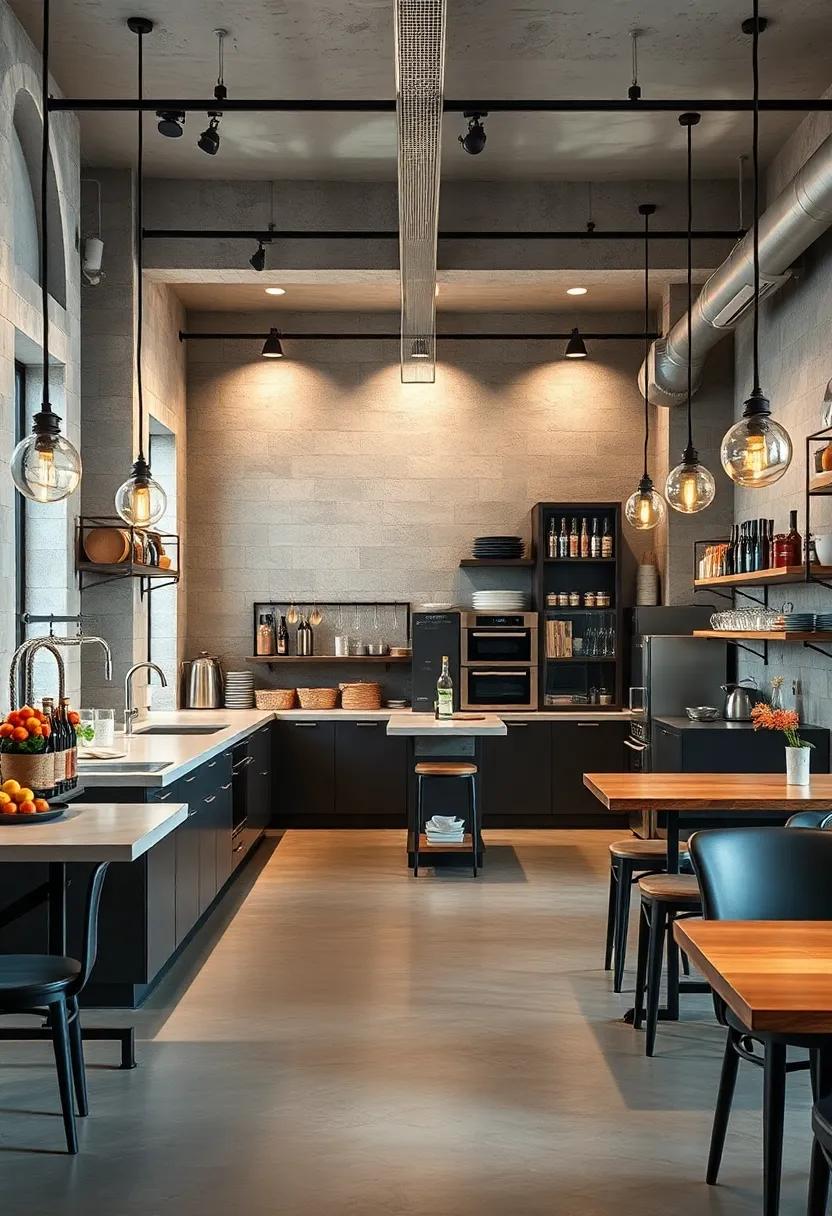
Creating an adaptive kitchen environment is essential for accommodating the ever-changing demands of the culinary world. Movable workstations and equipment enhance the versatility of your industrial kitchen by allowing chefs to reconfigure their workspace quickly. Consider incorporating mobile prep tables, rolling carts, and adjustable height countertops. This flexibility not only improves workflow during busy periods but also simplifies transitions during seasonal menu changes or special catering events. The ability to reposition work areas can lead to a more ergonomic and efficient use of space.
To further enhance your kitchen’s adaptability, invest in modular storage solutions and lightweight equipment that can be easily moved or stored. implementing foldable tables and stackable chairs allows for quick changes in layout and capacity to accommodate various functions. Additionally,maintaining a well-organized inventory system helps to quickly identify the tools needed for each event. Here’s a simple overview of some movable kitchen elements:
| Equipment type | Benefits |
|---|---|
| Mobile Prep Tables | Easily reconfigurable for different tasks |
| Rolling carts | Convenient for transporting ingredients |
| Adjustable Height Counters | Accommodates various cooking styles and user preferences |
| Foldable Tables | Can be set up or put away in moments |
| Stackable Chairs | Maximizes space when not needed |
Multi-Functional Equipment: Utilize appliances that serve multiple purposes to save space and simplify cooking processes
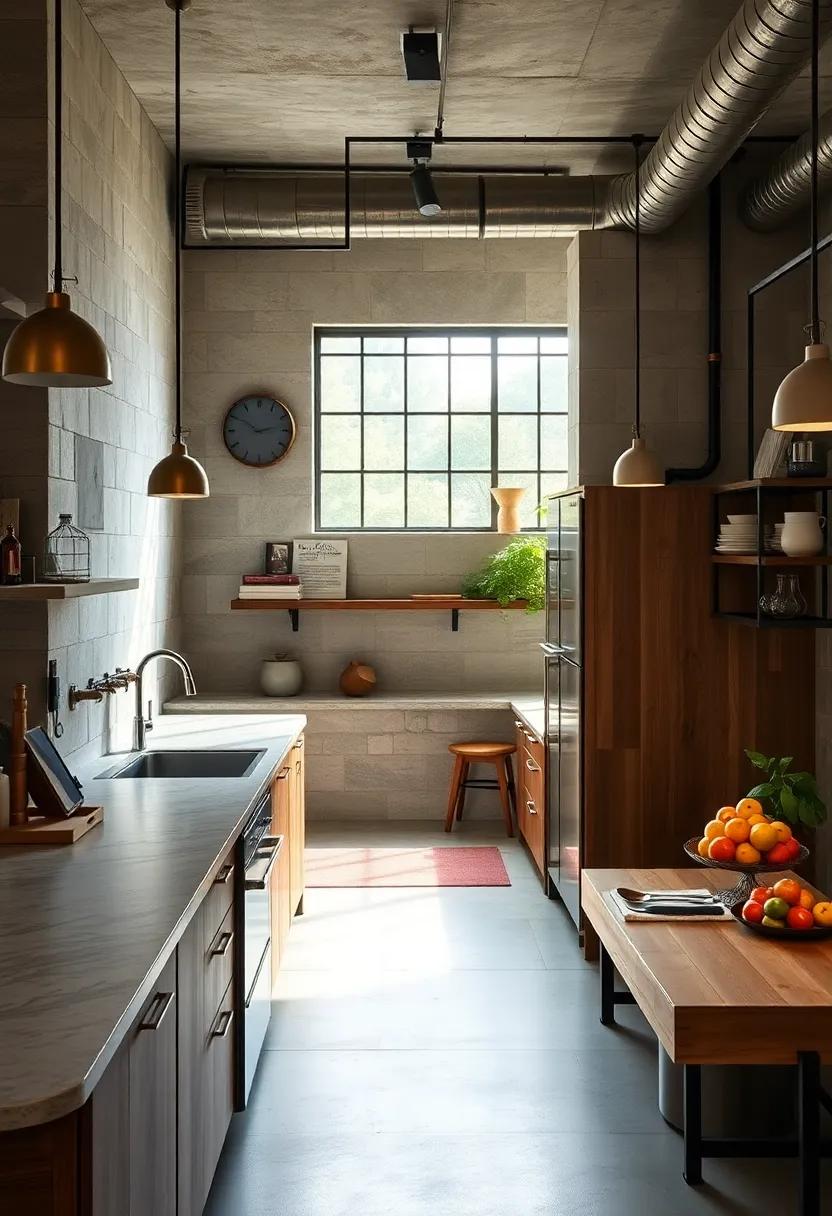
In a world where every square inch counts, choosing the right appliances for an industrial kitchen can dramatically enhance both efficiency and organization. Incorporating multi-functional equipment allows chefs to optimize their workspace while still performing various cooking tasks swiftly. Consider investing in appliances such as:
- Combination Ovens: These versatile units can bake,steam,roast,and more,allowing for a wide range of cooking methods.
- Food Processors: Capable of chopping, pureeing, and kneading dough, they eliminate the need for multiple tools.
- Induction Cooktops: Offering precise temperature control and energy efficiency, some models can also double as grills or griddles.
- Blender/Sous Vide Combo: Perfect for soups, sauces, and precision cooking, these units save space while achieving gourmet results.
Utilizing these innovative items not only conserves valuable counter space but also streamlines the cooking workflow.When selecting multi-functional equipment, look for features that provide flexibility and enhance productivity. A well-thought-out investment might include:
| Appliance | Primary Functions | Space Saving |
|---|---|---|
| Combi Oven | Bake, Steam, Roast | Yes |
| Multi-Cooker | Slow Cook, Rice, Pressure Cook | Yes |
| Blender | Blend, whip, Puree | Partially |
embrace the trend of versatile kitchen technology and discover how these appliances can transform your culinary space into a hub of innovation and creativity, making each cooking experience not just simpler but also more enjoyable.
Soundproofing: Incorporate soundproofing elements to minimize noise levels, promoting a focused work environment
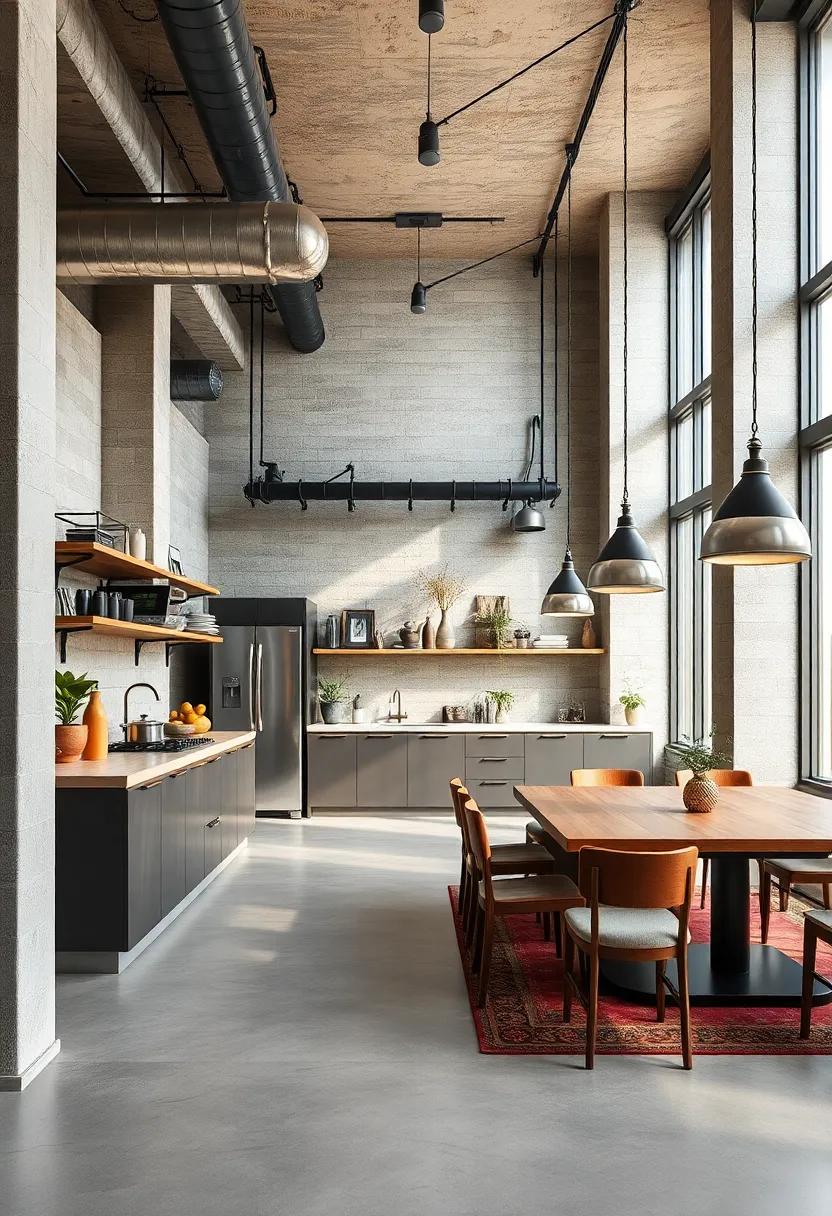
In the bustling atmosphere of an industrial kitchen, noise can quickly become a distraction that hampers productivity. To create a serene work environment, consider integrating soundproofing materials into your kitchen design.Innovative solutions such as acoustic panels offer an effective way to absorb sound and are available in a range of designs and colors to match your kitchen’s aesthetic.Moreover, soundproof door seals can definitely help minimize noise leakage between different areas while maintaining accessibility for staff. By strategically placing these elements throughout the kitchen, it’s possible to significantly reduce the cacophony of clanging pots and loud machinery, thereby fostering a more focused culinary atmosphere.
Additionally,don’t overlook the importance of flooring options that contribute to sound reduction. As a notable example, rubber flooring or high-density vinyl can effectively dampen the sound of foot traffic and equipment, while also providing safety and comfort for workers. Incorporating insulated walls and drop ceilings filled with sound-absorbing materials can further enhance the acoustic environment. These thoughtful upgrades not only help in reducing noise levels but also create a more pleasant space for kitchen staff to work efficiently and concentrate on their culinary creations.
Waste Management: Design effective waste disposal and recycling systems to maintain cleanliness and support sustainability efforts
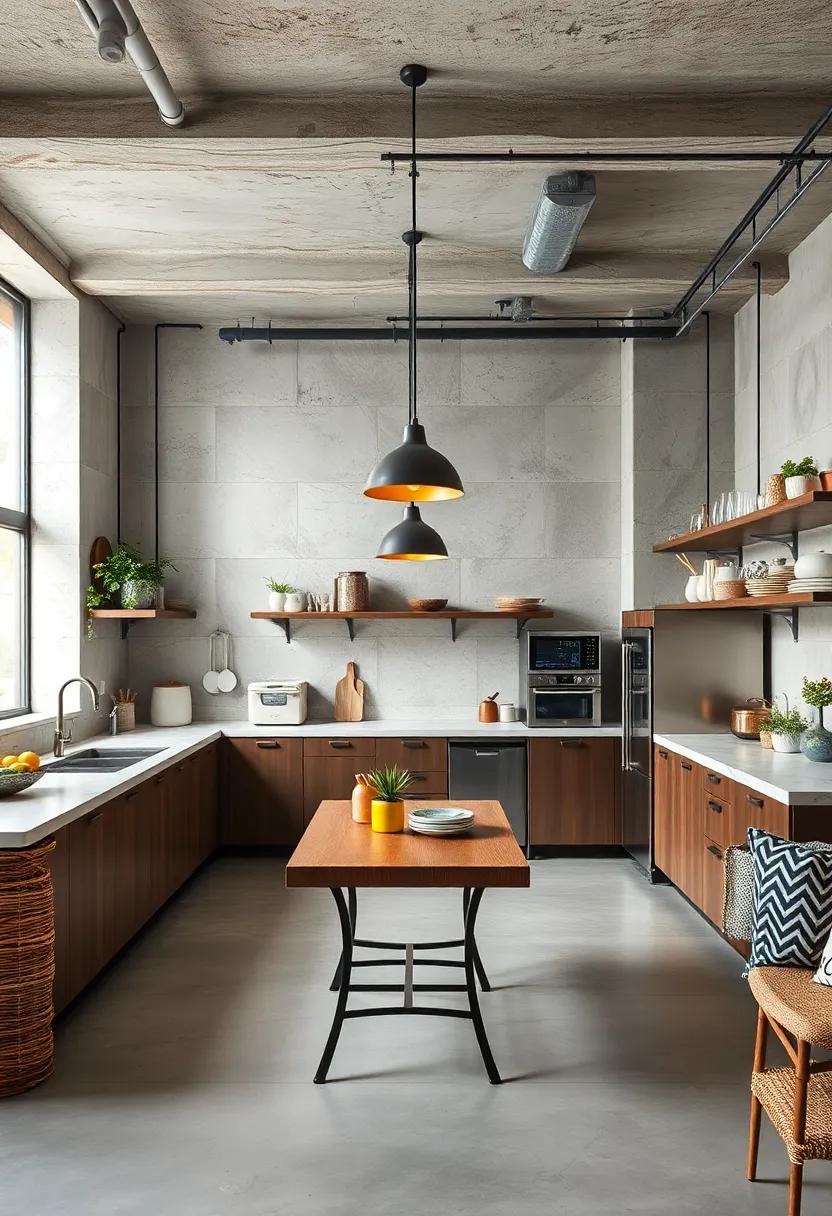
Implementing effective waste disposal and recycling systems is crucial for any industrial kitchen aiming to achieve sustainability. To begin with,establishments should have a designated waste collection area that is easily accessible yet discreetly located. This area should cater to different types of waste, which can be streamlined through the use of clearly labeled bins for organic waste, recyclables, and general trash. Proper signage is essential; it not only guides staff in sorting waste but also raises awareness about sustainability efforts within the kitchen. Regular training sessions for kitchen staff that focus on waste segregation best practices can further enhance compliance and commitment to cleanliness.
Additionally, incorporating smart waste management technologies can optimize overall waste disposal efficiency. For example, utilizing smart bins equipped with sensors can monitor waste levels and send alerts when they need emptying, reducing overflow and maintaining cleanliness. another innovative solution is composting on-site; this not only minimizes waste volume but also produces nutrient-rich soil for landscaping purposes. By establishing partnerships with local recycling companies, kitchens can ensure that impurities in recyclables are minimized, enhancing the chances of recycling success. Consider the following table as a blueprint for effective waste management features:
| Feature | Description |
|---|---|
| Color-Coded Bins | Facilitates easy sorting for staff and guests. |
| Composting System | Reduces landfill contributions with organic waste processing. |
| Sensor Bins | Tracks waste levels in real-time for efficient collection. |
| Waste Audit Schedule | Regularly assesses waste generation to identify enhancement areas. |
smart Technology: Integrate smart kitchen technology for inventory management, energy monitoring, and equipment maintenance alerts
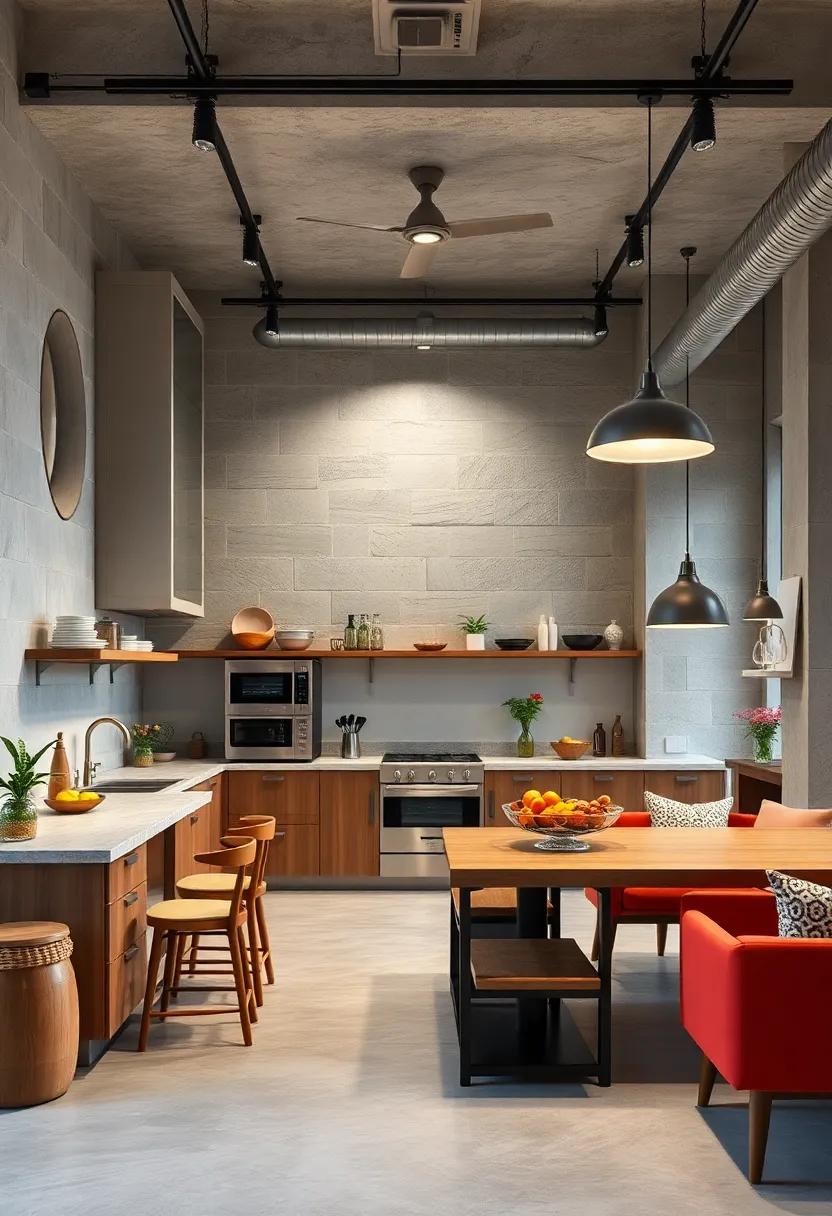
Integrating smart technology into your kitchen design can dramatically enhance efficiency by facilitating inventory management, allowing for real-time tracking of ingredients and supplies. With smart sensors and connected apps, chefs can receive notifications of stock levels, ensuring that they never run out of essential items. This not only saves time spent on manual checks but also assists in reducing food waste by tracking expiration dates. Popular inventory management solutions can include:
- Smart Shelving Units: Automatically update inventory levels.
- AI-Powered Inventory Apps: suggest orders based on usage trends.
- Barcode Scanners: Simple and effective tracking methods.
Additionally, energy consumption monitoring features can identify energy drains and suggest optimization techniques to reduce costs. With the ability to track equipment usage, managers can make informed decisions regarding energy use and sustainability. Furthermore, implementing maintenance alerts allows operators to receive instant notifications when equipment requires servicing or parts replacement. This proactive approach minimizes downtime and enhances kitchen operation effectiveness, featuring:
- Predictive Maintenance Notifications: Keep machines operating at peak efficiency.
- Energy Usage Dashboards: Visualize and analyze consumption patterns.
- Remote monitoring Systems: Keep tabs on equipment status from anywhere.
staff Comfort: Consider staff comfort in seating, break areas, and other amenities to reduce fatigue and boost morale
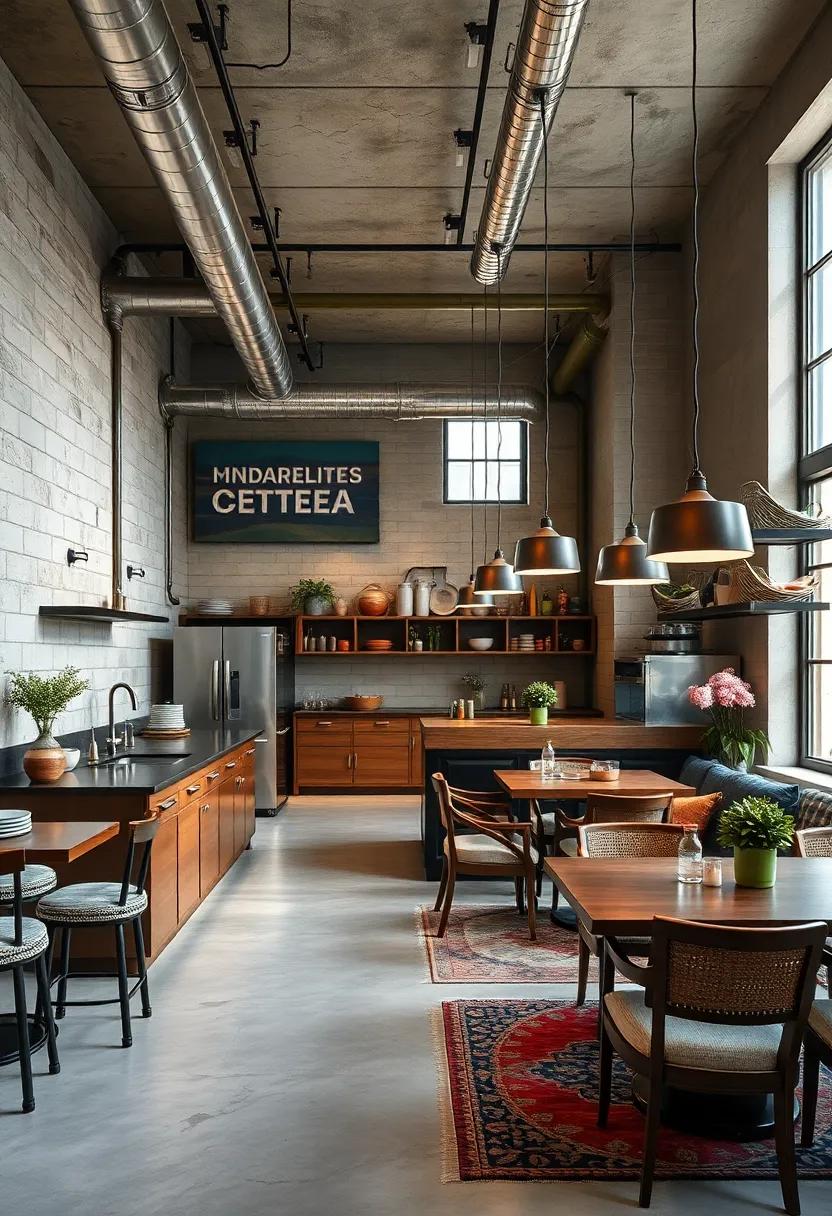
Creating a workspace that prioritizes the well-being of kitchen staff is essential for fostering a positive work environment. Ergonomic seating options in break areas can help alleviate physical strain during long shifts. Consider installing adjustable seating that supports various body types, as well as high-back chairs to promote good posture. Providing comfortable seating arrangements also encourages staff to take necessary breaks, allowing them to recharge and return to their tasks with renewed energy.
Additionally, the design of break areas should be inviting and well-equipped. Implement features such as modern kitchenettes where staff can prepare meals or drinks, and allocate space for relaxation with amenities like lounge furniture and a quiet zone. Ensure there are sufficient lockers for personal belongings and designated spots for charging devices. The following table highlights key elements to consider for staff comfort:
| Comfort Element | Description |
|---|---|
| Ergonomic Seating | Supports good posture and reduces fatigue. |
| Refreshing Break Areas | Encourages relaxation and mental breaks. |
| Kitchenettes | Provides a space for meal prep and snacks. |
| Lounge Furniture | Offers a comfortable space for relaxation. |
| Lockers | Keeps personal items secure and organized. |
Clear Signage: Use clear, visible signage to guide staff through different kitchen zones and highlight safety protocols
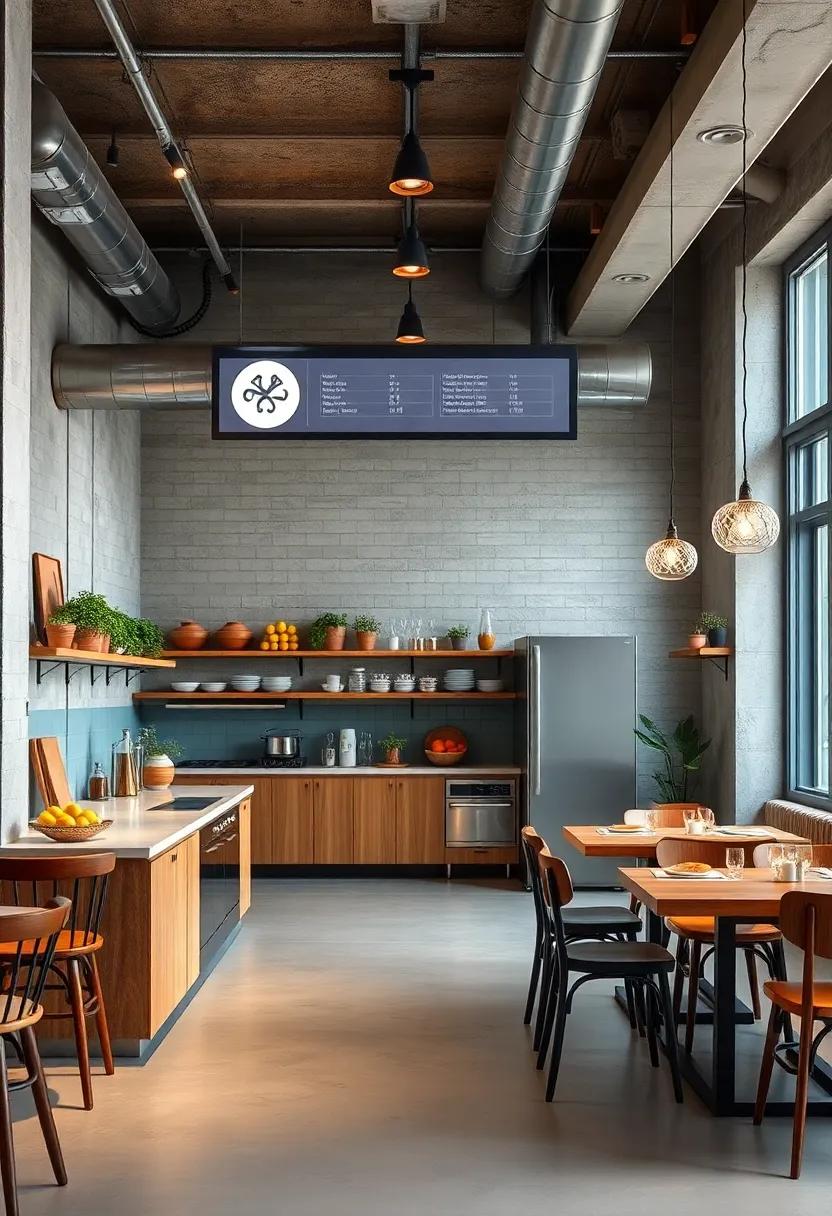
In the bustling environment of an industrial kitchen, effective communication is vital for operational efficiency and safety. Utilizing clear and visible signage can significantly enhance staff navigation throughout various kitchen zones. Color coding can definitely help differentiate between areas such as food prep, cooking, and cleaning stations. For example, green for food prep, red for cooking, and blue for cleaning can easily grasp attention and ensure that every staff member knows where they need to be. Additionally, the use of large, bold fonts and simple language is essential in crafting signage that is quickly comprehensible, even during high-pressure situations.
Furthermore, highlighting safety protocols through signage is critical in maintaining a safe working environment. A dedicated space for safety reminders, such as fire exits, equipment handling instructions, and personal protective equipment (PPE) requirements, fosters a culture of safety awareness among kitchen staff. Tables can be utilized to present vital safety information clearly:
| Zone | Safety Protocol |
|---|---|
| Cooking Area | Wear heat-resistant gloves and aprons |
| Cleaning Station | Use proper PPE: gloves, masks |
| Food Prep | Keep knives and equipment out of reach |
Diverse Cooking Stations: Include diverse cooking stations (grill, fryer, oven, etc.) tailored to the types of dishes being prepared
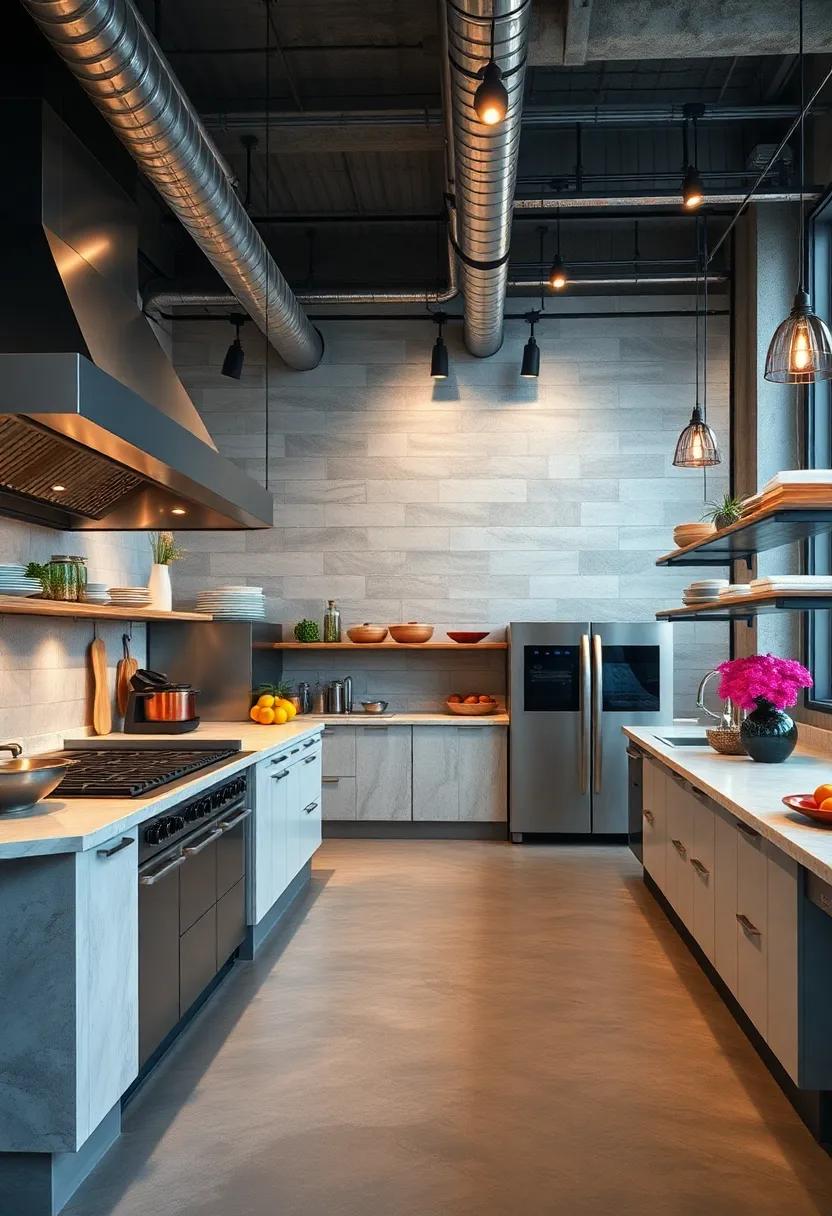
To maximize efficiency in your industrial kitchen, consider incorporating a variety of cooking stations, each specifically designed to cater to different culinary techniques and dish types. Grill stations are perfect for meats and vegetables, offering a high-heat option that achieves a distinct char and flavor.In contrast, fryer stations provide the ideal environment for achieving crispy fried foods, from chicken to doughnuts, enabling chefs to deliver consistently delicious results with precise temperature control. Additionally, having oven stations equipped with both convection and traditional units allows for versatile baking, roasting, and slow-cooking, accommodating a range of dishes from pastries to casseroles.
Moreover, consider setting up specialized stations that promote both creativity and organization. A sous-vide station allows for precise temperature cooking and consistent results, while a prep area for cold dishes ensures that salads and charcuterie boards are assembled efficiently without interrupting hot meal preparation. Having a steam table station can help in keeping cooked dishes warm without drying them out, ensuring that food is served at optimal temperatures.The table below summarizes these essential cooking stations and their primary functions:
| Cooking Station | Main Function |
|---|---|
| Grill | High-heat cooking for meats and vegetables. |
| Fryer | Crispy preparation of fried foods. |
| Oven | Baking, roasting, and slow-cooking dishes. |
| Sous-vide | precise cooking with controlled temperatures. |
| Prep Area | Efficient assembly of cold dishes. |
| Steam Table | Keeping dishes warm without drying. |
Scalable Design: Plan for scalability, enabling future expansion or adaptation as the business grows or changes
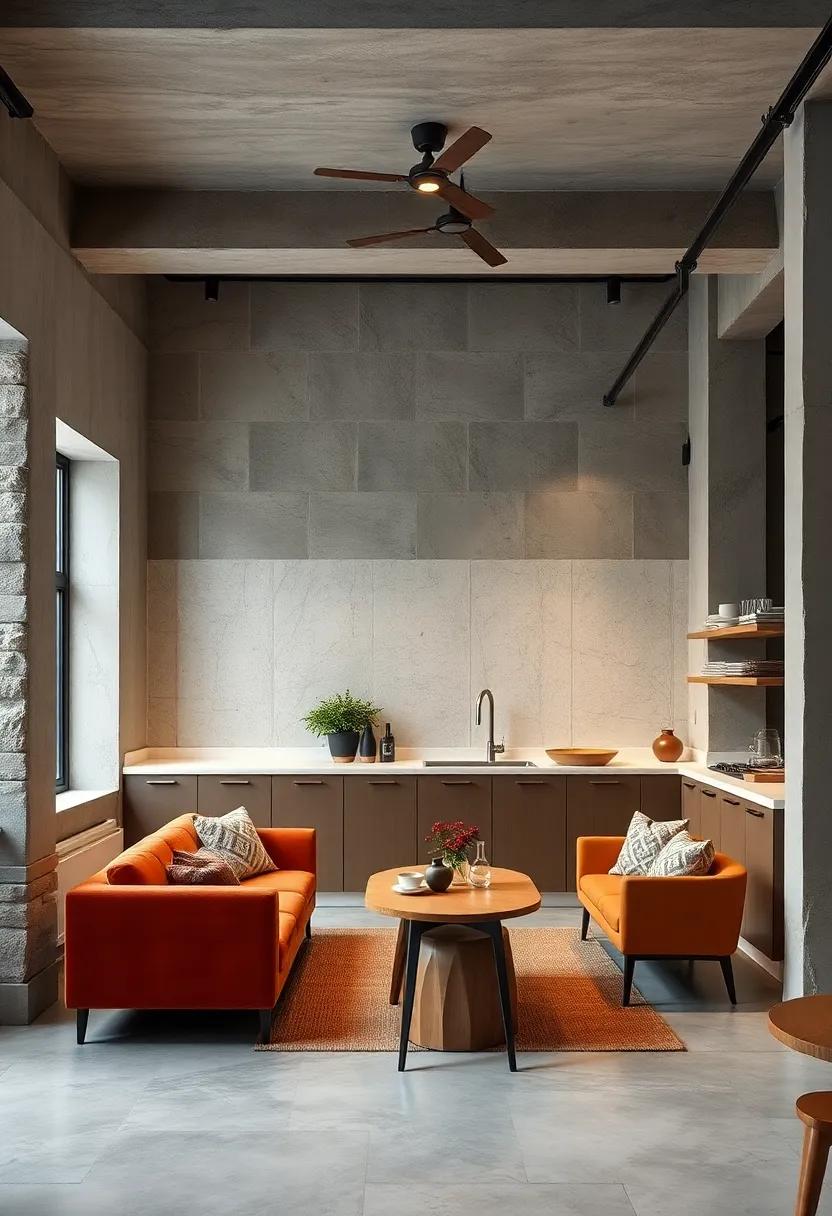
When designing an industrial kitchen, it is vital to incorporate features that allow for growth and adaptation over time. Anticipating future needs can prevent costly renovations later on. Consider modular equipment that can be easily reconfigured or expanded.Integrating elements such as flexible workstations and interchangeable storage solutions can accommodate new processes or menu items as business demands evolve. It’s also important to have expandable utility connections, allowing for the seamless addition of new appliances or even an entire new line of cooking within the existing framework.
A well-thought-out layout can also facilitate scalability,ensuring that workflow is efficient nonetheless of operational changes. Key design features should include ample aisle space for easier movement of personnel and equipment, and also zoning strategies to separate different cooking processes without cumbersome overlap. Utilize a well-planned hierarchy of storage places to ensure that as inventory increases, it can be stored efficiently without sacrificing accessibility. Below is a simple table demonstrating essential features that contribute to a scalable kitchen design:
| Feature | Benefit |
|---|---|
| Modular Equipment | Ease of reconfiguration and expansion. |
| Flexible Workstations | Adaptability to new operational needs. |
| Expandable Utility Connections | Future-proofing for new appliances. |
| Aisle space | Improved workflow and movement efficiency. |
| Zoning Strategies | Clear separation of cooking processes. |
| Hierarchy of Storage | Efficient management of growing inventories. |
Water Supply and Drainage: Ensure adequate plumbing for water supply and drainage,providing easy access in all areas of the kitchen
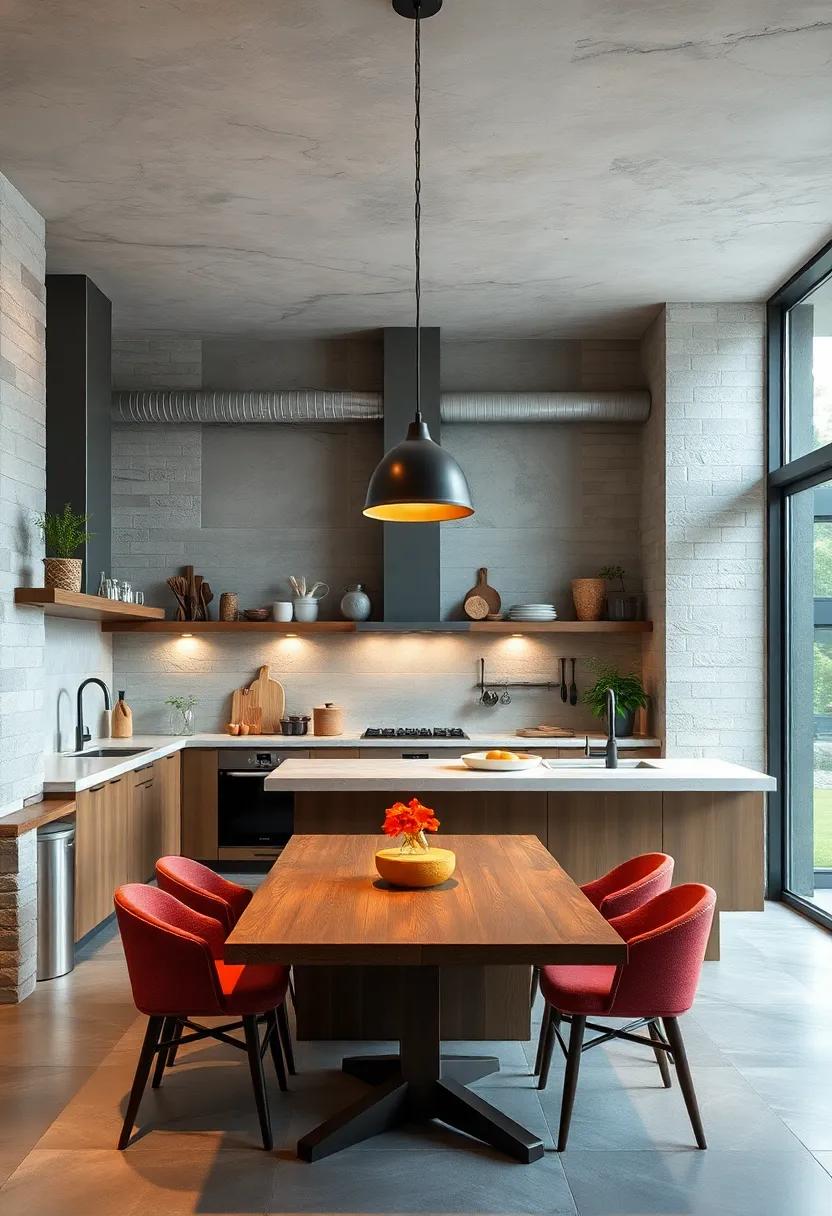
In an industrial kitchen, efficient plumbing plays a crucial role in maintaining a smooth workflow. Installing reliable water supply systems ensures that chefs and kitchen staff have immediate access to essential resources for cooking,cleaning,and food prep. to maximize functionality, consider the following elements:
- Multiple Access Points: Strategically place sinks, faucets, and dishwashers near food prep and cooking areas.
- Separate Drainage Systems: Implement distinct drainage for food waste and liquid waste to prevent odors and clogs.
- High-Quality Fixtures: Use commercial-grade faucets and plumbing materials to withstand heavy use.
- Accessible shut-off valves: Install easily reachable shut-off valves to facilitate maintenance and emergencies.
Consider also the layout of the drainage systems,as this can foster a clean and safe work environment. Designing an effective drainage system will minimize flooding and ensure that excess water is swiftly directed away from work areas. Here are some recommendations to enhance drainage efficiency:
- Trench Drains: Incorporate trench drains in areas prone to spills, directing water efficiently to the sewer.
- Grease Traps: Connect grease traps to prevent blockages and maintain sanitary conditions.
- Regular Maintenance Schedule: Implement a routine to regularly check and clear drains to ensure they function properly.
- Flow Control Devices: Utilize devices that regulate water flow to optimize usage and conserve resources.
Collaboration Areas: Create collaborative spaces where staff can discuss ideas, menu changes, or improvements without disrupting workflows
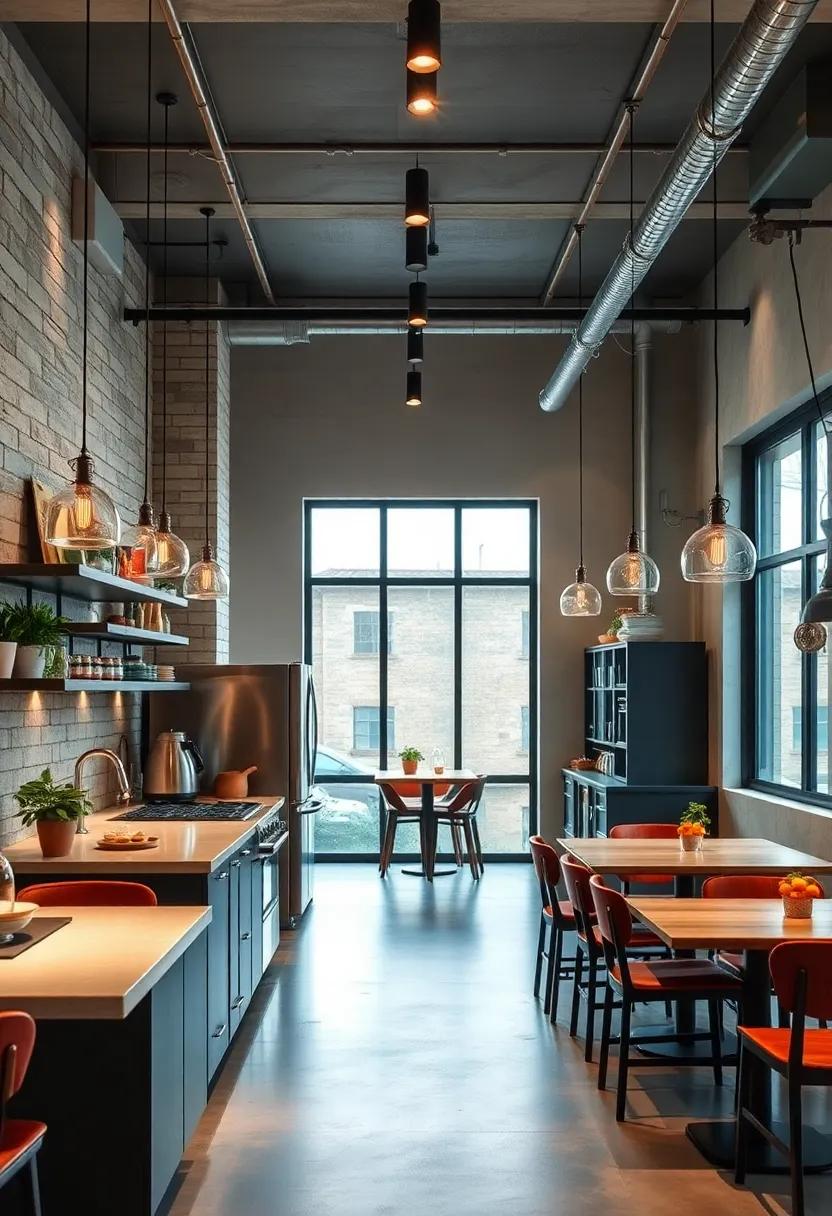
To foster creative thinking and innovation in your industrial kitchen, it’s vital to establish dedicated collaboration areas. These spaces should be designed with comfort and openness in mind, enabling staff to brainstorm and share insights without feeling rushed or overwhelmed. Incorporate features like comfortable seating, whiteboards for quick idea jotting, and modular tables for flexible arrangements that accommodate both small group discussions and larger meetings. Ensuring these areas are just a short walk from the kitchen workflows can help maintain efficiency while giving staff a chance to engage with one another in meaningful ways.
Moreover, consider integrating technology solutions within these collaborative spaces. This could range from interactive screens for presentations to audio equipment for clear communication during larger group gatherings. It’s also important to promote a culture of feedback by regularly scheduled brainstorming sessions, allowing teams to collaboratively review menu changes and suggest improvements based on collective experiences. Providing a structure for idea sharing can lead to significant innovations, enhancing the overall operations and culinary offerings of your kitchen.
Staff Training Areas: Designate areas for training new staff members efficiently without interfering with the kitchen’s operations
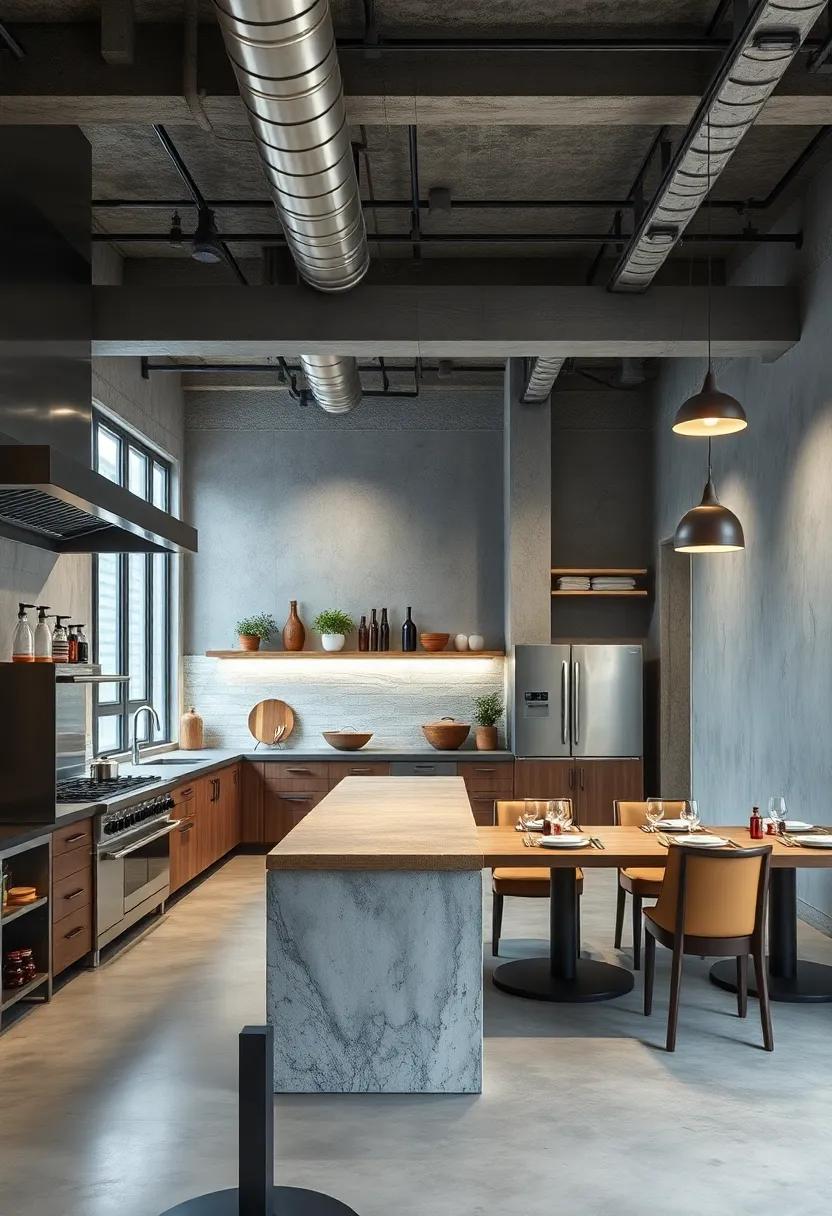
Staff Training Areas
Designating specific zones for the training of new staff members is crucial in an industrial kitchen. Such areas should be strategically located away from high-traffic sections like fryers and prep stations to minimize distractions and maintain a safe environment.Consider creating a dedicated training corner equipped with essential tools, cooking equipment, and instructional materials. This area can serve not only for hands-on practice but also as a space for one-on-one mentoring sessions between experienced chefs and newcomers. The use of clear signage indicating the training space helps delineate it from other operations, fostering both focus and safety.
Moreover, utilizing mobile training stations can enhance flexibility. These stations can include portable prep tables, utensils, and even technology like tablets for interactive learning sessions. They can be easily set up in quieter parts of the kitchen when required and dismantled when no longer in use, ensuring that the main workflow remains uninterrupted. consider implementing a schedule for training sessions to optimize the use of these spaces without conflicting with peak kitchen hours, ensuring all staff members receive quality training opportunities while maintaining operational efficiency.
Temperature Control: Implement systems to maintain appropriate temperature zones for both food storage and cooking
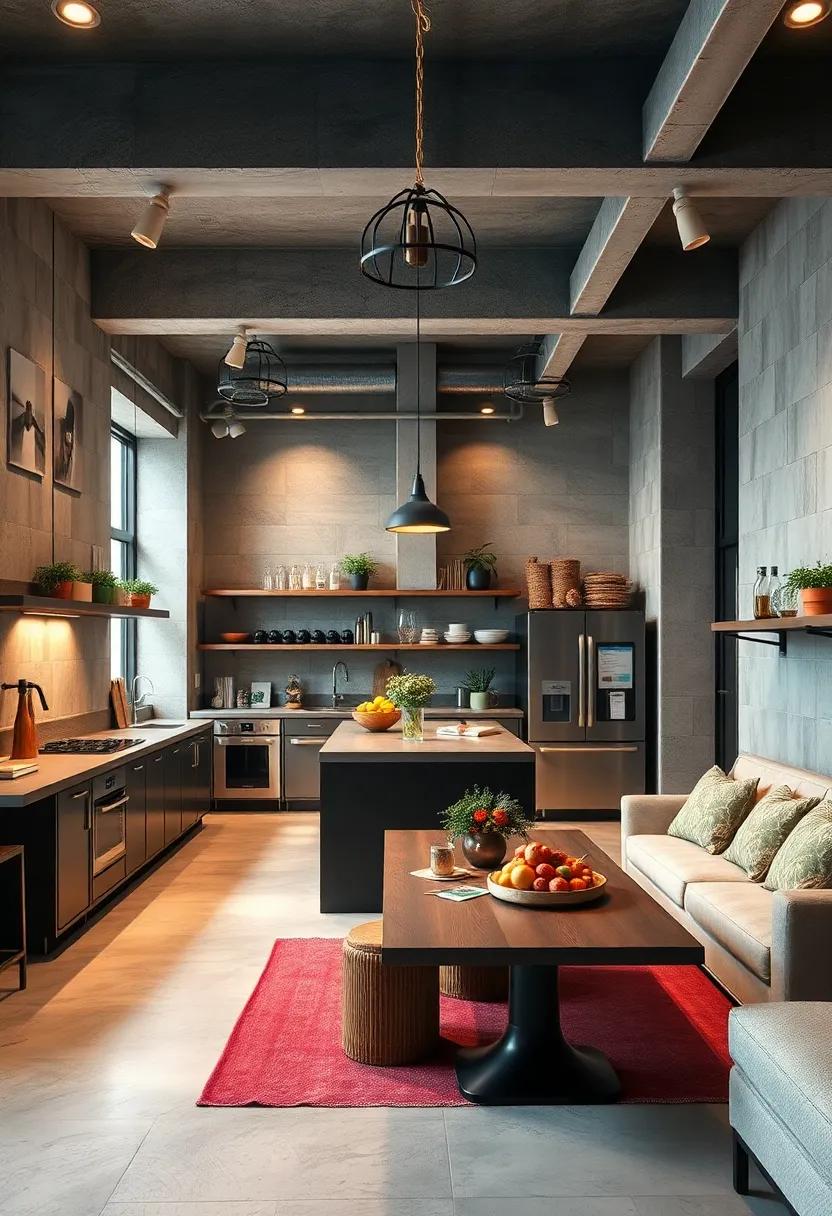
Maintaining the right temperature zones in an industrial kitchen is essential for both food safety and cooking efficiency. This means establishing separate areas for refrigerator, freezer, and cooking stations. By implementing designated temperature control systems, kitchens can prevent cross-contamination and spoilage, ensuring that all perishable items remain at optimal temperatures. Here are some key components to consider:
- Refrigeration Units: Invest in commercial-grade refrigeration units that offer adjustable temperatures for various ingredients.
- Thermostatic Controls: Use thermostatic controls in cooking stations to maintain consistent cooking temperatures, improving food quality.
- zone-Based Cooling: Implement zone-based cooling systems to efficiently regulate different areas in the kitchen.
- Temperature Monitoring Systems: Install digital temperature monitoring systems that alert staff when storage conditions deviate from set parameters.
In addition to temperature control, using a temperature zoning table can aid decision-making in the kitchen. This tool helps chefs understand where to store specific ingredients, enhancing both workflow and food safety:
| Ingredient Type | Recommended Storage Temperature |
|---|---|
| Meats | -1°C to 4°C |
| Dairy Products | 0°C to 4°C |
| Fruits and vegetables | 2°C to 7°C |
| Frozen Foods | -18°C or lower |
Easy Access to Ingredients: Strategically position ingredient storage for quick access to reduce preparation time and enhance service speed
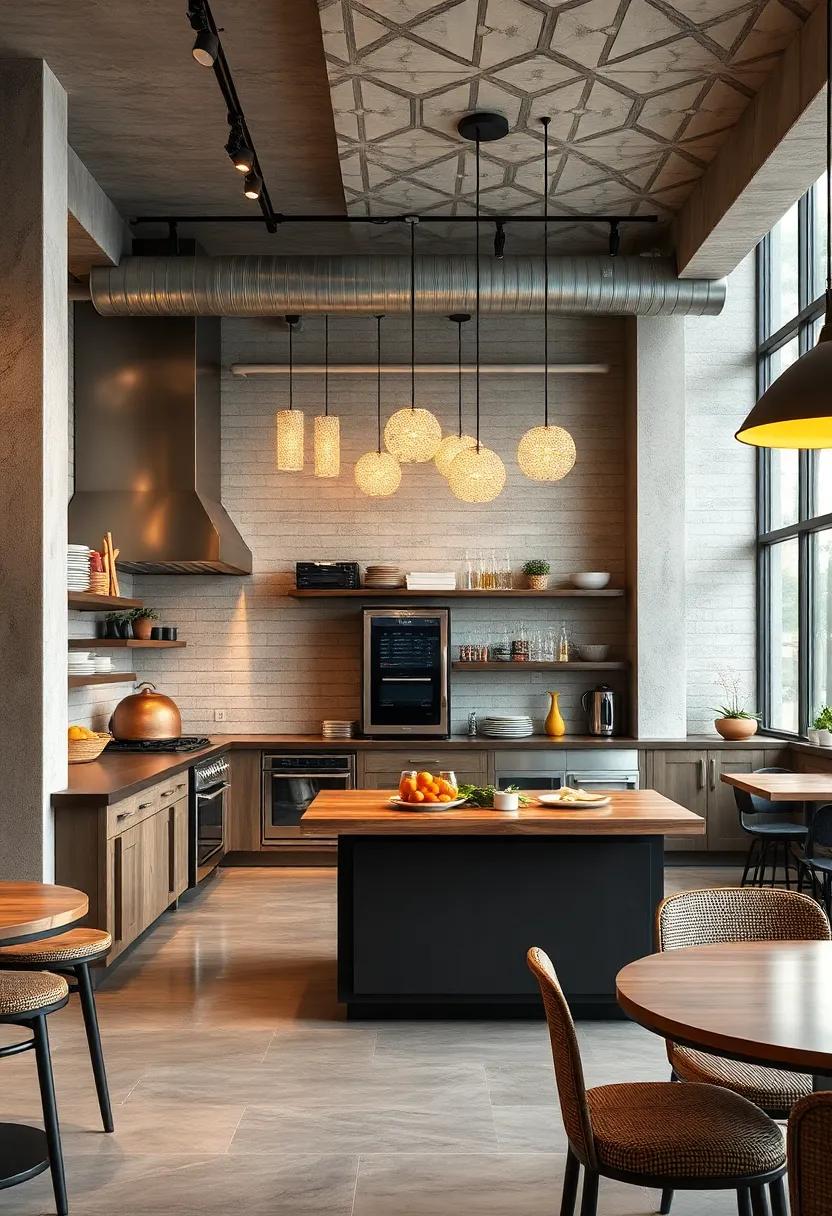
To optimize your industrial kitchen’s efficiency, it’s crucial to design your ingredient storage for maximum accessibility.Consider the placement of storage units close to prep areas to minimize the steps your staff needs to take while gathering ingredients. Using open shelving and labeled containers can quickly provide visibility and easy retrieval of items. This not only saves valuable time during peak service hours but also encourages a tidy work environment, allowing chefs to focus on their culinary creations instead of searching for supplies.
Additionally, implement a zone storage system where similar ingredients are grouped together.For instance,dedicate distinct sections for dry goods,fresh produce,and dairy products. A well-organized layout might resemble a simple table, reinforcing the concept of strategic storage:
| Zone | Ingredients | Location |
|---|---|---|
| Dry Goods | Pasta, Rice, Flour | Top Shelves |
| Fresh Produce | Fruits, Vegetables | Cooler drawers |
| Dairy | Milk, Cheese, Eggs | Refrigerator |
with these zones clearly defined, chefs can efficiently access the right ingredients, thereby enhancing not only preparation speed but also the overall kitchen workflow.
Color Coding: Use color-coded tools, utensils, and areas to promote organization and hygiene within the kitchen
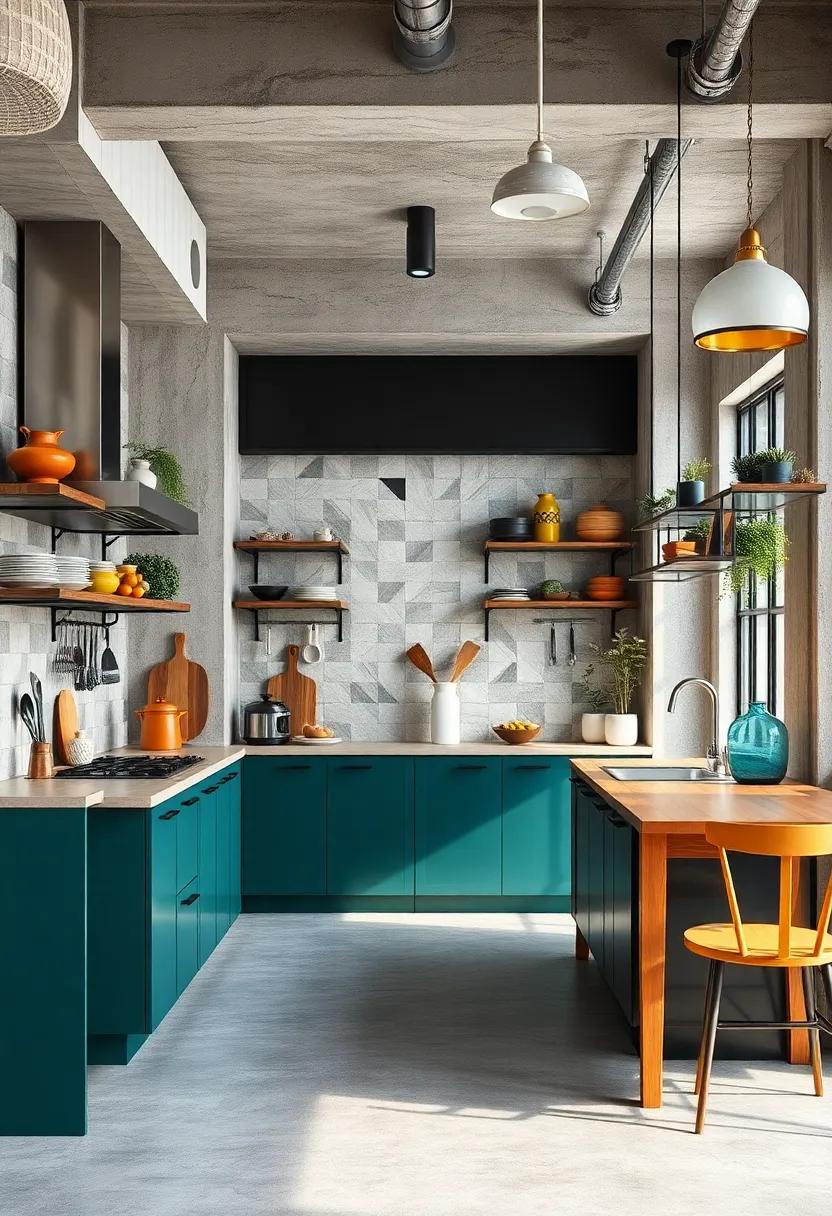
In an industrial kitchen, organization and hygiene are paramount, and color coding serves as an effective solution to achieve both. by implementing a system of color-coded tools, utensils, and areas, you can streamline workflows and minimize the risk of cross-contamination.Assigning distinct colors to different food categories,such as raw meat,vegetables,or dairy products,allows staff to quickly identify the appropriate tools and surfaces for each task. This not only enhances efficiency but also fosters a visually appealing environment where cleanliness is prioritized.
To ensure seamless adherence to this system, it is essential to create clear guidelines and labels throughout the kitchen. Consider using the following color scheme for various items and areas:
| Color | Purpose |
|---|---|
| Red | raw meat tools and areas |
| Yellow | Cooked meat and poultry |
| Green | Fruits and vegetables |
| Blue | Seafood |
| Brown | Baked goods |
By incorporating this colorful system into your industrial kitchen design, you not only promote safety but also create a culture of cleanliness. Regularly assess and update the color coding to reflect changes in menu items or procedures, empowering staff to remain engaged and vigilant in maintaining organization. Ultimately, a cohesive color-coded approach transforms chaos into order, ensuring a smoothly operating kitchen that can withstand the demands of any bustling service.
Outdoor Access: Provide access to outdoor areas for deliveries, additional storage, or even outdoor cooking options when relevant
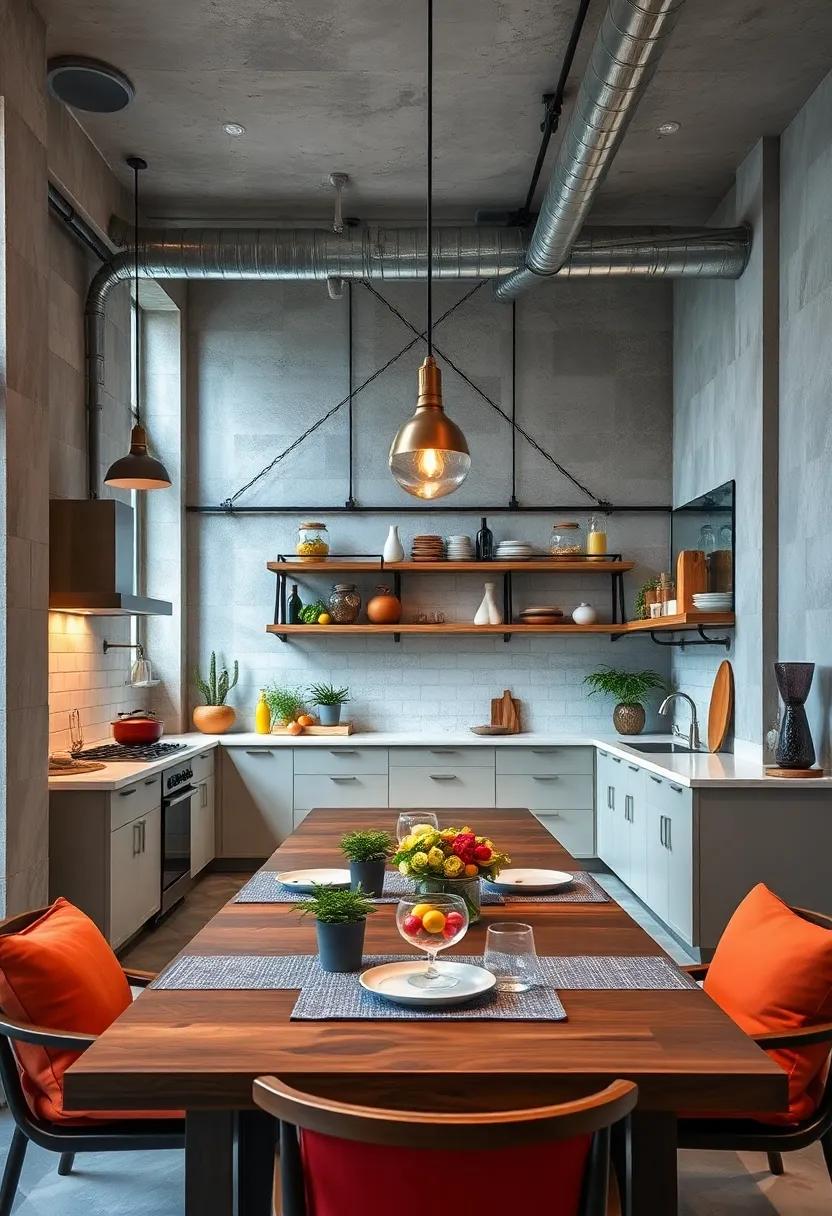
Enhancing the functionality of an industrial kitchen can be achieved through well-planned outdoor access. By incorporating designated entry points to outdoor areas, you can facilitate smoother operations for deliveries and increase storage options. Imagine having an area where ingredients and equipment can be received directly without disrupting the flow of the kitchen. This feature not only optimizes workflow but also minimizes the risk of contamination in the main kitchen space.
Moreover, outdoor access can offer unique cooking opportunities. Utilizing an outdoor cooking space can profoundly elevate your menu options,allowing for grilling,smoking,or even hosting pop-up dining experiences. With careful planning and design, this space can be functional and aesthetically pleasing, providing outdoor seating and a pleasant atmosphere for diners. Consider the following elements when implementing outdoor access:
- Delivery Zones: Clear and shaded areas for receiving supplies.
- Storage Space: Dedicated outdoor storage for large kitchen equipment.
- Cooking Stations: Grills, smokers, or ovens designed for safe outdoor use.
- Seating Arrangements: Comfortable seating to enhance guest experience.
| Feature | Benefits |
|---|---|
| Delivery Access | Streamlines supply chain, reduces kitchen disruptions |
| Outdoor Cooking | Diverse menu options, unique dining experiences |
| Additional Storage | More space for equipment, increased organization |
| Guest Seating | Enhances customer enjoyment, creates an inviting atmosphere |
personalization: Allow for personalization in design to reflect restaurant branding, creating an atmosphere that resonates with patrons and staff alike
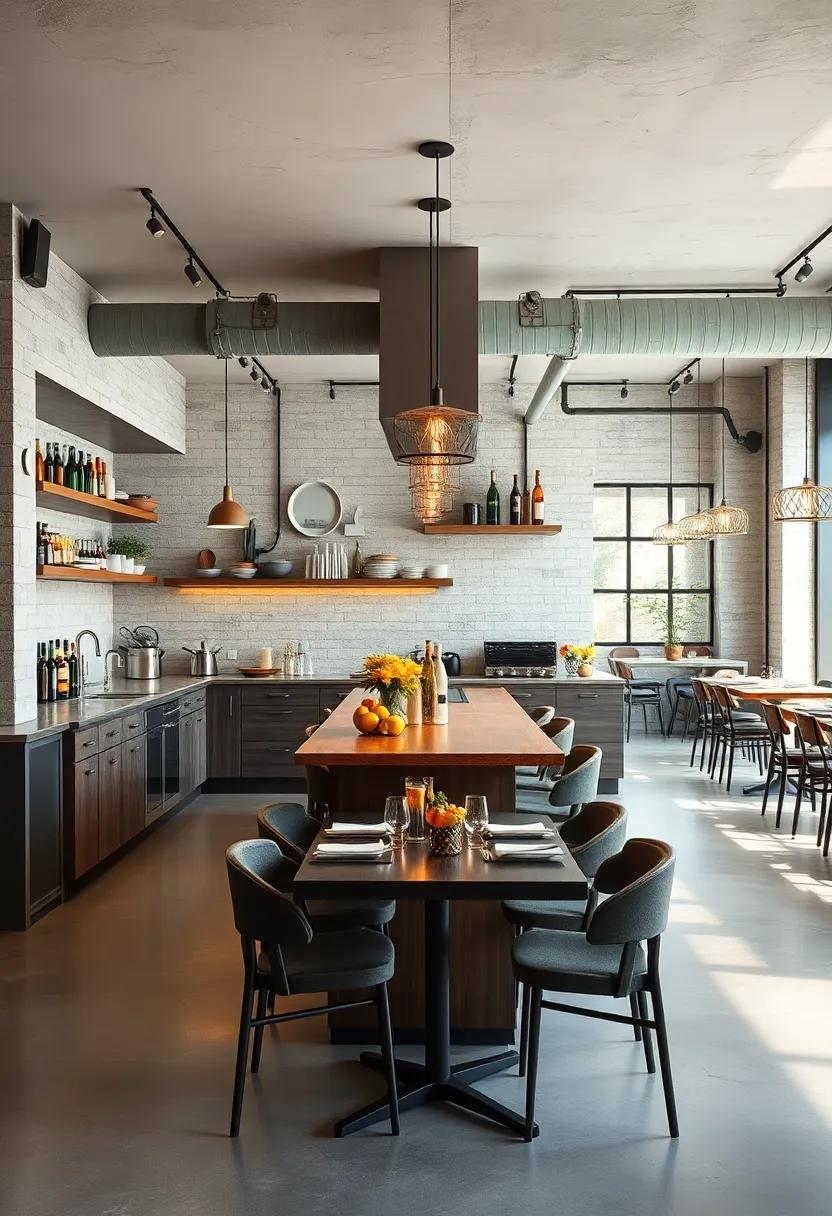
Incorporating elements of personalization in the design of an industrial kitchen can play a crucial role in expressing the restaurant’s unique branding. Colors, materials, and layouts can be thoughtfully chosen to align with the restaurant’s theme, enhancing the overall dining experience for patrons and the working environment for staff. Consider showcasing the restaurant’s ethos through customized features, such as branded backsplash tiles or bespoke signage that reflects the restaurant’s culinary philosophy. These distinct elements can definitely help cultivate a deeper connection between the restaurant and its clientele, fostering loyalty and enhancing the ambiance.
Moreover, personalized details extend beyond aesthetics—they can also influence functionality. Implementing tailored kitchen stations allows for a seamless workflow that mirrors the specific needs of the culinary team. Such personalization could mean designing prep areas that align with a chef’s cooking style or using ergonomically placed storage that minimizes unnecessary movement. By taking into account the needs of both staff and patrons through personalized design choices, restaurants can create a space that not only looks good but also operates efficiently, culminating in an inviting atmosphere that resonates on multiple levels.
To Conclude
As we wrap up our exploration of the 29 essential features for creating an efficient industrial kitchen design,it’s clear that the fusion of functionality and aesthetics is paramount in this bustling environment. Each element discussed plays a pivotal role in enhancing not just the workflow, but also the overall culinary experience, from streamlined layouts to smart storage solutions.Whether you’re designing a new kitchen from the ground up or looking to optimize an existing space, remembering these key features can lead to an operational haven where creativity flourishes, and meals are crafted with ease.
As you embark on your design journey, let these insights guide you toward creating an industrial kitchen that not only meets the demands of today’s culinary professionals but also inspires innovation for years to come. Efficient design is more than just practicality; it’s about building a space where passion meets purpose. Happy designing!
As an Amazon Associate I earn from qualifying purchases.